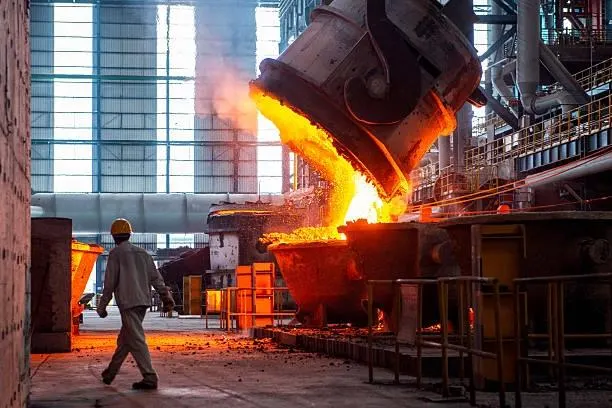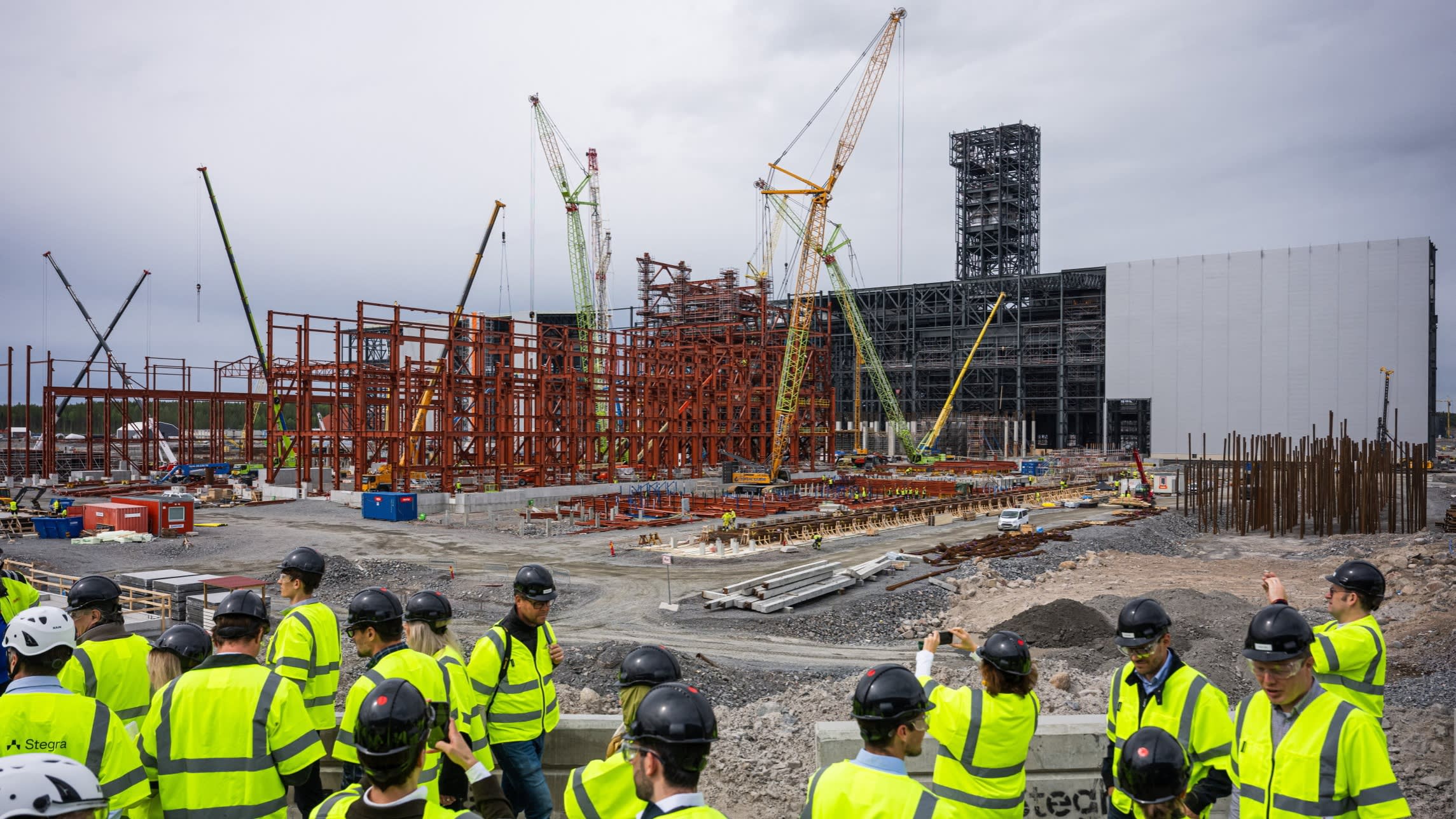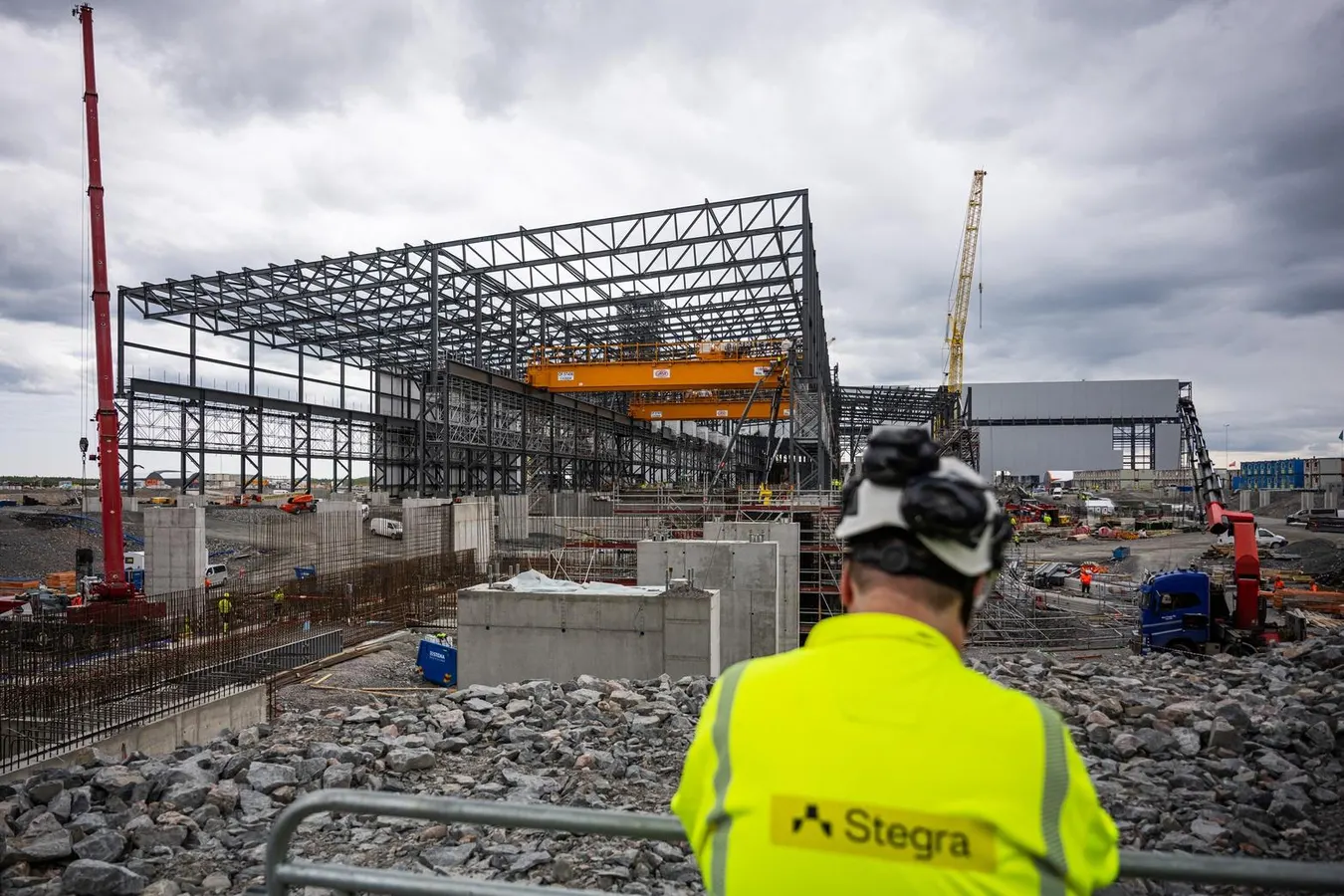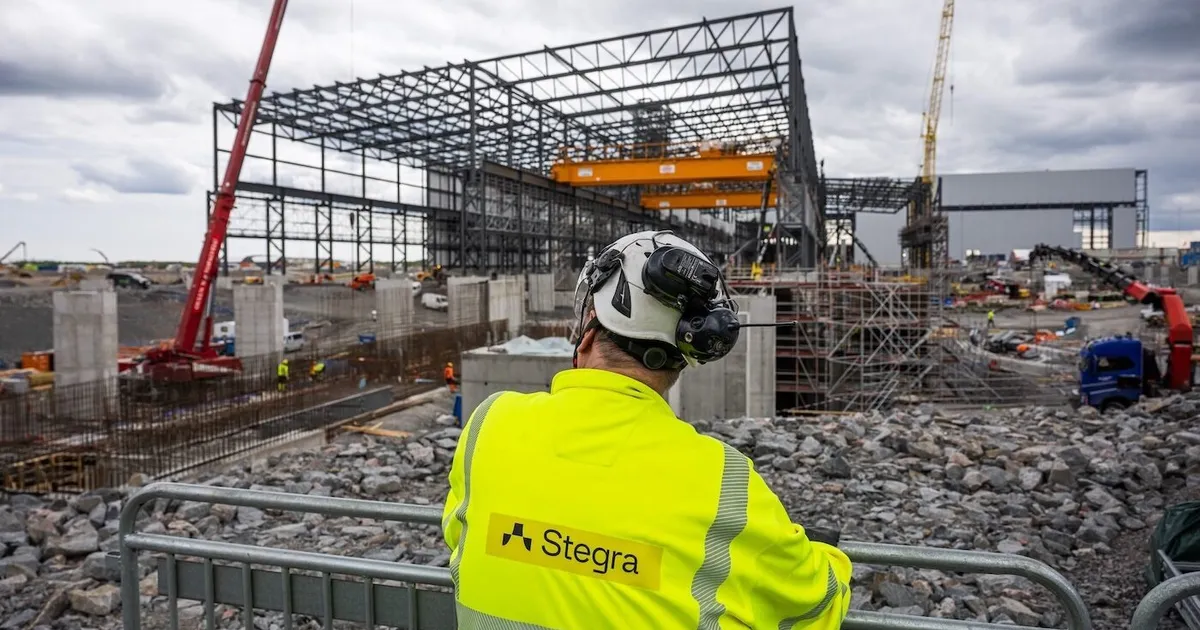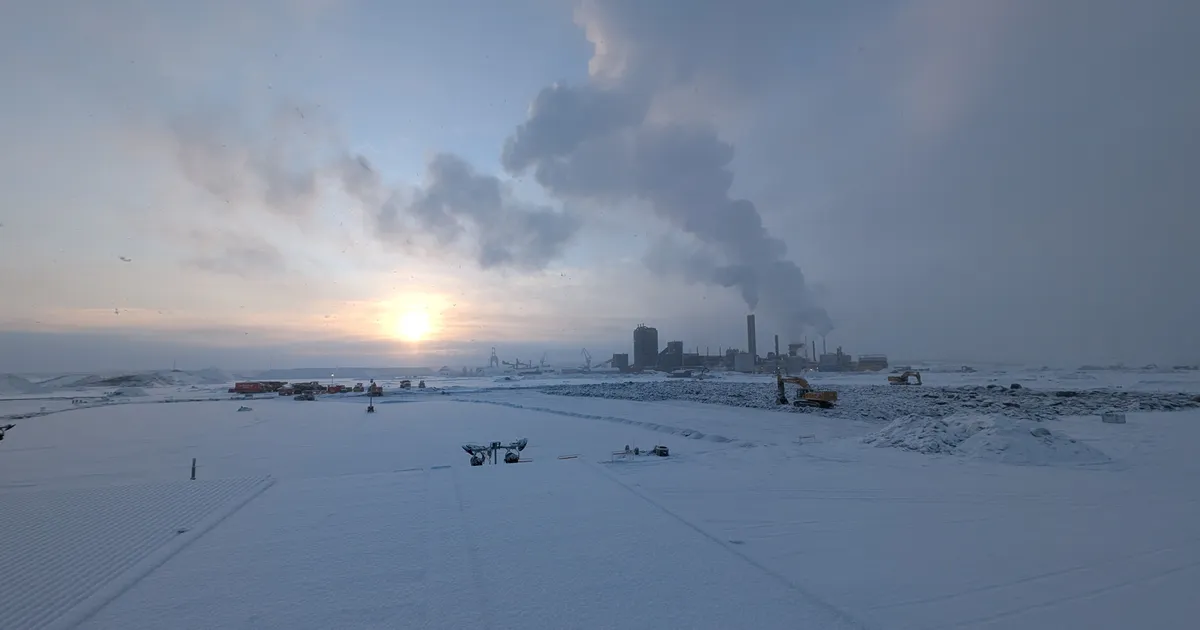
Facing new regulations and stiff competition from China, Sweden and other EU countries are racing to decarbonize steel production. It all hinges on green hydrogen.
Paul Tullis
has reported from 22 countries on five continents on science, technology, the environment, and their intersections for The New York Times, National Geographic, Scientific American, Bloomberg, Wired, and others. He lives in Amsterdam.
In 1872, while on a trip to Europe, Andrew Carnegie met with an engineer and inventor named Henry Bessemer. During the Crimean War, Bessemer had accidentally discovered an efficient (for the time) new method of making steel, which involved blowing air through molten iron to remove its impurities. He later developed it into a process that a few small steelworks had already adopted by the time of Carnegie’s visit. Carnegie had been following Bessemer’s invention from the U.S., but none of the steelworks employing it there had really taken off. The future titan of industry was nonetheless wowed by the older man’s presentation, and returned home convinced that steelmaking should be his next venture.
There was no doubt as to where to make such an investment. Manufacturing steel required huge volumes of iron ore and coal, and both were abundant around Pittsburgh. The city also enjoyed an advantageous location for transporting the heavy end product by barge. The Allegheny and Monongahela rivers merge there into the Ohio, down which one can navigate to the Mississippi and the Gulf of Mexico. Plus, Carnegie had a ready customer in the expanding railroad industry and political help in the form of a recently enacted steep tariff on imported rails. So, the Edgar Thomson Steel Works was erected in 1875, 10 miles outside Pittsburgh, in Braddock. (The thing is still running.)