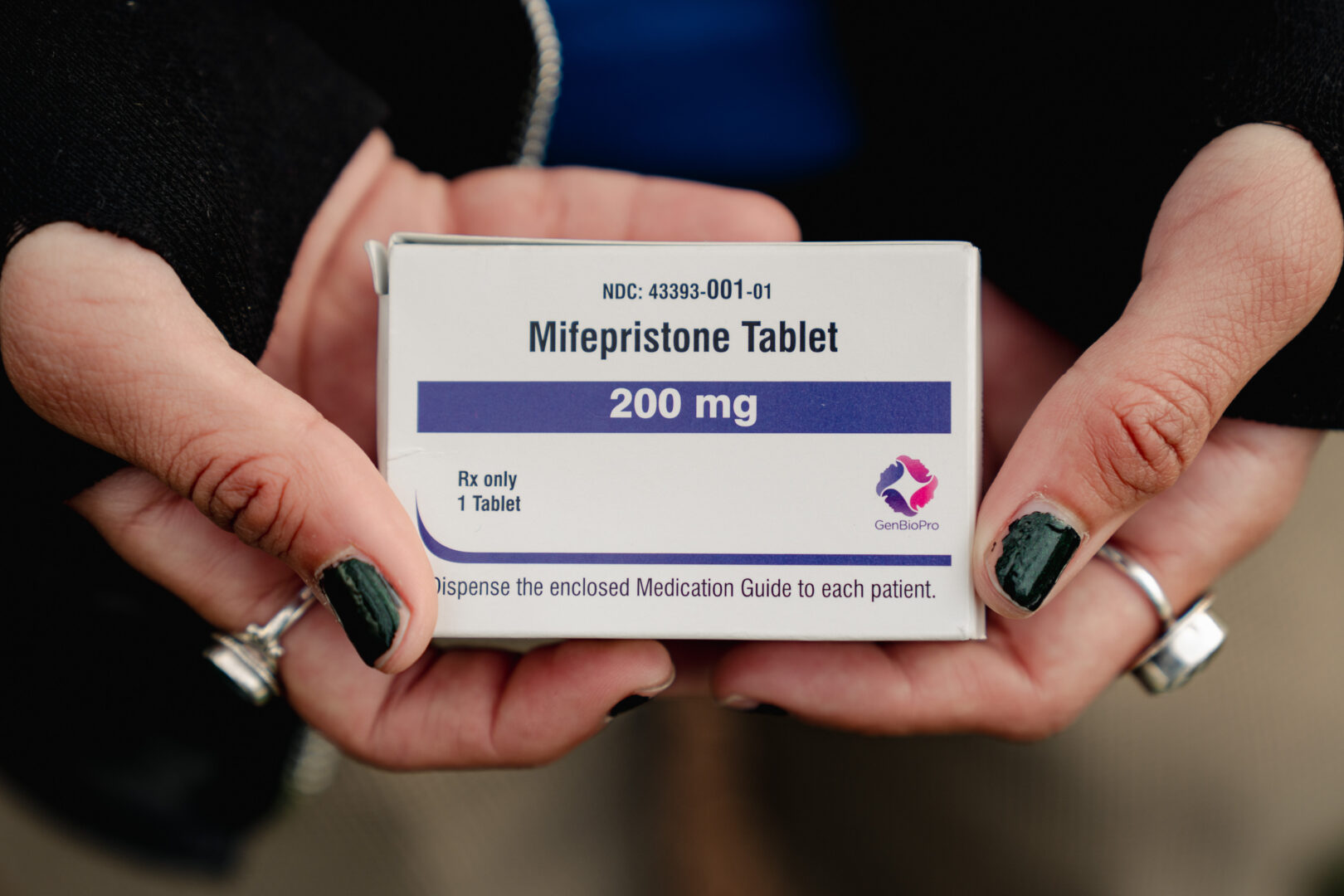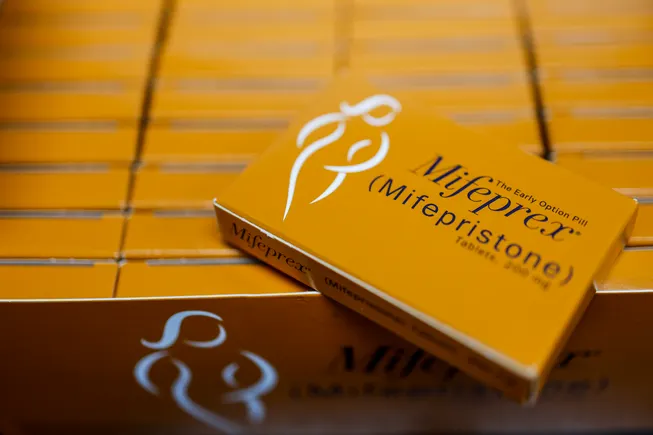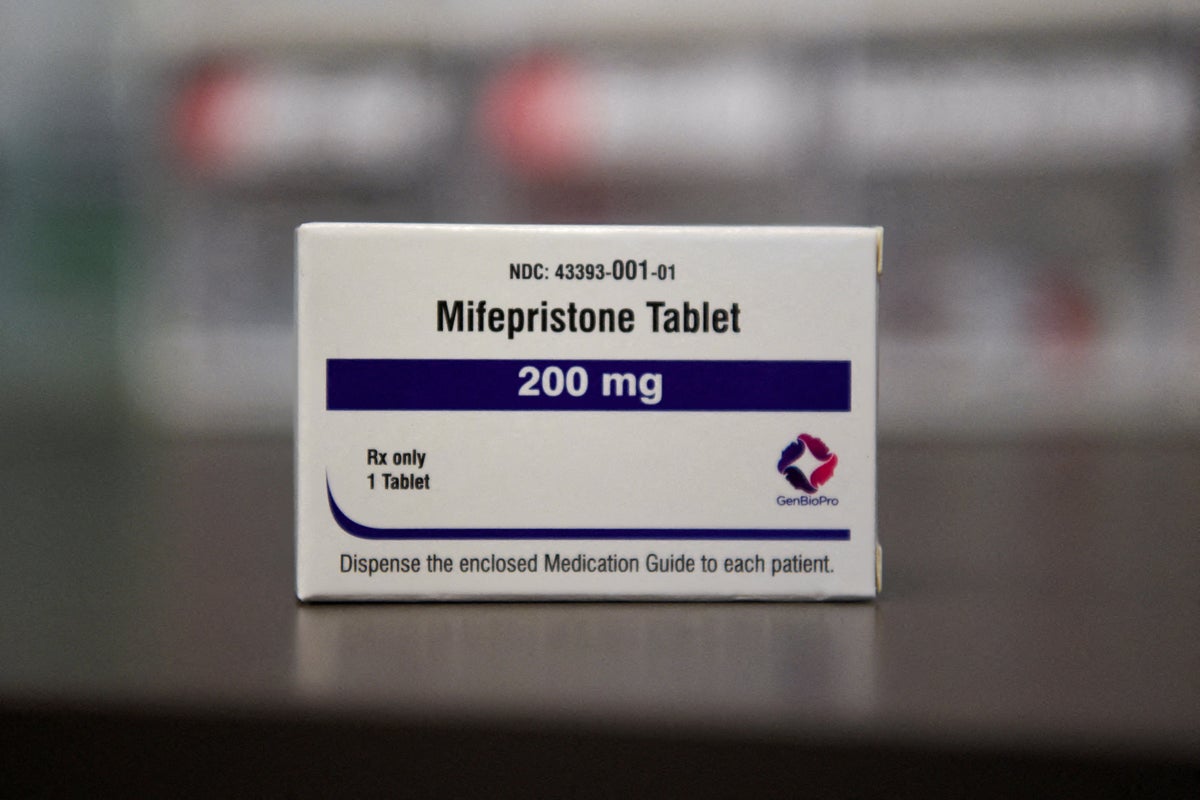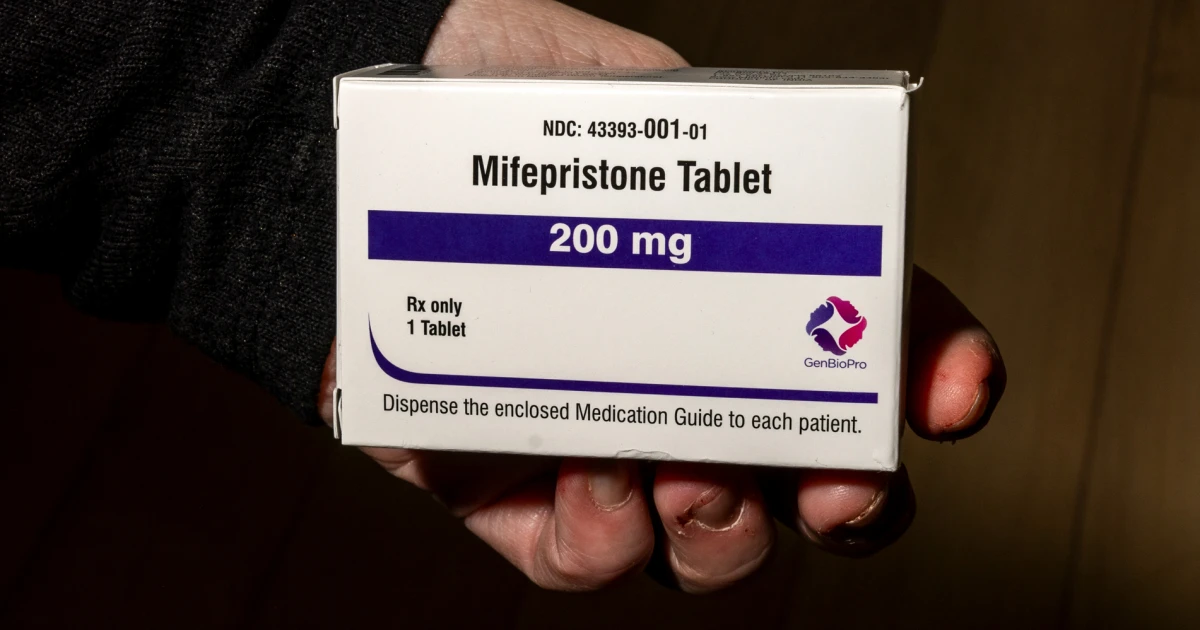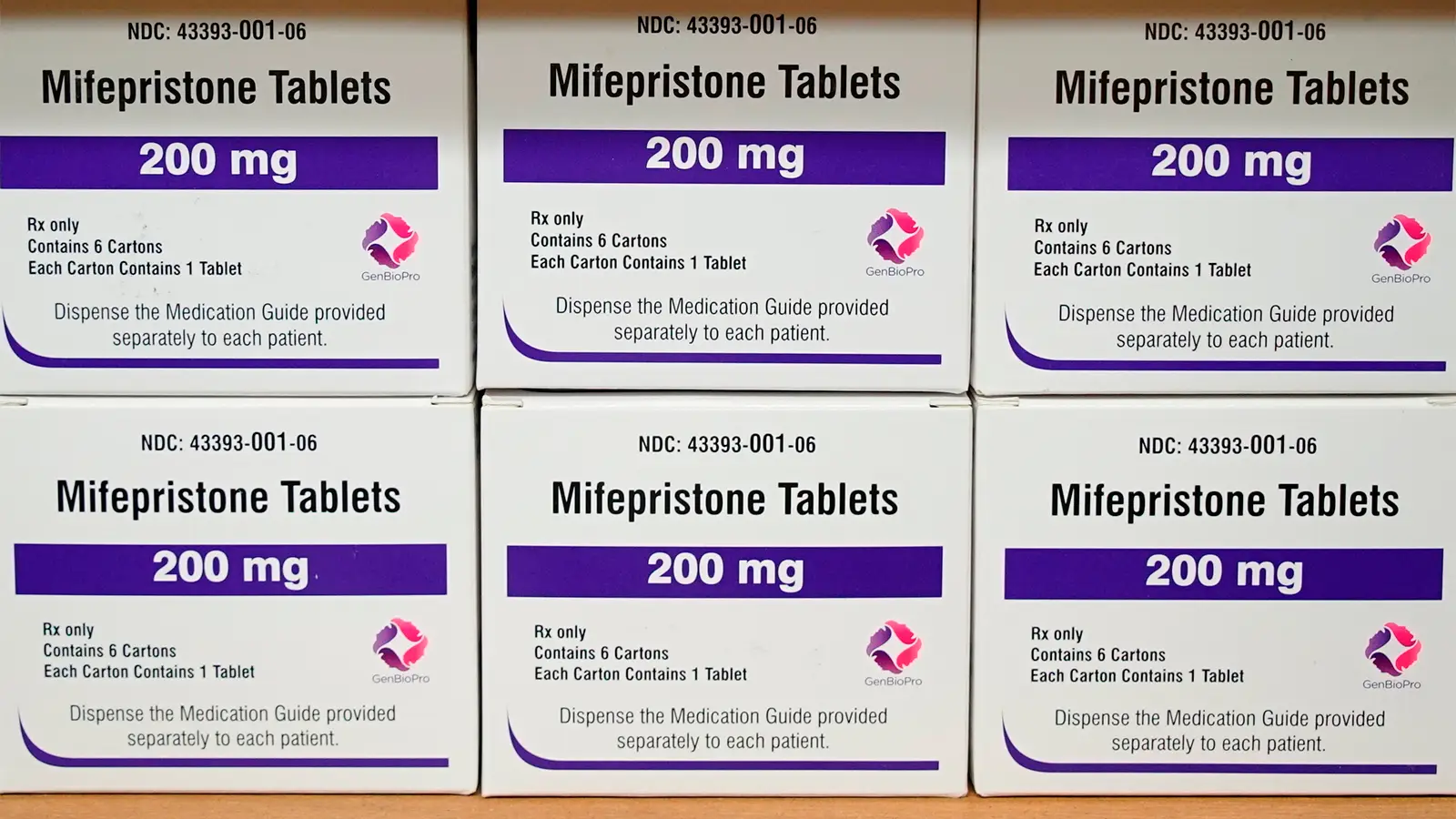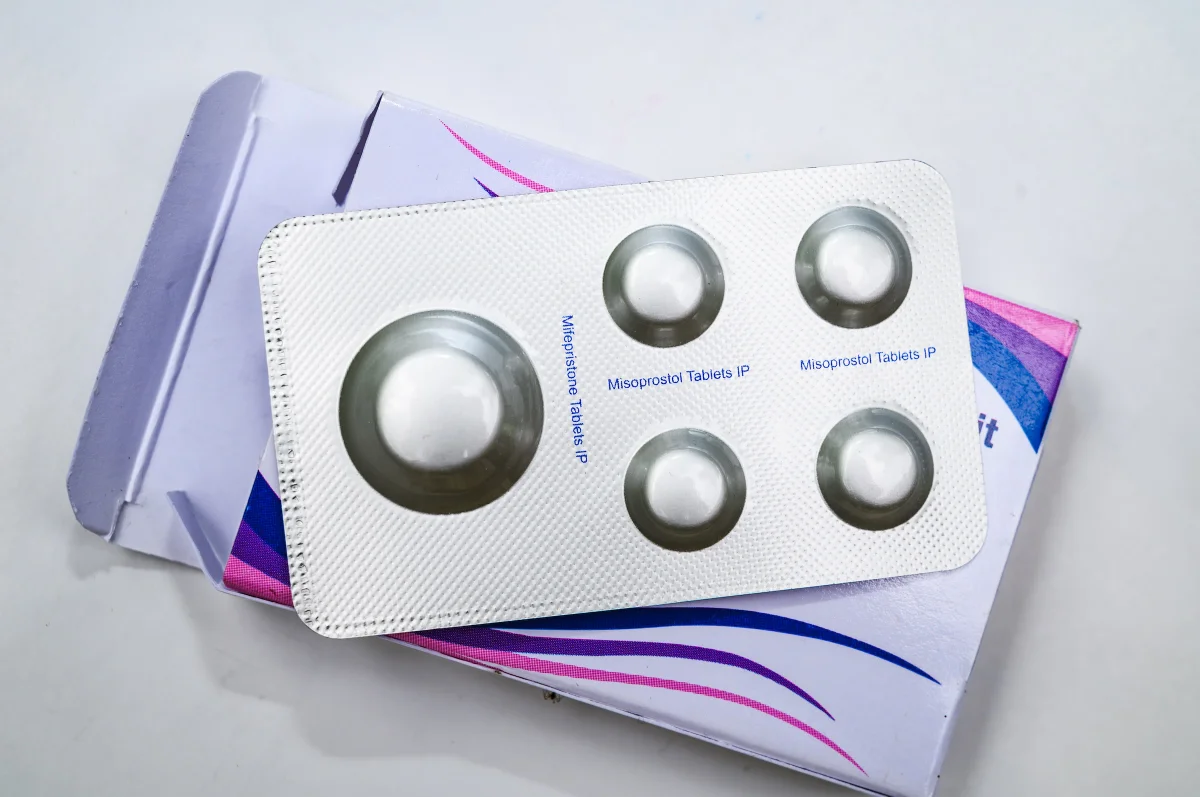
The nation’s top court extended a stay on a lower court order banning telemedicine access to mifepristone, a drug used in medication abortions—but the order sets up a longer legal fightBy Jackie Flynn Mogensen edited by Jeanna Bryner Soumyabrata Roy/NurPhoto via Getty ImagesJoin Our Community of Science Lovers!On Thursday the U.S. Supreme Court ruled to allow access by mail to the abortion drug mifepristone for now. The order effectively extends a previous stay issued by the Court on a lower court ruling that would have made it illegal nationwide to mail mifepristone. Only Justices Clarence Thomas and Samuel Alito dissented in Thursday’s ruling.At the heart of the case is a disagreement over Louisiana state law and virtual abortion access. In 2025 Louisiana filed a suit against the U.S. Food and Drug Administration in which the state objected to the use of mail-order mifepristone—something the FDA first allowed during the COVID pandemic—on the grounds that the drug carried potential risks and that prescriptions issued by telehealth providers and mailed into the state undermined its abortion ban. Earlier this year, the U.S. Court of Appeals for the Fifth Circuit ruled in favor of Louisiana, prompting two companies that make the abortion pill to ask the Supreme Court to step in. If the lower court’s ruing had gone into effect, it would have required those seeking mifepristone to access the medication in person.Mifepristone was approved by the FDA in 2000. It is typically used to induce abortion, often in combination with another drug called misoprostol. In the U.S., it can be used for pregnancies at up to 10 weeks of gestation. The overwhelming evidence suggests the drug is safe to use, but the Trump administration has opened a review into its safety and efficacy. Some experts say the review’s findings will likely be flawed at best and an exercise in cherry-picking data to support the administration’s views at worse.On supporting science journalismIf you're enjoying this article, consider supporting our award-winning journalism by subscribing. By purchasing a subscription you are helping to ensure the future of impactful stories about the discoveries and ideas shaping our world today.Editor’s Note (5/14/26): This is a developing story and may be updated.It’s Time to Stand Up for ScienceIf you enjoyed this article, I’d like to ask for your support. Scientific American has served as an advocate for science and industry for 180 years, and right now may be the most critical moment in that two-century history.I’ve been a Scientific American subscriber since I was 12 years old, and it helped shape the way I look at the world. SciAm always educates and delights me, and inspires a sense of awe for our vast, beautiful universe. I hope it does that for you, too.If you subscribe to Scientific American, you help ensure that our coverage is centered on meaningful research and discovery; that we have the resources to report on the decisions that threaten labs across the U.S.; and that we support both budding and working scientists at a time when the value of science itself too often goes unrecognized.In return, you get essential news, captivating podcasts, brilliant infographics, can't-miss newsletters, must-watch videos, challenging games, and the science world's best writing and reporting. You can even gift someone a subscription.There has never been a more important time for us to stand up and show why science matters. I hope you’ll support us in that mission.
U.S. Supreme Court allows access to mifepristone by mail—for now
The nation’s top court extended a stay on a lower court order banning telemedicine access to mifepristone, a drug used in medication abortions—but the order sets up a longer legal fight
566 words~3 min read