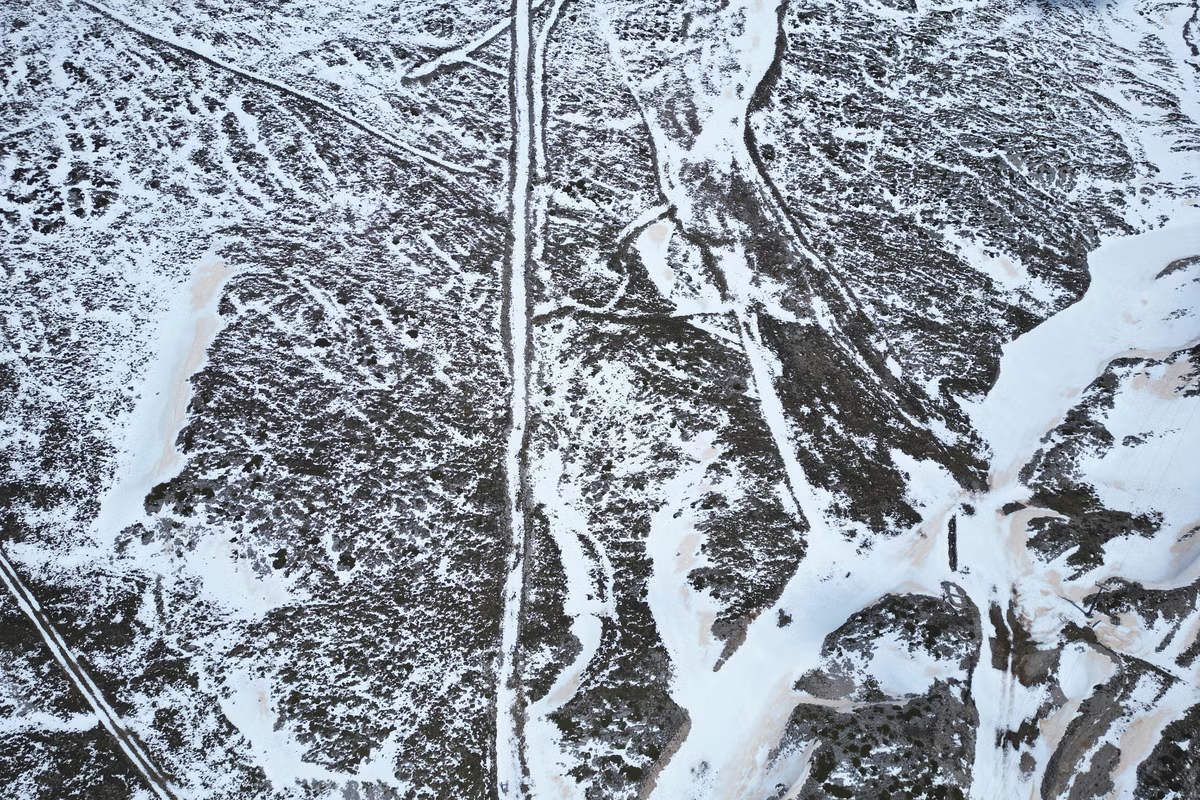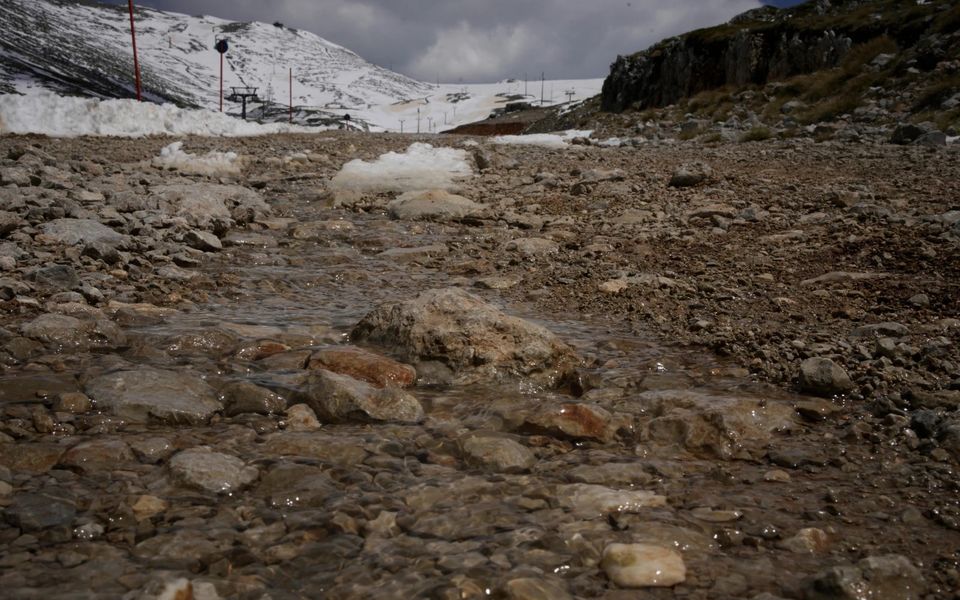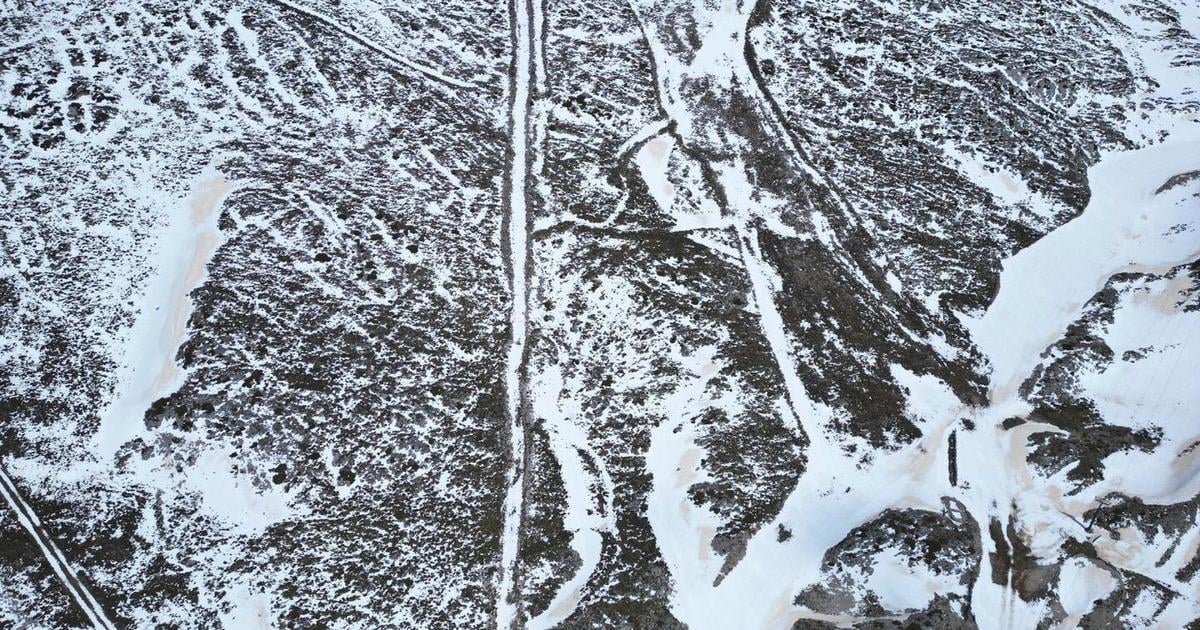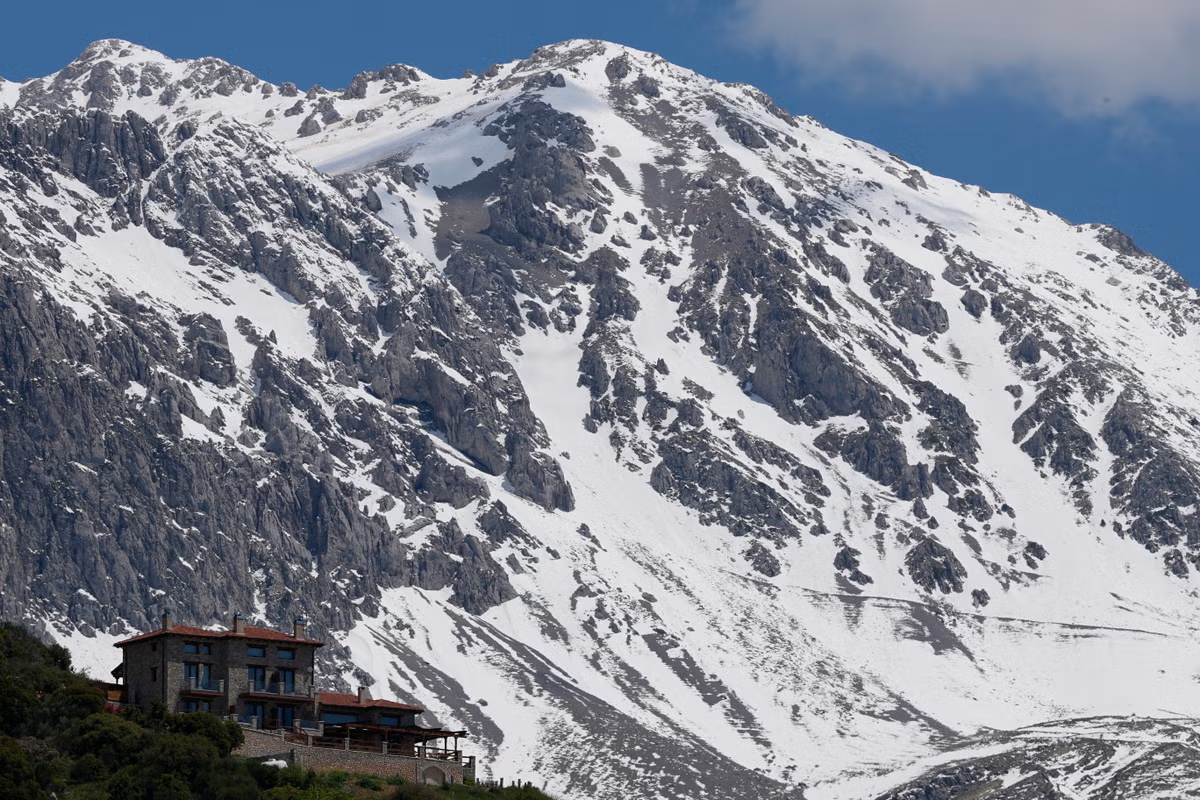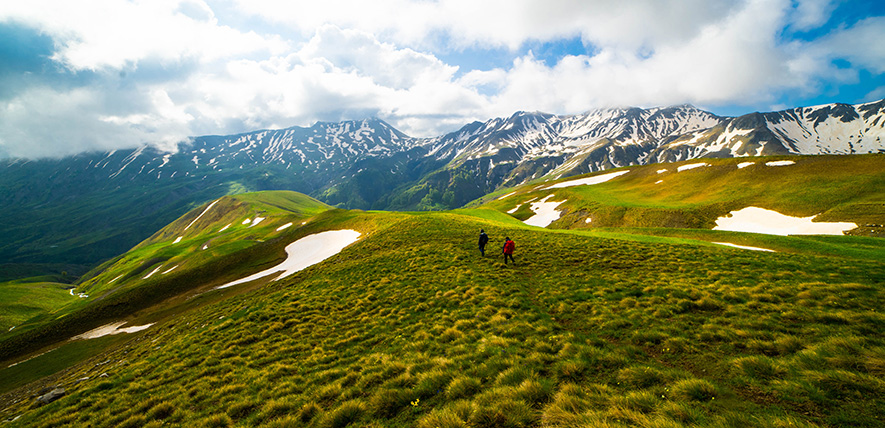
Snow cover in the mountains of Greece – an important water source for communities, agriculture and natural ecosystems during the dry summer months – has more than halved over the past four decades, a study has found.
An international team of researchers, led by the University of Cambridge, used a combination of satellite imagery, climate data, terrain maps, and artificial intelligence to analyse how rising temperatures in the Mediterranean region have affected snow cover on the mountains of Greece – a region that is far less studied than other mountain ranges of Europe, such as the Alps or Pyrenees.
Using the tool they developed, called snowMapper, the researchers found that snow cover has declined by 58% in the past forty years, and that the scale of decline has accelerated since the turn of the century. In addition, the snow season is both starting later and ending sooner.
Their results, reported in the journal The Cryosphere, suggest that the loss of snow cover is driven by an increase in temperature, not a change in the amount of precipitation. Warmer air means that more precipitation falls as rain instead of snow at high altitudes, depriving downstream rivers of the ‘slow release’ water supply that snow provides.