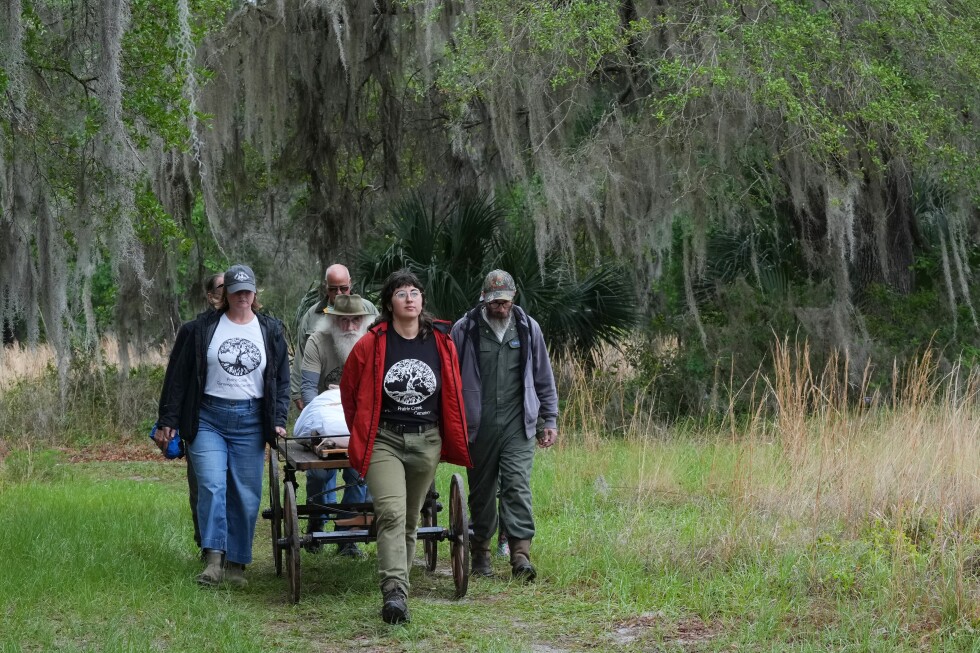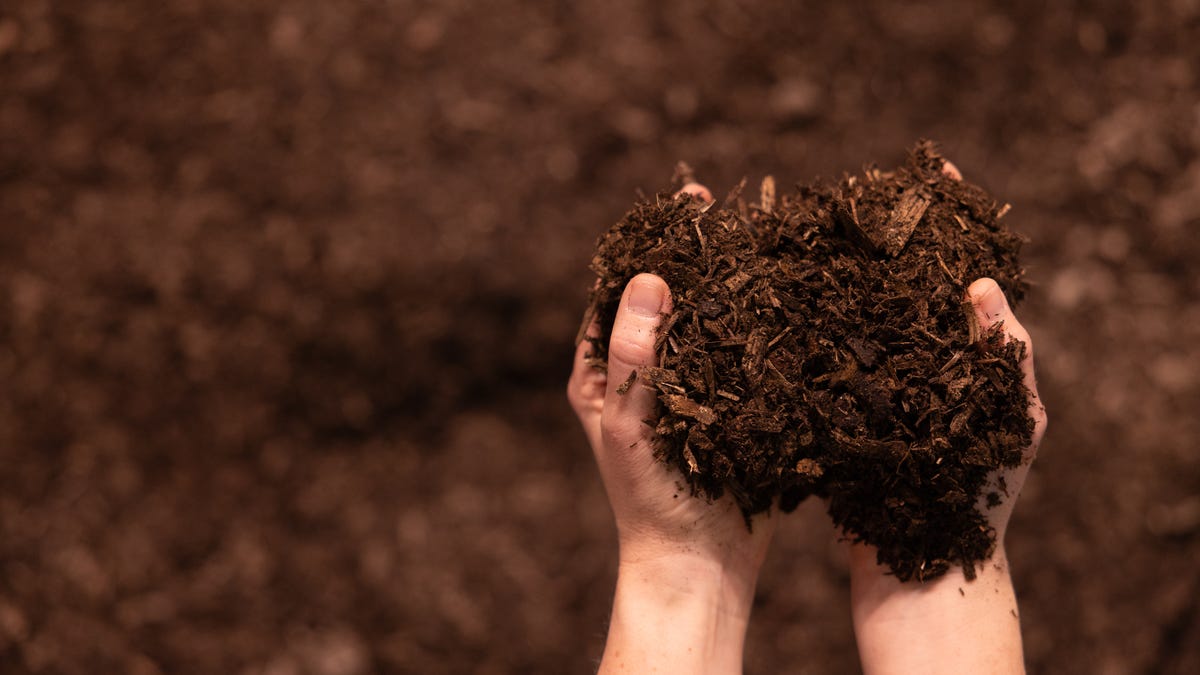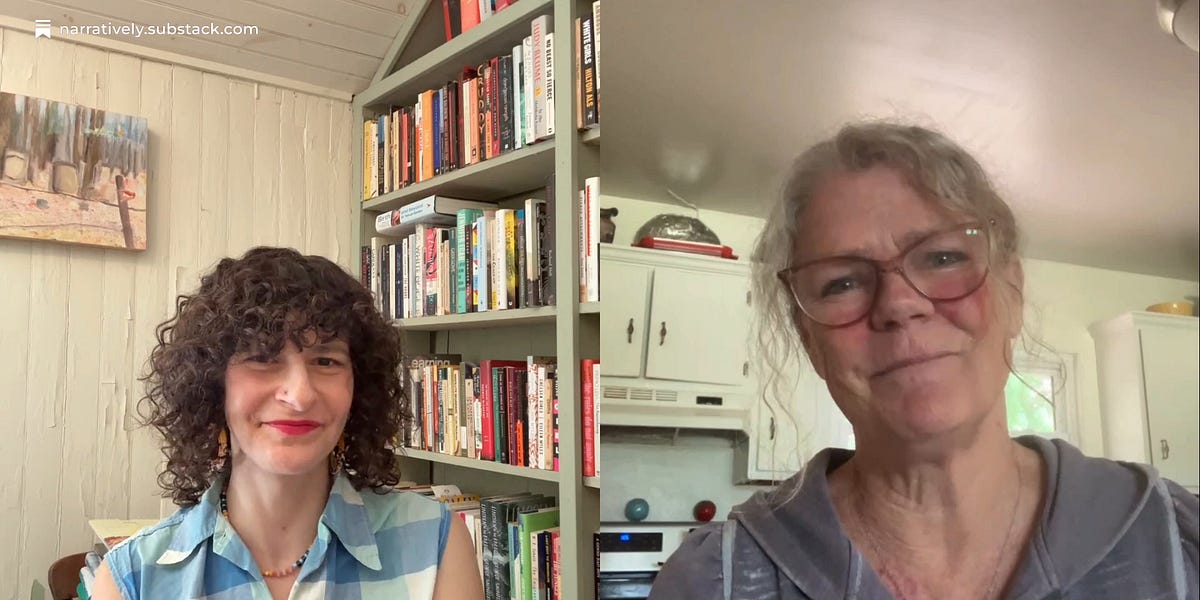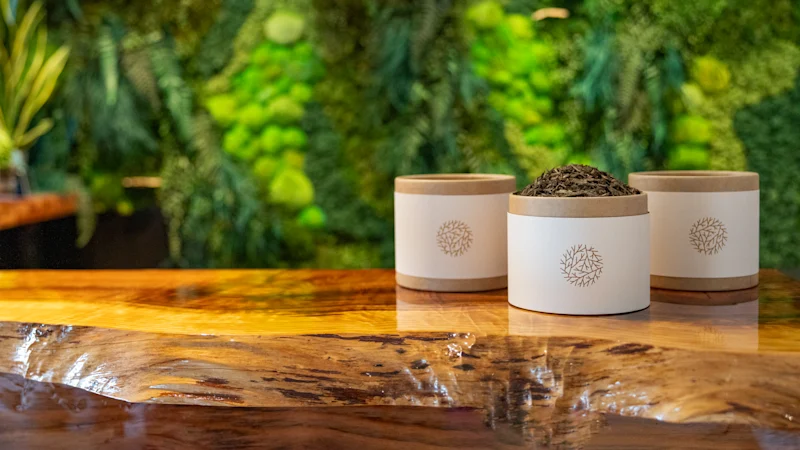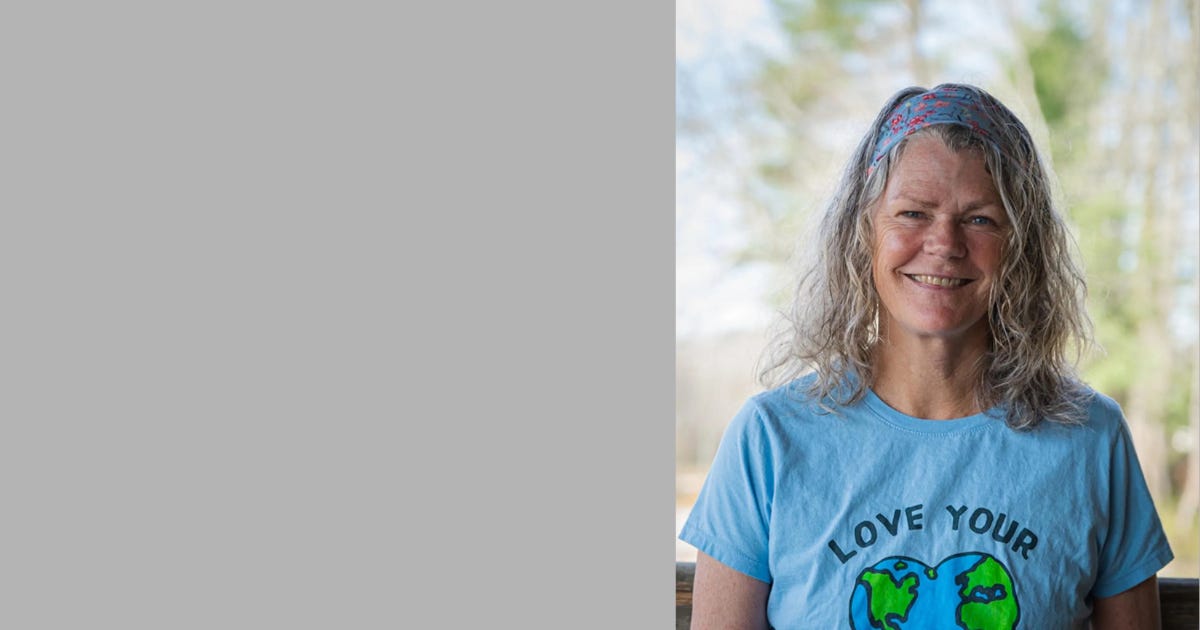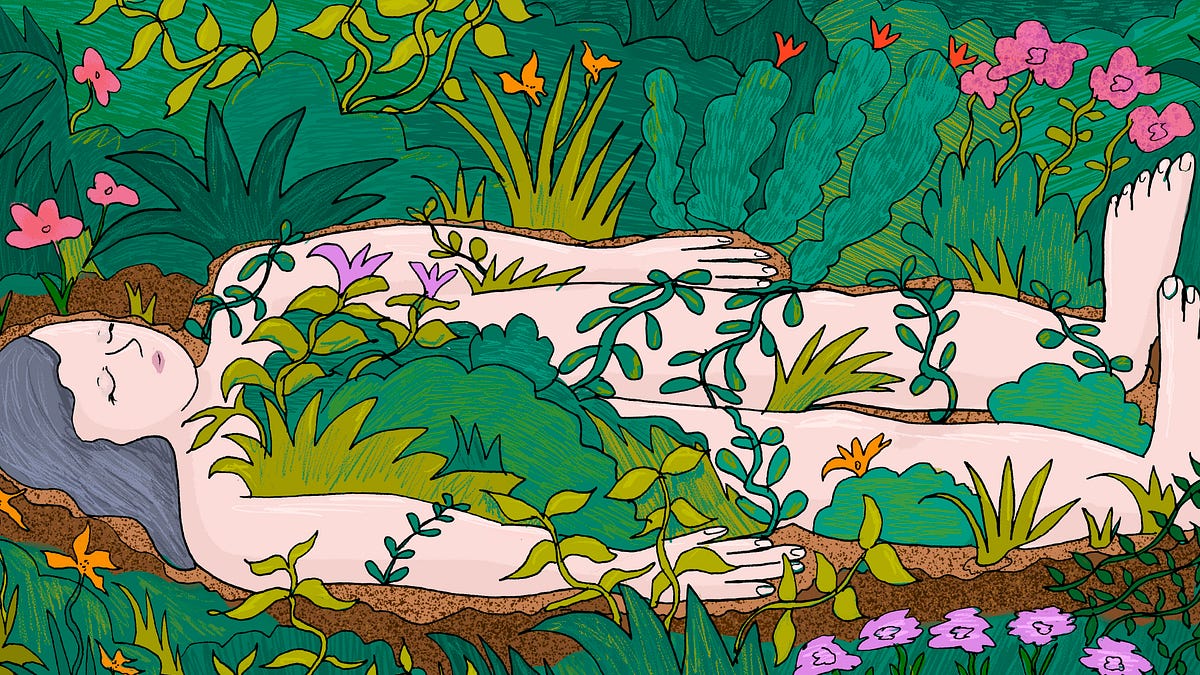
Among the things we looking for in a Narratively story is to learn about a world we know nothing about. When Mallory McDuff submitted her piece about alternative, sustainable methods of handling our bodies after we die, it immediately checked that box. It also happened to be a really great piece of writing otherwise, daring us to ponder some of life’s biggest questions — while also restoring a bit of our faith in humanity. Check out Mallory’s piece — the latest in our Personals section — below. Illustration by Jane Demarest | Story edited by Jesse Sposato | Audio produced by Tamara-Nicole Johnson “Is it weird that this place feels sacred?” my student whispered.“Not at all,” I said.A sophomore from my class approached me: “This sounds morbid, but I wish I could touch them. I’d never do it, of course, but I feel a connection.”We were walking among the dead in an outdoor human decomposition facility, known informally as a “body farm.” Before entering the open-air fenced enclosure, our group left phones in the two white vans we’d arrived in from the college campus where I teach environmental studies in western North Carolina.My 15 students and I stood among skeletons on the ground, decaying tissue hanging on bones. But in death, signs of life were juxtaposed in bold relief: vibrant-green chickweed growing between human limbs; maggots crawling around in a bloated stomach; a fungus turning human tissue bright orange.A few students held a scarf or bandana over their noses: Even in the outdoors, the smell of decay was inescapable — sweet, sour, earthy, and potent — an olfactory cocktail. Shaking their heads, two young men left the site to wait by the vans.Not everyone had a sacred moment with the dead.“Do you see that hip replacement? The chemo port? Gold teeth?” a student named Alex asked. On one skull, I saw patches of wiry gray hair, reminding me of my own. Exposed to sun, rain, insects and heat, these bodies, once just like ours, were decaying and returning to the earth.This unorthodox field trip last spring was one of several in my course at Warren Wilson College called “Death, Dying, and Climate Justice,” in which we were exploring sustainable end-of-life choices to align our values in life with plans for our death. We’d received special permission for this educational visit from Dr. Rebecca George, who, at the time, oversaw the decomposition research facility at Western Carolina University, where people can donate their bodies at no cost for forensic studies. In the U.S., there are eight such “body farms,” but the researchers here prefer the official name, Forensic Osteology Research Station. While one purpose of this facility is to help law enforcement solve crimes by studying how bodies decompose, research at this site has also contributed to the development of human composting, another sustainable method of disposition which transforms bodies into nutrient-rich soil.Dr. George was a compassionate and straightforward professor who shared invaluable advice with us in the gravel parking lot prior to our visit: “Be forewarned: If you throw up, you clean it up.” (Thankfully, no one did.)To be clear, I never intended to teach about death. I’m a 60-year-old single mom and environmental educator living in a 900-square-foot rental duplex on the campus where I’ve taught for more than two decades. I’m a big fan of life, even on my bad days. But several years before teaching this course, I’d begun research for a book to explore earth-friendly choices for my end-of-life plans. The project was in part inspired by the tragic, untimely death of my parents who had died when they were around my age in mirror-image biking accidents, two years apart, both hit and killed by teenage drivers.After my mom’s sudden death at 58, my father, a retired IBM salesman and suburban homesteader, shared his two-page directives for a green burial with a pine casket and no concrete vault. “I want family and friends to be in charge of my body, not a funeral home,” he told me and my siblings one night. “And remember, no embalming, which injects toxic chemicals into dead bodies.” I wasn’t ready to even think about his demise yet, only a month after we’d buried my mother in my hometown of Fairhope, Alabama, on the shores of Mobile Bay.My 62-year-old dad continued reading aloud his funeral plan, which included details such as bringing shovels so that the young and old could fill the grave, and inviting his bluegrass band to play iconic gospel tunes like “I’ll Fly Away.” I thought he was just grieving my mother, his partner in thru-hikes on the Appalachian and Pacific Crest Trails, and that we’d have ages together before we needed these instructions. But two years later, his plan gave me both grounding and momentum after the utter shock of his sudden death.On the first day of class, my hands shook with nerves and uncertainty.Though I’d chronicled my own journey revising my final wishes with climate, cost and community in mind for my book, I didn’t know how my students would confront matters of life, death and earth. What young person would be ready to plan for the end of their lives?I’d had a little practice talking about death and dying with my own kids. When writing my book, I engaged my two daughters as I learned about choices for my own body, such as the body farm, green burial, and aquamation, a type of cremation using water and an alkaline solution. My youngest was in middle school when I returned home from my first research visit to the Forensic Anthropology Program’s skeletal collection, which uses the bones from the body farm after decomposition for research and education.“Absolutely not,” she said, when I’d asked her opinion about the body farm as my final resting place. “I do not want people studying your naked body in a field.”I understood her point, of course. No teenager wants to imagine her mother’s body decaying outdoors, while researchers document the process. But I taught at a college where all students work on campus in hands-on jobs ranging from farmer to fiber artist. These were young people looking for ways to craft a better world for all. While so much felt overwhelming with the disruptive headlines each morning, this was something we could actually control. We were the only ones who could make plans for our deaths.“Seeing these corpses…brought up a whole lot of grief about the people I have lost and the people I will lose,” wrote one of my students in a reflection after our visit to the body farm. “I am now in a state of hyper-awareness of the preciousness of life. It was strangely peaceful and comforting to see we are all just dirt after we die.”Another week, our class traveled to Carolina Memorial Sanctuary, a nearby conservation cemetery where easements protect the land from development in perpetuity, meaning the land will remain as green space forever. “This looks more like a park than a cemetery,” a student said. “I wish my best friend who’d died in high school could have been buried here.”An alum of our college worked there as a land steward and dug graves for green burials with biodegradable caskets or shrouds. In our readings, my students studied the negative environmental consequences of conventional burials, which turn a cemetery into a landfill underground with formaldehyde, concrete and exotic hardwoods. They learned, too, about how flame cremation has more of an environmental impact from burning fossil fuels than aquamation, which is now legal in 28 states.For their final exam, students had to complete their advance directives, including a living will and health care power of attorney. I also asked them to document their plans in a two-page letter to family and friends and create an artistic expression reflecting lessons learned along the way. They even wrote their own obituaries. I guess you could call it a comprehensive exam.On a warm afternoon last May, we gathered for the final, sitting in camp chairs in my front yard, overlooking the mountains and a herd of cows nearby. Many of the students had chosen green burial for disposition of the body, but added details like picnics by the gravesite. “Make my banana bread to eat at the potluck,” one said. “The recipe is located in my green drawer.”Their youthful lens added levity to the planning, as they seemed both young and wise at the same time. “If you are reading this, then in all likelihood, I am dead,” another said. “While I may be gone, you can carry my love with you for the rest of your lives.” She described a celebration of life with an ice cream truck and sunflowers at the altar with seeds for each person to take home to plant. “I would like a green burial with no embalming or vault. And I’d like to be buried with my stuffed animals Monkey and Molly.”I tried not to eavesdrop as they read aloud in groups of four. I would read each and every word later that night and marvel at the meaningful details they chose to include. Each plan felt like poetry to me.“Gather together! Celebrate life! Come one, come all! Bring your parents, your lovers, your friends, your dogs,” shared a senior. “And Sweet Jesus, please — do not read my journals! Burn them if you have to!”How could I feel such inspiration for living by hearing about the end of my students’ lives? I knew they had lost best friends, parents, grandparents — to cancer, collisions, overdose, old age. They were not uninitiated novices. In an earlier assignment, I had asked them to interview older family members about past traditions around death. These weren’t easy conversations. Yet, during this final exam, what they showed me and each other was unmistakably hope. They showcased their original paintings, songs, and even a quilted shroud, which a student named Dakota displayed. “I call it a Death Snuggie,” they said, crawling into the hand-quilted fabric.Where were my parents during that afternoon honoring this earth, our climate, our connections to each other? I can’t be sure, but I do remember how my father lovingly grieved my mom for the last two years of his life.“Anytime I talk about Ann or hear other people’s stories, I feel closer to her,” he said. “I miss her every single day, but this is how I can hold her now.”I refuse to look for silver linings in deaths that come too soon, in my little family or across the world. But I also learned from my students how we can create meaning by protecting the people and places we love — in community with each other and in the stories we choose to share.“Honor my frugality even after death; don’t pay for more than you have to,” one last student read from her directives. “If you can, help to weave a willow casket, and if not, wrap me in my bed sheets and carry me to the grave. Don’t be squeamish, y’all. It’s still me, just a little dead.”She continued: “I’ll miss you all, but know I am still around. I’ll be tending to your gardens and sauntering around your forests. I love you. And I’m waiting for you.”At graduation, the mother of one of my students pulled me aside to say her entire family was revisiting their final wishes. “It’s the ripple effect,” she told me, one hand on my shoulder. “And that is sometimes how change happens.”Mallory McDuff is the author of five books, including Our Last Best Act: Planning for the End of Our Lives to Protect the People and Places We Love and Love Your Mother: 50 States, 50 Stories, and 50 Women United for Climate Justice. Her essays have appeared in The New York Times, Time and more. She teaches environmental education at Warren Wilson College.Jesse Sposato is Narratively’s executive editor. She has also written about feminism, friendship, culture and parenting for a variety of outlets, including Vanity Fair, InStyle, Slate, HuffPost, Memoir Land, The Rumpus and more. She is currently working on a collection of essays about coming of age in the suburbs, discovering punk rock and being boy crazy. Jane Demarest is an illustrator based in Philadelphia. Some of Jane’s clients include McSweeney’s, Courtney Barnett, Field Meridians, Off Assignment, Phish and Wilco. Their work has been recognized by the American Illustration Awards.
How to Turn a Human Body Into Soil, and Other Things I’ve Learned
After my parents’ tragic, untimely deaths, I began to teach—and learn alongside—my students about how our bodies can nourish the land after we die. What we saw empowered us all.
2,066 words~9 min read