This article is part of our coverage of the latest in AI research.
Researchers at Ubiquant have proposed a new deep learning architecture that improves the ability of AI models to solve complex reasoning tasks. Their architecture, the Universal Reasoning Model (URM), refines the Universal Transformer (UT) framework used by other research teams to tackle difficult benchmarks such as ARC-AGI and Sudoku.
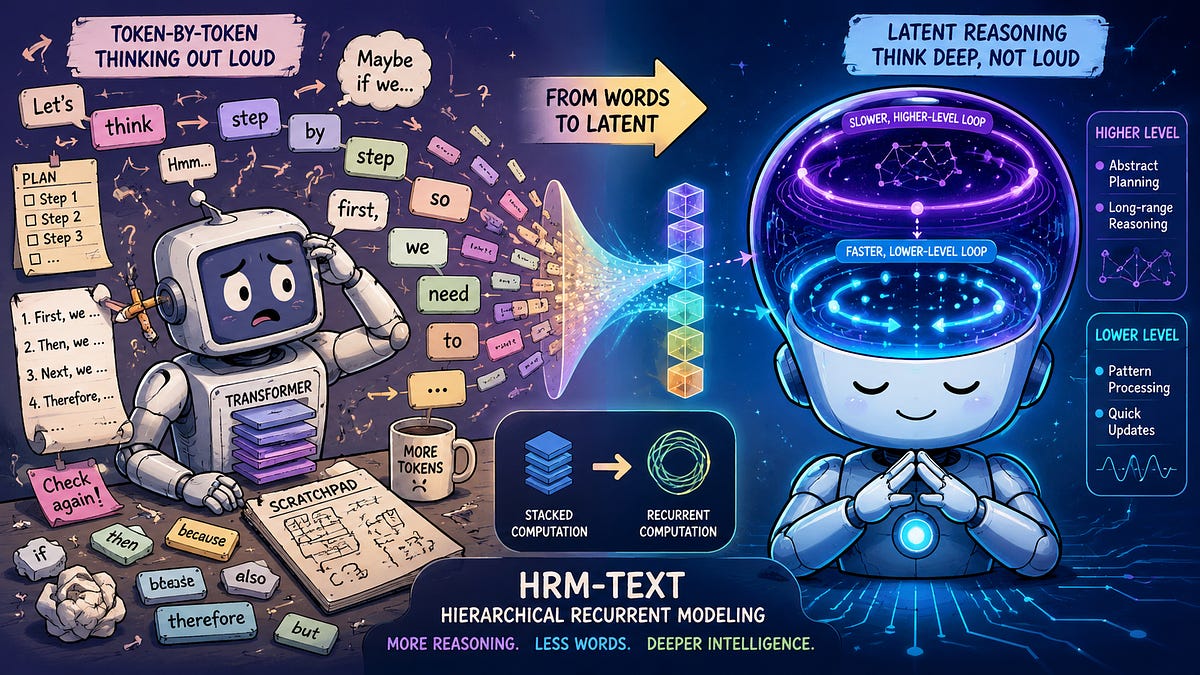
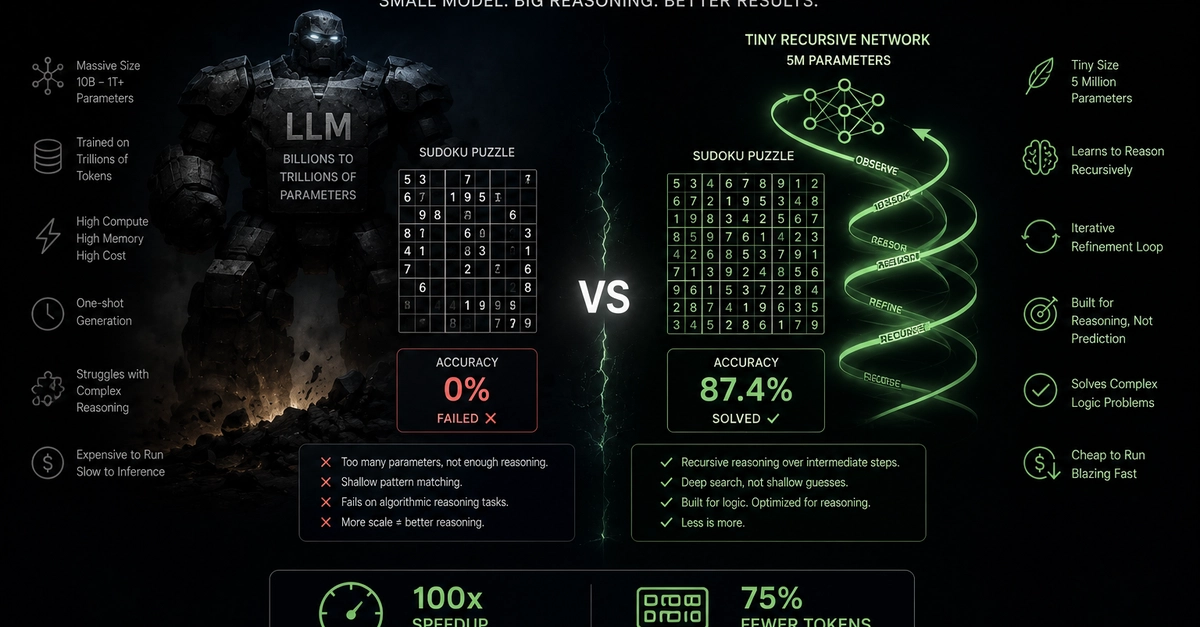
While recent models like the Hierarchical Reasoning Model (HRM) and Tiny Recursive Model (TRM) have highlighted the potential of recurrent architectures, the Ubiquant team identified key areas where these models could be optimized. Their resulting approach substantially improves reasoning performance compared to these existing small reasoning models, achieving best-in-class results on reasoning benchmarks.
The case for universal transformers
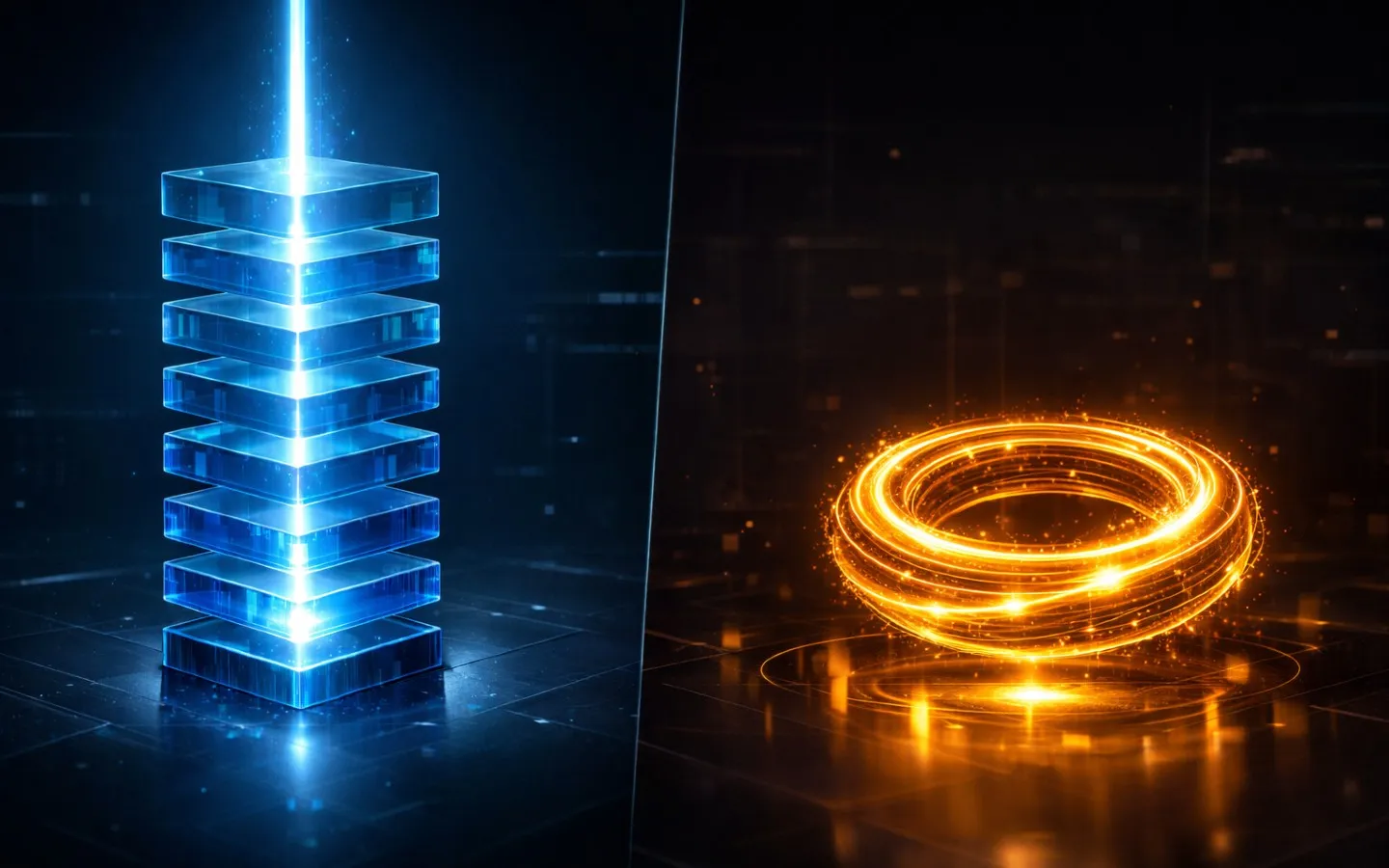
To understand the URM, it is necessary to first look at the Universal Transformer (UT) and how it differs from the standard architecture used in most large language models (LLMs). A standard transformer model processes data by passing it through a stack of distinct layers, where each layer has its own unique set of parameters.