Threat actors are exploiting the rapid adoption of AI agents by designing malware that targets the agent itself. A new malware campaign, known as GhostClaw or GhostLoader, targets AI-assisted workflows and GitHub repositories to deliver credential-stealing payloads.
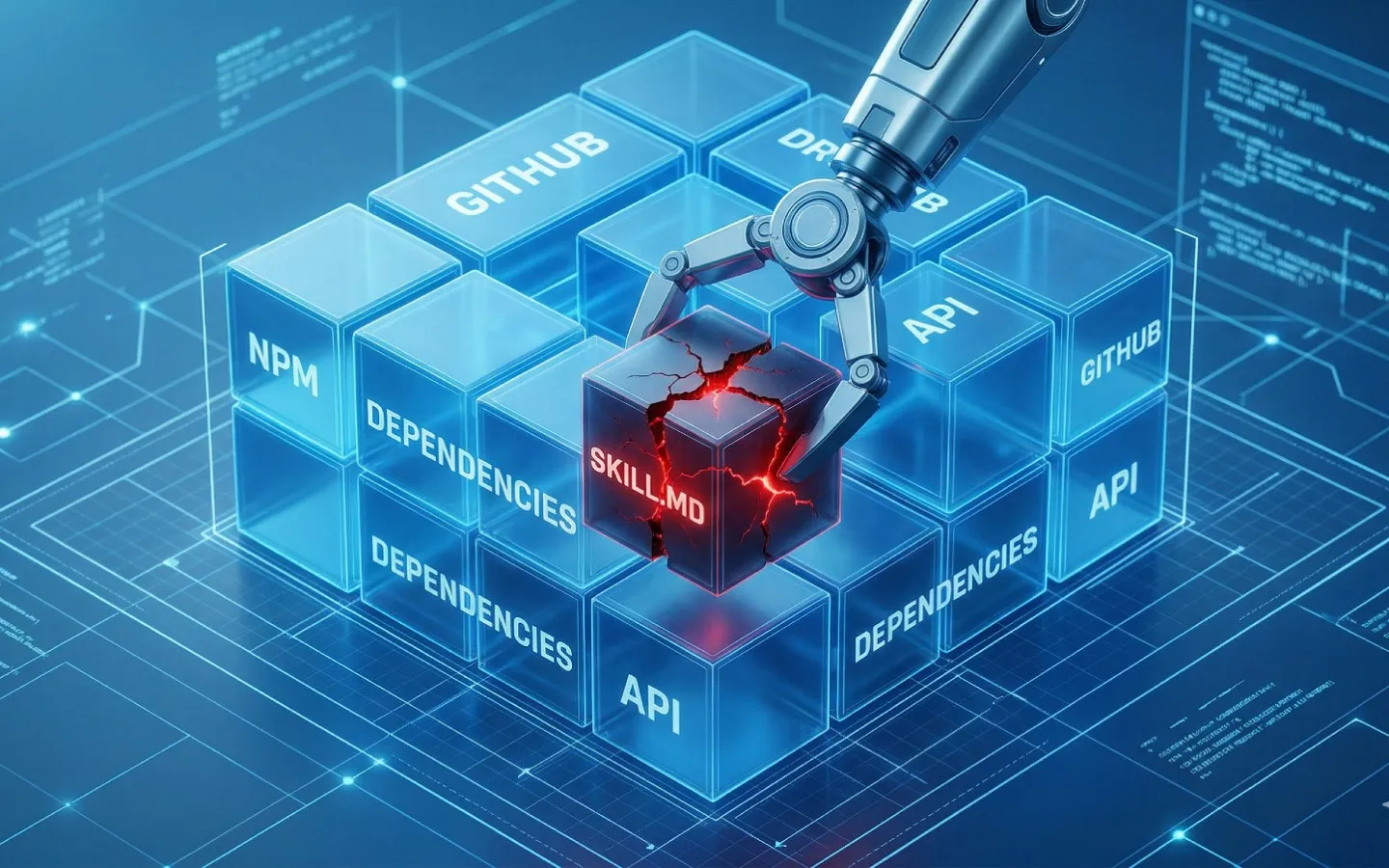
First discovered by JFrog Security Research and later analyzed by Jamf Threat Labs, GhostClaw represents a new vector in software supply chain attacks. Instead of exclusively relying on human developers to download malicious packages, the operators build traps for AI agents like OpenClaw to trigger autonomously. Once executed, the malware establishes a persistent Remote Access Trojan (RAT), harvesting system credentials, browser data, developer tokens, and cryptocurrency wallets.
The campaign preys on the high-level system permissions developers grant to local AI agents. GhostClaw shows how the bot is becoming the primary attack surface and should be a wake-up call for development teams relying on these frameworks to automate coding tasks.
The mechanics of GhostClaw
To understand how GhostClaw operates, you first need to look at how developers deploy new AI tools. OpenClaw is an open-source AI agent that acts as an autonomous, always-on coding assistant. Because it requires significant compute power to run local models continuously, its popularity has sparked a global surge in Mac Mini sales. Developers use Apple’s unified memory architecture to host these resource-heavy local AI servers.