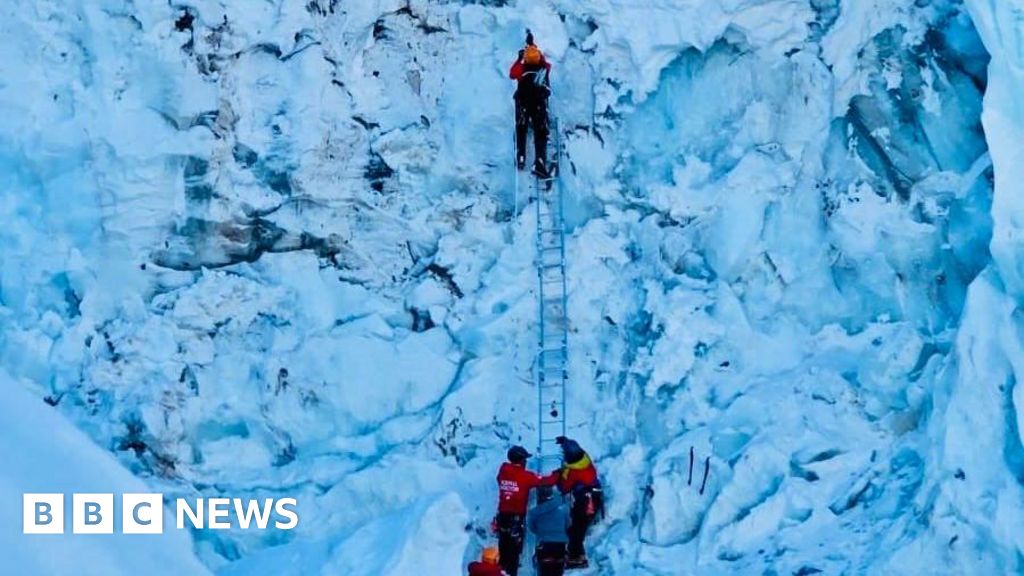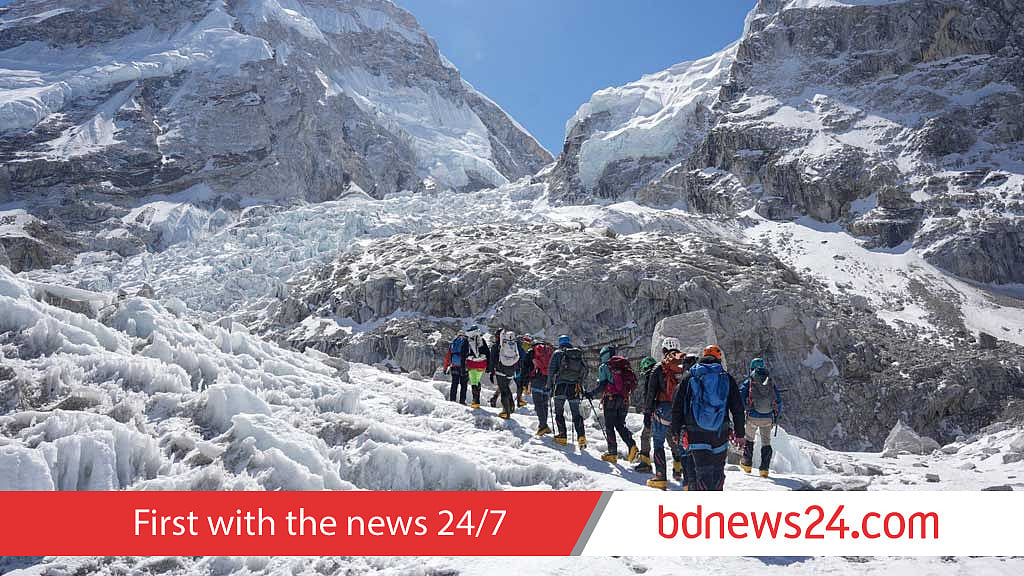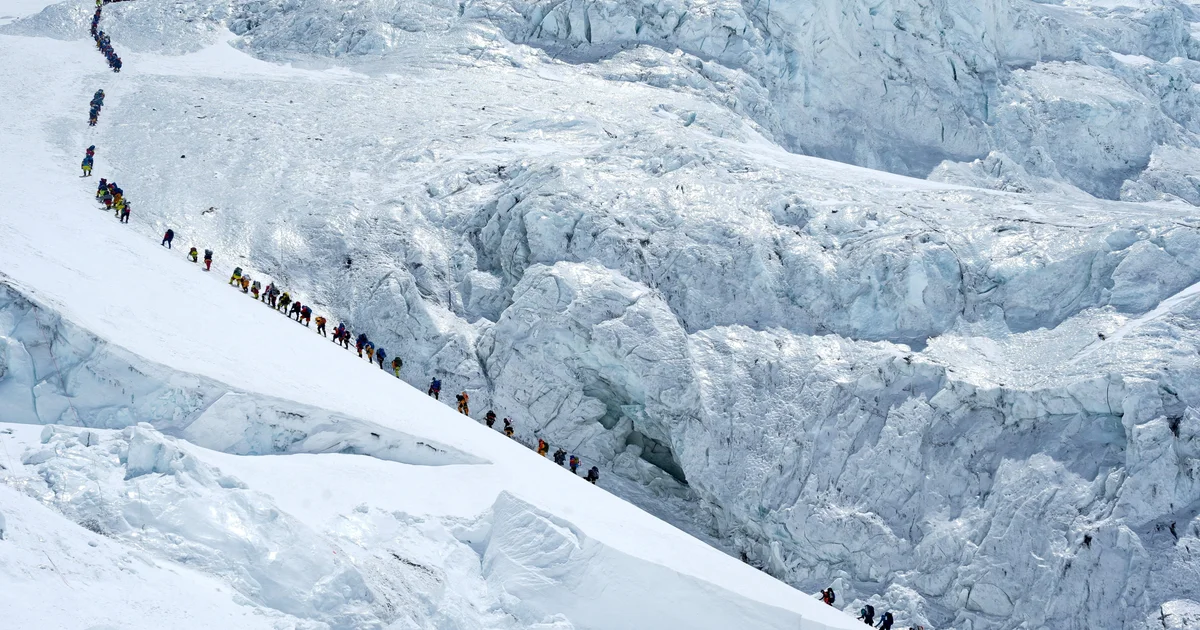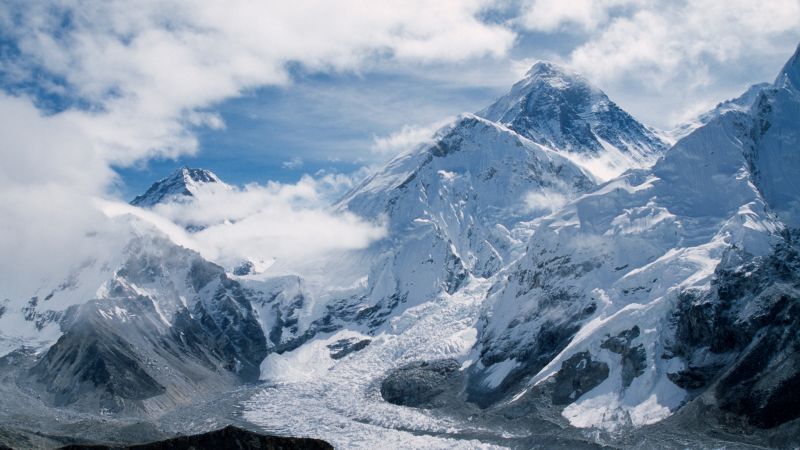
Climbing Mount Everest is getting safer, a new study shows, though the world’s highest peak remains dangerous enough that almost one in 100 who try it don’t make it home.
The work, led by Paul Firth, an experienced mountaineer and associate professor of anesthesia at Harvard Medical School and Massachusetts General Hospital, builds upon his earlier research into high-altitude deaths on the mountain since the first recorded summit attempt, George Mallory’s expedition of 1921.
Firth and colleagues want to better understand what happens to the human body at high elevations to guide efforts to make climbing safer. That initial research, published in 2009, found that cerebral edema likely played a role in many more high-altitude deaths than was previously understood.
The condition develops in regions of low oxygen like Everest’s “death zone” above 26,200 feet, or five miles up. Fluid leaks into the brain, causing headaches, extreme fatigue, coordination problems, and impaired judgment, any one of which presents a hazard in conditions where a single mistake can cost your life.
“Contrary to perceptions and media reports, things are actually safer now, but still very dangerous,” Firth said.