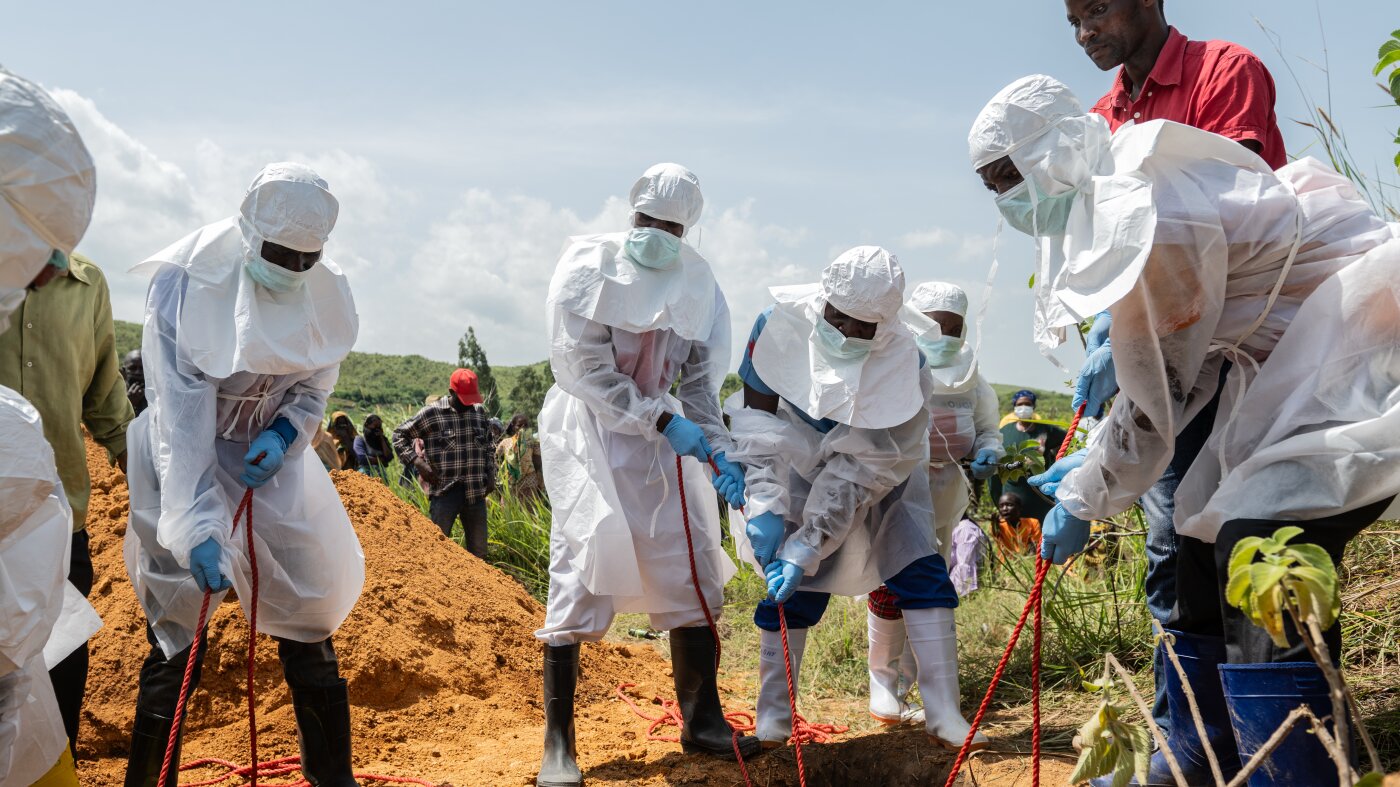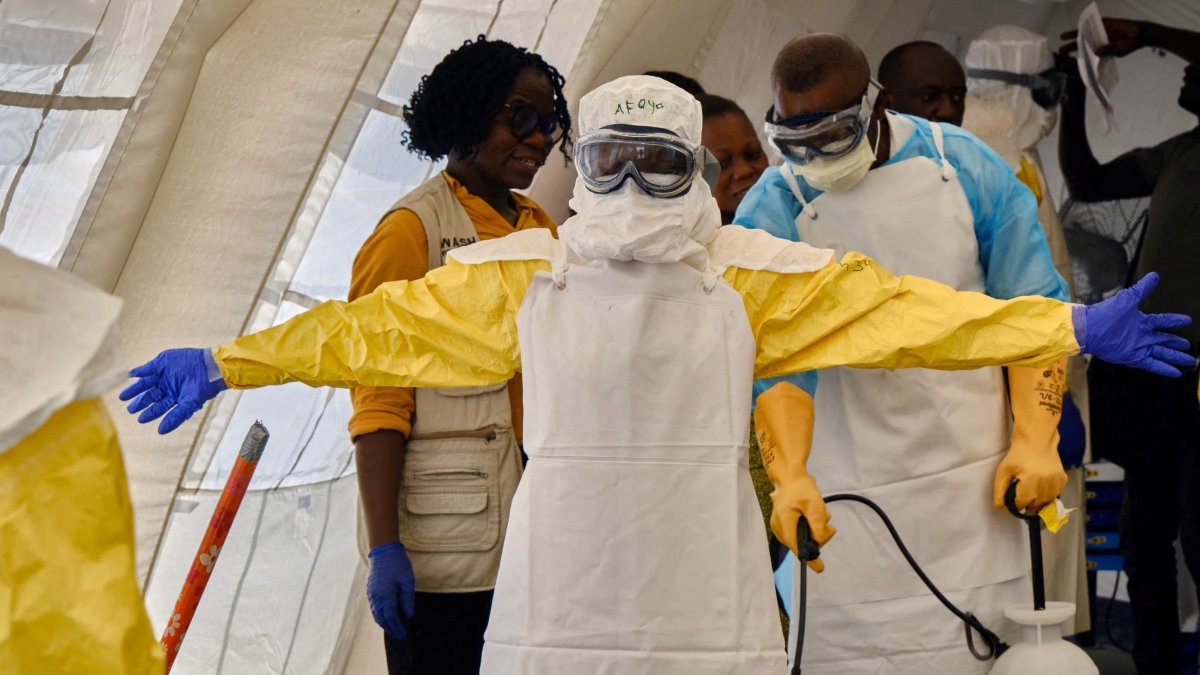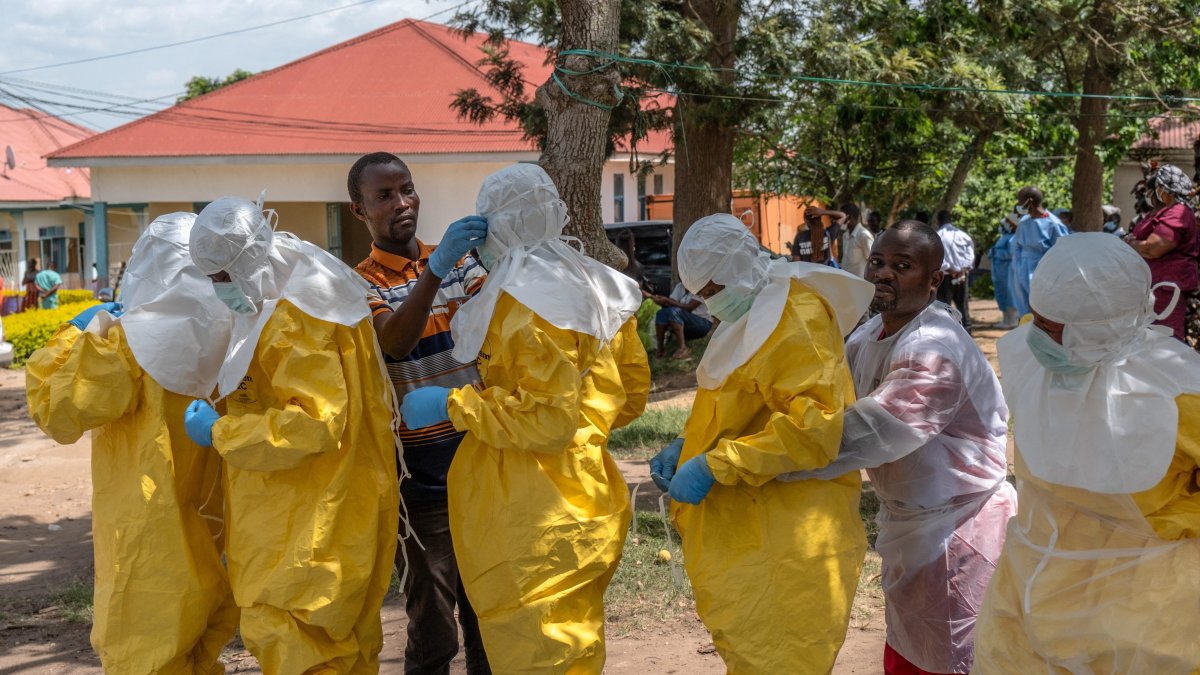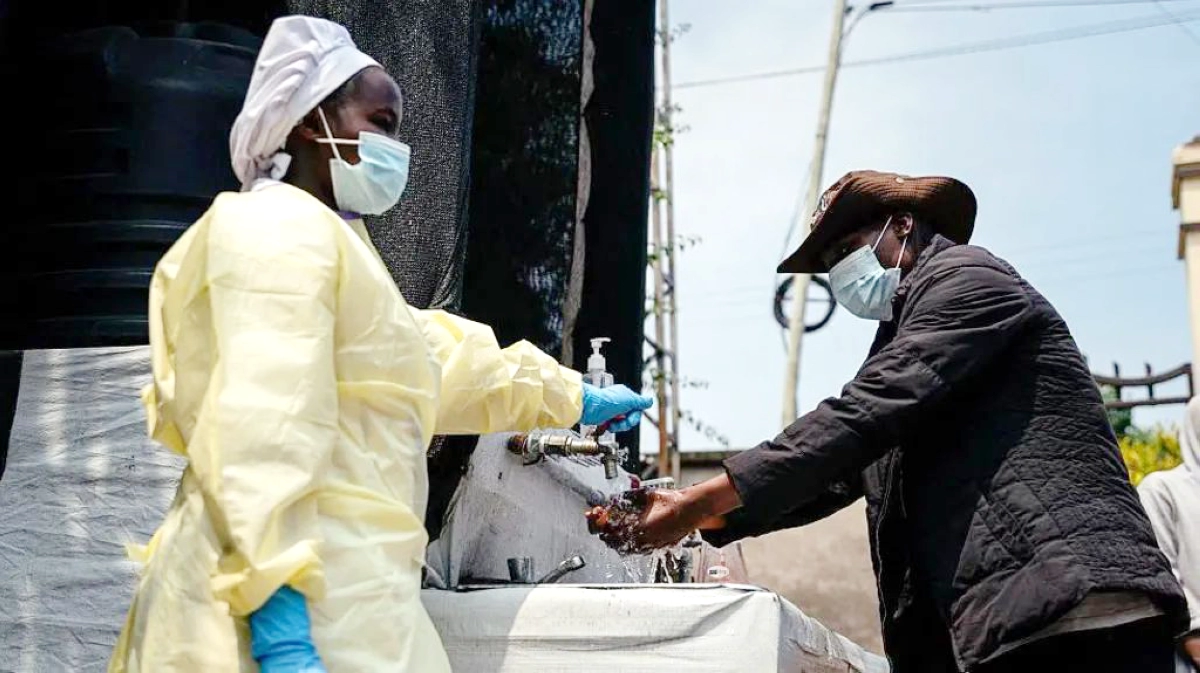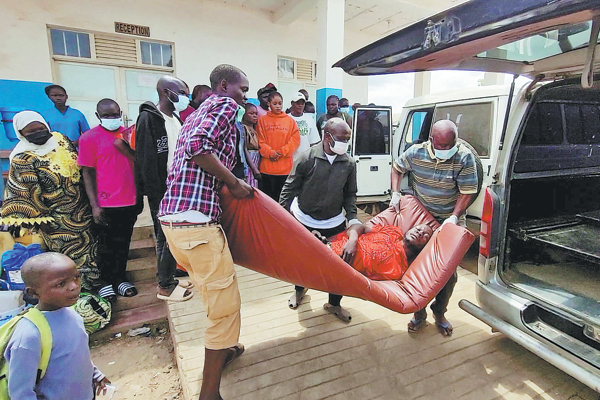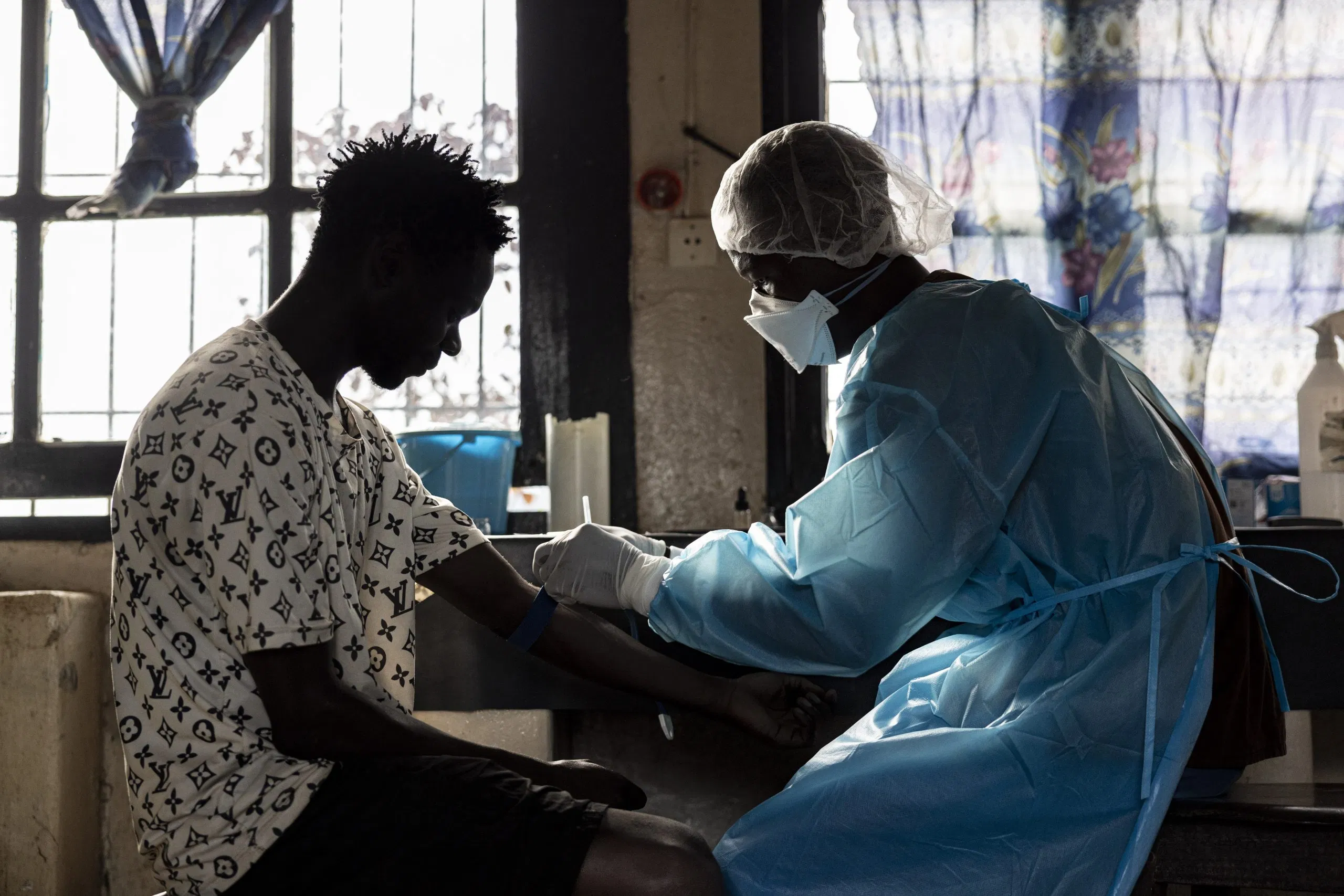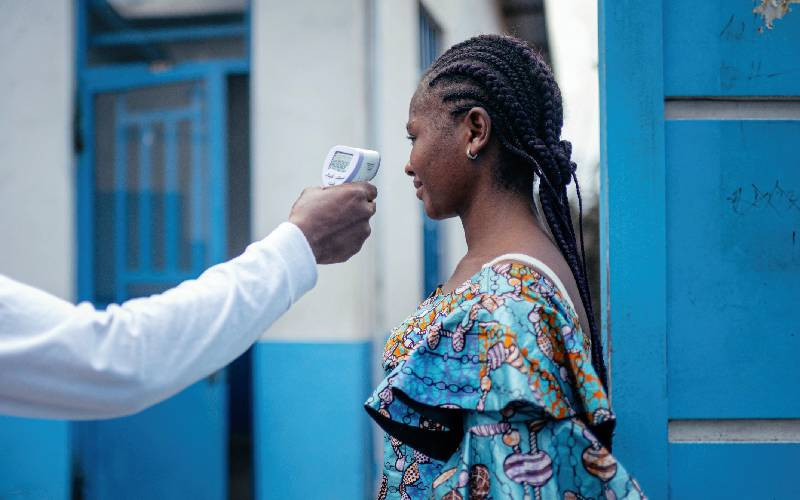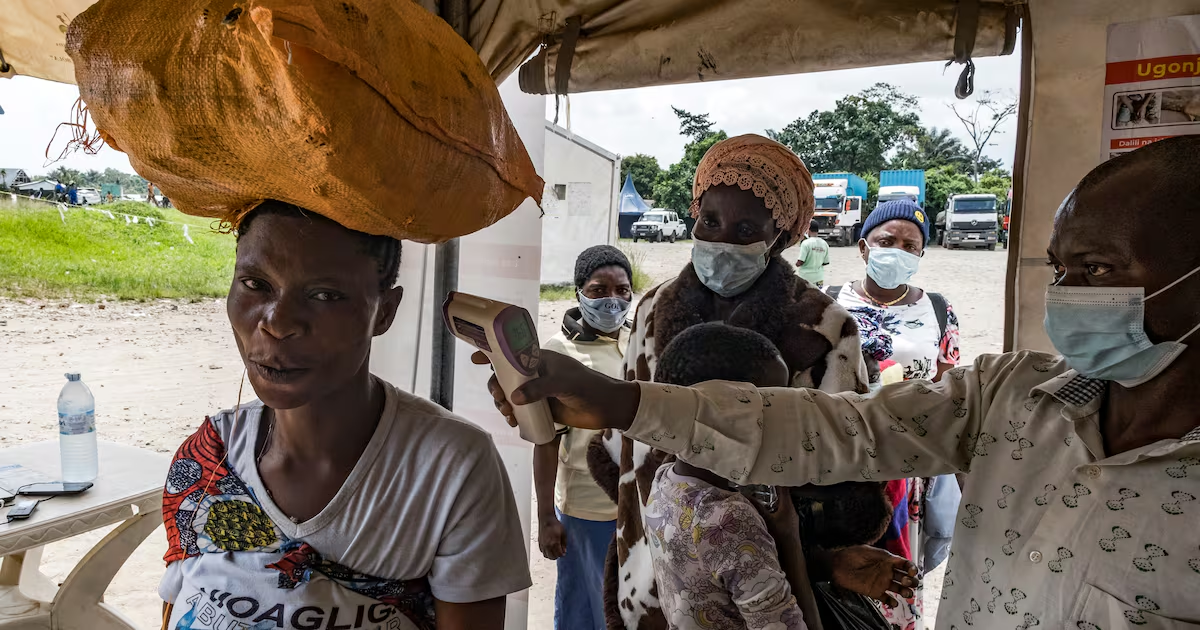
The Ebola outbreak in the east of the Democratic Republic of Congo (DRC) has brought fresh suffering to people already dealing with the impact of armed conflicts driven by an international scramble for mineral wealth.Ebola strikes victims of the global contest for mineralsWith at least 130 deaths believed to be linked to Ebola and more than 500 suspected cases, the head of the World Health Organisation (WHO) said on Tuesday that he was deeply concerned about the scale and speed the outbreak in the DRC. Tedros Adhanom Ghebreyesus told the World Health Assembly in Geneva that surveillance, contact tracing and laboratory testing is made more difficult by the impact of conflict in the region where most cases have been reported.“Fighting has escalated significantly over the past two months, resulting in civilian deaths,” he said.“Over 100 000 people have been newly displaced, and in Ebola outbreaks, you know what displacement means. The area is also a mining zone, with high levels of population movement that increase the risk of further spread.”Ebola is spread through direct contact with bodily fluids from an infected person and it has an average fatality rate of 50 per cent, according to the WHO. There is no approved treatment or vaccine for the Bundibugyo strain, which is driving the current outbreak, making early detection of new cases more urgent.Years of conflict driven by militias have left more than two million people internally displaced in Ituri and North Kivu provinces, many of them already weakened by severe malnutrition. Much of the conflict in the eastern DRC is linked to competition for access to its mineral resources and the area where the Ebola outbreak is concentrated has rich deposits of gold, tin and coltan. Coltan ore contains tantalum, which is used in the production of smartphones, medical devices and weapons systems.These mineral reserves have made the region interesting not only to militias like the Rwandan-backed M23, which controls much of North Kivu, but to the world’s great powers. Chinese companies control about 80 per cent of the DRC’s mineral wealth, but the Trump administration last December signed a strategic mineral partnership with Kinshasa aimed at securing more mining rights for American companies.The transition to renewable energy and the expansion of data centres to power AI is driving an acceleration in electrification that has pushed up the demand for critical minerals. After many western mining companies left the DRC during the 2010s because of difficult operating conditions, Chinese companies moved in with the support of cheap loans from state banks.China last year signed a $1.4 billion deal with Zambia and Tanzania to renovate the TAZARA railway that links the Central African copper belt to Indian Ocean ports. The US and the European Union are investing in an alternative rail route, the Lobito Corridor, that links the region to the Atlantic coast of Angola.Meanwhile, the effort to contain the Ebola outbreak in the DRC’s mining areas comes as global health funding is under pressure after the US and many EU member-states cut aid budgets, with the Europeans using the savings to fund higher defence spending.Please let me know what you think and send your comments, thoughts or suggestions for topics you would like to see covered to denis.globalbriefing@irishtimes.com
Ebola outbreak made worse by conflicts
Democratic Republic of Congo’s armed conflicts are driven by an international scramble for mineral wealth
537 words~2 min read