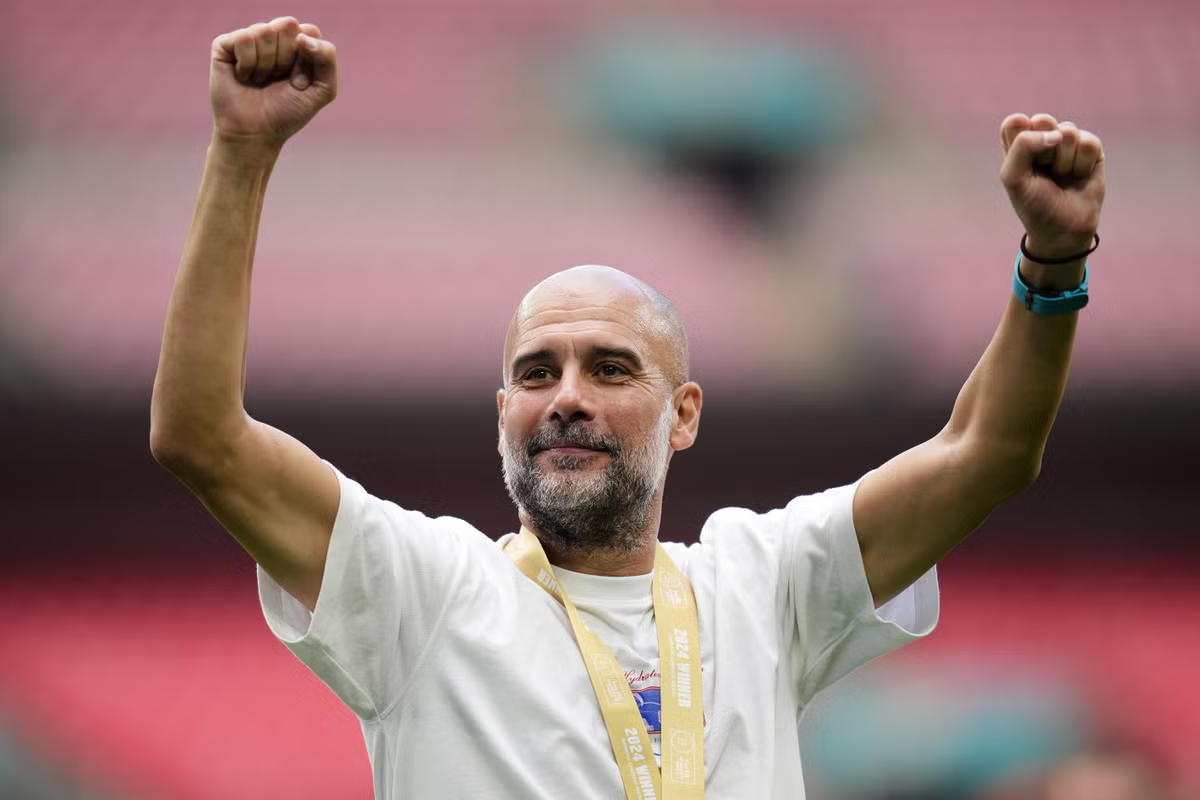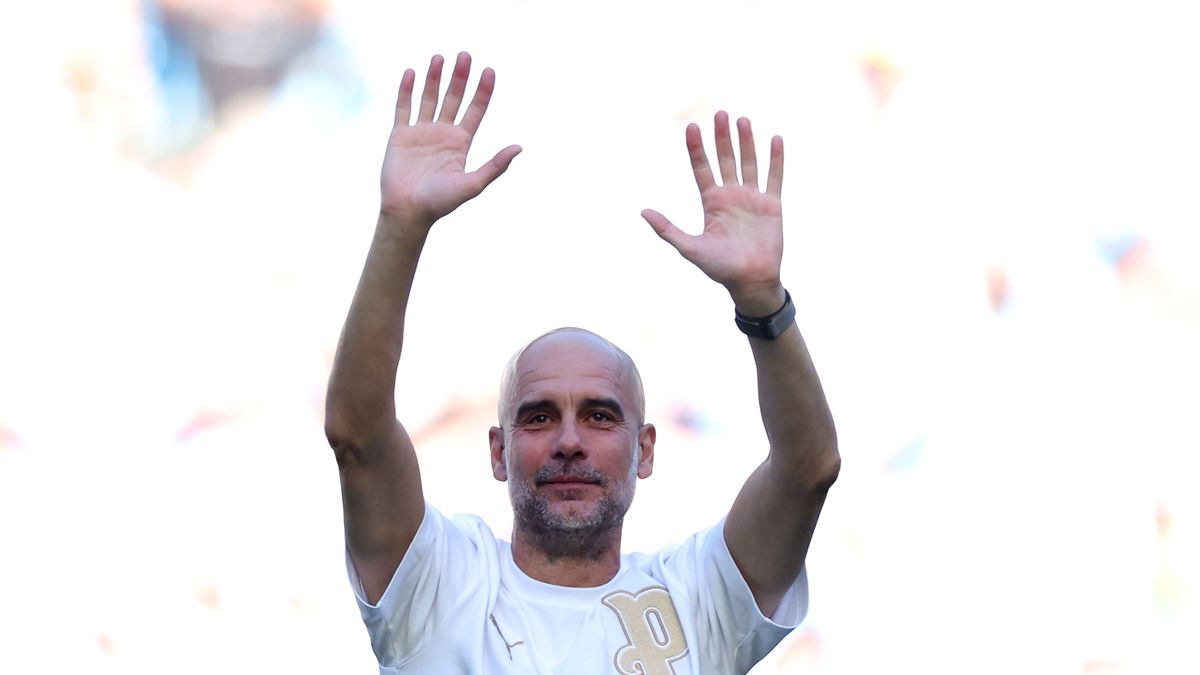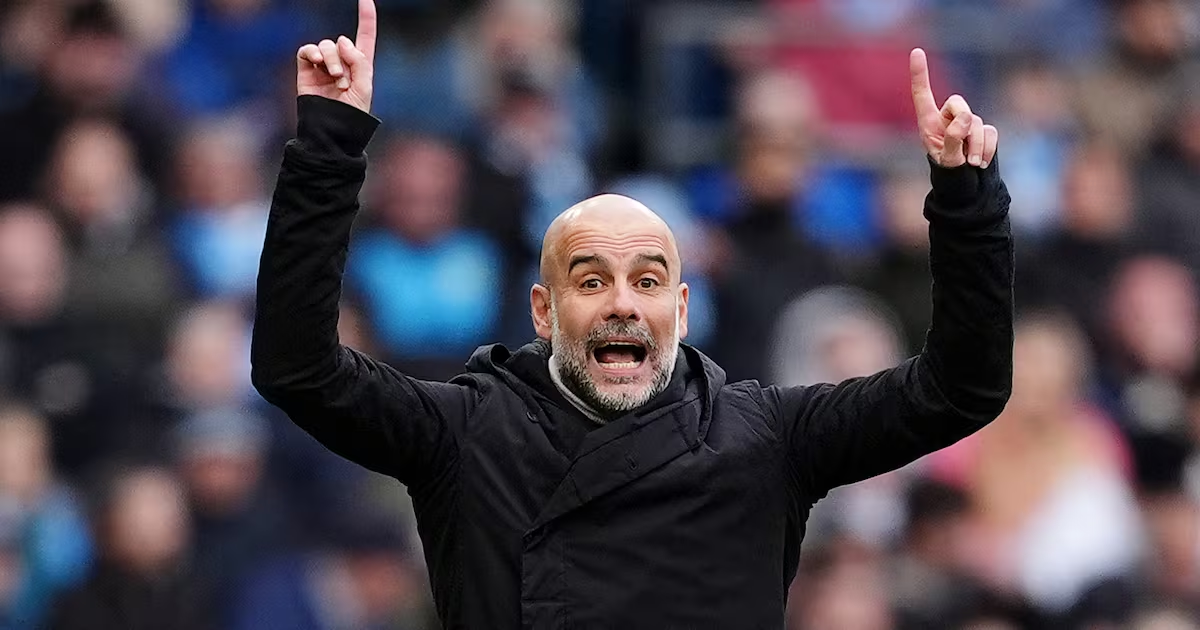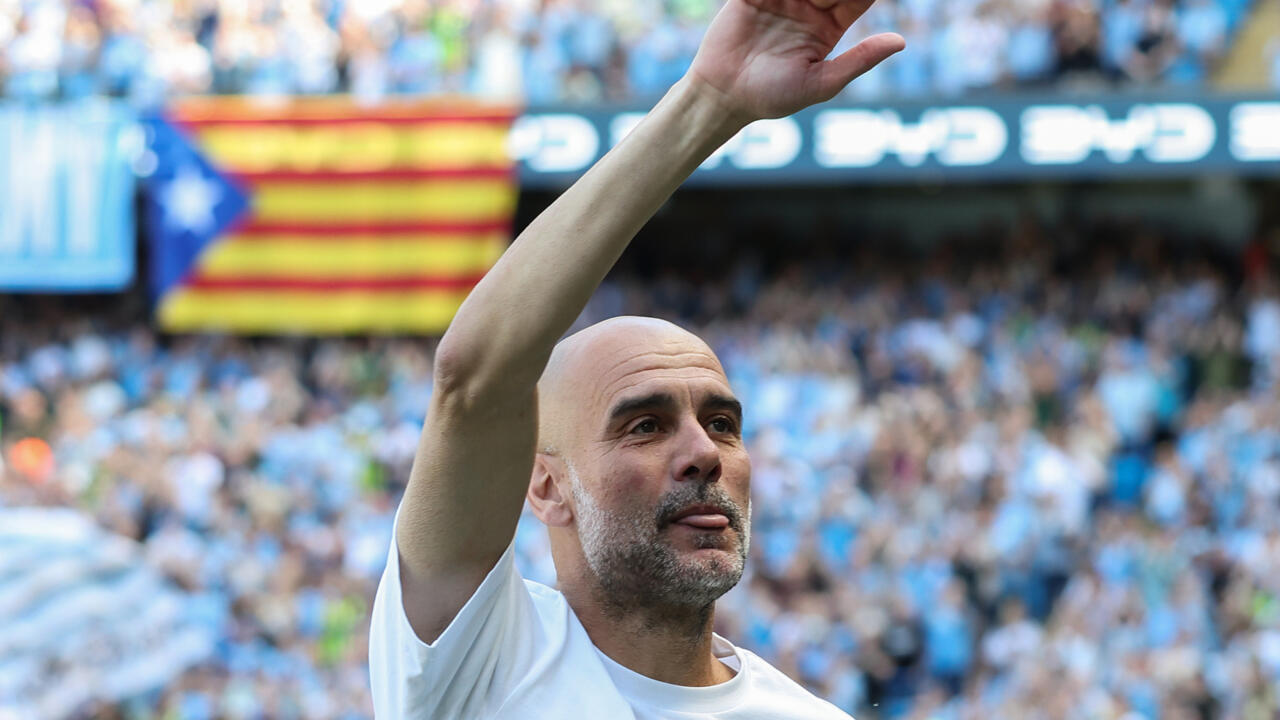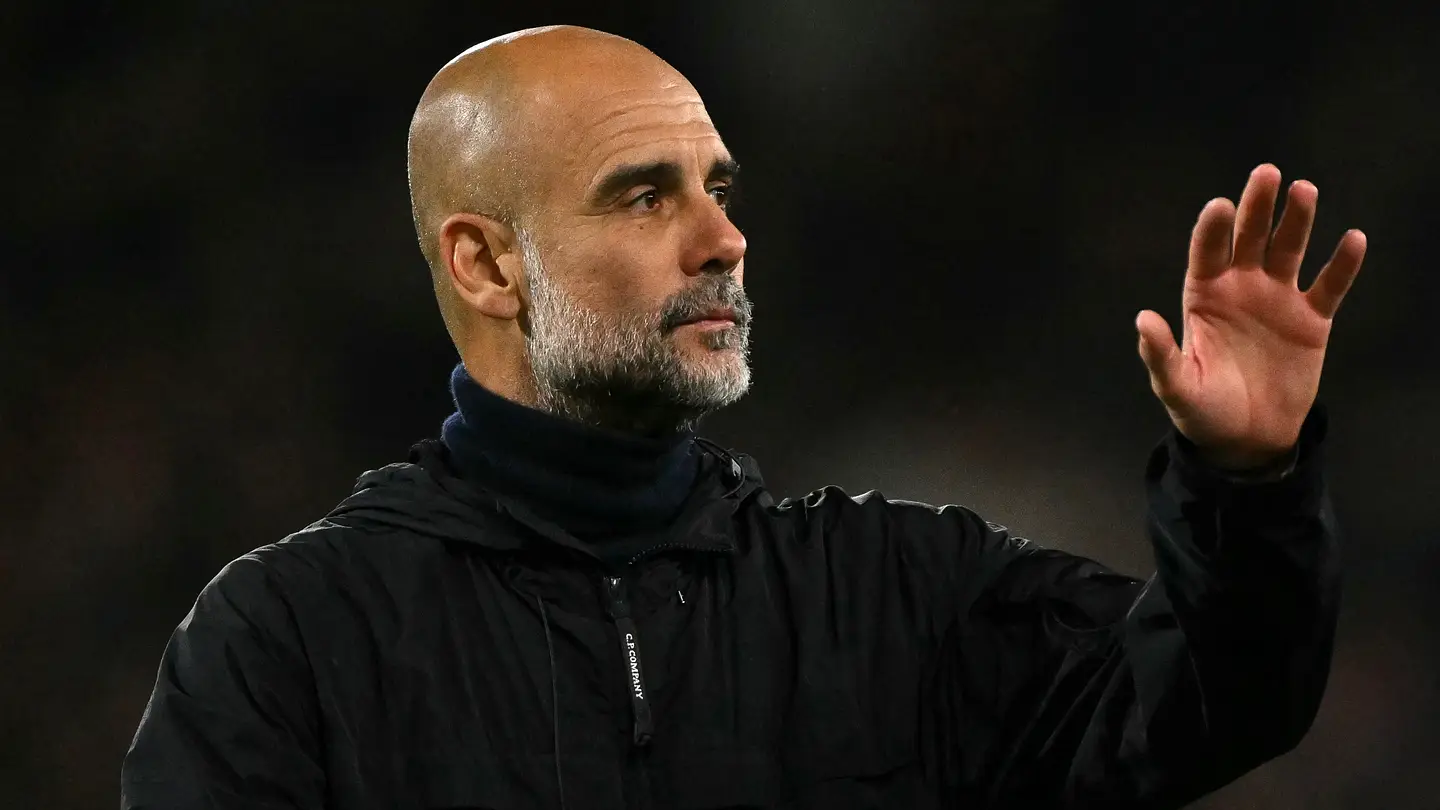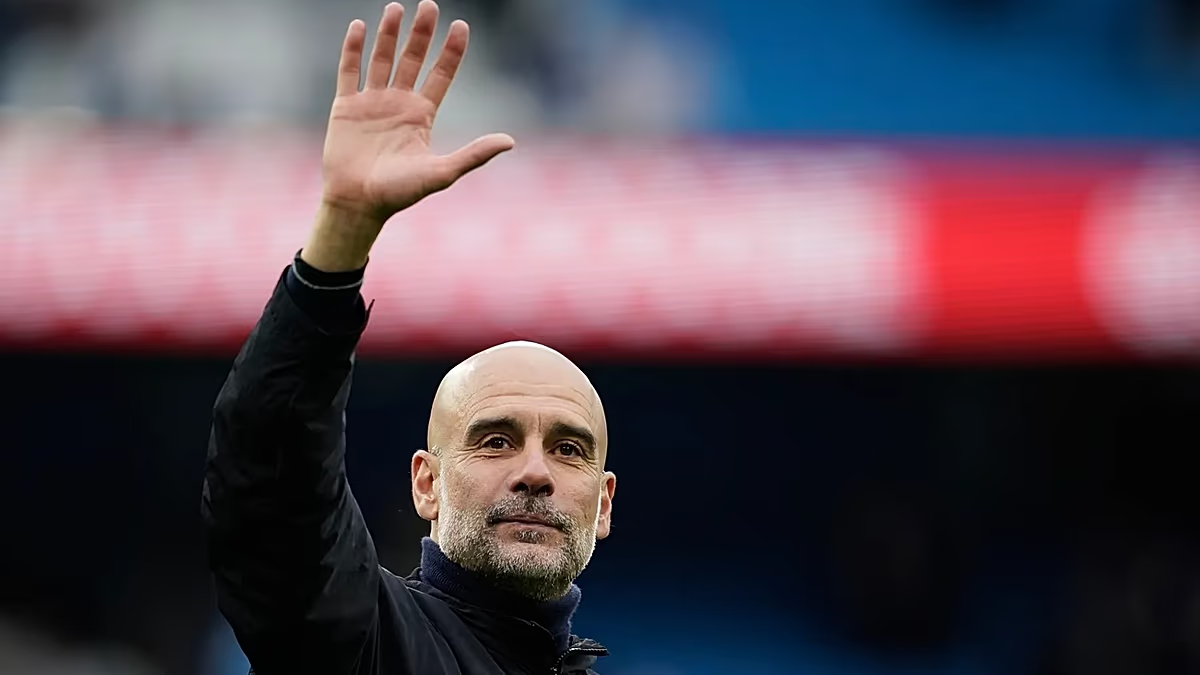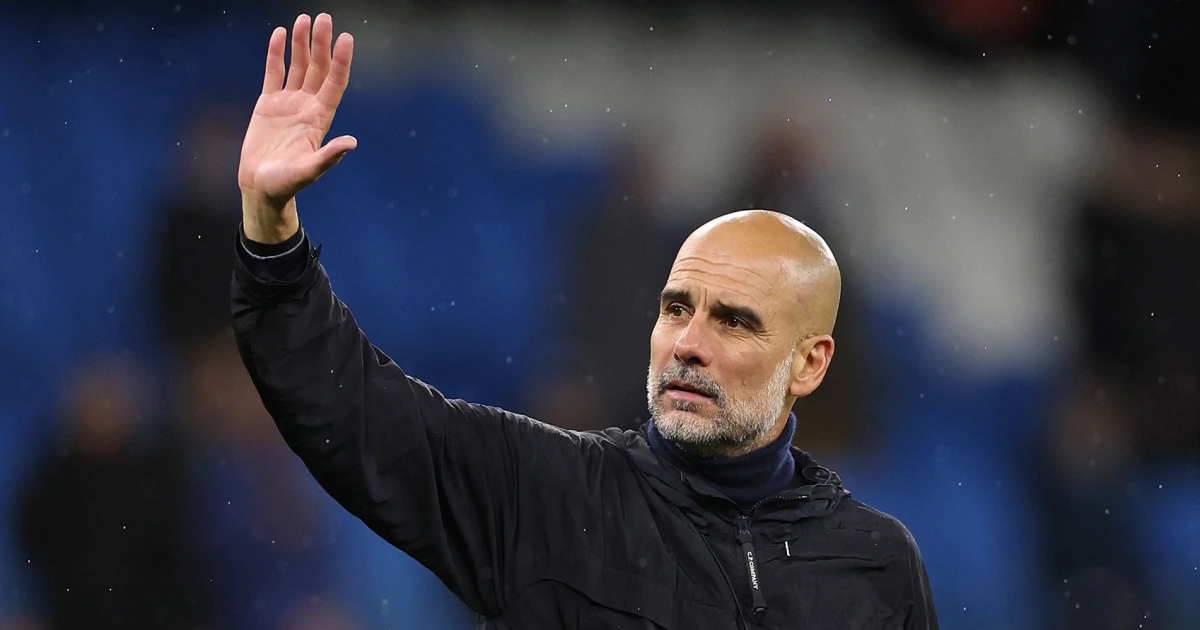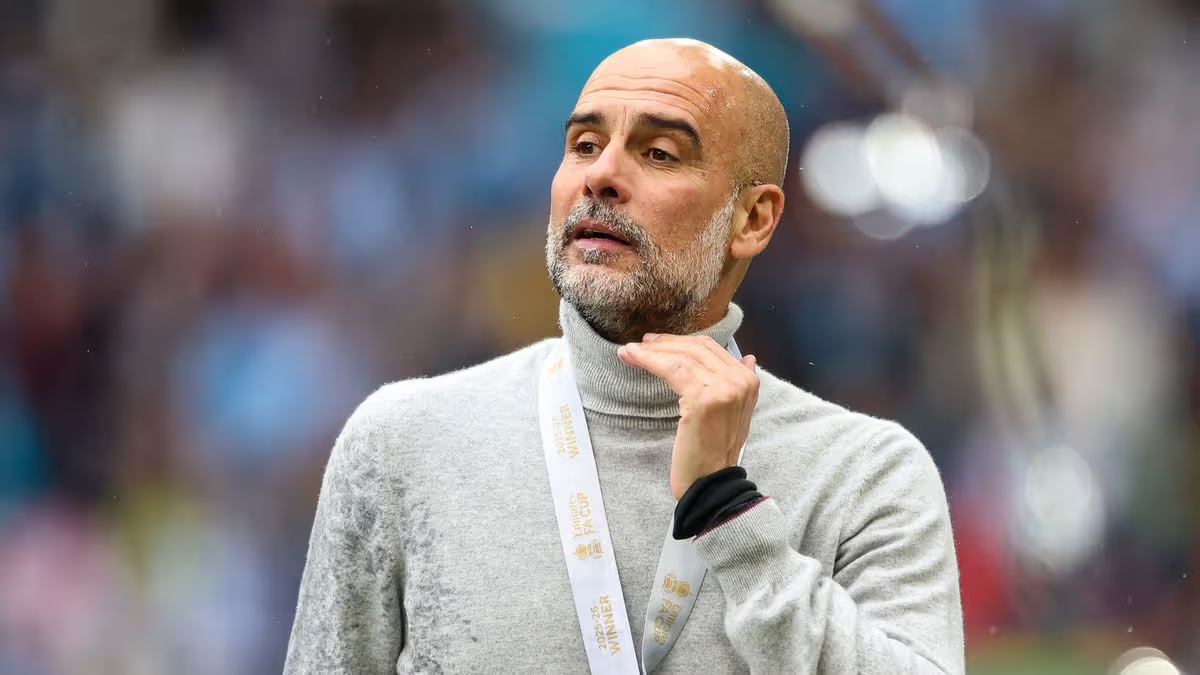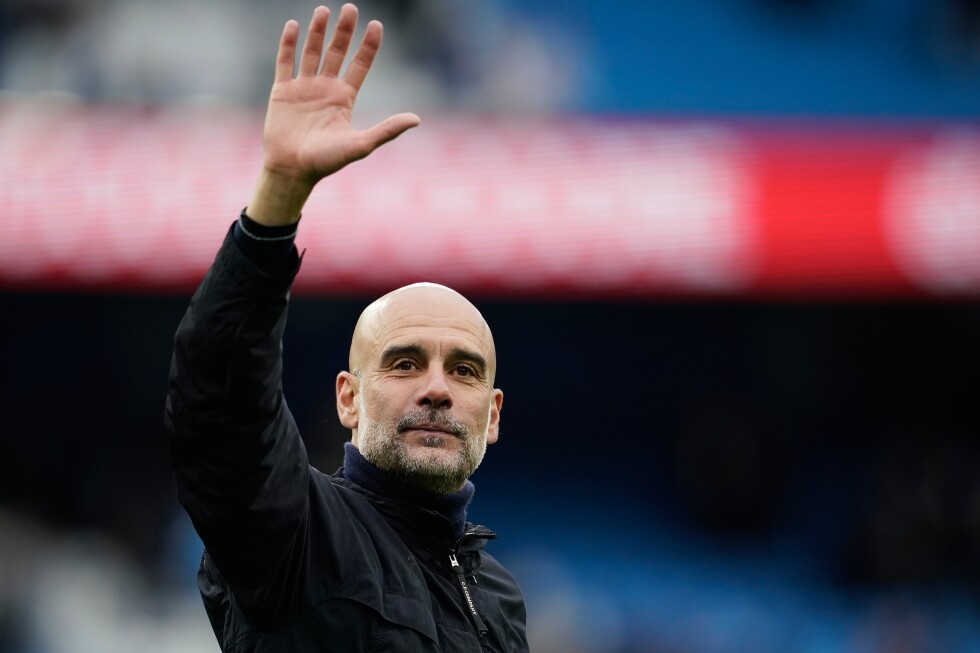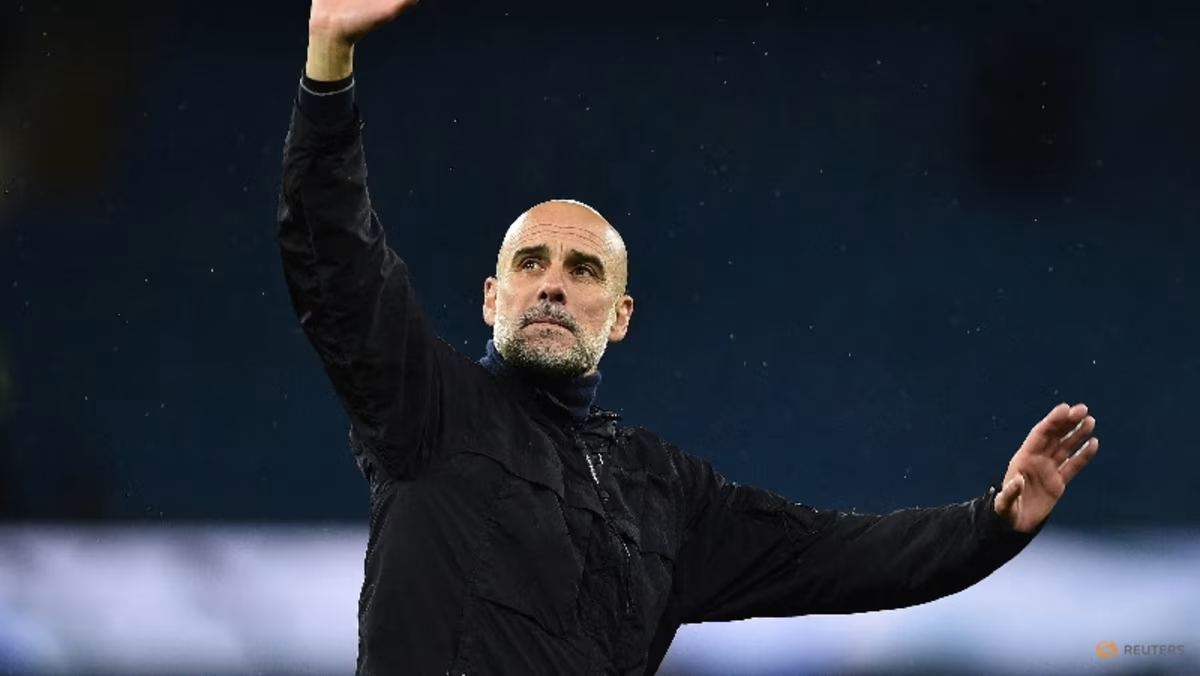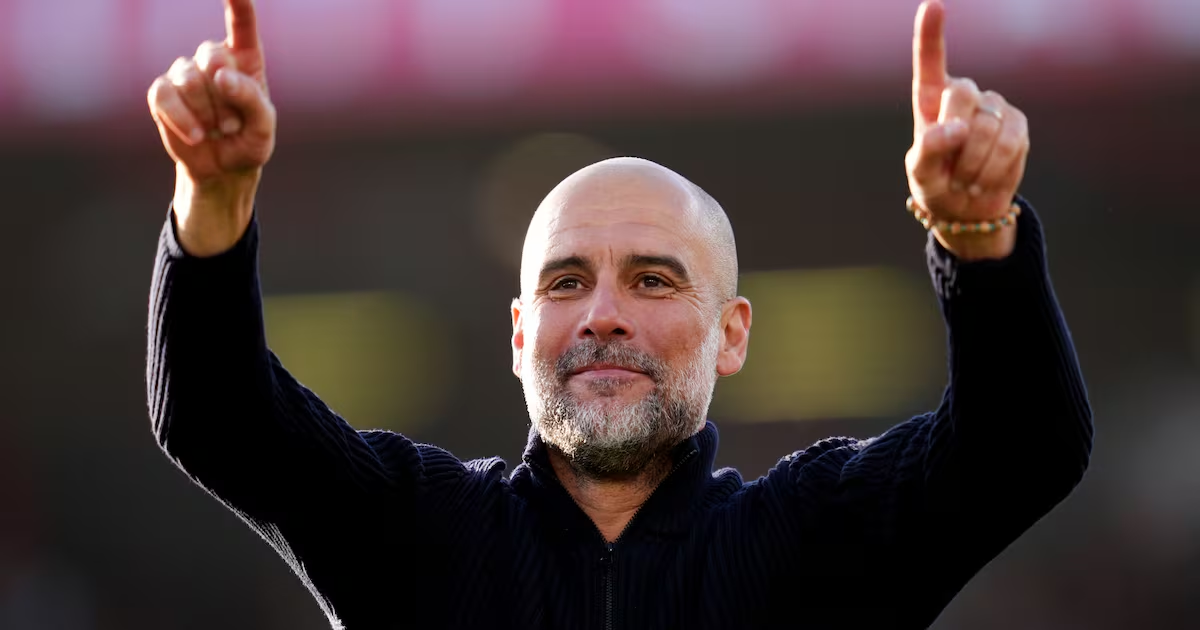
When news broke on Monday evening about Pep Guardiola deciding to end his reign of terror at Manchester City come the season’s end, Patrick Vieira, on duty on Sky Sports, expressed his sadness. “I hope it’s not true,” he said, to which most of the audience might have replied: “I hope it bloody is.” By then, they were most probably inebriated on champagne. This wouldn’t necessarily have been down to any personal animus towards Guardiola – it’s just that he wins too much.Some of us are old enough to remember the good old days when City were bankrolled by old boy Francis Lee’s toilet roll empire and ended up being flushed down the drain and into the old third division.In the previous decade or so, the high point of their achievements, which probably led to an open-top bus parade around Manchester, had been finishing runners-up in the competition that became best known as the Zenith Data Systems Cup. City, by the BBC’s calculations, fielded a team in the final against Chelsea that cost an entire €500,000, their sole “foreigner” a lad by the name of Mick McCarthy. But come 2008, all changed utterly. A hellacious blight was born. The Abu Dhabi crew bought the club, Roberto Mancini and Manuel Pellegrini warmed them up on the trophy-winning front, and then Guardiola arrived. And it’s been a decade of remorseless silverware-greed ever since. Yes, spending over €2 billion on players in that time helped a bit, but that’s still a fair chunk less than Chelsea’s outlay in that decade, and not far ahead of Manchester United’s. But take into account player sales, and City are only fourth in the net-spend list – behind United, Chelsea and Arsenal. Their combined Premier League haul in that spell? One. Guardiola’s? Six. (Plus a Champions League, three FA Cups and five League Cups.)And unlike some of his rivals, he’s generally bought on the decent side. Granted, a handy release clause meant Erling Haaland only cost €60 million in the summer of 2022, but at the same time United were setting fire to €95 million when they purchased Antony, while Liverpool were splurging €75 million on Darwin Núñez. You can decide for yourself which one worked out the best. This, of course, is where that 115 figure pops up. That’s the number of charges levelled at City for breaching Premier League financial rules between 2009 and 2018, Guardiola at the helm for the last two of those years, and therefore (alleged) to have benefited from the (alleged) skulduggery that (allegedly) went before. City manager Pep Guardiola gives instructions to Erling Haaland before sending him on to replace Kevin De Bruyne against Burnley FC in 2024. Photo: Peter Powell/ EPA-EFE If the commission, formed to look into those breaches, ever gets around to producing a verdict – no rush lads, it’s only been 18-ish months – then he’ll have, at the very, least, an asterisk or two placed beside his successes.But, hard and all as it is to concede, and even if the entire project was (allegedly) illegally financially fuelled, his sides have always been a joy to behold. And his knack for nurturing players and extracting the very best out of them, often in positions entirely unfamiliar to them – see, for example, John Stones, Matheus Nunes and Nico O’Reilly – has been proof of his brilliance. [ Pep Guardiola tells Manchester City players he is leaving as club line up Enzo MarescaOpens in new window ]And under his watch, have there been many greater Premier League players than David Silva, Kevin De Bruyne, Sergio Agüero and Bernardo Silva?Watching the recent FA youth cup final between Manchester City and Manchester United was, perhaps, a good indication of the legacy he’ll leave behind at the club. Not only were City physically so much taller and beefier than their opponents, there was a marked difference in the humility levels too. The City youngsters, largely technically superb, had the look of fellas who felt blessed to be playing for the club, some of the United side had the demeanour of boys who believed their lot were lucky to have them. Petulance FC.Pep Guardiola and Nico O'Reilly. Photograph: Adam Davy/PA Wire When substitutions were made, the City players trotted off with no drama, shaking the hands of their replacements and wishing them the best. Some of the United bunch shook their heads in disbelief when withdrawn, moped their way to the sideline in a sulk and barely acknowledged the young fellas taking their place. A small enough thing, maybe, but perhaps telling when it comes to that chat about culture at clubs.Twice, full-back João Cancelo was named in the Premier League team of the year, he was outstanding. But in the summer of 2024, Guardiola waved him off, much to everyone’s surprise. Attitude “issues” were suggested, which were later as good as confirmed. Times have, indeed, changed since the days of, say, Alex Ferguson, but Guardiola’s adherence to that notion that no player is bigger than the club have served him, and City, well. All City’s detractors can hope is that the succession stakes at City will prove as, well, successful as those at United after Ferguson hung up his hairdryer. That Enzo Maresca will be the new David Moyes (or Louis van Gaal, Ole Gunnar Solskjær, Ralf Rangnick, Erik ten Hag, Ruben Amorim or Michael Carrick).Pep Guardiola has a knack for nurturing players and extracting the very best out of them. Photograph: Martin Rickett/PA Wire And that the best they can hope for in the years ahead is something akin to the runners-up spot in the Zenith Data Systems Cup. Doubtful, though. The Pep man has seen to that with his decade’s work.
So long Pep Guardiola: nothing personal, but you won’t be missed as City boss
Engine was powered by Abu Dhabi oil, but the Spanish coach created brilliant teams and an impressive club culture
953 words~4 min read