THE BIG PICTURE: Intel is reportedly pushing PC manufacturers in the US, China, and Taiwan to adopt its more expensive new 18A-based processors instead of the cheaper Intel 7-based Alder Lake, Raptor Lake, and Arrow Lake CPUs. The company has apparently stopped supplying the older chips to the consumer market and is instead allocating its limited Intel 7 capacity toward manufacturing data center products for enterprise customers.
According to supply chain sources cited by Nikkei Asia, the primary reason behind Intel's move is supply constraints affecting its older 7nm-class processors, driven largely by surging AI demand.
The company has reportedly informed its OEM partners that it cannot guarantee the availability of these older products, although supply of its newer 18A-based processors remains strong.
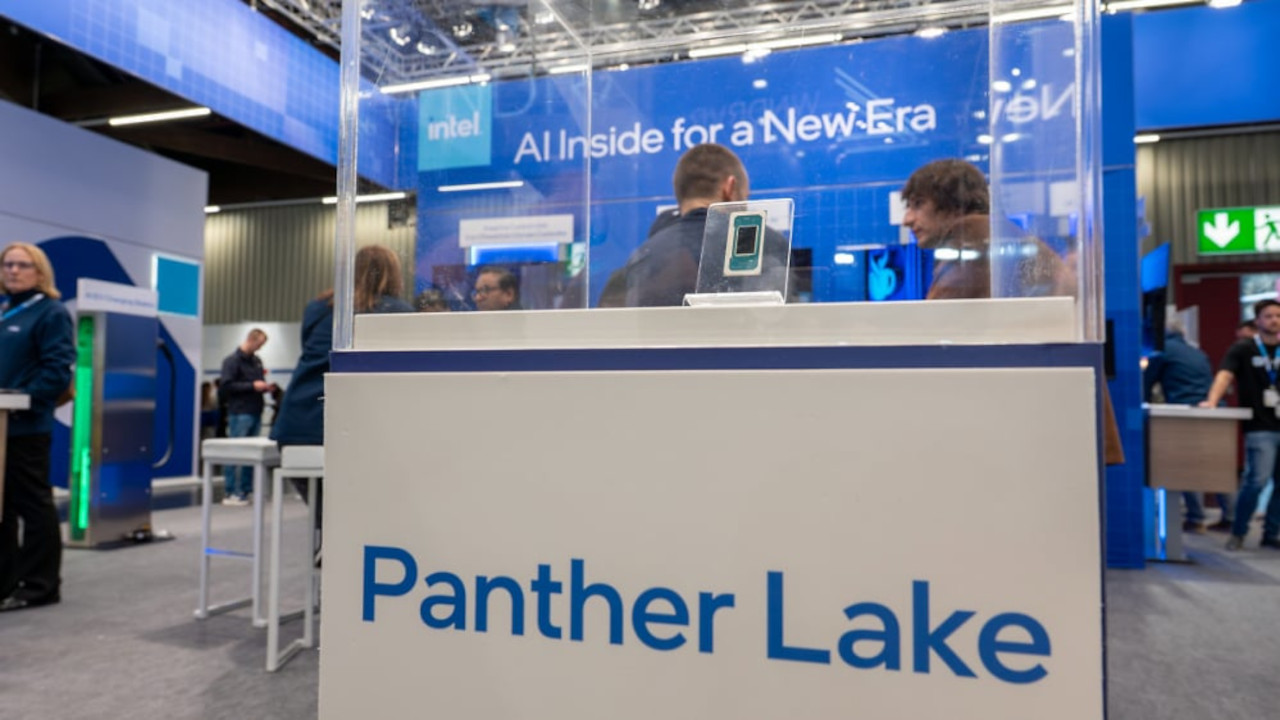
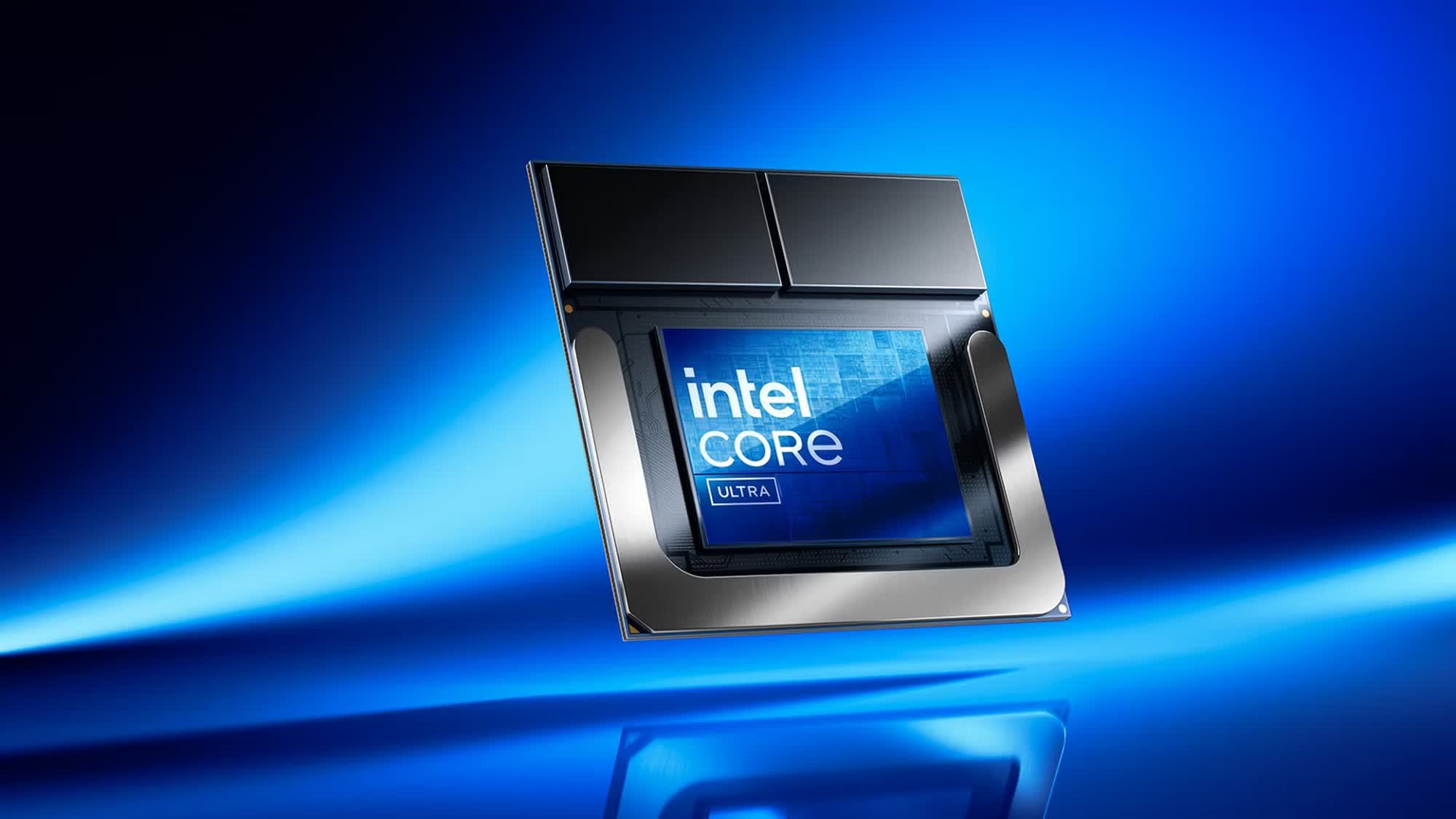
CPUs manufactured on Intel's 18A process node include Core Ultra Series 3 "Panther Lake" and Core Series 3 "Wildcat Lake," while Intel 7-based product lines include Raptor Lake for the consumer market and Granite Rapids for data centers. Panther Lake was unveiled at CES 2026 in January, while Wildcat Lake debuted earlier today in China.
According to an unnamed executive at a consumer PC manufacturer, Intel's enterprise products typically generate around 20% higher margins than its consumer CPUs. This reportedly explains why the company is allocating its 10nm (Intel 7) capacity to the server market and encouraging consumer PC makers to transition to 18A, despite limited customer demand.