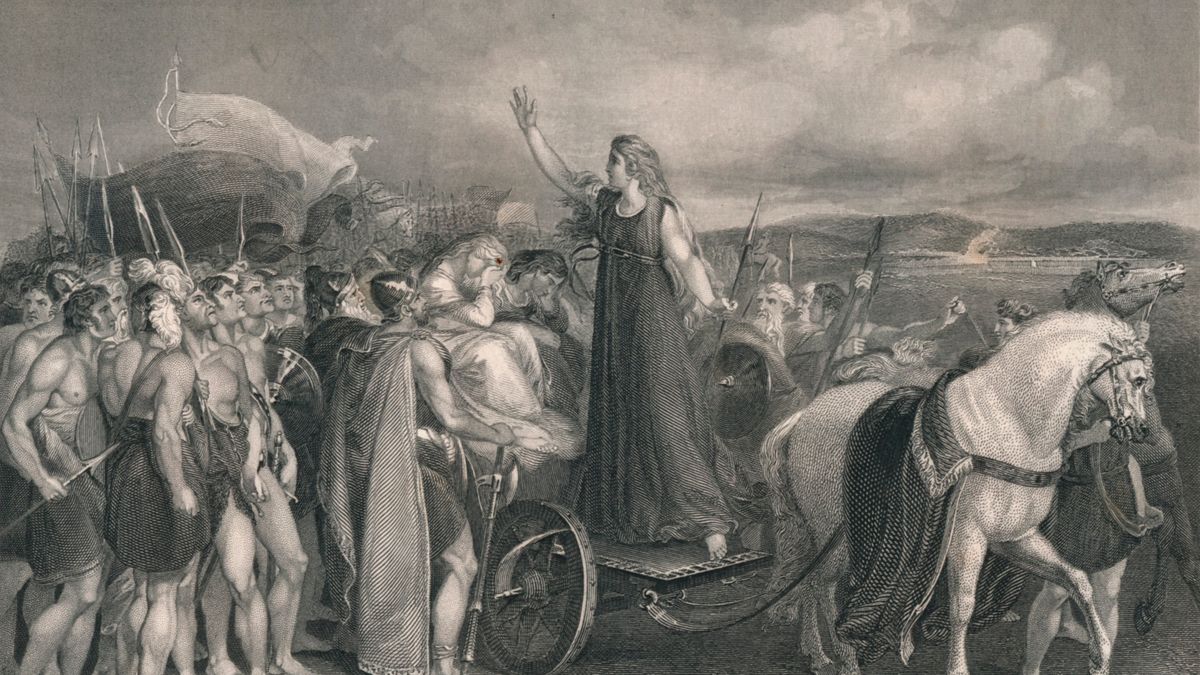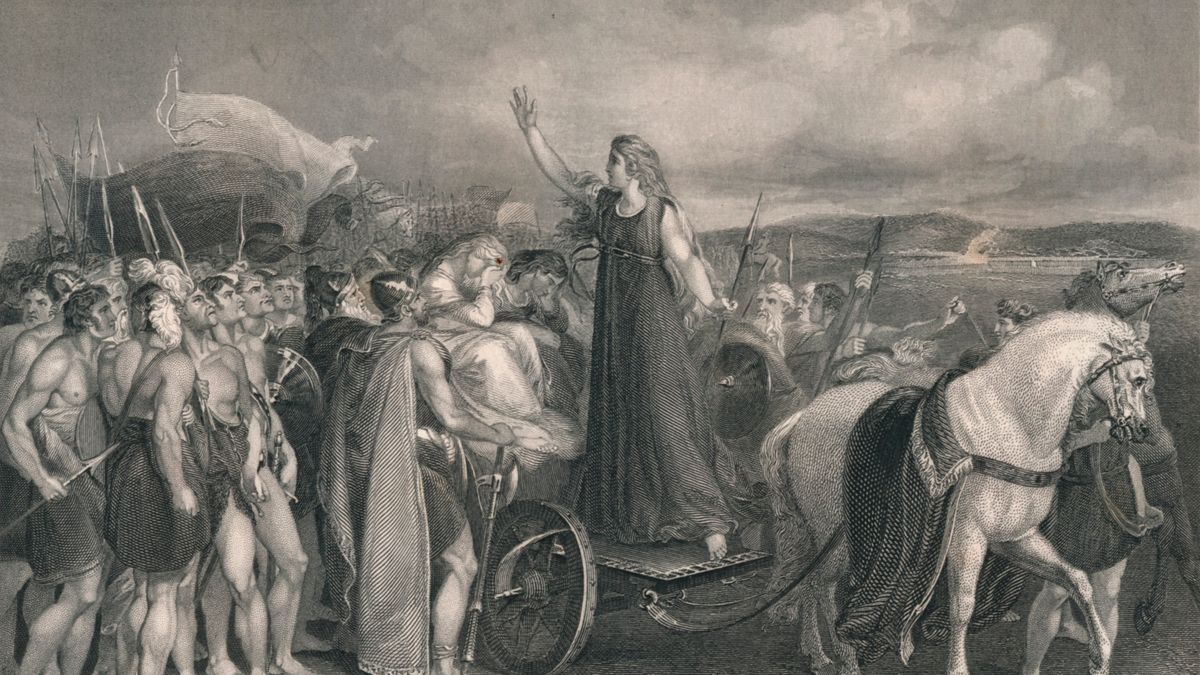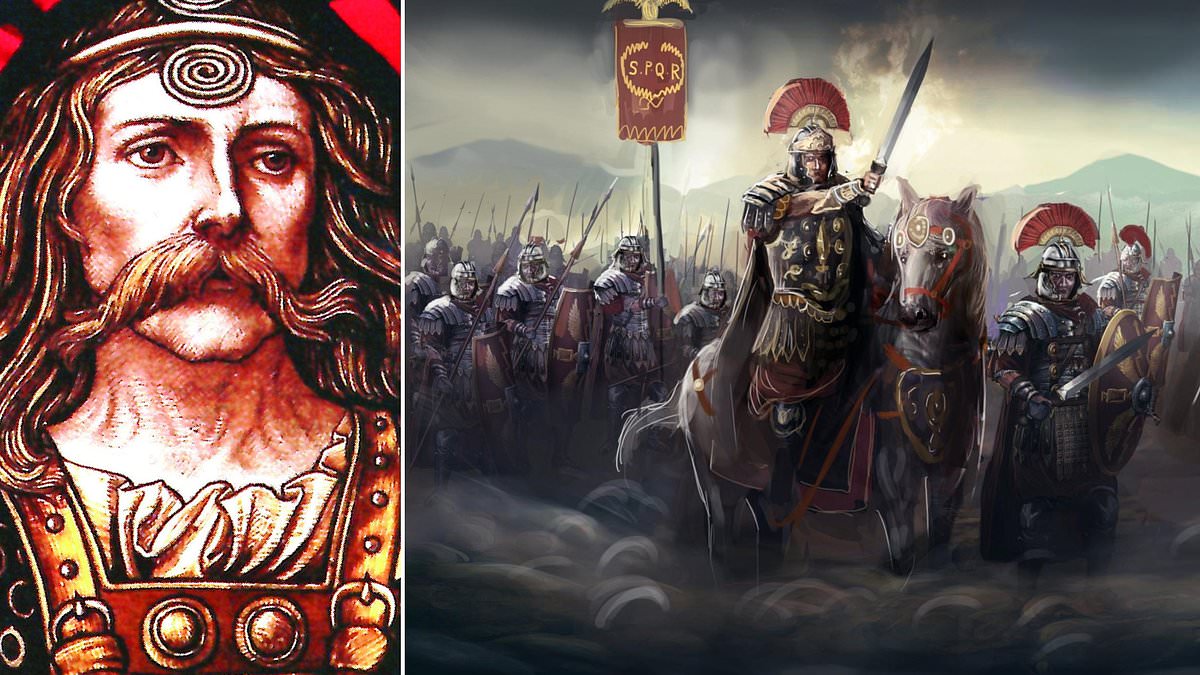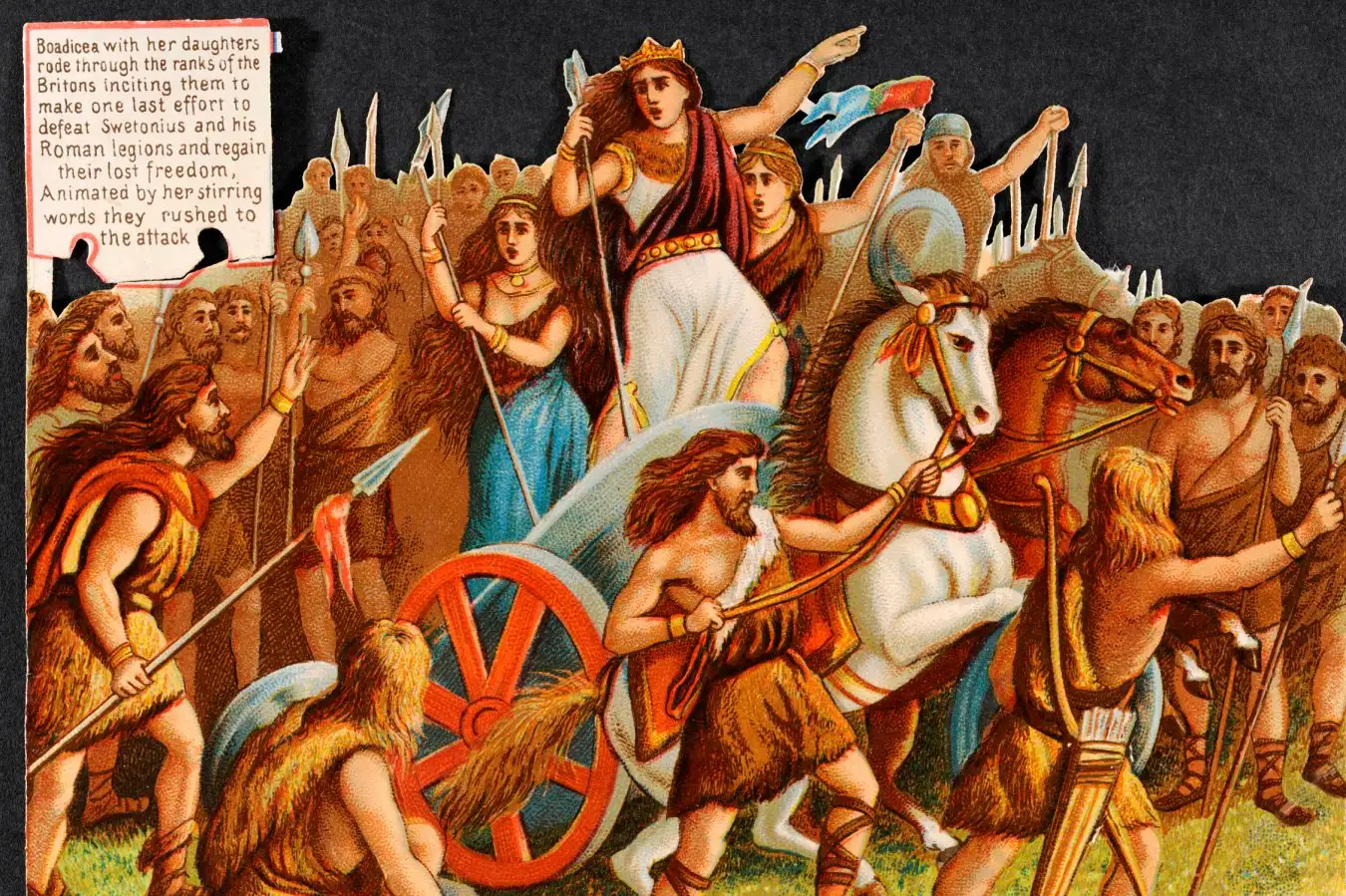
Boudica led an uprising against the Romans in around AD 60, as depicted in this Victorian-era chromolithographPopperfoto via Getty Images
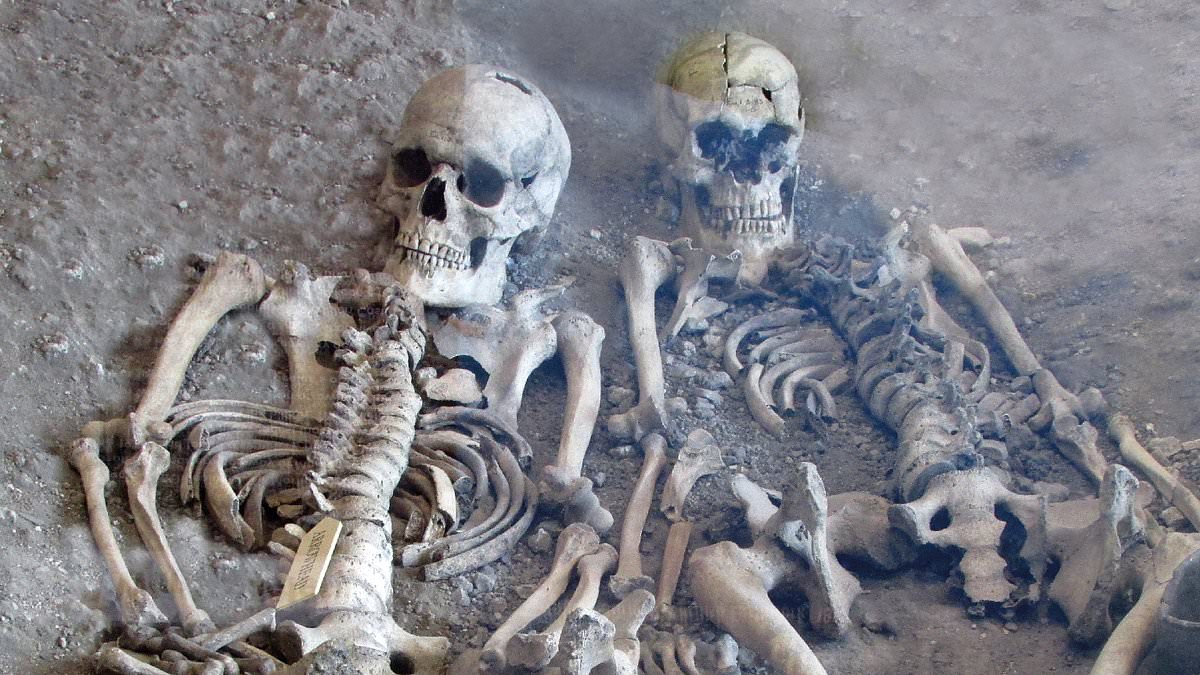
Despite the Romans’ huge cultural and social impact on Britain, the genetic trace they left behind was surprisingly small, according to a study of more than a thousand ancient genomes.
“The Roman conquest was much less impactful in genetic terms than perhaps historically we have been led to believe,” says Rachel Pope at the University of Liverpool, UK, who wasn’t involved in the work.
Marina Soares Da Silva at the Francis Crick Institute in London and her colleagues analysed the genomes of 1039 people in Britain spanning from 2550 BC, in the Bronze Age, to AD 1150, after the Norman conquest. Roman occupation began in AD 43, immediately after the Iron Age, and lasted until 410.
They found that most people who lived under Roman rule in Britain traced 100 per cent of their ancestry to Iron Age Britain, with only 20 per cent carrying detectable ancestry from outside Britain.