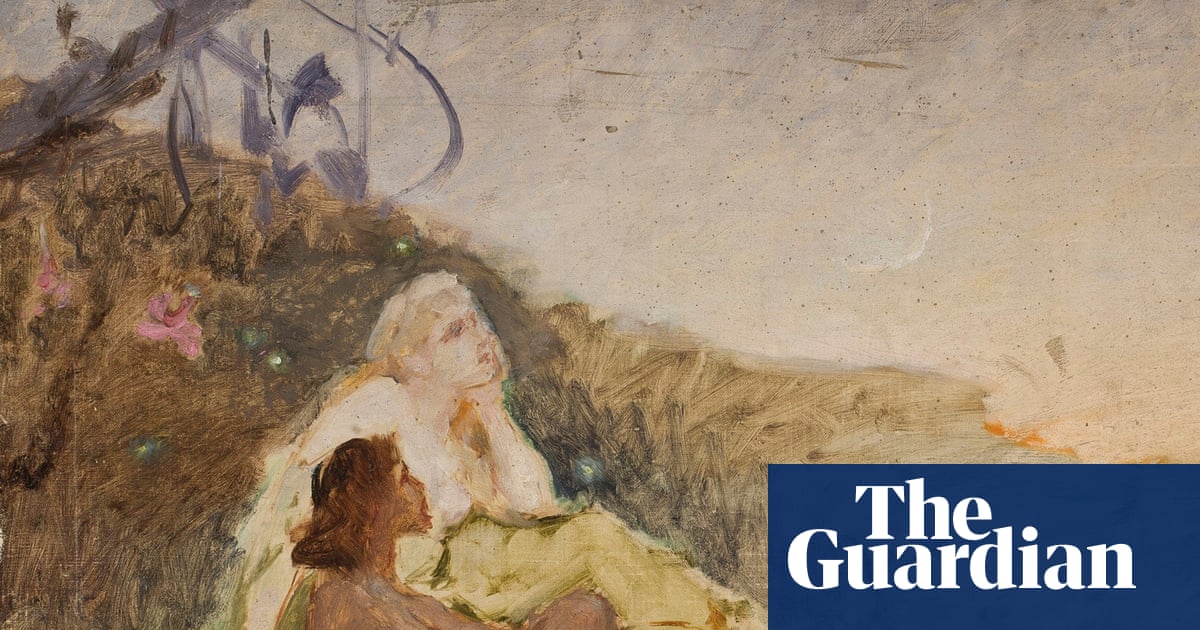
What is love? It’s a question that has befuddled philosophers for millennia, and scientists today still aren’t sureNiall McDiarmid/Millennium Images, UK
A smitten couple lean in for a kiss in a hotel lobby as I beeline towards a softly lit conference room buzzing with first-date energy. I am here to attend the Love, Actually and in Theory meeting, organised by the Royal Society, in Edinburgh, UK. As a romantic myself, I am hoping to get an answer to one of life’s biggest mysteries: what is love?
Over the next two days, I heard dozens of researchers – from evolutionary biologists and neuroscientists to psychologists – share their perspectives on that instinctive-yet-elusive thing called love, with a heavy focus on the romantic kind.
The meeting marked the first time many of the major players involved in love research have been in one room. “This is a big deal for love science. It makes me cry,” Adam Bode at the University of Melbourne, Australia, told me midway through the conference, his eyes welling up.
Love research has long been underfunded due to it being seen as a “soft” science, says Bode. “There’s been an impression since the beginning that the science of love is not a serious science,” he says. “The fact that the oldest scientific institution in the world, and probably the most respected, is funding people from all around the world to come and talk about love gives it a degree of legitimacy that I think has been lacking until now.”