(Image credit: Universal Studios and BBC Worldwide)
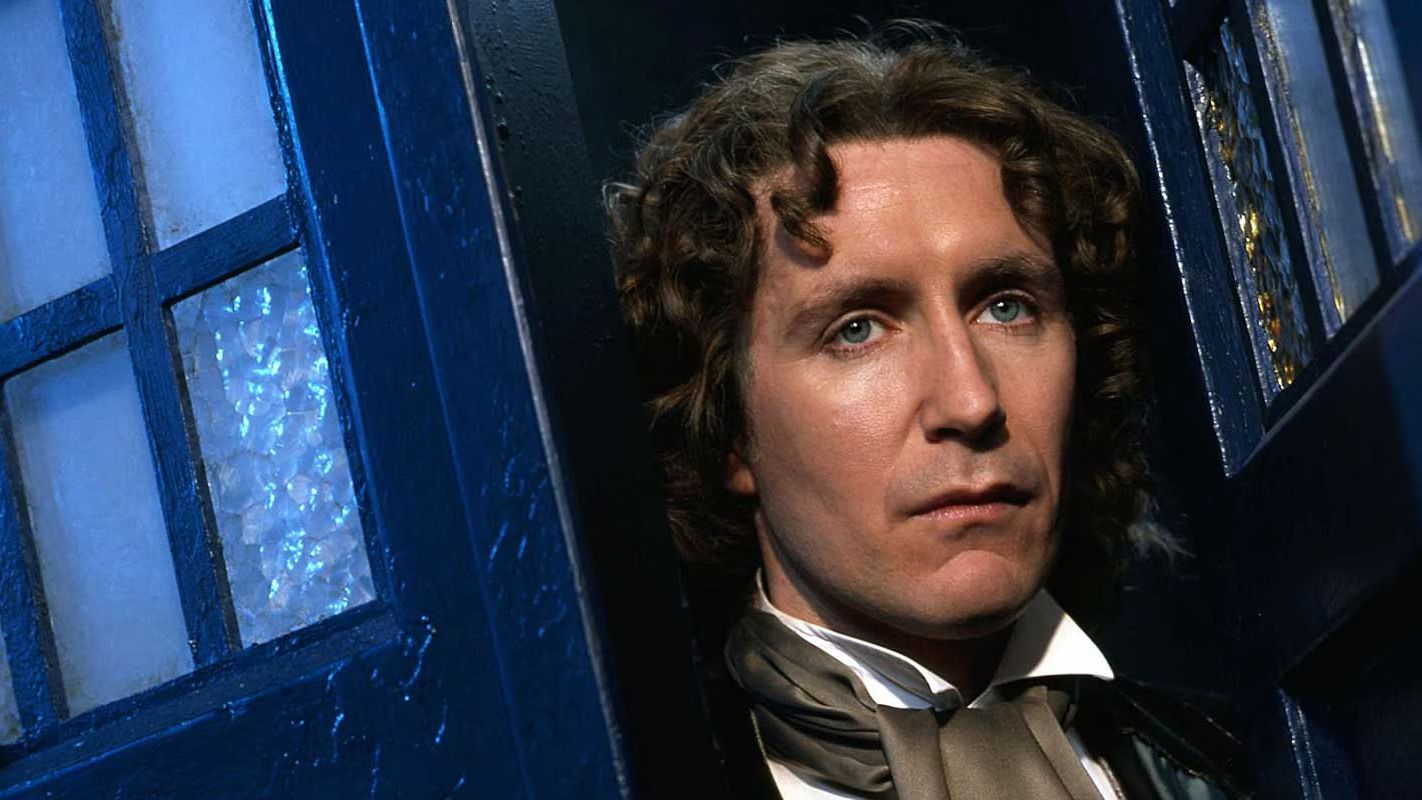
In March 2005, Christopher Eccleston's Ninth Doctor told Billie Piper's Rose Tyler to "Run!" and the UK was instantly hooked. Gallifrey's most famous export subsequently became a fixture in UK TV schedules for the first time in 16 years.But Russell T Davies' acclaimed reboot wasn't the first effort to return the legendary Time Lord to primetime. Nine years earlier, in May 1996, an unlikely alliance of broadcasters and TV executives from both sides of the Atlantic — including, for a moment, Steven Spielberg — briefly brought "Doctor Who" back to earth.Their TV movie was pitched as a "backdoor pilot", a one-off that could have paved the way for a new big-budget series. It famously failed in its objective, but — while it's no classic — its legacy has lived far beyond that original 86-minute broadcast. Aside, of course, from a famously controversial aside about the Doctor being half human.
(Image credit: Universal Studios and BBC Worldwide)Despite "Who"'s passionate fanbase, the corporation's suits had little time for the show, and — after scheduling the British sci-fi institution in midweek against ITV's ratings juggernaut "Coronation Street" — decided to pull the plug after the ironically titled "Survival" aired in December 1989.But — perhaps appropriately for a show whose main character has the ability to regenerate — "Doctor Who" refused to die. Books, comics, fanzines, and conventions kept the flame alive, while some at the BBC (particularly within its commercial arm, then known as BBC Enterprises) recognized the brand's money-making potential.There was even talk of a standalone theatrical movie — one iteration, titled "Last of the Time Lords" (a name later recycled by Davies for the season 3 finale), considered Donald Sutherland for the lead role.