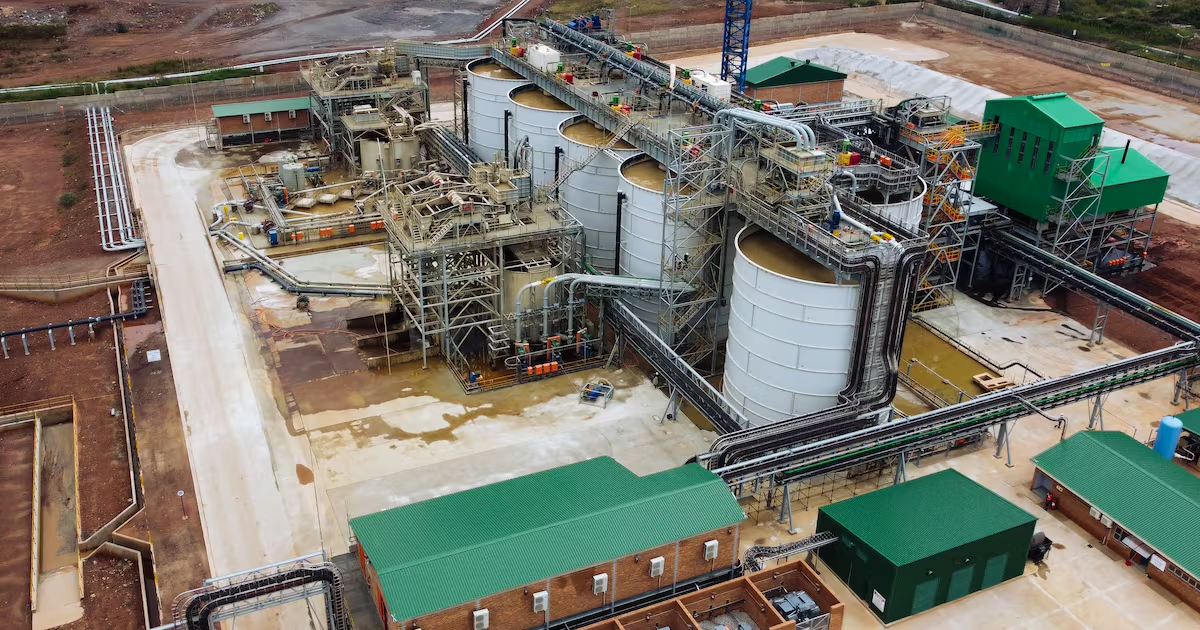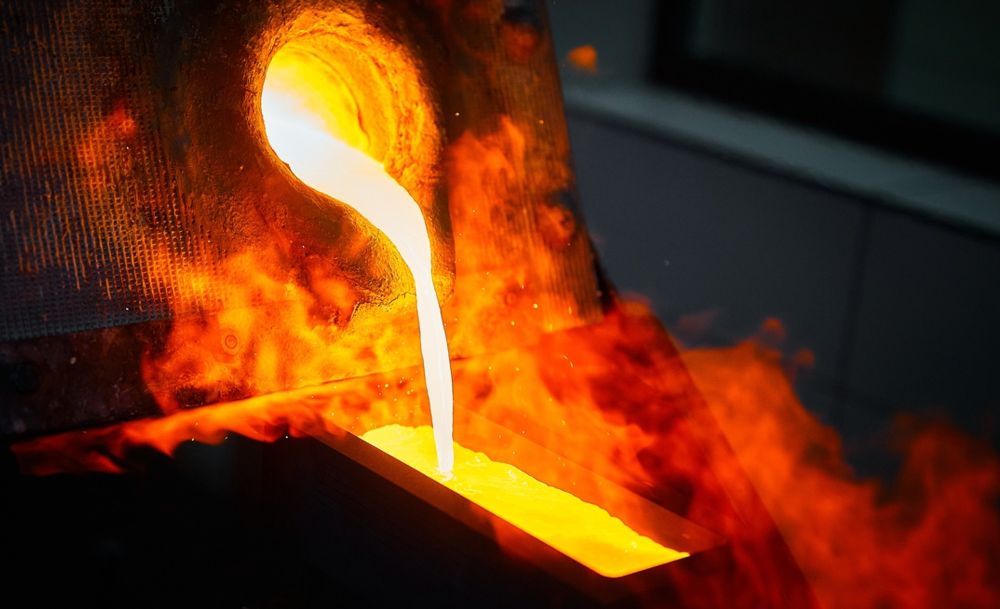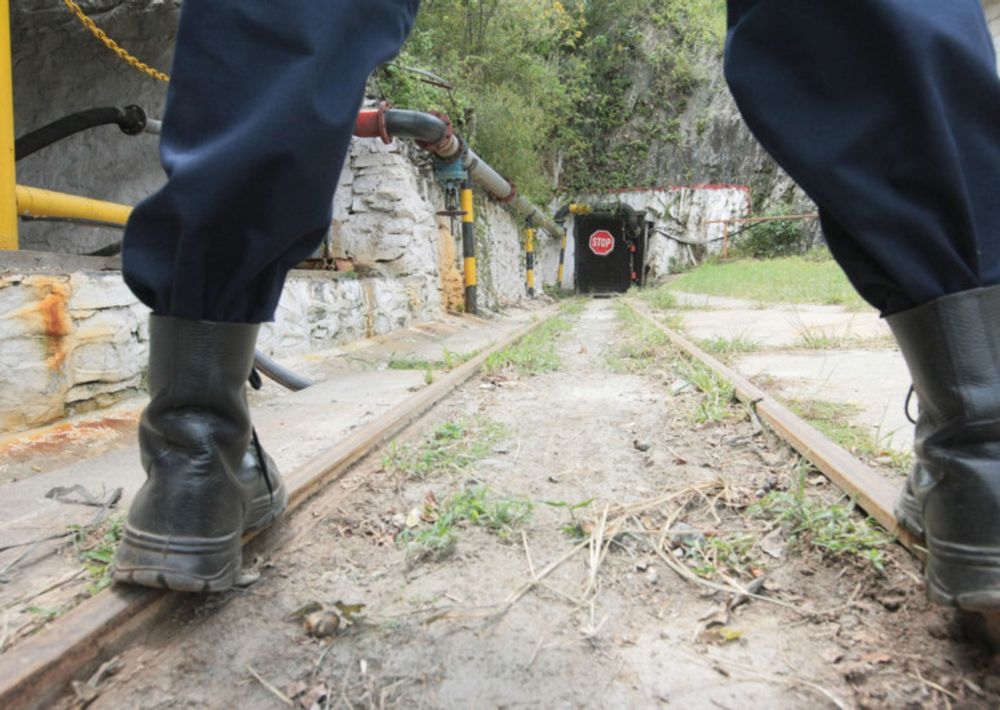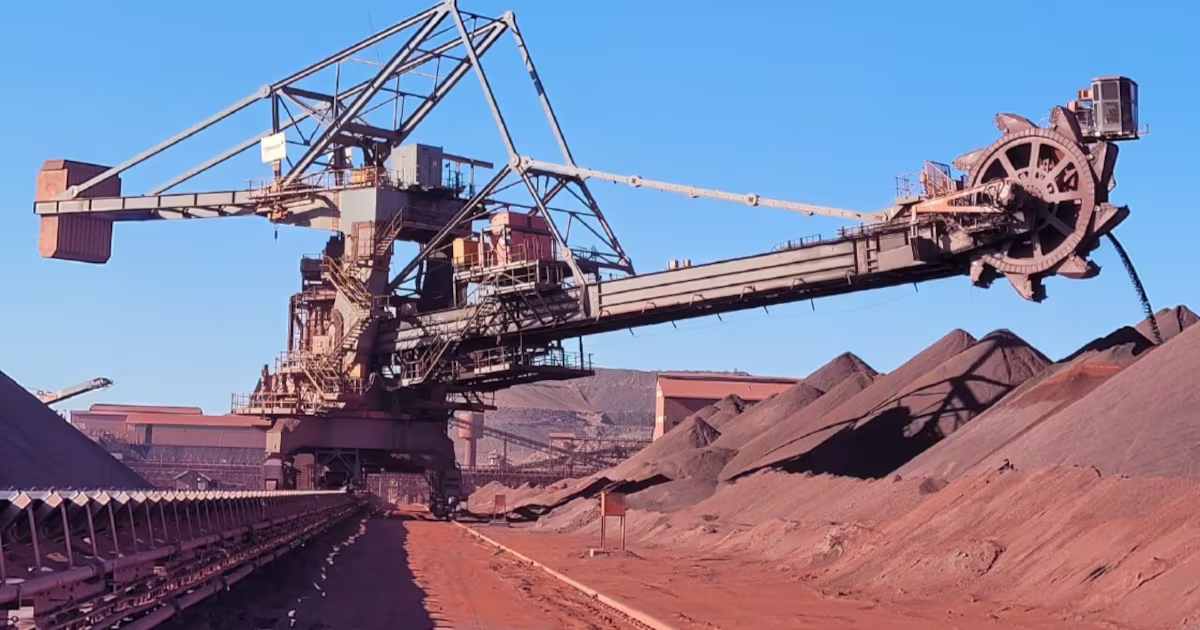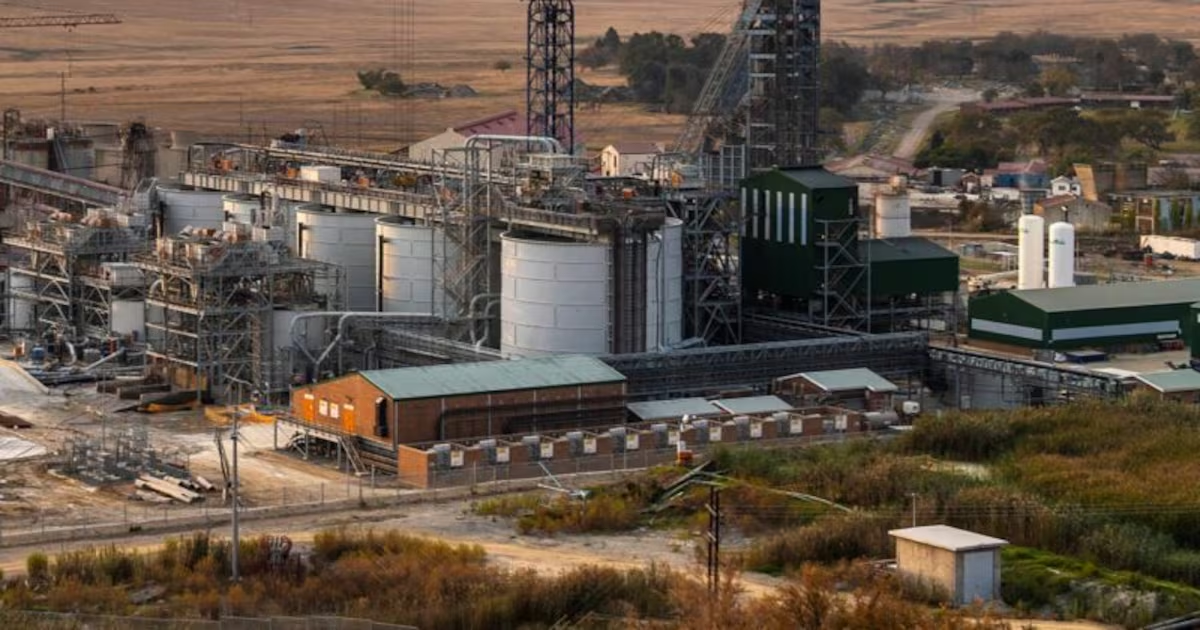
If you’d spent R1,000 on Pan African Resources shares three years ago, you would now have more than R6,550 — or R7,550 if you’d reinvested all the dividends received over the period.The group’s stellar performance in recent years has taken it from a small-cap miner to the JSE’s top 40 index. Moreover, it has outperformed all the bourse’s biggest precious metal miners over the past year.Those returns reflect steadily growing production from lower-cost tailings operations as well as the group’s leverage to elevated gold prices. In recent months, it also reflects the excitement that Pan African’s recent expansion into Australia is drumming up among institutional investors.(Dorothy Kgosi) Pan African entered the Australian industry in 2025 through its $54.2m (R901.7m) acquisition of Tennant Consolidated Mining Group, giving it a 75% stake in the Tennant Creek joint venture. It spent another £163m (R3.6bn) consolidating its ownership in March this year.The venture owns Australia’s Nobles mine, once the country’s biggest open-pit gold mine, which is expected to produce about 50,000 ounces annually, taking Pan African’s annual output to around 300,000oz.In a glowing note last month, Allan Gray analyst Andrew Boulton said the group, which has held Pan African shares since 2009, was eyeing the company’s “journey into its new Australian territory with great enthusiasm”.Aside from the obvious portfolio boost, the purchase fits snugly into Pan African’s strategy of buying old mines and drawing new value from them by reprocessing the tailings dumps.Much of the company’s appeal, said Boulton, has been its investment in reprocessing old mine waste left behind at historic mining sites. That dates right back to the group’s first acquisition of a group of underground mines in the Barberton mining complex of Mpumalanga, which have been operated since the 1880s.Pan African was listed on the JSE in 2007, soon after the Barberton acquisition, and has gone on to produce about 20,000 ounces of gold from those tailings.In 2013, it acquired the historic Evander mines, whose tailings have produced around 50,000 ounces a year since 2018.Then came the Mogale tailings dumps in 2023, which have added about 50,000 ounces of annual production. The steady expansion means tailings now exceed the group’s underground mining production profile.Boulton said the key advantage of the strategy was the largely mechanised nature of tailings retreatment, which keeps costs lower than most conventional mining methods.Reprocessing old mine waste also gives the operations a greener footprint and acts as a tool for land rehabilitation, which can be a plus for stakeholders.In the nearly two decades since its JSE listing, Pan African has delivered a total return (including reinvested dividends) of around 50-fold, or a compounded return of 23% a year — well above the JSE’s average annual return of 11%.In its interim results for the six months ended December, the company reported a more than 150% jump in revenue, a 70% contraction in debt and declared its first interim dividend.In the past 12 months, the shares have almost tripled in value to around R31 each, taking the group’s market capitalisation above R72bn.
Pan African’s Australian move fuels further investor interest
Tailings retreatment drives returns as Pan African expands in Australia
503 words~2 min read