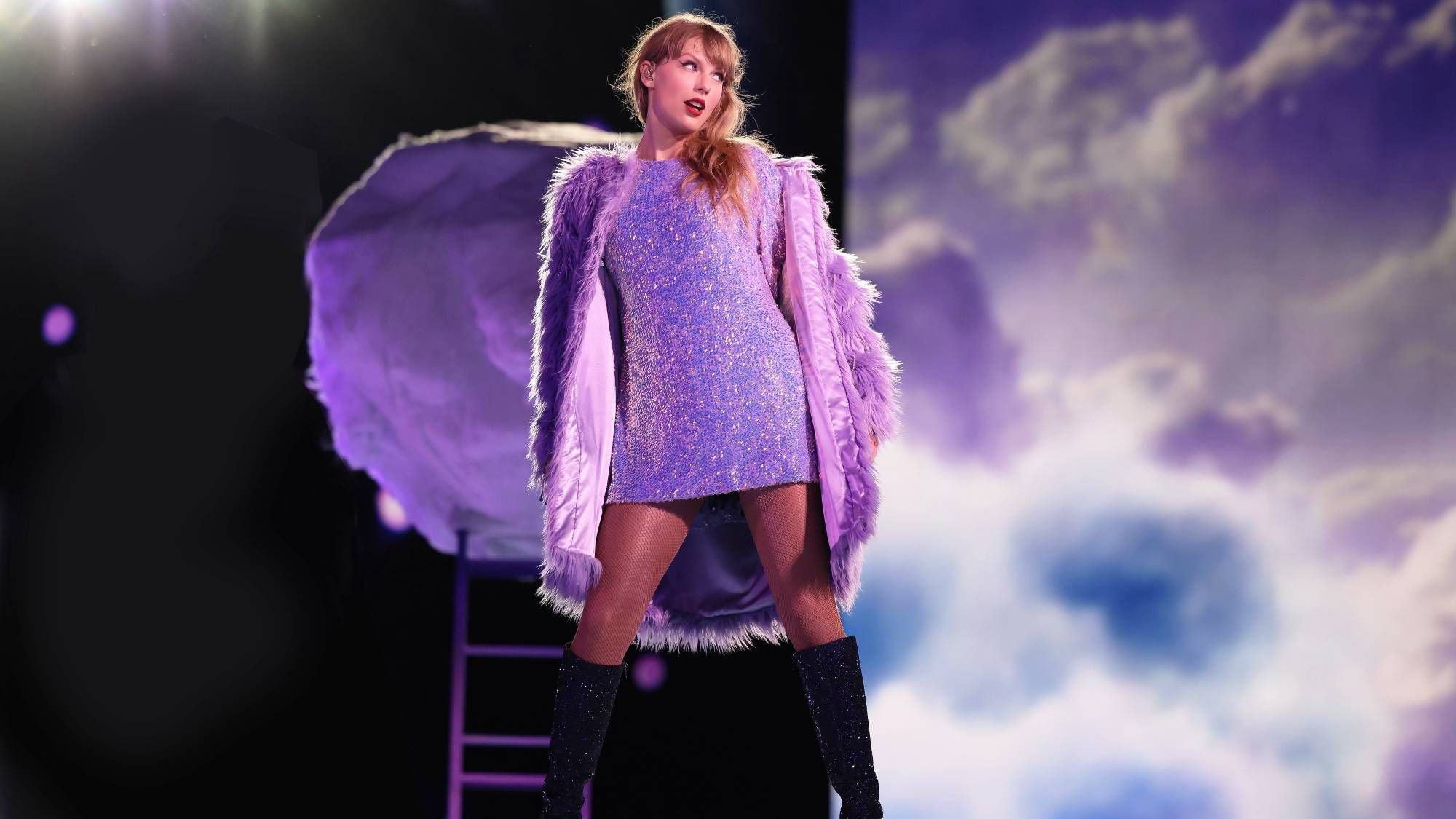
(Image credit: Disney / TAS Rights Management)
For the past few months, my brain has felt like a browser with 47 tabs open. May is an incredibly busy month both personally and professionally, and unfortunately, with so much on my mind, I haven't been as creative as I usually am. Lately, every idea felt recycled or boring and every creative project somehow left me feeling unfulfilled.But after reading a feature in the New York Times about Taylor Swift's creative process, I tried something weird. I asked ChatGPT to help me work like Taylor Swift. I'm not really a "Swiftie" although I do think she has head for business. And while I'm not a singer, I've worked with many artists and have always admired their creativity. Now, I wanted the AI to analyze how she thinks creatively. I wanted to apply the systems, habits and mindset behind the sheer volume of output she’s managed to sustain for nearly two decades without disappearing into irrelevance. And surprisingly, the exercise worked.The 'Taylor Swift' prompt I used
(Image credit: Future)Here’s the exact prompt: “Analyze Taylor Swift’s creative process, work habits, branding strategy and output style. Then help me apply those same principles to my own creative work and idea generation.”To my surprise, ChatGPT broke down several patterns that repeatedly show up in Taylor Swift’s career:She produces constantly instead of waiting for perfectionShe mines personal experiences for materialShe reinvents her presentation without abandoning her identityThat last point hit me especially hard. Because when you’re creatively burned out, you stop building worlds. For me, that often means chasing isolated wins. But the people who stay culturally relevant for years usually aren’t thinking transactionally. They’re creating ecosystems.By using this prompt and applying it to my work, the AI pointed out something I hadn't considered. Taylor Swift is prolific partly because she doesn’t seem emotionally attached to appearing “perfect” during the creation phase. In other words, it's the process that's precious, not necessarily the outcome.That was a wake-up call for me because I realized I’ve been editing ideas before they even have time to breathe.The second an idea pops into my head, another voice immediately jumps in:Get instant access to breaking news, the hottest reviews, great deals and helpful tips.“Someone already did this.”“This sounds dumb.”“This isn’t good enough.”ChatGPT essentially reframed creativity as momentum. And weirdly, once I started thinking that way, ideas started flowing again.Follow up prompts