The Consumer Electronics Show (CES) is one of the largest trade events in the world. Every year, thousands of companies showcase their state-of-the-art technologies to over 100k attendees. It brings together global industry leaders, startups, and media, and is used to launch products and signal future tech trends.
Henry Hickson, a Research Associate at the Hauert Lab, attended CES 2026. In this article he reports on the highlights of the show, exploring how physical AI is moving from experimental labs into consumer technology, and what this shift reveals about the future of robotics, autonomy, and real-world deployment.
All photos and videos in this article are credited to Henry Hickson.
CES 2026: Consumer Electronics Meets Physical AI
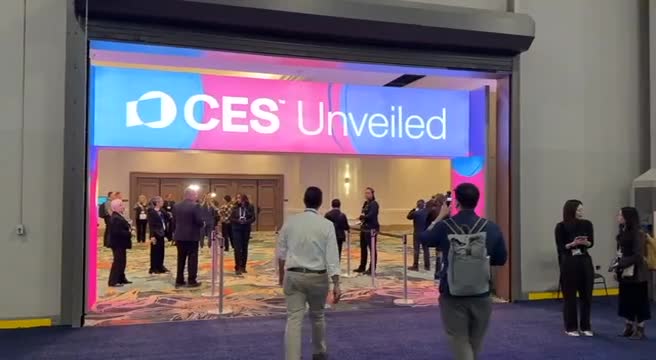
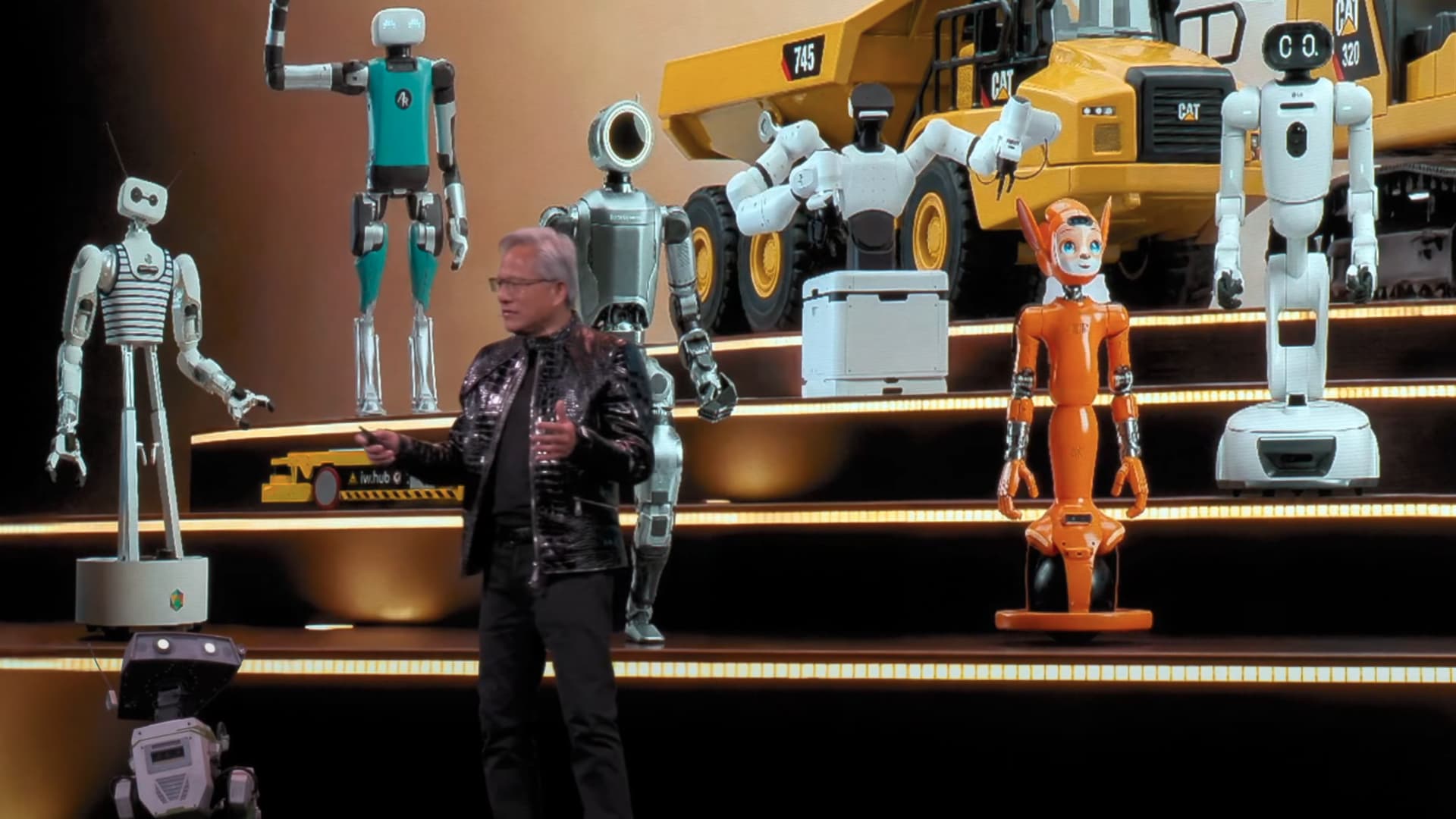
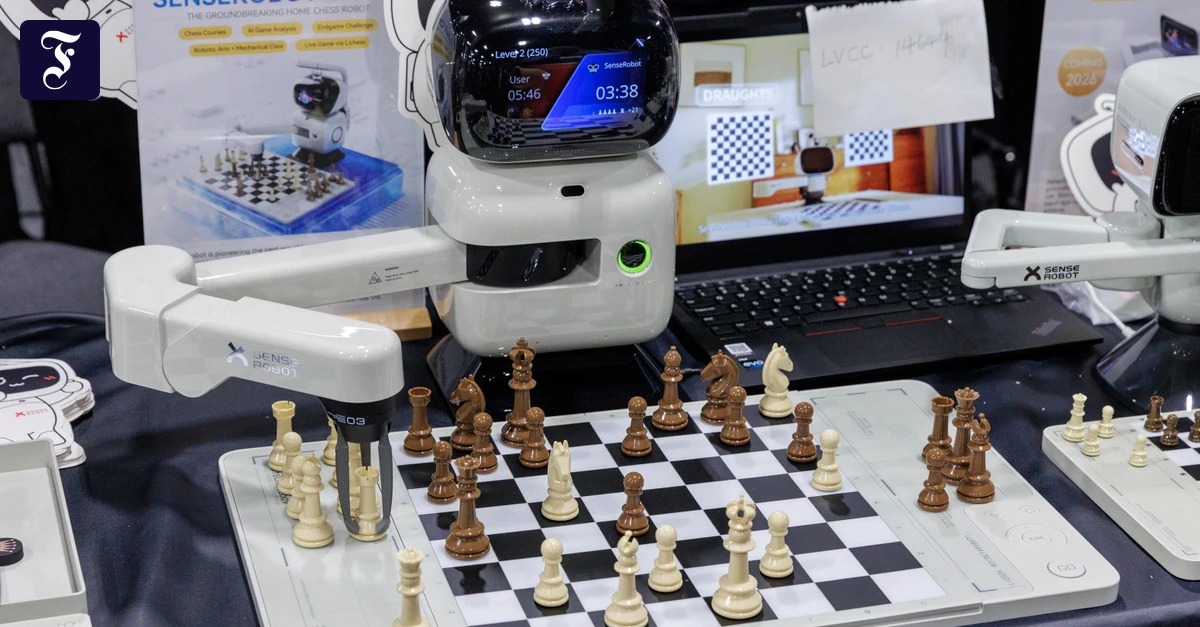
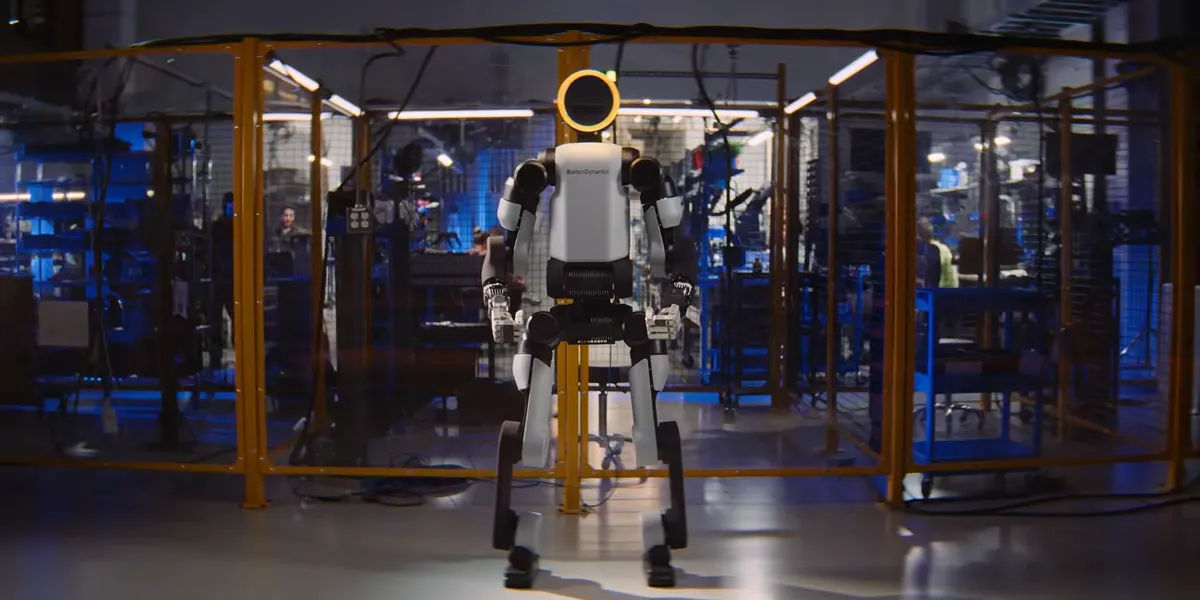
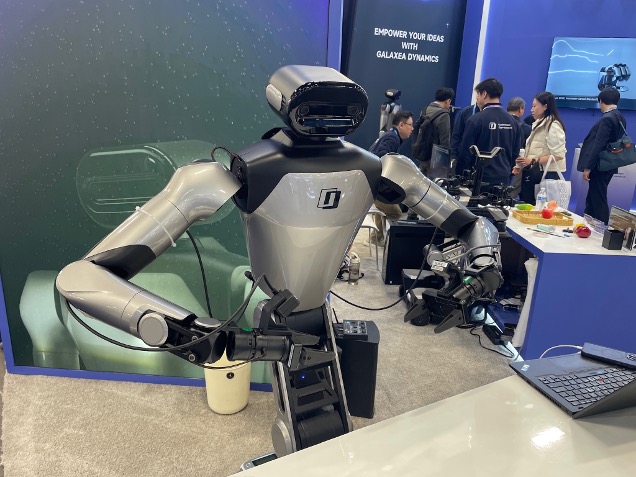
It doesn’t take long after landing in Las Vegas to see the signs of CES 2026. Within minutes, gleaming LED screens announce the show’s presence, and those ubiquitous two letters: AI. One flavour of AI dominated the show, from Jensen Huang’s keynote speech to even the smallest booths on the show floor: physical AI.