Egypt’s debt has grown sharply in recent years. The country’s external debt was $163 billion as of March 2026, necessitating an estimated $8 billion in interest payments per year. Debt management consumes much of the country’s foreign exchange and budget resources, while constraining the government’s ability to fund development projects through new borrowing, especially from foreign institutions. Cairo has long relied on external financing as its primary economic stabilization tool via a combination of foreign assistance, International Monetary Fund (IMF) tranches, and debt rollovers.
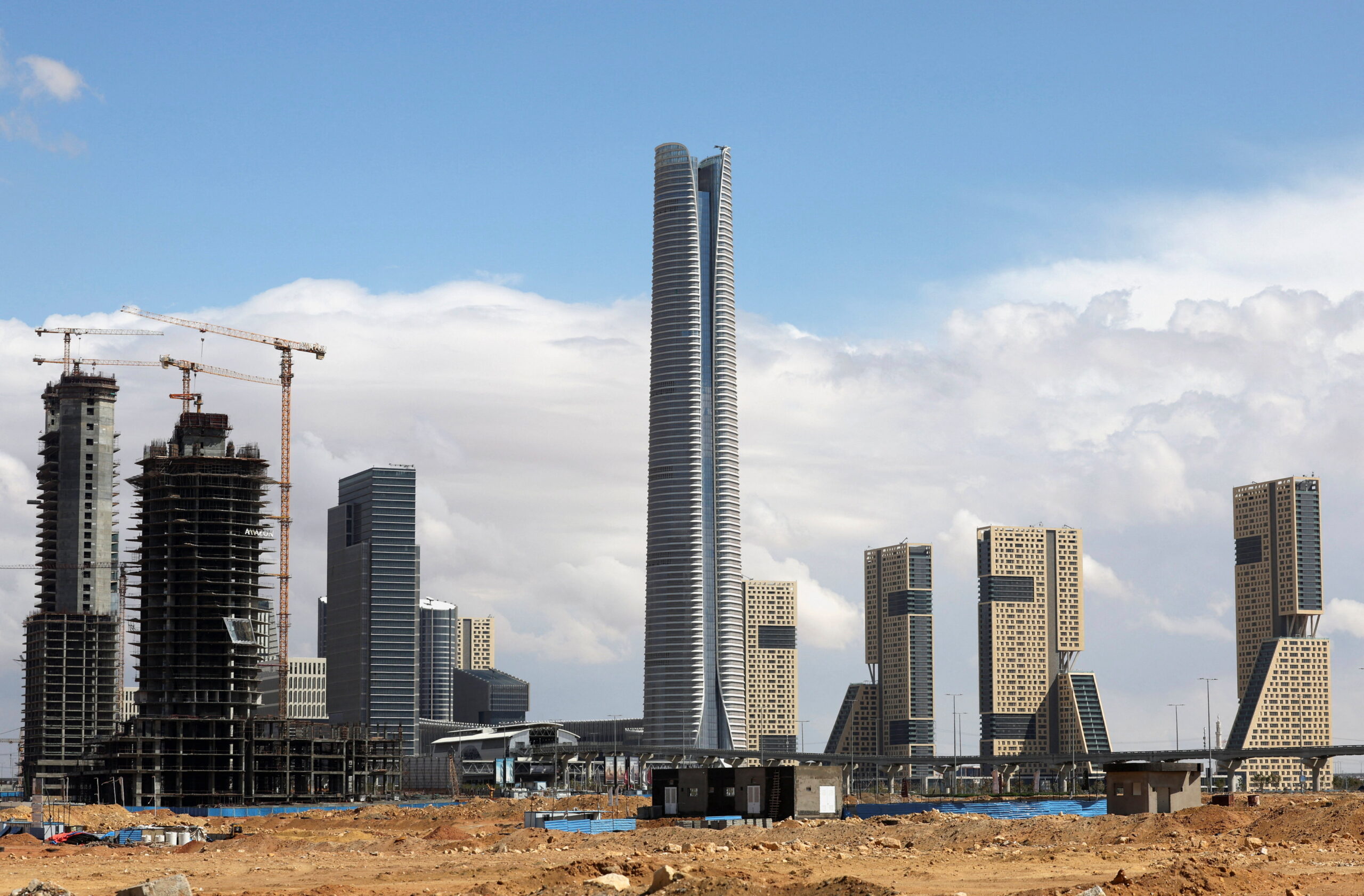
As a mitigation tool, Egypt began shifting in recent years from debt-financed projects to land monetization and development via Chinese and Arab partnerships. Since 2015, Egypt has increasingly contributed public land as equity, while foreign investors provide capital, development expertise, and project execution. Once a project is completed, revenues are shared according to pre-agreed division. This approach received implicit World Bank endorsement when, in 2023, Egypt appointed the bank’s International Finance Corporation as its advisor for the asset monetization program, leveraging its experience supporting emerging markets.