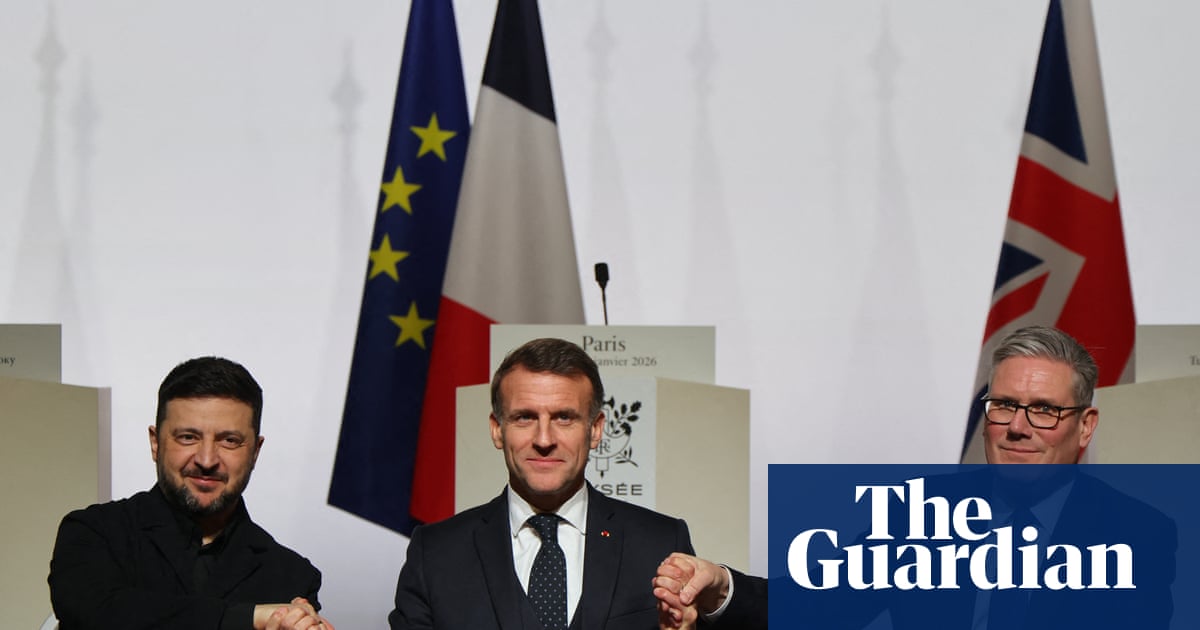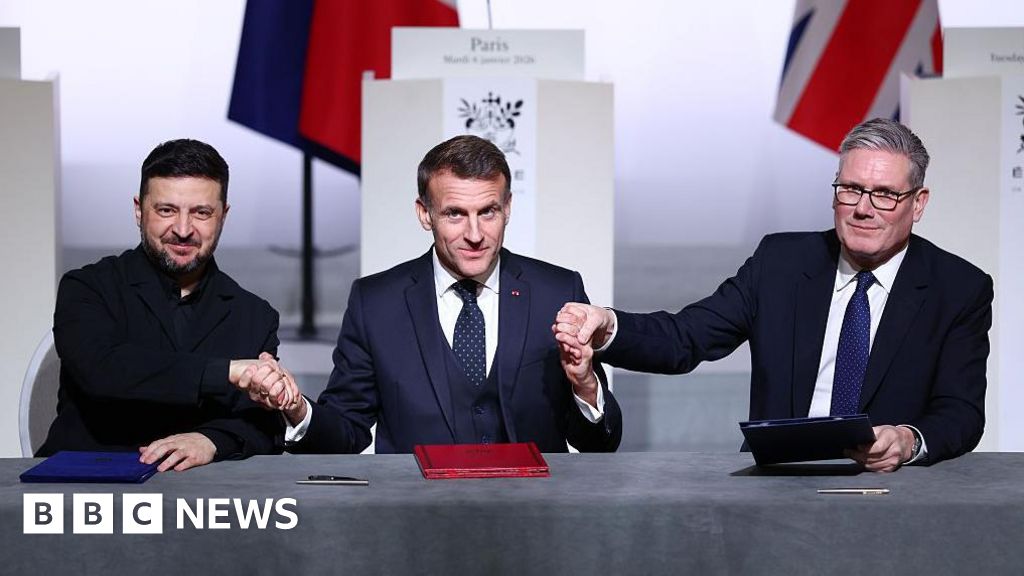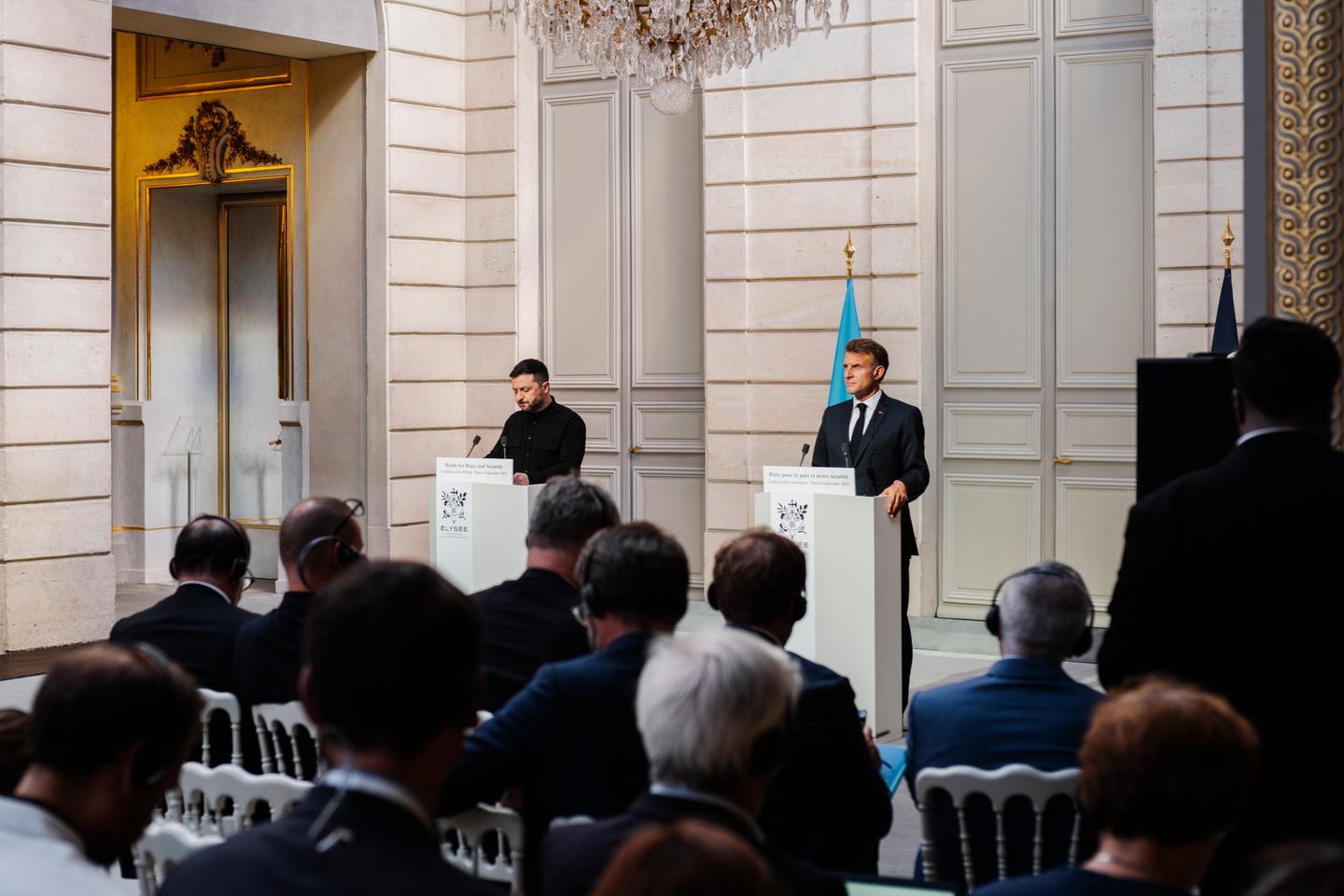
WASHINGTON—As Ukrainian and Russian delegates take stock of resuming peace talks—temporarily on a “situational” hold amid the US conflict with Iran—there is growing agreement among Kyiv’s partners that, after an agreement is reached, Western troops will be needed in Ukraine to monitor and enforce it. Several Western states have already committed to contribute forces, with the United Kingdom and France recently announcing their willingness to deploy troops to Ukraine in a peacekeeping role following a ceasefire. While French and British officials did not offer specifics about the size of the potential deployment, Ukrainian President Volodymyr Zelenskyy suggested that each country would contribute a brigade of around five thousand troops.
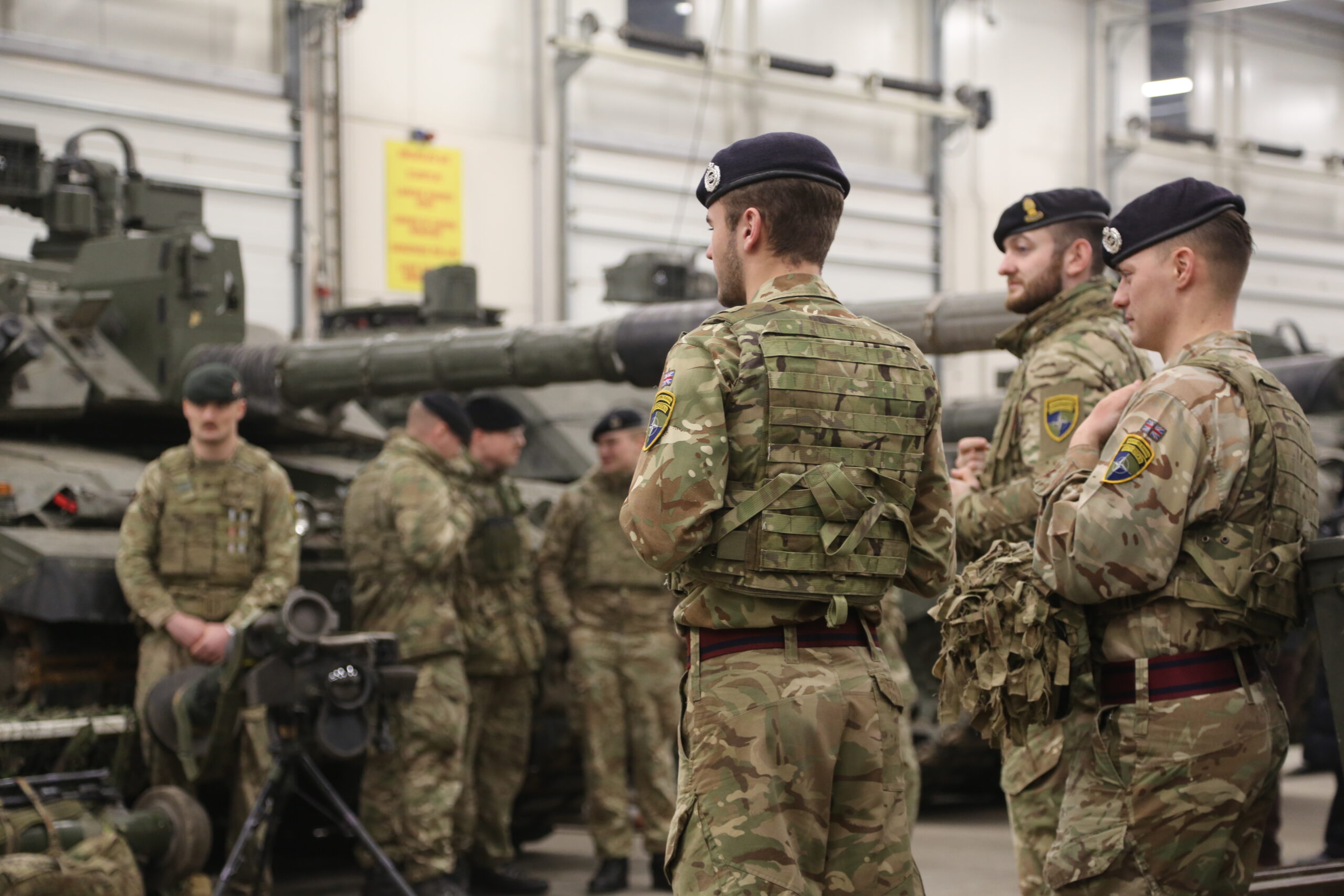
It’s not clear if a deployment of that size is sustainable. Some analysts have warned that for the United Kingdom to sustain such a presence over time would require up to 20,000 personnel, once training pipelines, recovery cycles, logistics, and enabling functions are factored in. With its relatively limited number of around 147,000 full-time active-duty personnel, the British military could be stretched thin by such a deployment.
London has acknowledged its manpower pressures, including in its 2025 Strategic Defence Review, which called for faster recruitment, improved retention, and gradual increase in regular personnel. But these reforms will take time to produce operational effects and highlight the importance of deepened complementarity between allies’ contributions in the near term.