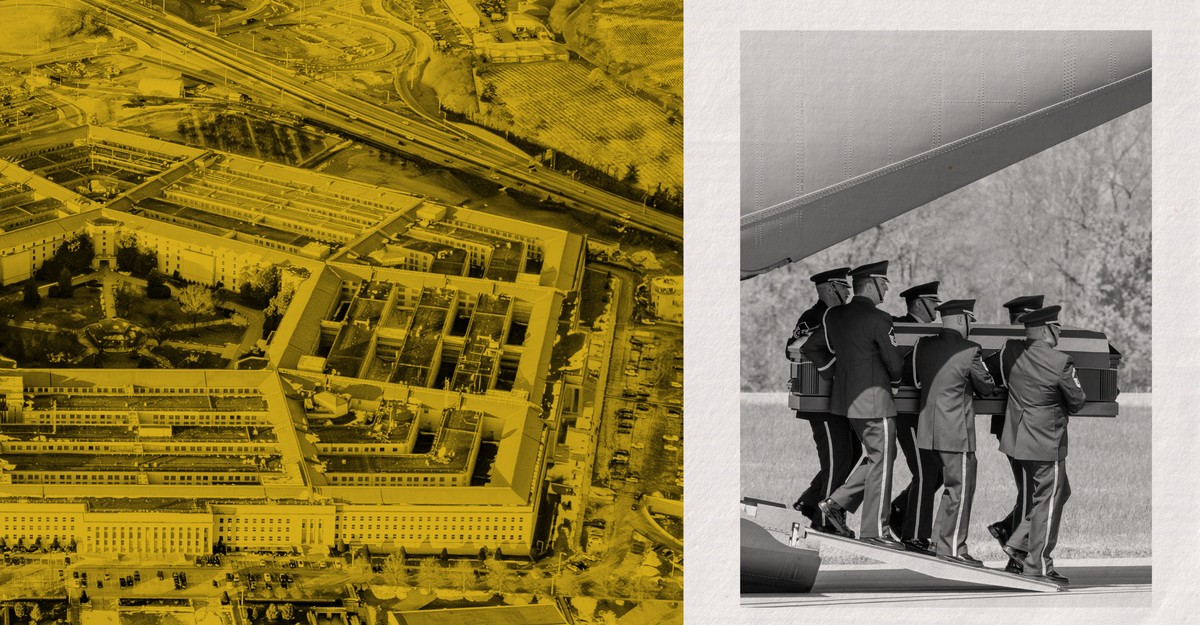
The military claimed the skies were “friendly,” but initial reports suggested otherwise.
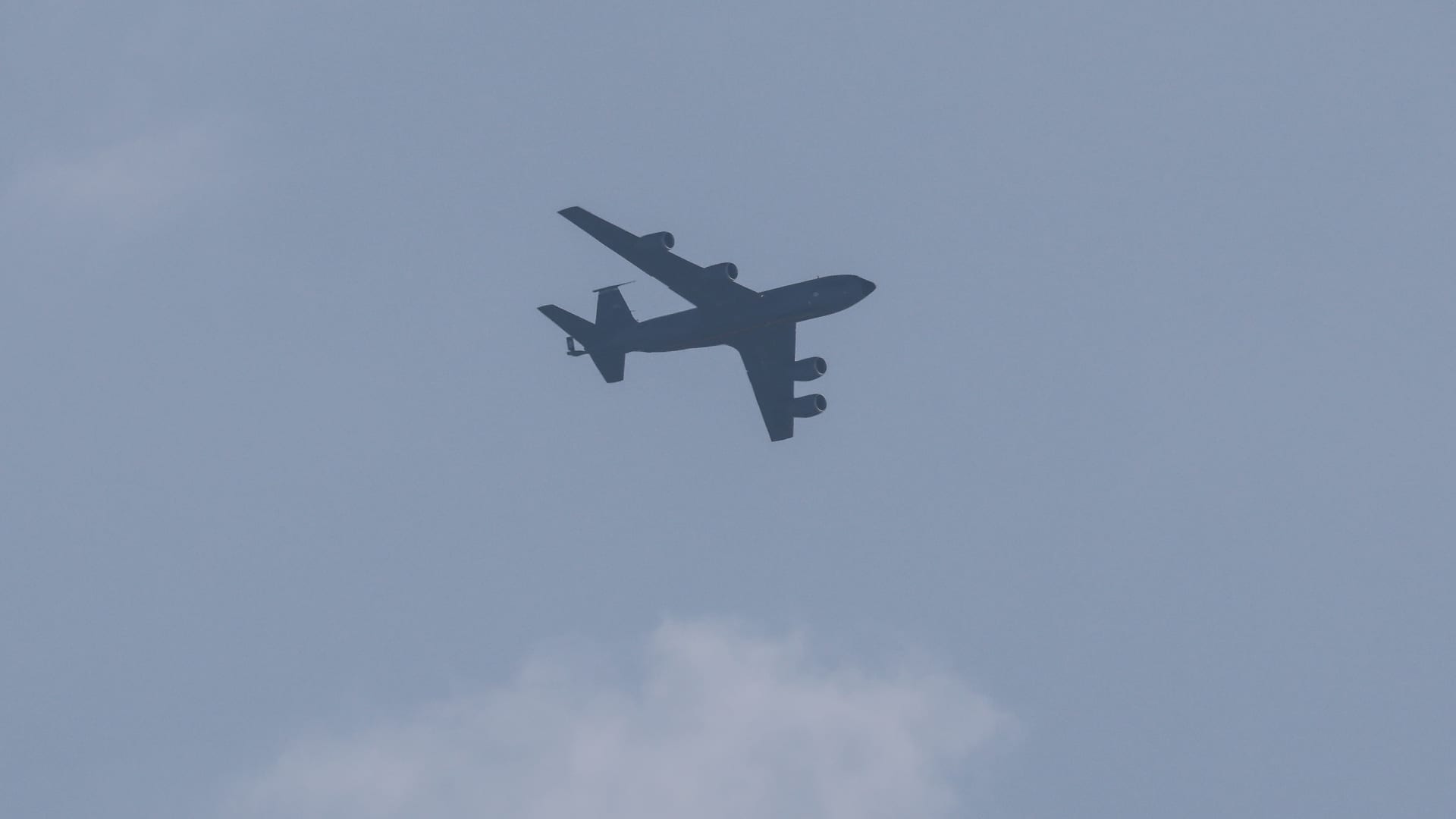
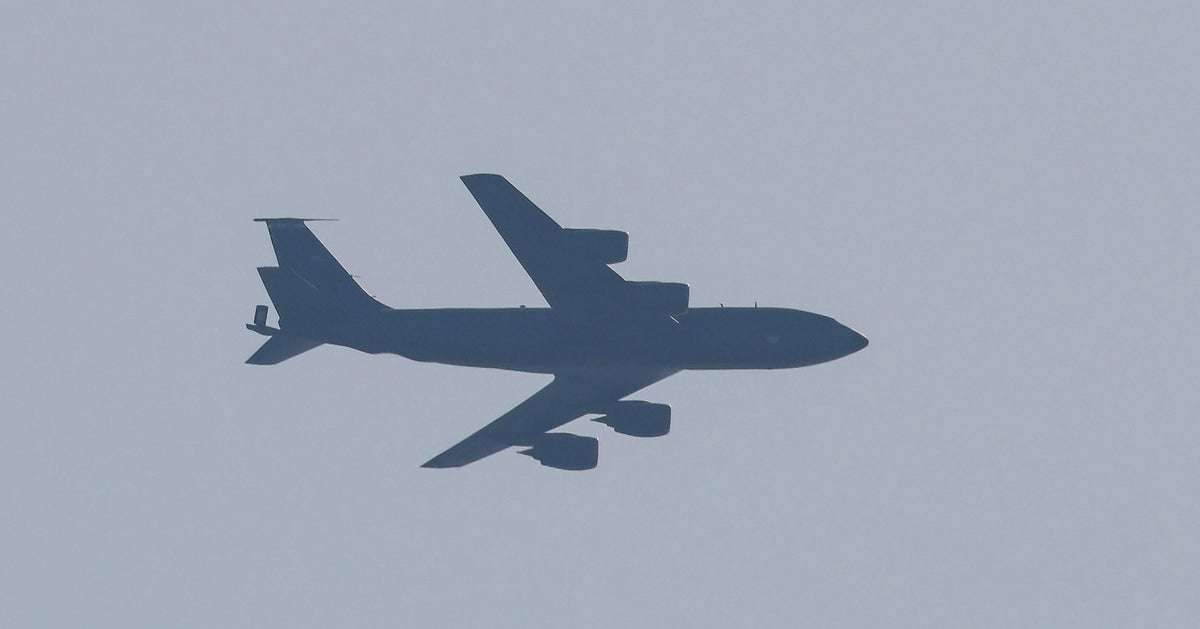
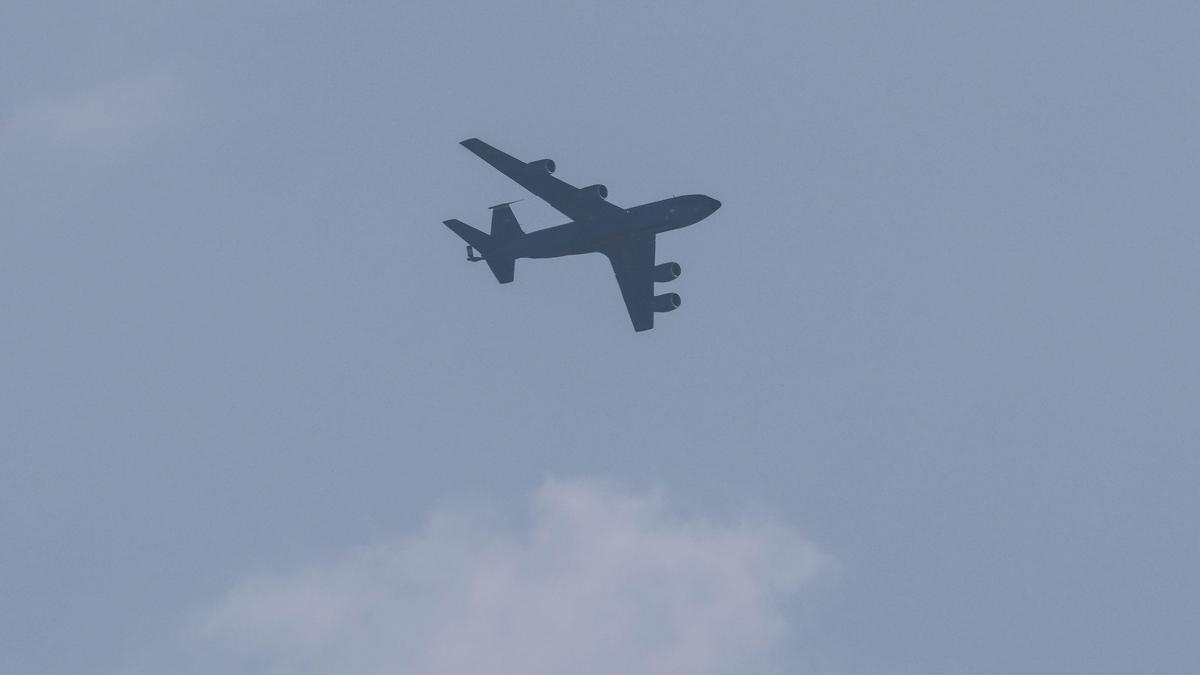
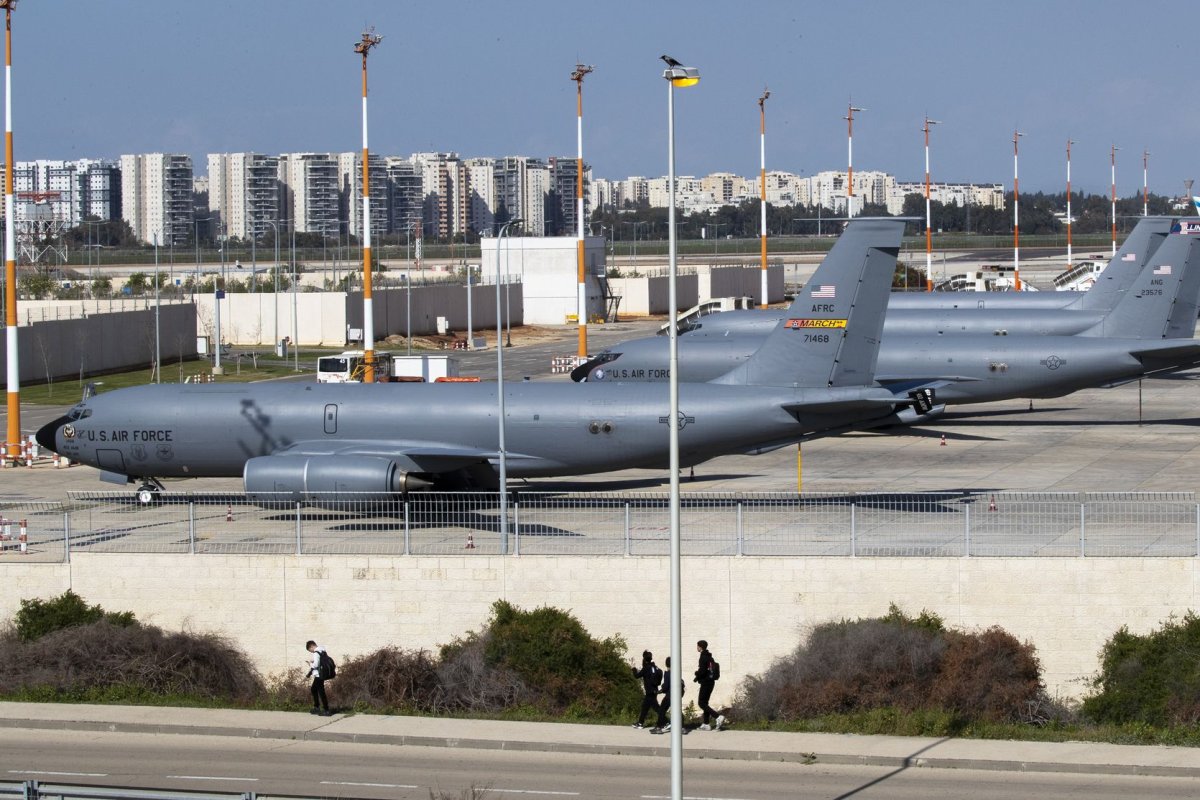
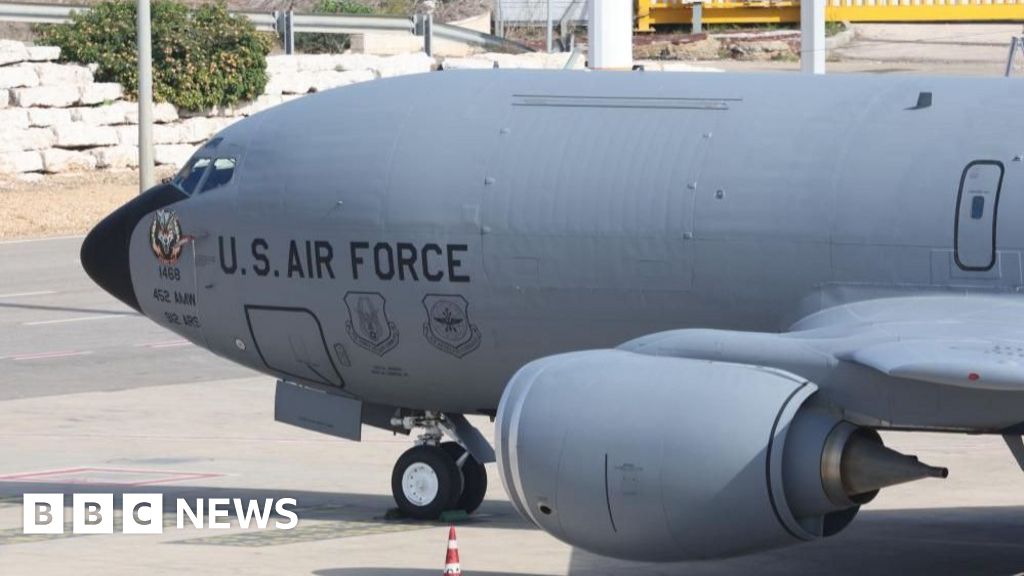
A pair of Air Force refueling planes were flying high over Iraq two weeks into the U.S. and Israeli war against Iran. The KC-135 Stratotankers, which carry up to 200,000 pounds of jet fuel, function as flying gas stations, extending the reach of United States and allied aircraft far from air bases. On March 12, the two tankers collided. One of the planes safely landed with a badly damaged tail; the other crashed, killing six service members, constituting almost half of U.S. military fatalities in the conflict. The same day, U.S. Central Command said that the crash over Iraq’s western Anbar province had occurred in “friendly airspace” and had not been caused by hostile fire.
Initial intelligence reports told a different story. They indicated that the U.S. government had detected anti-aircraft fire by Iran-backed militias in the area around the time of the collision and that the pilots may have been forced to take evasive actions. The reports, which haven’t been previously made public, were described to us by two current officials and one former official. But Centcom’s leaders, citing different, more highly classified information, were convinced that those initial reports were mistaken. Militias had never fired surface-to-air missiles that could have threatened the aircraft, according to their assessment. The initial reports may have picked up instead on launches of missiles aimed at ground targets. That’s why the Pentagon statement asserted that no hostile fire was involved and that the skies were friendly. An Air Force–led investigation is expected to conclude that the disaster was an “avoidable mishap” by pilots operating in congested airspace, military officials told us.