One of the central purposes of campaign finance law is to provide voters with transparency over who is trying to sway their votes. One of the central policy priorities of AI safety group Public First Action is to make AI companies more transparent.
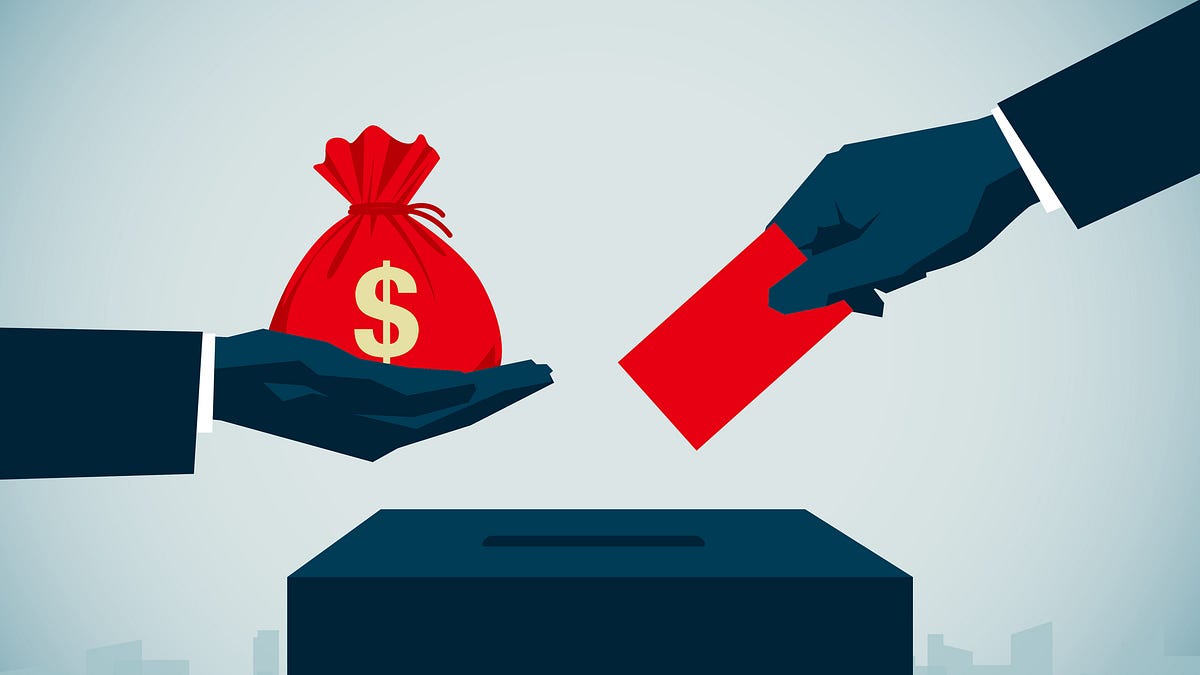
It is ironic, then, that Public First Action is operating as a “dark money” vehicle funneling at least $5.5m from donors to super PACs — a setup that keeps those donors completely anonymous.
Public First Action is a 501(c)(4) nonprofit organization, a structure often referred to as a “dark money” group because they do not need to disclose their individual donors.
It is far from the only AI-related 501(c)(4). Build American AI advocates for the industry-friendly federal frameworks preferred by OpenAI and a16z. The newly established Innovation Council Action exists to support the Trump administration’s specific brand of AI regulation. Both obscure their funding as 501(c)(4)s. But so far, Public First Action is the only one of these channeling money into super PACs.
In theory, 501(c)(4)s are issue advocacy groups, carrying out activities such as hosting educational events or conducting polling. Such work arguably does not have a vital need for funding transparency. But they become more problematic when used to channel money to super PACs, which are otherwise required by law to disclose the identities of those who fund them, and can spend an unlimited amount of money on campaign ads.