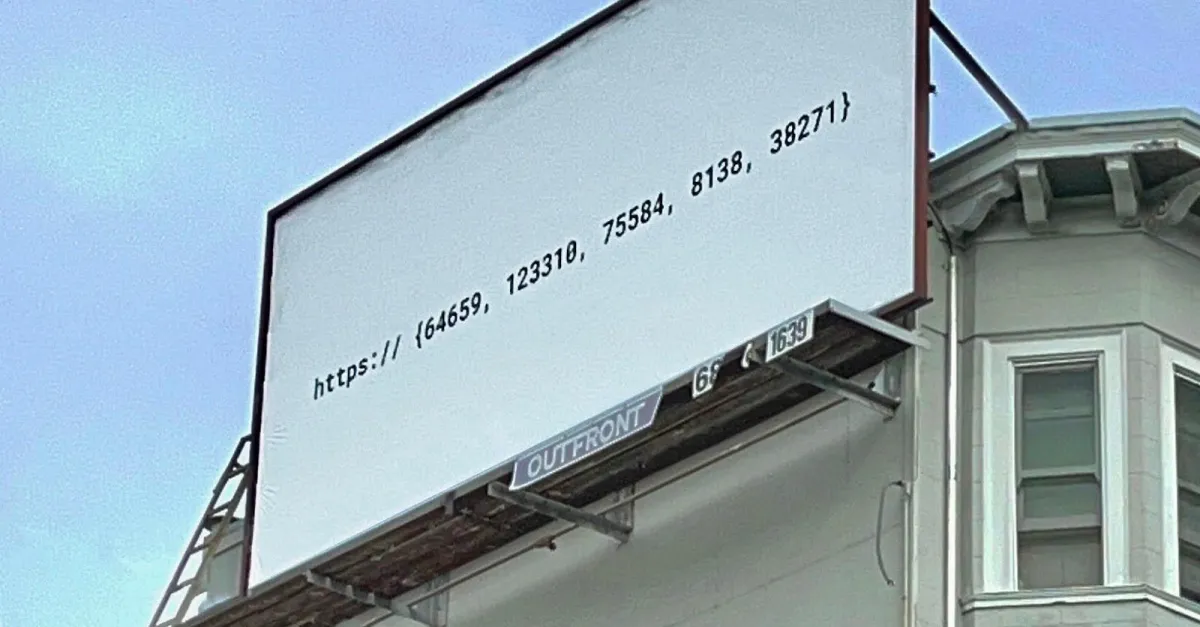
Hello world,
My name is Andrew Losowsky, and I’m Product Director & Editor at The Markup and CalMatters. A few months ago, we wanted to hire a new engineer. Hiring is always a lengthy process, but this time I had to wade through what felt like an ocean of generative AI slop. Fake and exaggerated resumes have always existed, but now, thanks to the rise of AI tools, it’s incredibly hard to know who is even real.
I get why people use AI tools to find work. Job hunting is exhausting. Every employer wants to feel special, but applying takes so long that, according to a recent report, 65% of jobseekers use AI automation tools to find work, including some that promise to “tailor your resume for each role.” And why not, if employers are using AI to screen resumes anyway? (We don’t do this.) However, there’s also been a lot of reporting over the past year about fake candidates for technical roles.
Within 12 hours of posting the role, we received more than 400 applications. At first, most of these candidates seemed to be genuine. However, as the person who had to read them all, I quickly saw some red flags, which were all clear indicators of inauthenticity:
Contact information, such as email addresses and phone numbers, was repeated across multiple applicants, although their names didn’t always match the names in the email addresses. In at least one case, two totally different resumes were submitted under the same name, mailing address, and phone number.