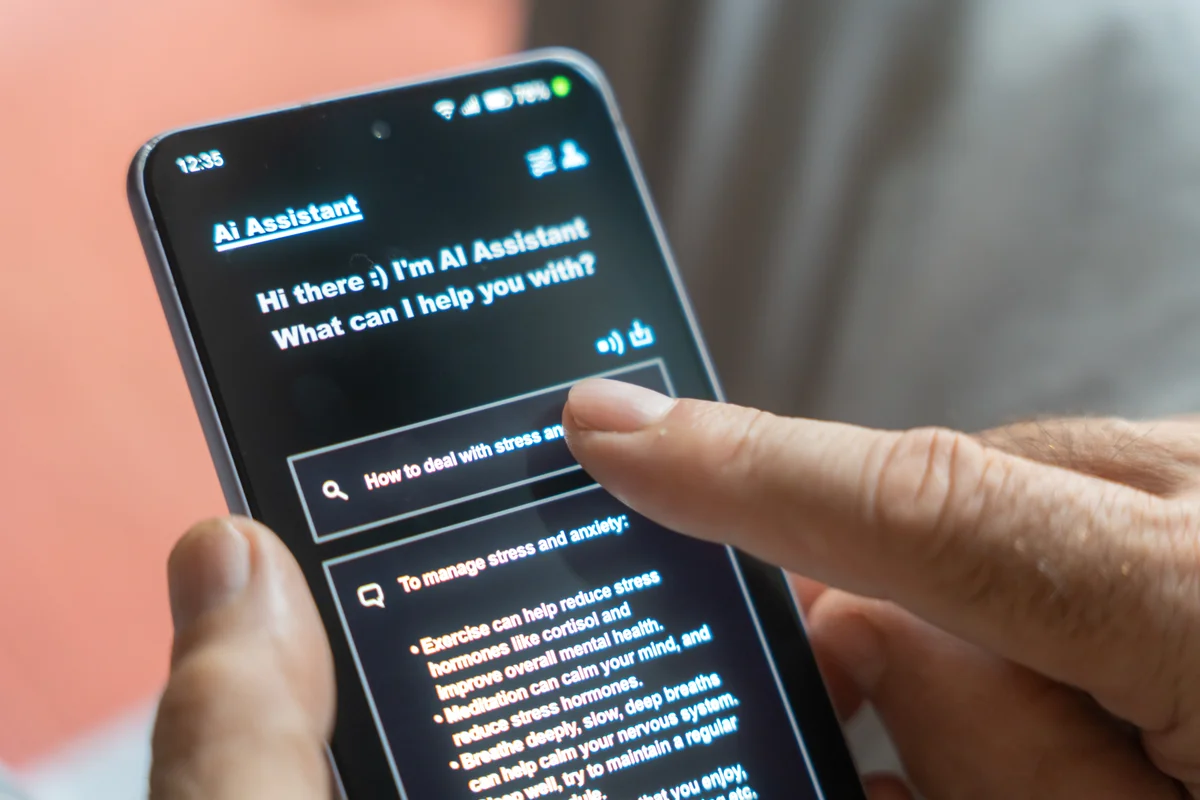
AI is creating a significant shift in how people access health care, yet public attitudes to the technology remain deeply divided, according to a major new study by King's Health Partners, Responsible AI UK and the Policy Institute at King's College London.
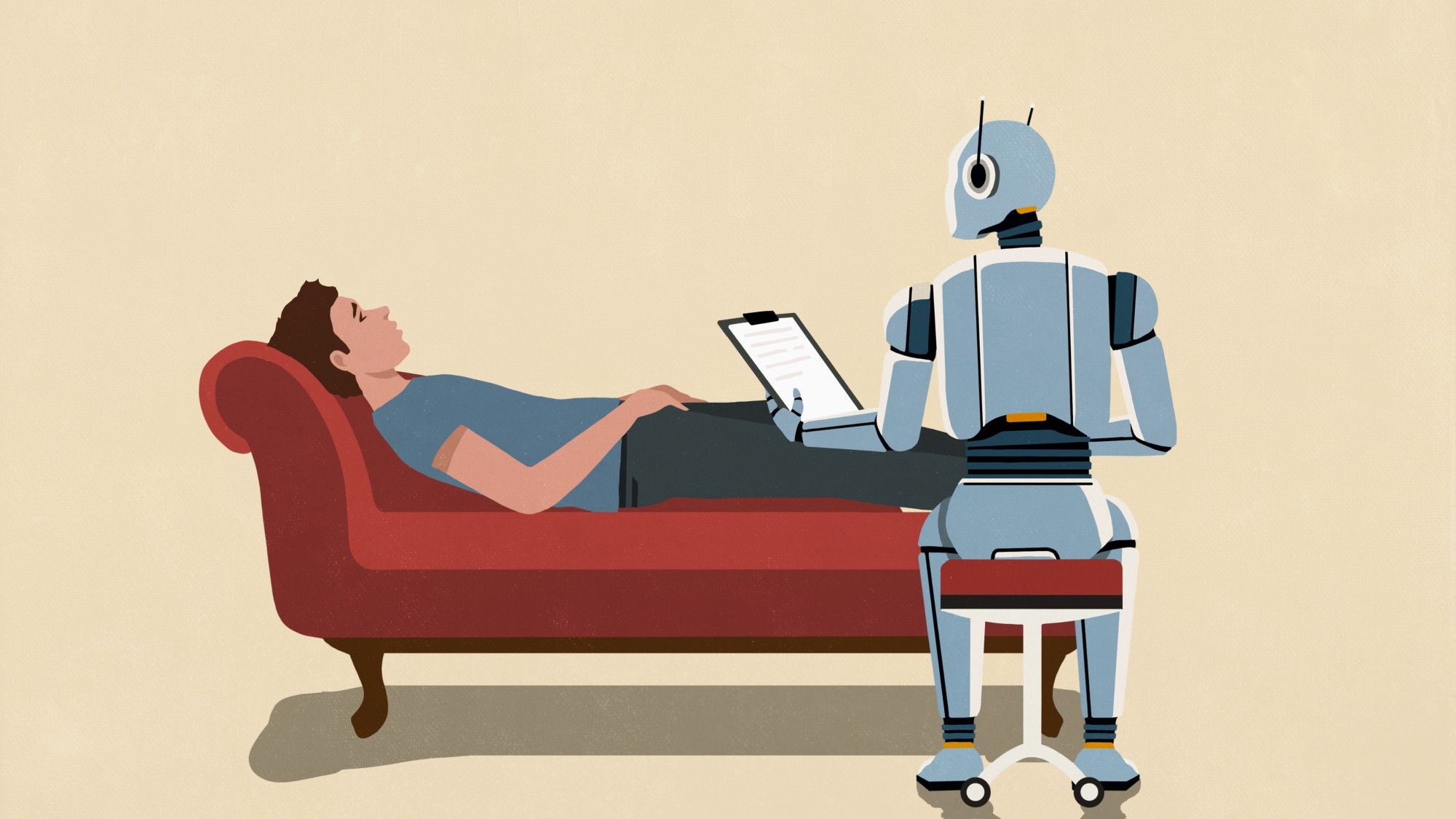
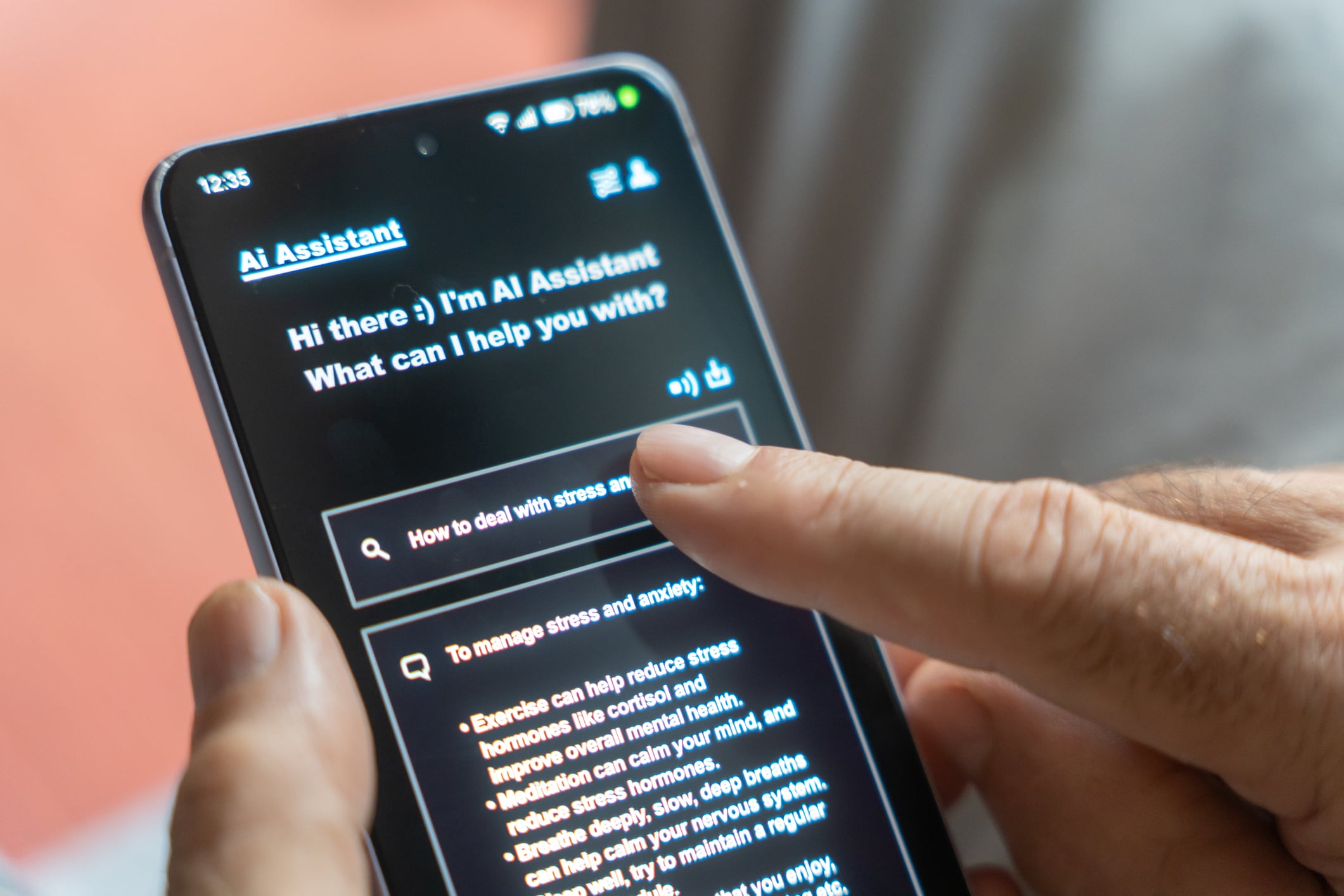
The research finds that 1 in 7 (15%) of the public have used AI chatbots for health advice instead of contacting a GP or other NHS service, and one in ten (10%) say they have used AI for mental health therapy or wellbeing support instead of seeing a trained professional.
But the findings raise questions about the risks of this shift. One in five (20%) of those who sought health advice from AI say the technology did not encourage them to seek a professional opinion—and a similar proportion (21%) report having decided against seeking professional health care advice because of something an AI chatbot said. This comes as recent evidence shows AI chatbots misdiagnose in up to 80% of early medical cases.
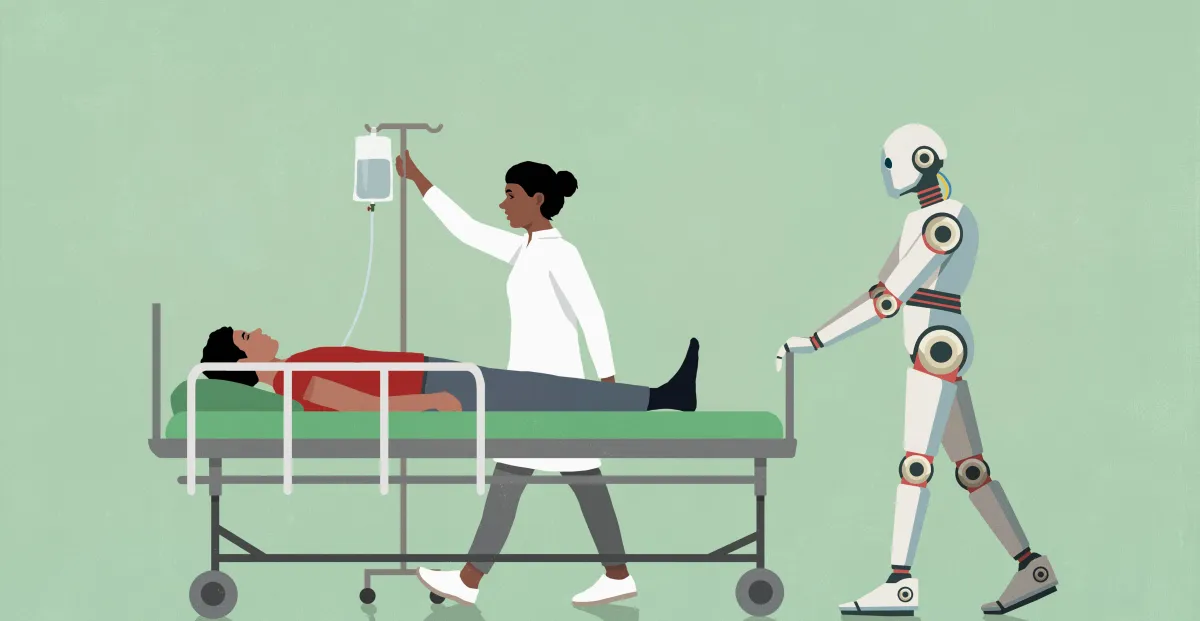
The findings come as the government moves to accelerate the adoption of AI across the NHS, and as the National Commission into the Regulation of AI in Health care considers how the regulatory framework needs to evolve. At present, there is no single regulatory framework for AI in health care—a gap that critics including the Nuffield Trust and Royal College of Physicians have described as a "wild west" of AI adoption. The study finds: