For many women with lipedema, the diagnosis comes after years of being told the same thing: eat less, not more. The problem is that the fat accumulating around their hips and legs isn't responding to diet or exercise, because it was never caused by them in the first place.
Lipedema is a long-term condition that affects the way fat is stored in the body. It mainly affects women and usually develops or worsens at times of hormonal change, such as puberty, pregnancy or menopause. The link with these life stages is one reason researchers think hormones may play a role, although the exact cause is still not fully understood.
Lipedema may also run in families, which suggests that genetic factors could be involved.
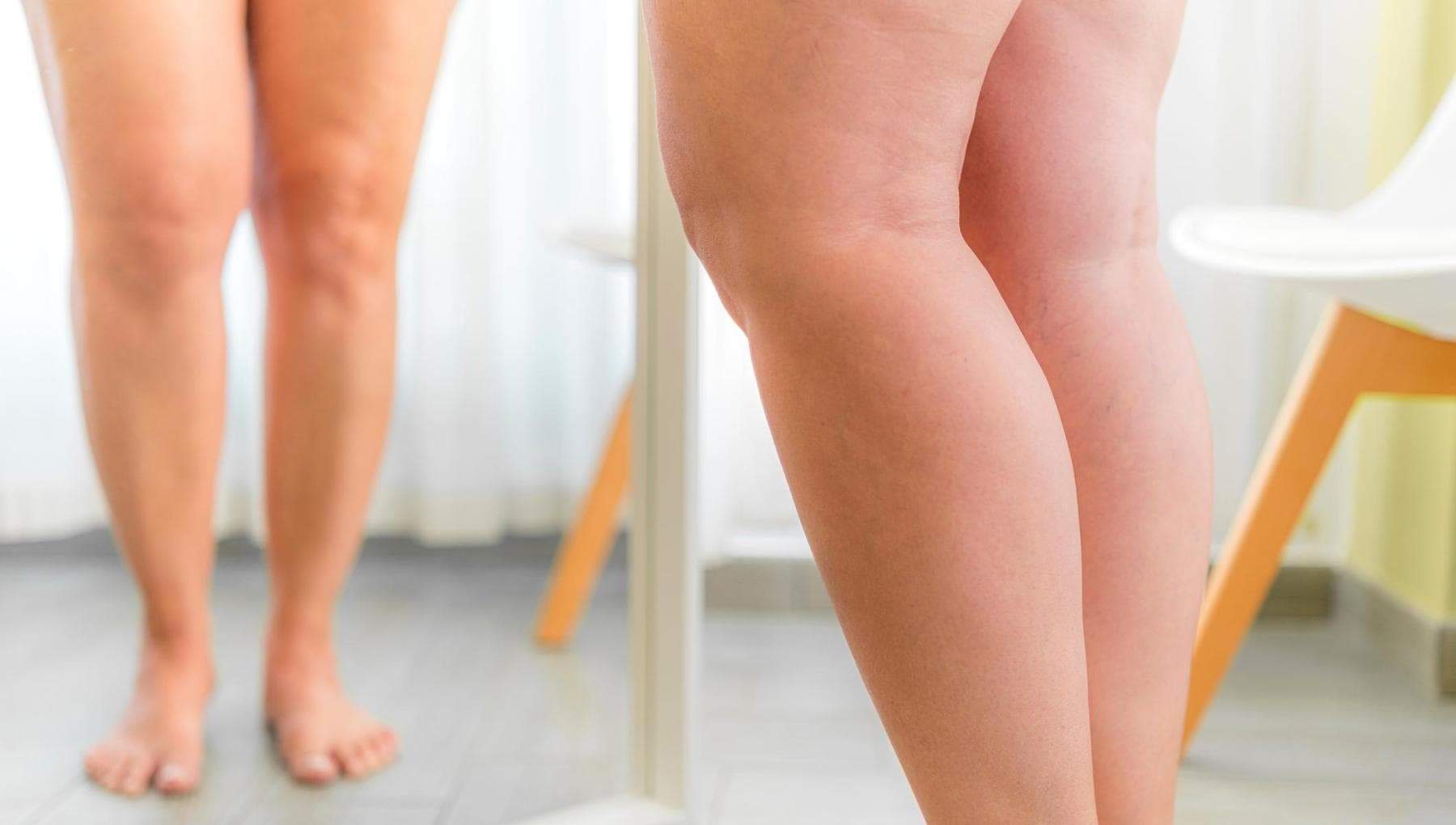
It usually appears as a symmetrical build-up of fatty tissue around the hips, buttocks and legs. In some people, it also affects the arms. The upper body may remain much smaller, which can make the body look noticeably out of proportion. A common feature is that the hands and feet are usually unaffected, so there may be a clear difference between the affected limbs and the unaffected hands or feet.
Lipedema is often mistaken for general weight gain, obesity or lymphedema. Lymphedema is swelling caused by a build-up of fluid when the lymphatic system is not draining properly.