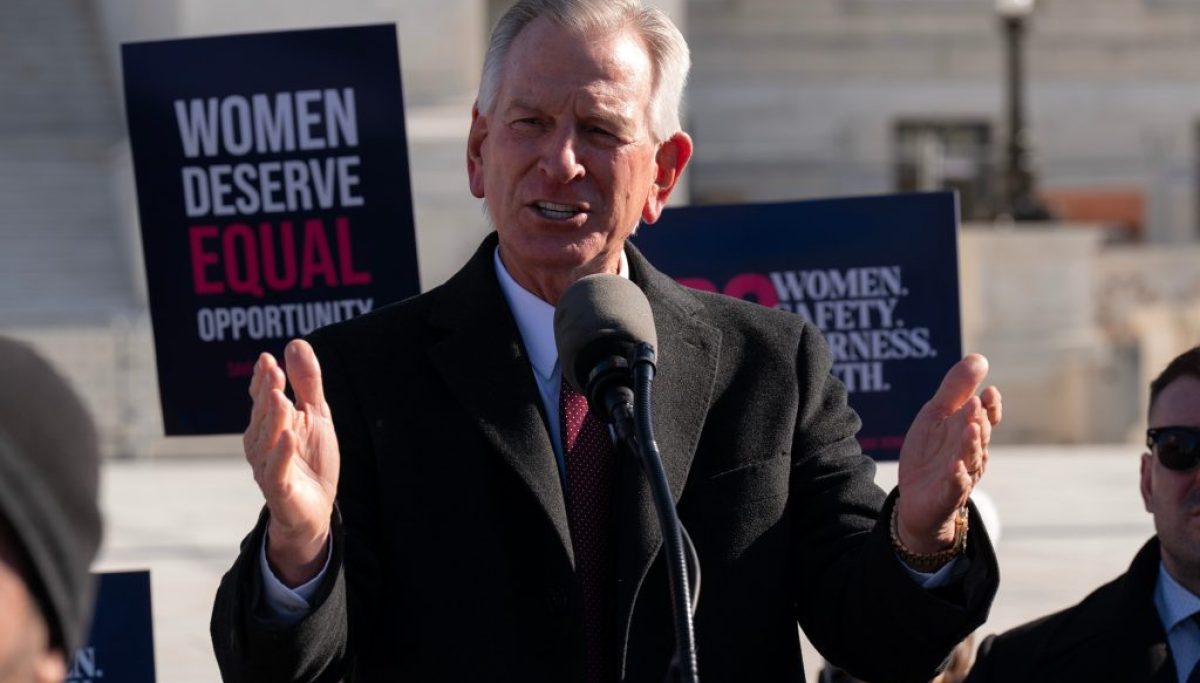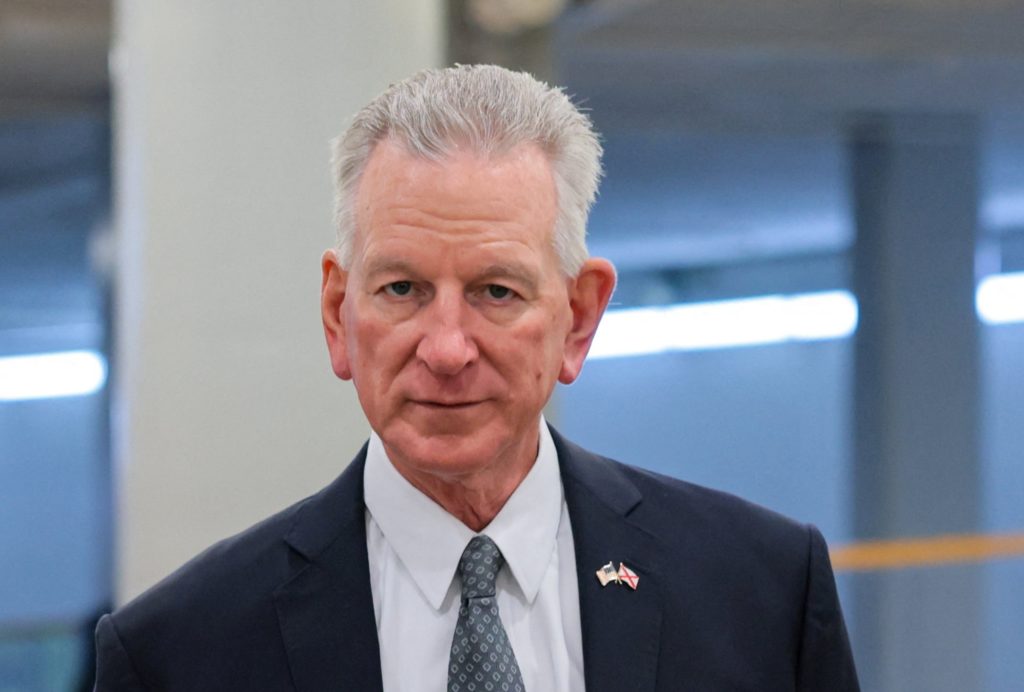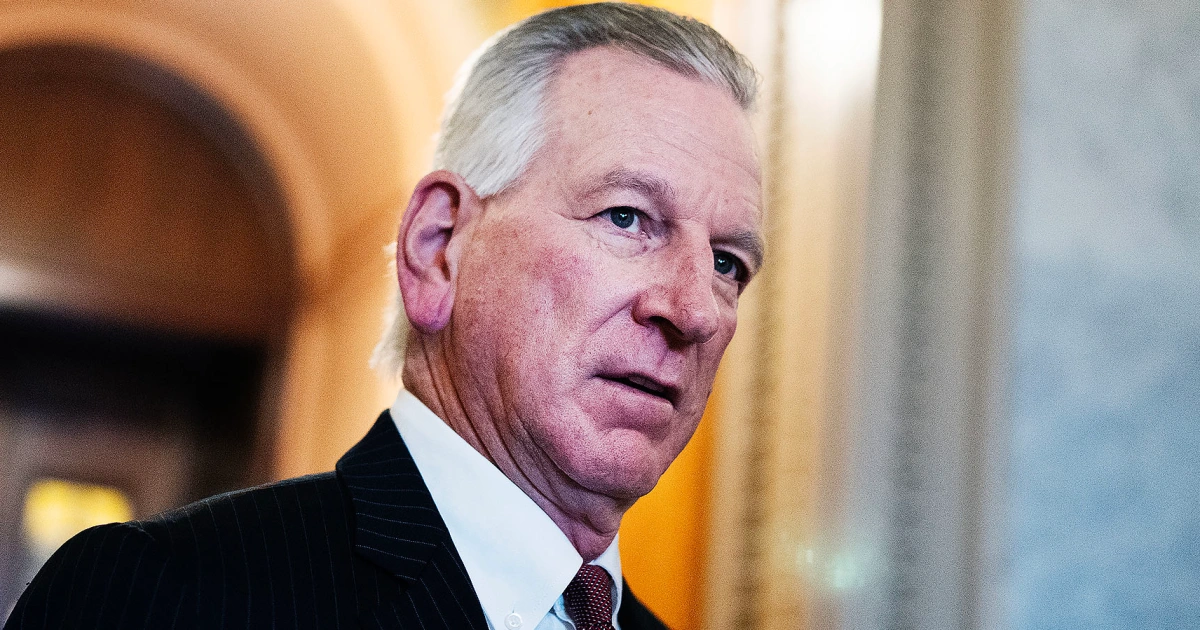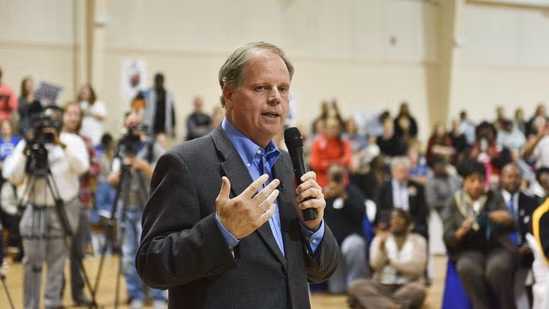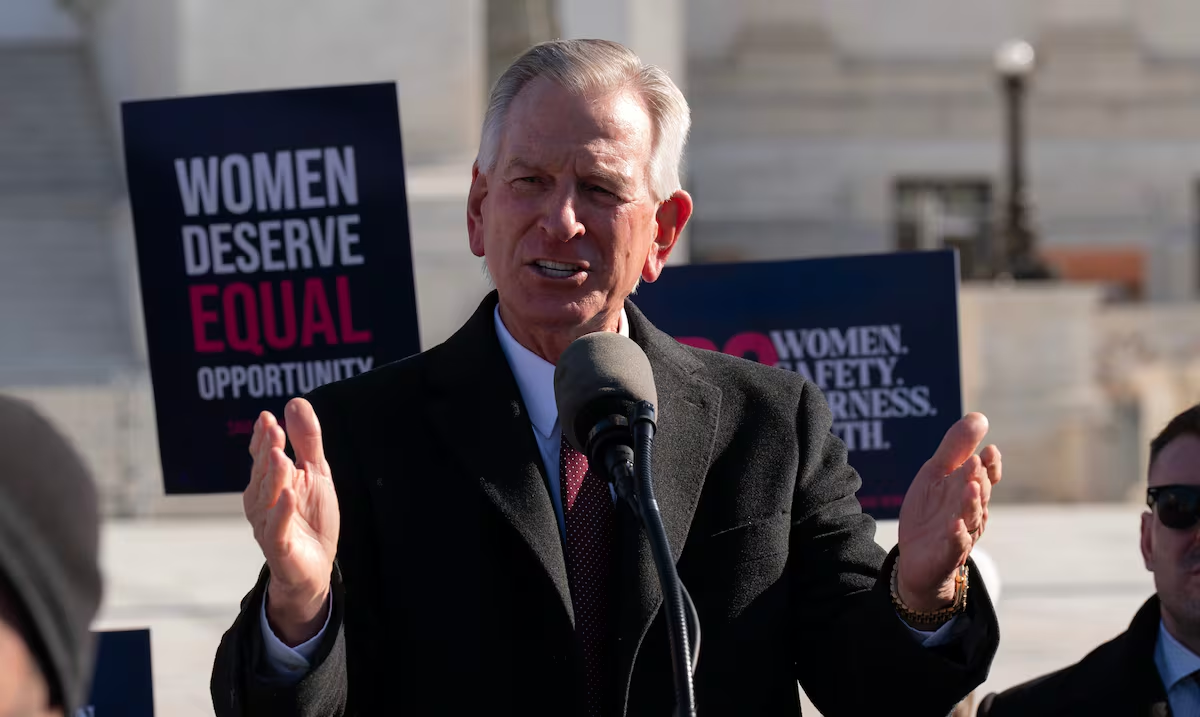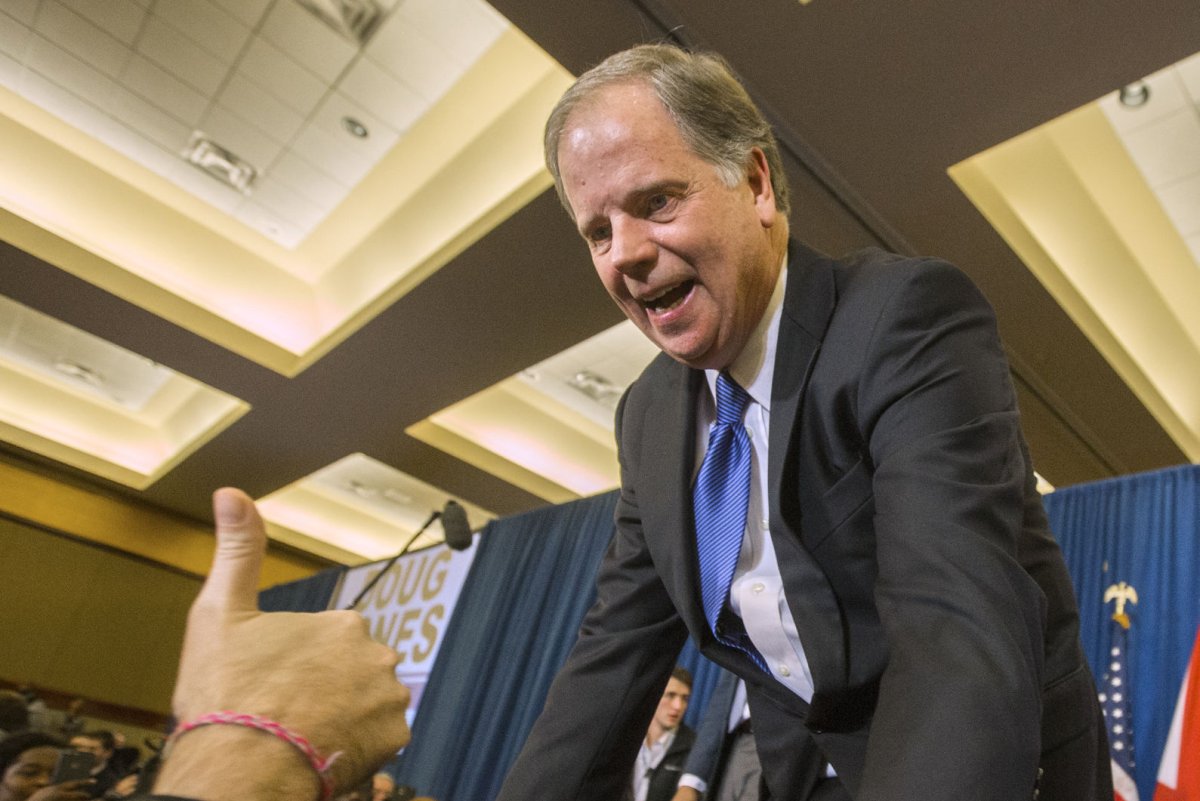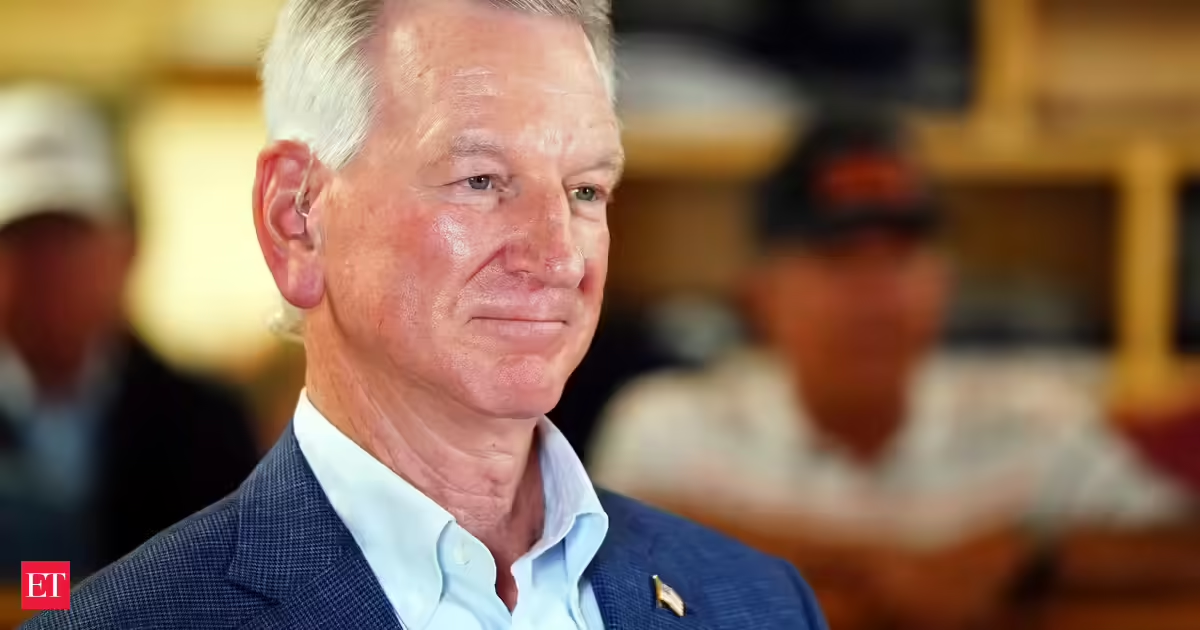
In a significant development from the May 19, 2026 primary elections, US Senator Tommy Tuberville won the Republican nomination for governor of Alabama, positioning him as the likely next chief executive of the deep-red state. On the Democratic side, former US Senator Doug Jones emerged victorious in his party’s gubernatorial primary, setting up a rare and closely watched rematch between the two figures who previously competed in Alabama’s 2020 Senate race.Republican primary: Tuberville triumphsSenator Tuberville, who has represented Alabama in the US Senate since 2021, was projected to win the Republican gubernatorial primary convincingly. The victory in the GOP contest almost certainly ensures his place atop the ballot in November’s general election. Tuberville’s campaign benefited from his high profile in the state, including his previous career as a successful college football coach and alignment with conservative priorities.A long-time stalwart of Republican politics, Tuberville was first elected to the Senate in 2020 with roughly 60.1% of the vote against Democratic incumbent Doug Jones. During his Senate tenure, he repeatedly sided with President Donald Trump and conservative causes. His decision to forego a second Senate bid in favor of running for governor opened up a competitive primary for his current Senate seat.Campaign dynamics and controversiesAhead of the primary, Tuberville’s eligibility was questioned by a GOP rival who filed a residency challenge, asserting that Tuberville maintained a primary residence outside Alabama. A judge dismissed this effort just before the election confirmed the primaries would proceed without delay.Tuberville officially entered the governor’s race in early 2025, emphasizing economic growth and state leadership. His campaign raised significant funds compared with other Republican contenders, underscoring his dominance in the race.Democratic primary: Jones returns to the frayOn the Democratic side, former US Senator Doug Jones secured his party’s nomination for governor. Jones, who narrowly won a 2017 special Senate election and later lost his seat to Tuberville in 2020 by about 20 percentage points, campaigned on a message of bringing effective governance back to statewide office in Alabama.Jones’s victory in the Democratic primary marks his continued prominence in Alabama politics. He is the first Democrat in decades to win statewide office, and his return to a high-profile race offers Alabama Democrats a familiar candidate with broader name recognition. A 2025 campaign announcement highlighted Jones’s resolve to “fight for” the state in a general election rematch against Tuberville.Alabama’s political landscape heavily favors Republicans. Democrats have not won a gubernatorial election in the state since 1998, reflecting a broad conservative tilt that has endured for decades. In addition, President Trump carried Alabama by a substantial margin, estimated in recent data at approximately +30 points, in the 2024 presidential election.Tuberville’s alignment with Trump and commitment to conservative policies are key elements of his appeal to GOP primary voters. Conversely, Jones’s centrist Democratic approach seeks to attract moderates and independents, though the state’s partisan lean presents a substantial challenge.With both major parties’ nominees now confirmed, the 2026 Alabama gubernatorial general election on November 3, 2026 will feature a rematch-style contest between Tuberville and Jones. Tuberville, by securing the Republican nomination, has taken a major step toward replacing outgoing Republican Governor Kay Ivey, who is term-limited and ineligible to run again.
Tommy Tuberville secures GOP nomination for Alabama governor; faces Democrat Doug Jones again
Senator Tommy Tuberville secured the Republican nomination for Alabama governor, while former Senator Doug Jones won the Democratic primary. This sets up a highly anticipated rematch between the two figures who previously competed in the 2020 Senate race, with Tuberville now positioned as the likely next chief executive of the deep-red state.
529 words~2 min read