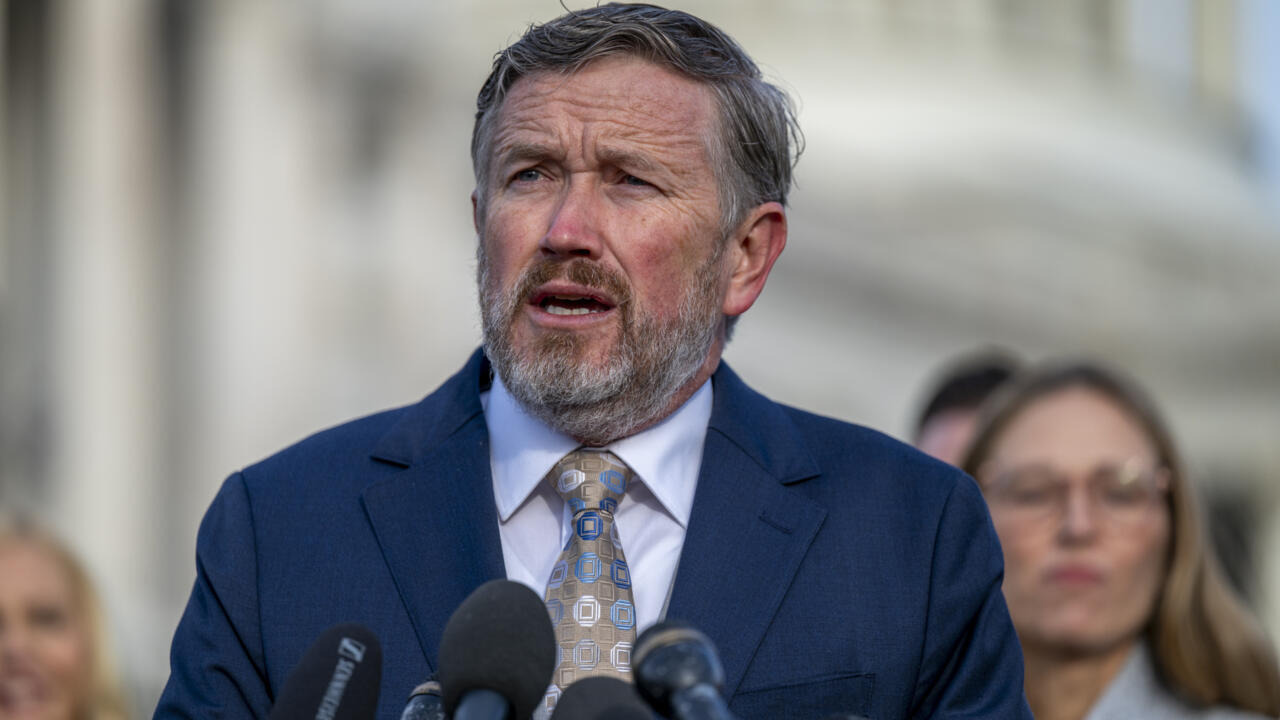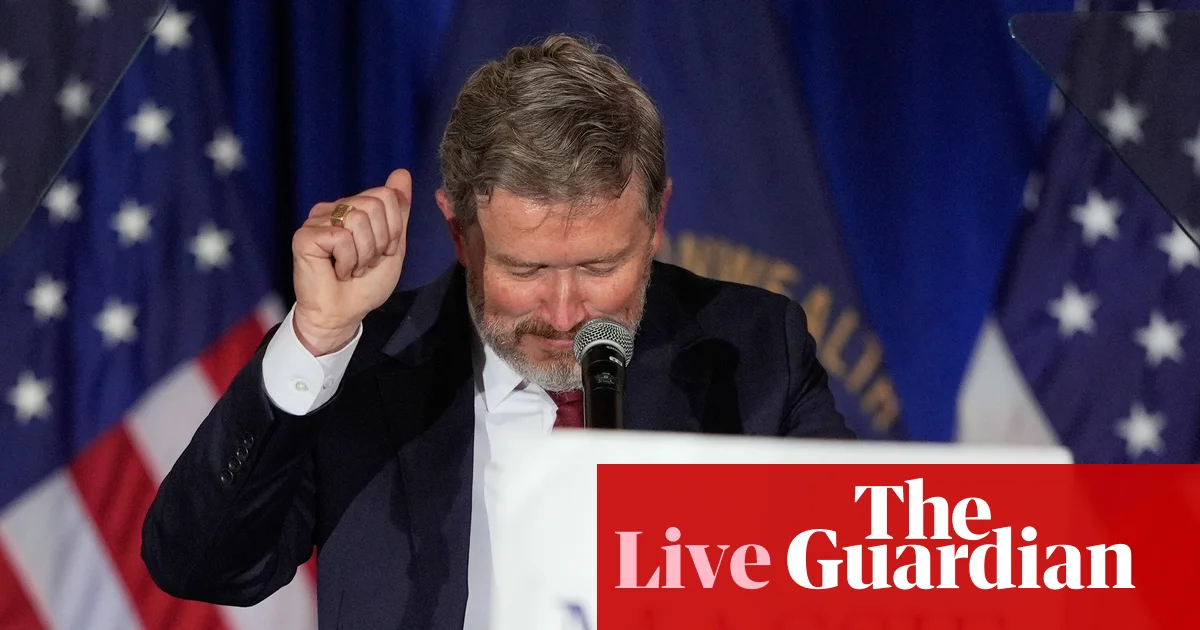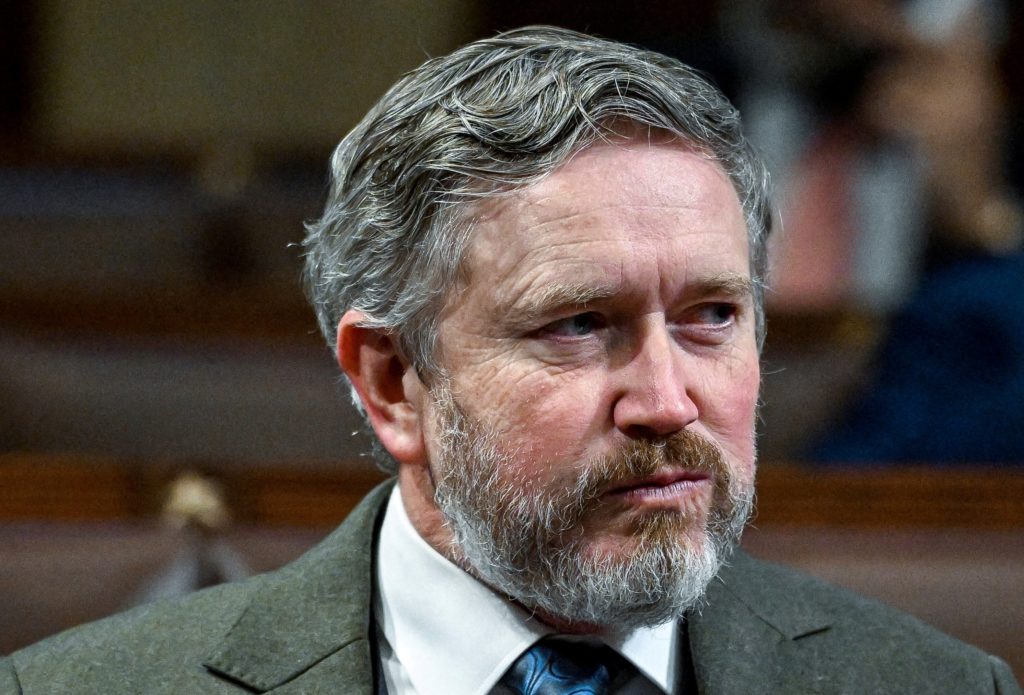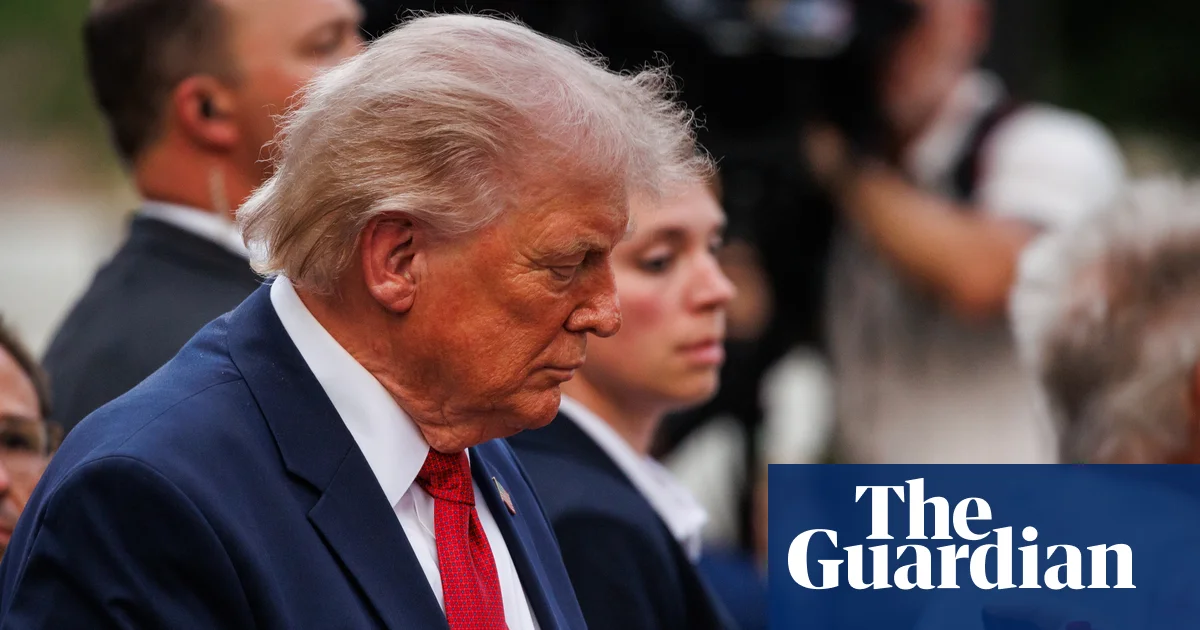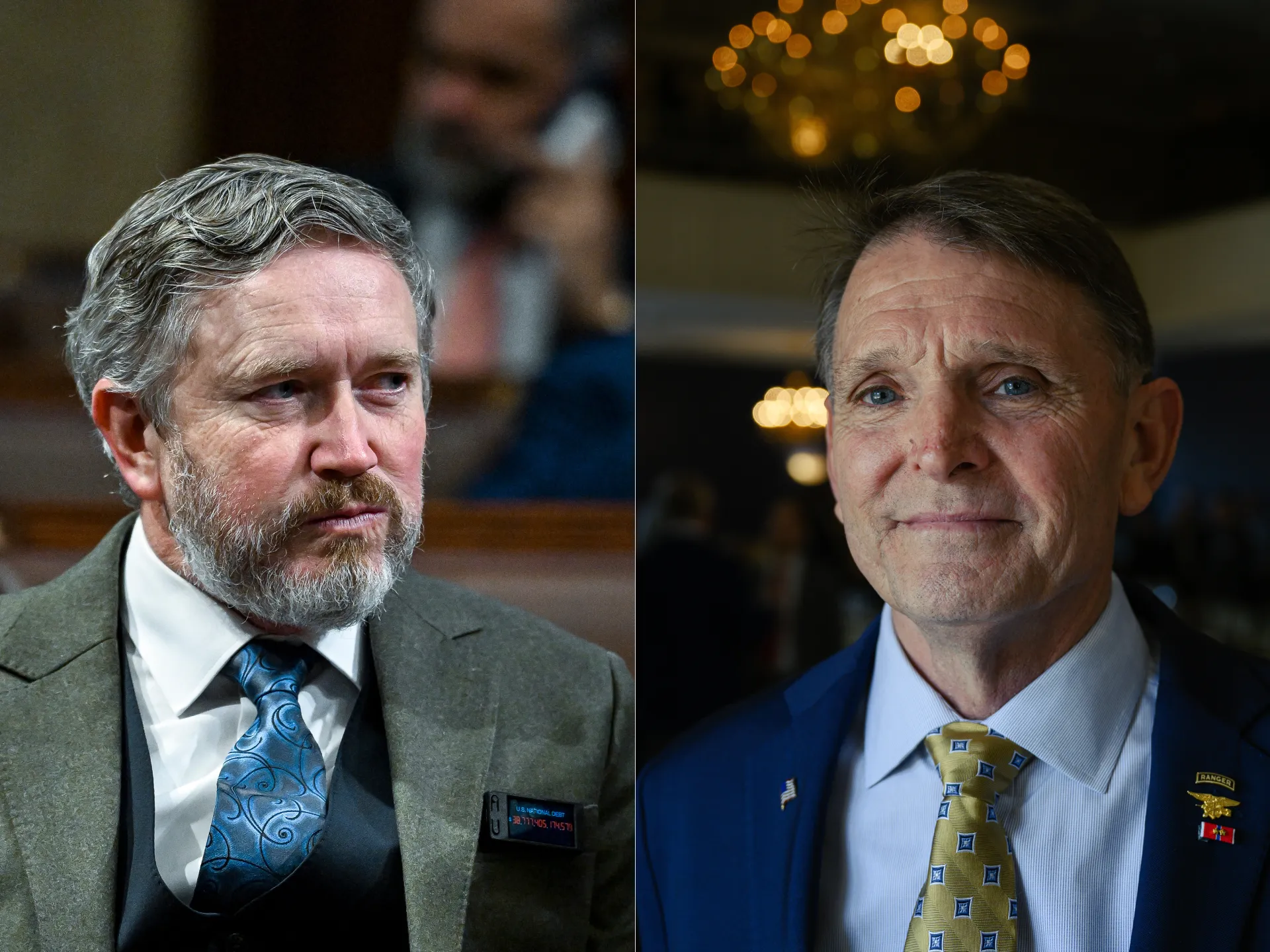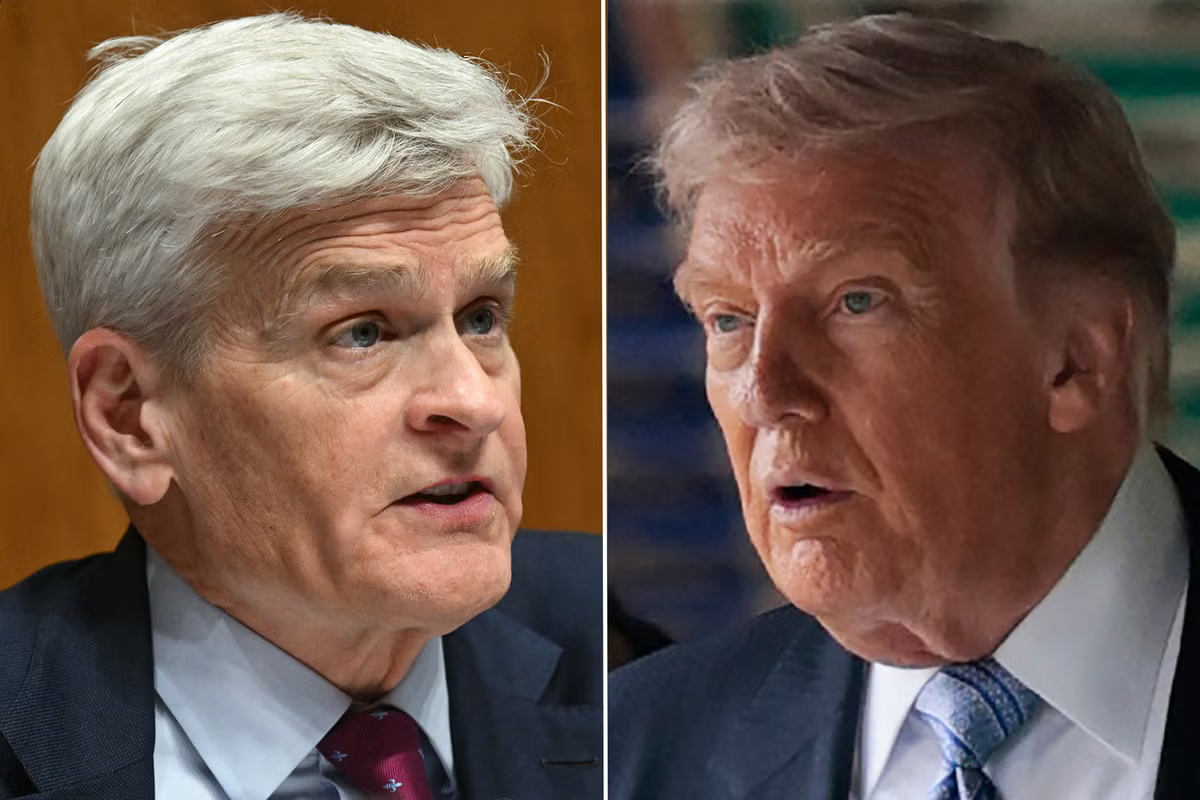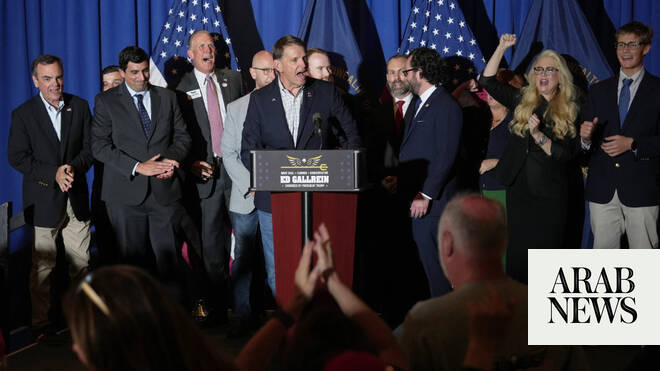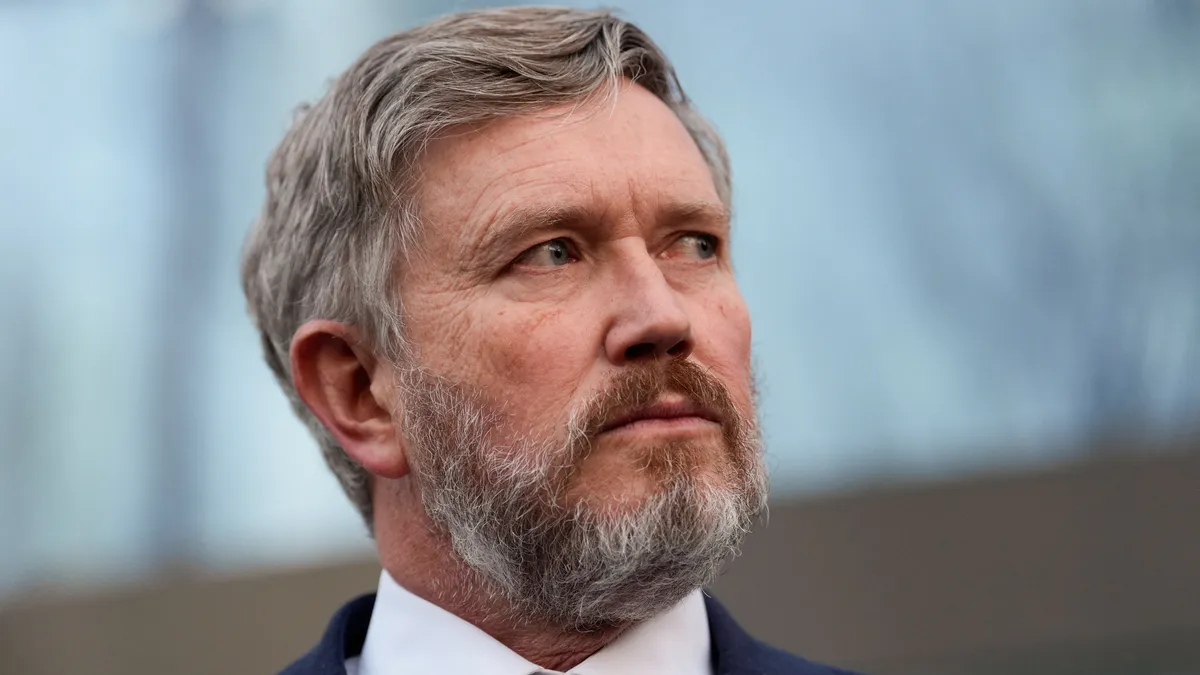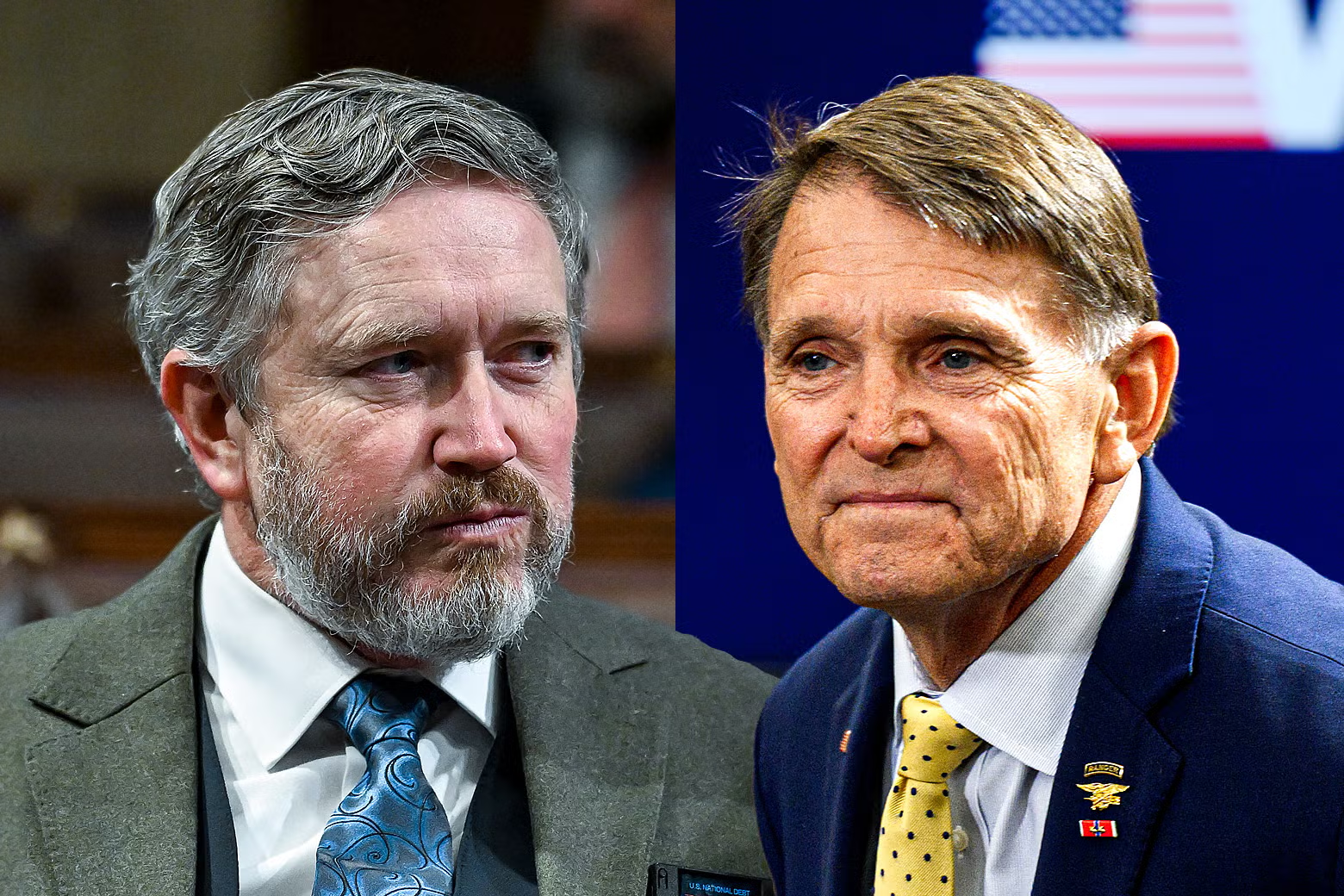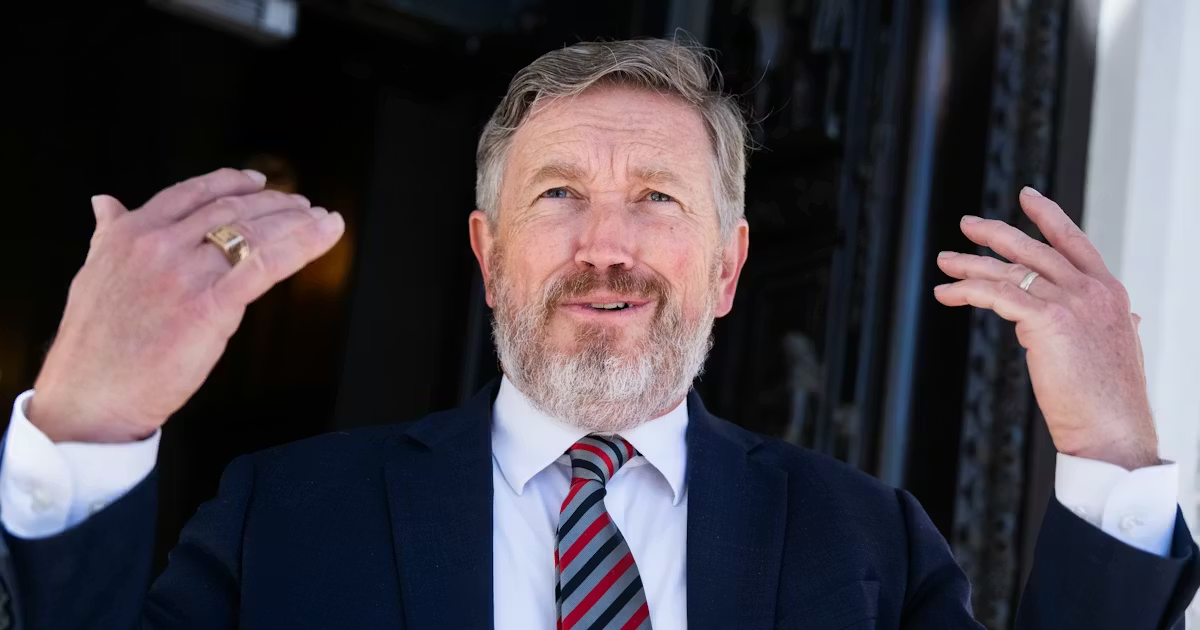
Donald Trump has convinced Republican voters to exile seven conservative politicians from the Republican Party in the last two weeks. Not moderates. Not RINO’s (“Republican in name only”). These are officials who oppose abortion rights, universal health care, and virtually anything else that could be described as liberal or even moderate. But they showed a shred of independence from their party’s leader—and it cost them their careers. These results are the latest illustration of the duality of American politics today: Trump is revered by Republican base voters but disliked by virtually everyone else. On Tuesday night, Representative Thomas Massie of Kentucky lost his reelection bid in a GOP primary to Ed Gallrein, a political newcomer whose entire campaign strategy was to emphasize that he was endorsed by Trump. Massie had become one of the president’s least favorite House Republicans by voting against Trump’s economic policy bill, joining Democrats in pushing for the release of Department of Justice files related to Jeffrey Epstein, and supporting a resolution to stop the war in Iran. He is also the rare Republican who was critical of Israel’s military actions in Gaza and the United States’ support of them, thereby drawing strong opposition from pro-Israel groups. By the end of the race, more than $33 million had been spent, largely against Massie, making this one of the most expensive House primaries in recent history. Massie’s defeat came four days after incumbent Senator Bill Cassidy of Louisiana finished third and therefore did not qualify for the runoff in his reelection bid. Cassidy voted to convict Trump during his second impeachment trial in the days after the January 6, 2021 insurrection. The president in turn endorsed Representative Julia Letlow, who finished first on Saturday. Two weeks ago, five Indiana Republican state senators lost in primaries after Trump and his aides recruited and supported challengers to them. Those five had voted against Indiana further gerrymandering its congressional districts, which the president had demanded. An eighth Republican, longtime Senator John Cornyn of Texas, also likely had his career ended by the president this week. Trump announced on Tuesday that he is endorsing Texas Attorney General Ken Paxton in the May 26 runoff there. Cornyn hasn’t crossed Trump on any key votes. But Paxton is Trump’s kind of Republican, with numerous ethical scandals, while Cornyn is close to the former Senate Republican Leader Mitch McConnell, who has long feuded with the president. Massie is very conservative. So is Cassidy, who also took a number of steps to ingratiate himself to the president and his base, most notably putting aside his concerns as a doctor and backing Robert F. Kennedy, Jr. to head the Department of Health and Human Services. No matter. Trump endorsed their opponents and Republican voters fell in line. These election results are terrible for the country. Trump is an authoritarian using the presidency to enrich himself and punish his political enemies. The odds of Republican politicians taking any steps to rein him in were already close to zero, and these primary results will make GOP officials even more wary of crossing the president. Any Republican on the ballot in the next three years (and perhaps even after Trump leaves office) knows that he can end their careers. And think about the anti-democratic precedent set here. Trump led an insurrection; Cassidy voted to sanction it. Louisiana Republican voters chose loyalty to their leader over a senator who stood up for democracy. On the other hand, there are now two senators (Cassidy and retiring Thom Tiillis of North Carolina) with very frosty relationships with Trump and likely a third (Cornyn if he loses). Susan Collins of Maine is up for reelection in a Democratic-leaning state. Kentucky’s Rand Paul and Alaska’s Lisa Murkowski also go their own way occasionally. So it’s possible that in a Senate where Republicans control 53 seats, they are down to 47 sure “yes” votes. Cassidy, only days after his defeat, supported a resolution to end the war in Iran and is signaling that he will oppose funding Trump’s White House ballroom. Legislation and judicial confirmations (perhaps even for the Supreme Court if a justice retires) are likely to get harder for Trump. And the fealty to Trump from the Republican base is not at all shared by average voters. Polls show that around 60 percent of Americans disapprove of the president, compared to fewer than 40 percent who approve. Even 47 percent of moderate Republicans disapprove of Trump, according to a recent Pew Research Center poll. So do 60 percent of men, 74 percent of Hispanics, and 75 percent of Americans 18-29, three groups who were more pro-Trump than expected during the 2024 election. This is a president whose word matters only to Republican primary voters. His support is the kiss of death for other politicians, from California to Hungary. Universities, news organizations, and other institutions who this time last year acted like Trump’s second electoral victory signaled a political realignment now treat him as an unpopular lame duck. Donald Trump is creating a Republican Party that even arch-conservatives like Thomas Massie, Bill Cassidy, and John Cornyn are too normal for. But no one outside of Trump’s base likes that kind of party, so the GOP is poised to be resoundingly rejected this November.
Thomas Massie’s Defeat Will Tighten Trump’s Grip on the GOP
The MAGA base proves again in Kentucky that Trump’s blessing is everything. But beyond that base, it’s the kiss of death.
879 words~4 min read