TL;DRDiscord has enabled end-to-end encryption for all voice and video calls by default, using its open-source DAVE protocol. The move means not even Discord can access call content, making it a major privacy win at a time when Meta and TikTok are moving away from encrypted messaging.
Discord has flipped the switch on end-to-end encryption for every voice and video call on its platform, a move that means not even the company itself can access what its hundreds of millions of users say on calls.
Mark Smith, Discord’s VP of core technology, confirmed the rollout in a blog post on Monday, stating that end-to-end encryption is now standard for every voice and video call on Discord, with no opt-in required. The only exception is stage channels, which remain unencrypted.
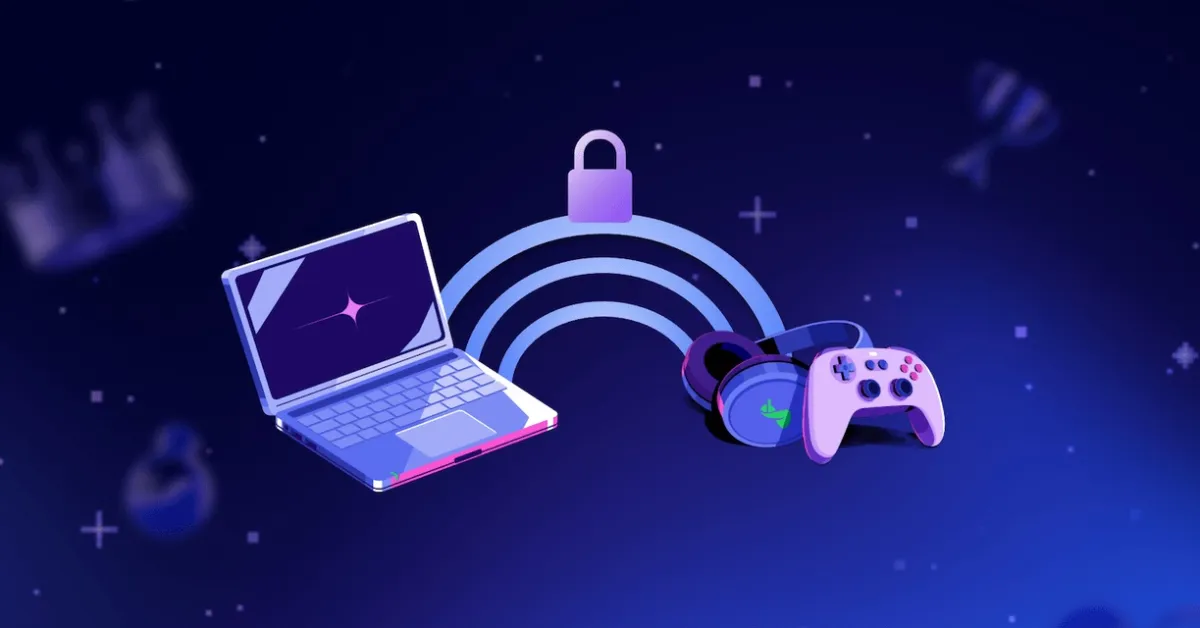
The change covers direct messages, group calls, server voice channels, and Go Live streams across desktop, mobile, web, and console clients. Discord’s encryption is powered by its custom DAVE protocol, an open-source system the company first introduced in September 2024 and had independently audited by the cybersecurity firm Trail of Bits.
The 💜 of EU techThe latest rumblings from the EU tech scene, a story from our wise ol' founder Boris, and some questionable AI art. It's free, every week, in your inbox. Sign up now!DAVE uses the WebRTC encoded transform API to encrypt each audio and video frame with a per-sender symmetric key. The Messaging Layer Security (MLS) protocol handles the group key exchanges. The practical upshot is that only the people on a call can decrypt what is being said, and Discord’s servers simply relay data they cannot read.