This article was featured in New York’s One Great Story newsletter. Sign up here.
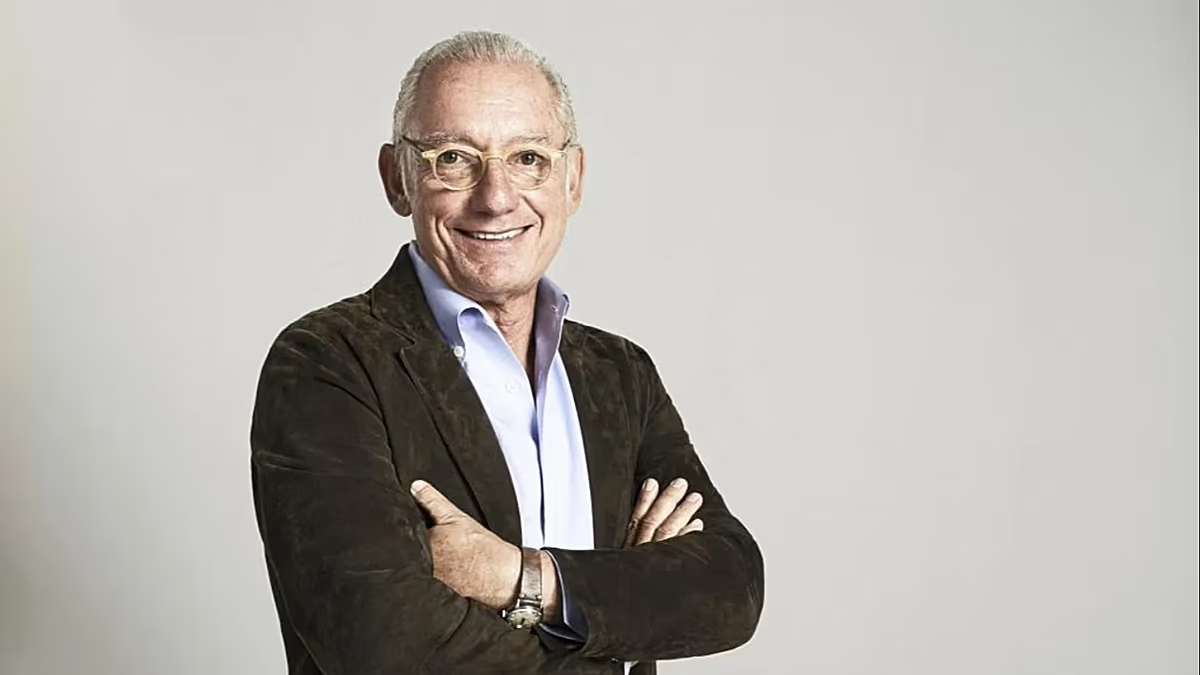
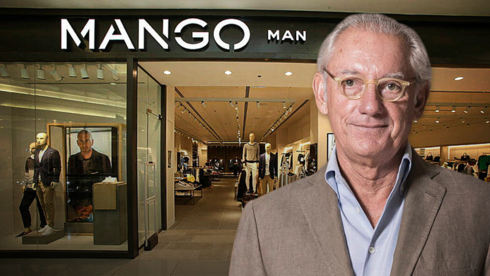
One afternoon in March 2024, Spanish society gathered at a prestigious Barcelona business school to celebrate Isak Andic, an unassuming Turkish-born entrepreneur who used to sell embroidered blouses in a Barcelona market stand and went on to found the affordable fashion brand Mango, becoming a billionaire in the process, the fifth-richest man in Spain.
At the ceremony, King Felipe VI gave Andic an award for his entrepreneurship, telling him, “It’s been said that by the time I was born, you were already buying and selling around the world.” Felipe bestowed Andic with a medal modeled on one from the reign of King Carlos III, who opened trade between Spain and its new-world colonies in the 18th century. Andic, in his time, had gone much further, opening nearly 3,000 stores in more than 120 countries, including a flagship on Fifth Avenue down the street from Tiffany’s. The annual ceremony is usually followed by a modest reception, but Andic offered his guests a sumptuous apéro dînatoire with extraordinary catering and free-flowing Vega Sicilia. He was 70, and almost six decades after arriving in Barcelona from Istanbul with his parents, middle-class Sephardic Jews, he had reached the summit of the country that centuries earlier had forced their ancestors to flee.