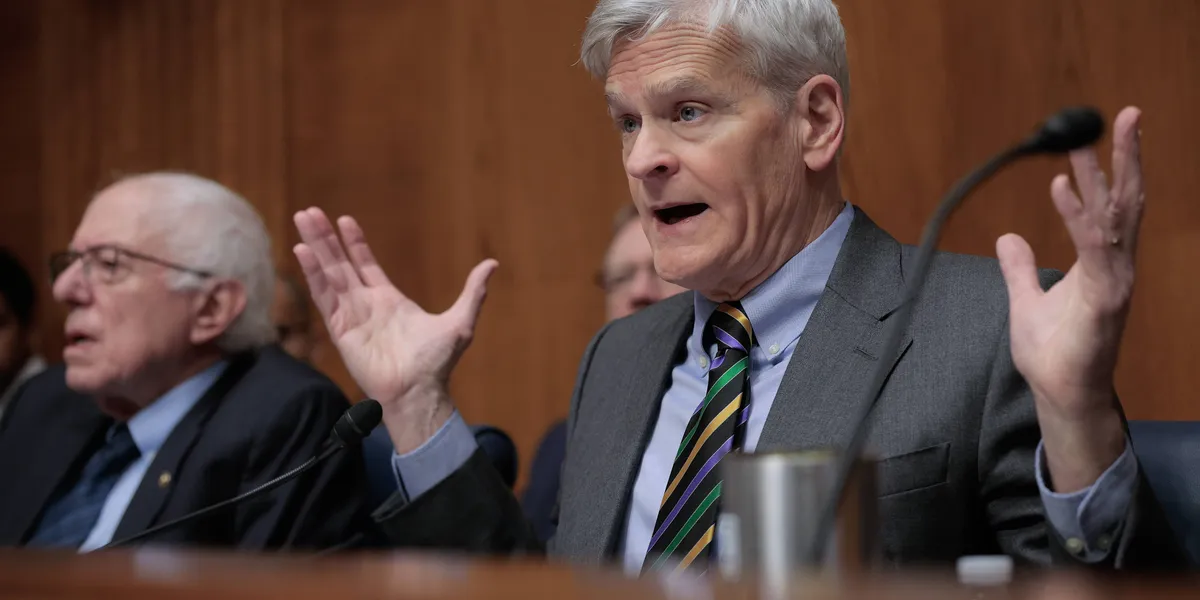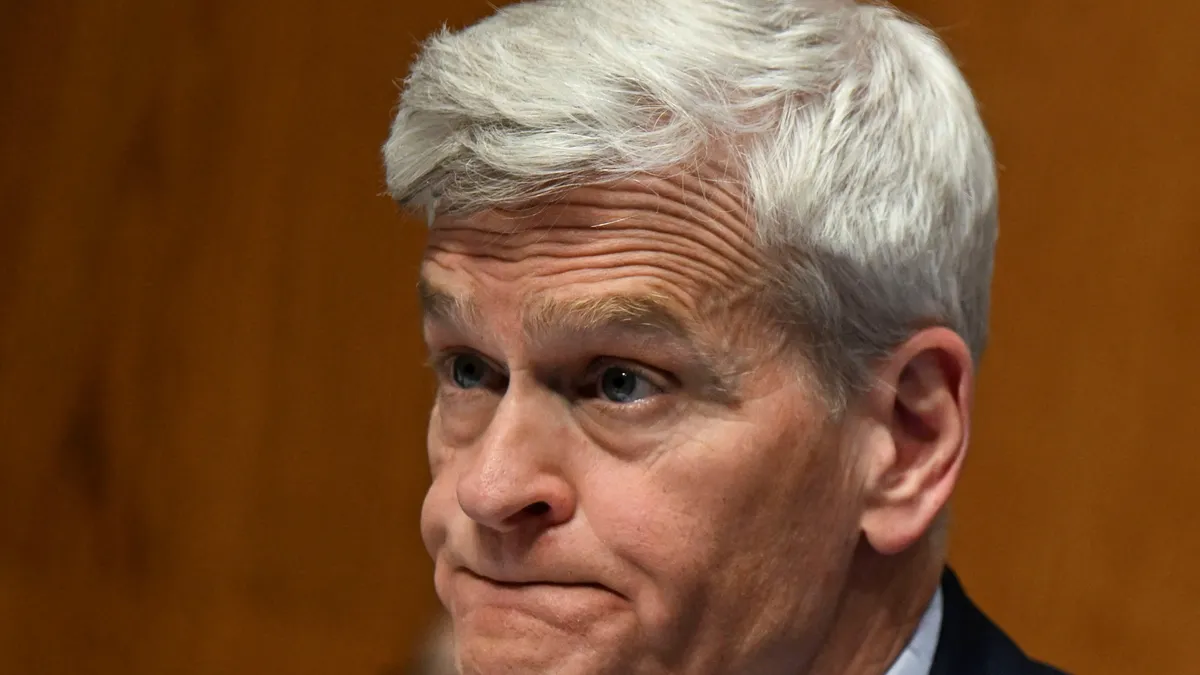
On the heels of losing his primary election, Republican Sen. Bill Cassidy immediately bucked the leader of his party.Show Caption
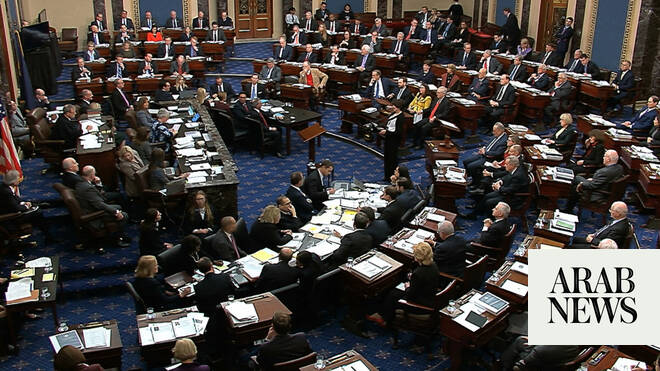
WASHINGTON – In a political blow to President Donald Trump, the Senate on May 19 moved forward for the first time with a measure to end the war in Iran.After several key Republican senators didn't vote – and another key GOP bloc defected – the war powers resolution advanced, 50-47.Though the vote was largely procedural, and faces an uphill battle to actually becoming law, the resolution's progress was a bad omen for the White House about potentially waning support in Congress for the war. Rising gas prices, spiking inflation and the president's sinking polling numbers have become political liabilities for battleground GOP lawmakers as the November midterm elections approach.At the same time, the legislative rebuke was a clear demonstration of how simmering tensions between the White House and Senate Republicans are boiling over, amid Trump's efforts to push out several longtime Republican senators.Louisiana Republican Sen. Bill Cassidy – who lost his primary reelection just days ago in large part because Trump crusaded against him – voted to advance the war powers resolution. Before his reelection loss, Cassidy had opposed the measure many times.Sen. Thom Tillis, a retiring North Carolina Republican whom Trump has repeatedly publicly attacked, didn't vote at all. Neither did Sen. John Cornyn, a Texas Republican whom the president abruptly declined to endorse on Tuesday. (Republican Sen. Tommy Tuberville of Alabama didn't vote either.)Meanwhile, Sens. Lisa Murkowski, R-Alaska; Susan Collins, R-Maine, and Rand Paul, R-Kentucky, voted with Democrats.Virginia Sen. Tim Kaine, who has led Democrats' legislative campaign to end the Iran war, said ahead of the vote that the Trump administration is now "well past the 60-day deadline" for a president to legally engage in military hostilities abroad without congressional authorization."The administration is unwilling to show us the legal rationale for the war," he said on the Senate floor ahead of the vote. "That should be a flashing red light."In a letter to lawmakers on May 1, Trump tried to argue that hostilities against Iran had been "terminated," therefore making a formal declaration of war from Congress unnecessary. But during a May 13 Senate hearing, Murkowski told Pentagon chief Pete Hegseth she and others didn't buy that rationale."Where there is confusion is when the president says hostilities have ended, we still have 15,000 troops that are forward deployed, more than 20 war ships and an active naval blockade," she said. "In other words, it doesn't appear that hostilities have ended."The last time such a vote succeeded was after the American military invaded Venezuela, prompting five Republicans to buck Trump. Then the president posted negative comments about them on social media, and several reversed their votes.Zachary Schermele is a congressional reporter for USA TODAY. You can reach him by email at zschermele@usatoday.com. Follow him on X at @ZachSchermele and Bluesky at @zachschermele.bsky.social.