An article by Majd Zghyer, a Palestine-based economist.
When exploring investment opportunities, most investors tend to avoid conflict-affected and fragile economies. Yet in Palestine, the private sector has developed something unusual: the ability to operate, adapt, and persist in one of the most constrained economic environments globally.
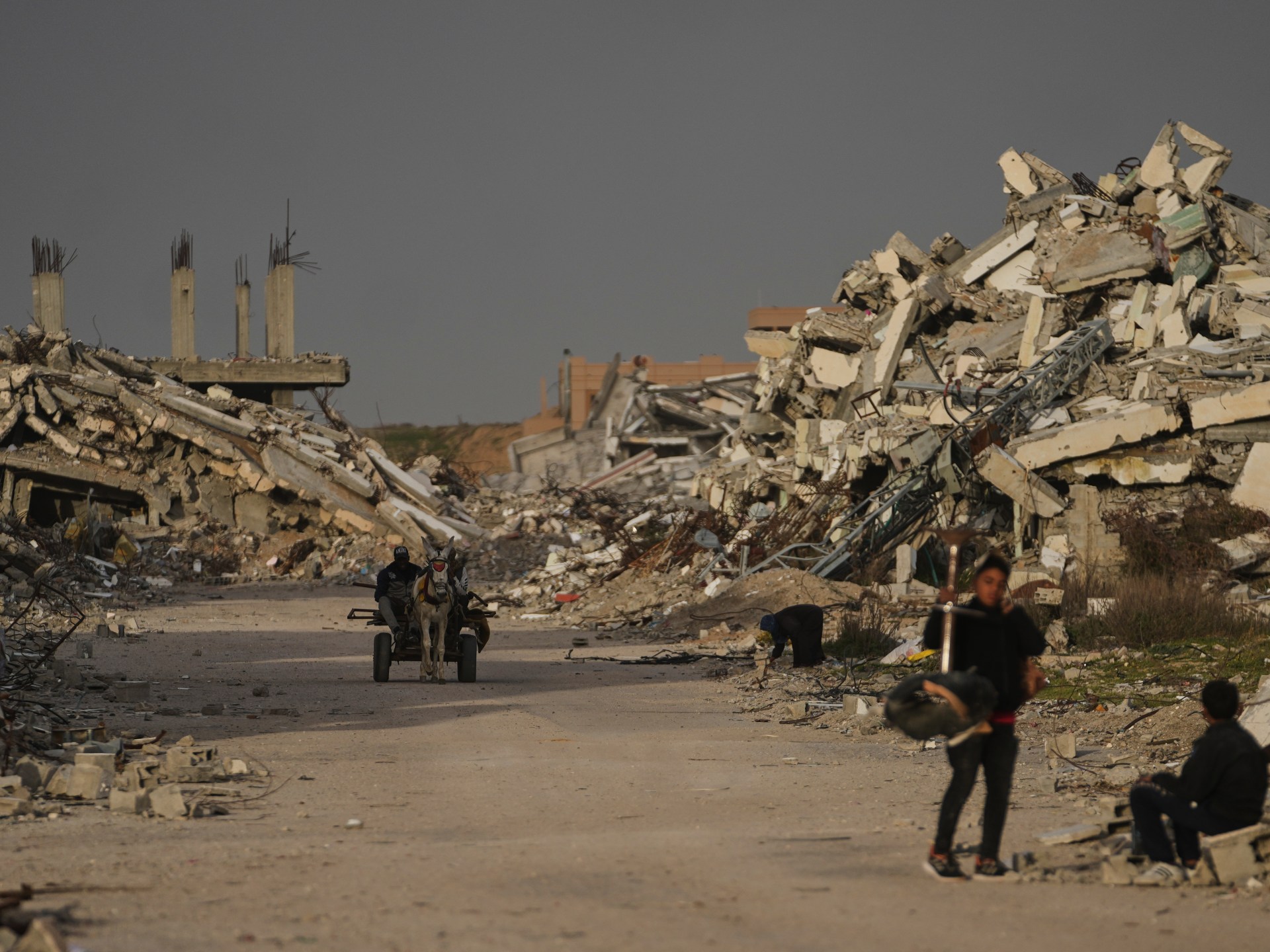
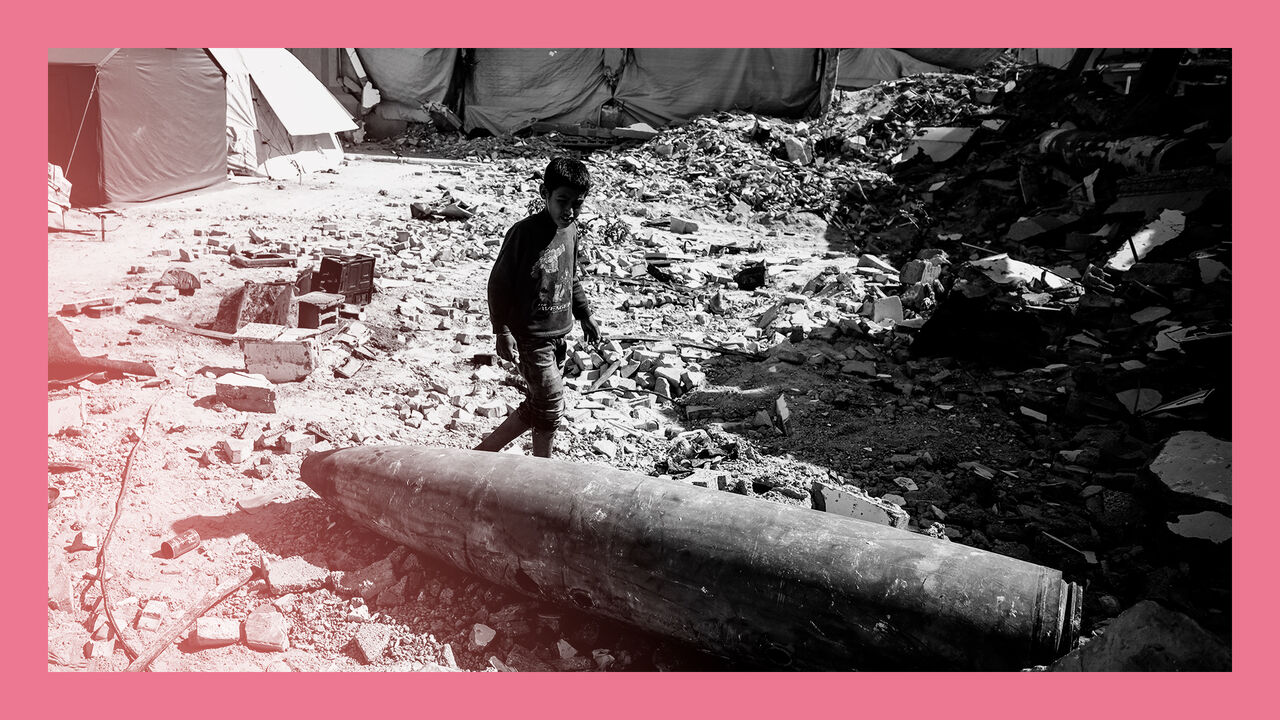
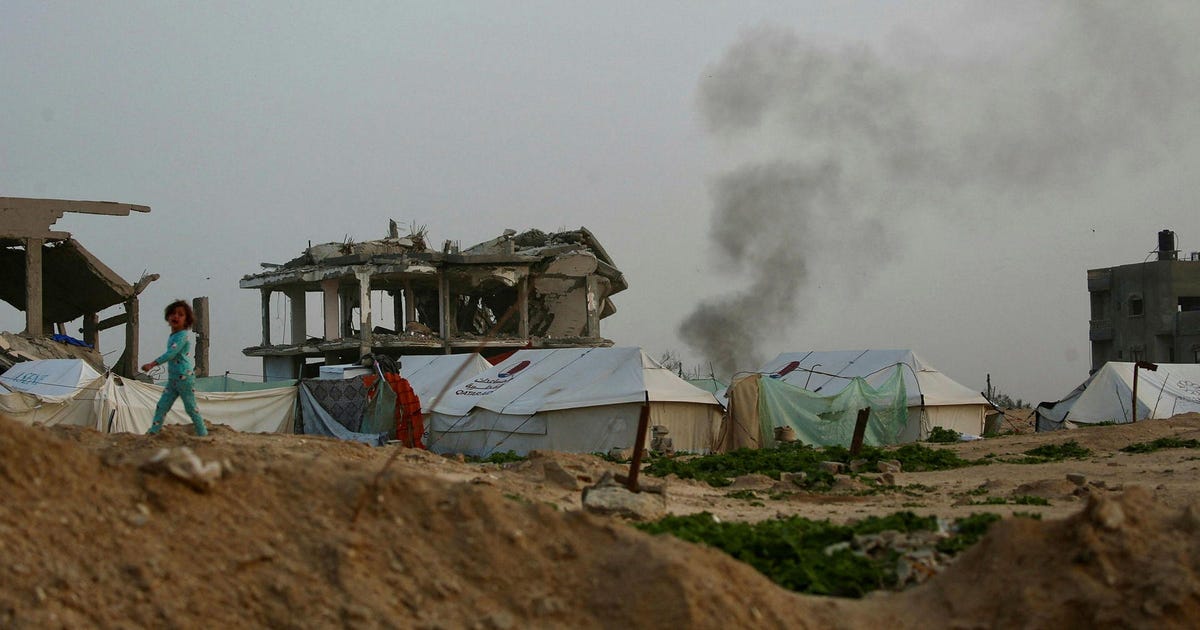
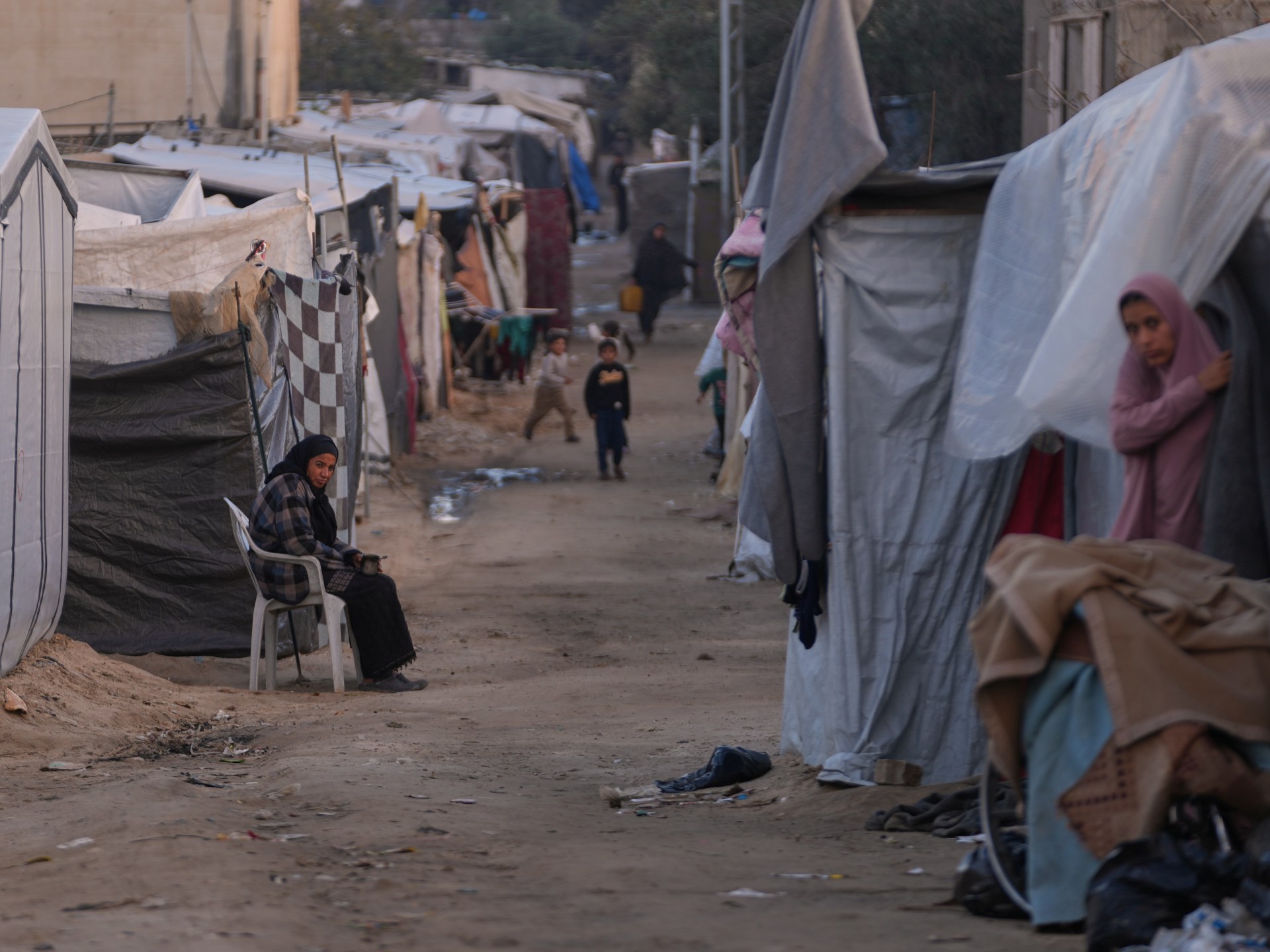
The Palestinian economy is typically viewed through the lens of crisis, shaped by political uncertainty, fiscal fragility, movement restrictions, and repeated cycles of conflict. The economic shock since 2023 has been particularly severe, triggering a sharp contraction in national output, a decline in private sector activity, and the loss of hundreds of thousands of jobs. Yet amid these pressures, the question is no longer whether the Palestinian economy is resilient, but whether that resilience is beginning to translate into a distinct set of investment opportunities.
For investors and policymakers, resilience is often framed as a social virtue. In the Palestinian context, however, it also functions as an economic characteristic, shaping how businesses operate, how markets evolve, and where opportunities emerge. Understanding this dynamic is essential for those looking at Palestine not only through a humanitarian lens, but from a strategic economic perspective.