Uncertainty has returned to the centre of the MENA startup ecosystem, and this time it is not cyclical. It is structural.
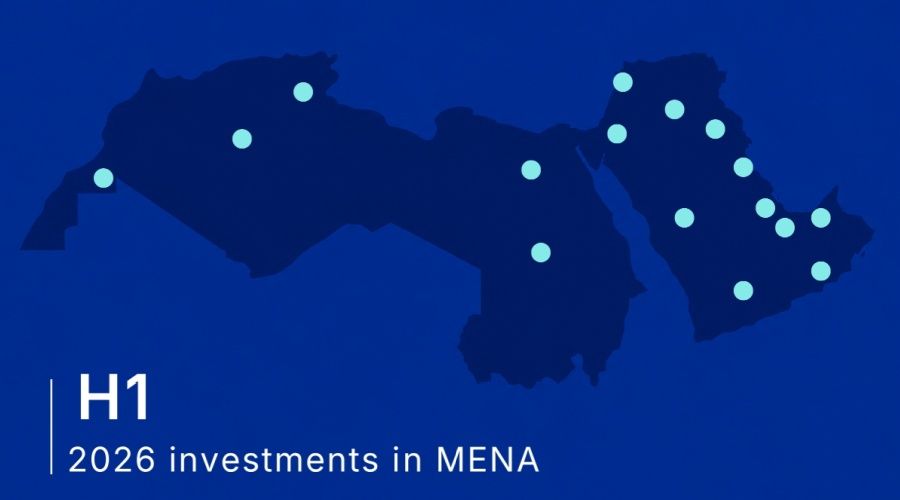
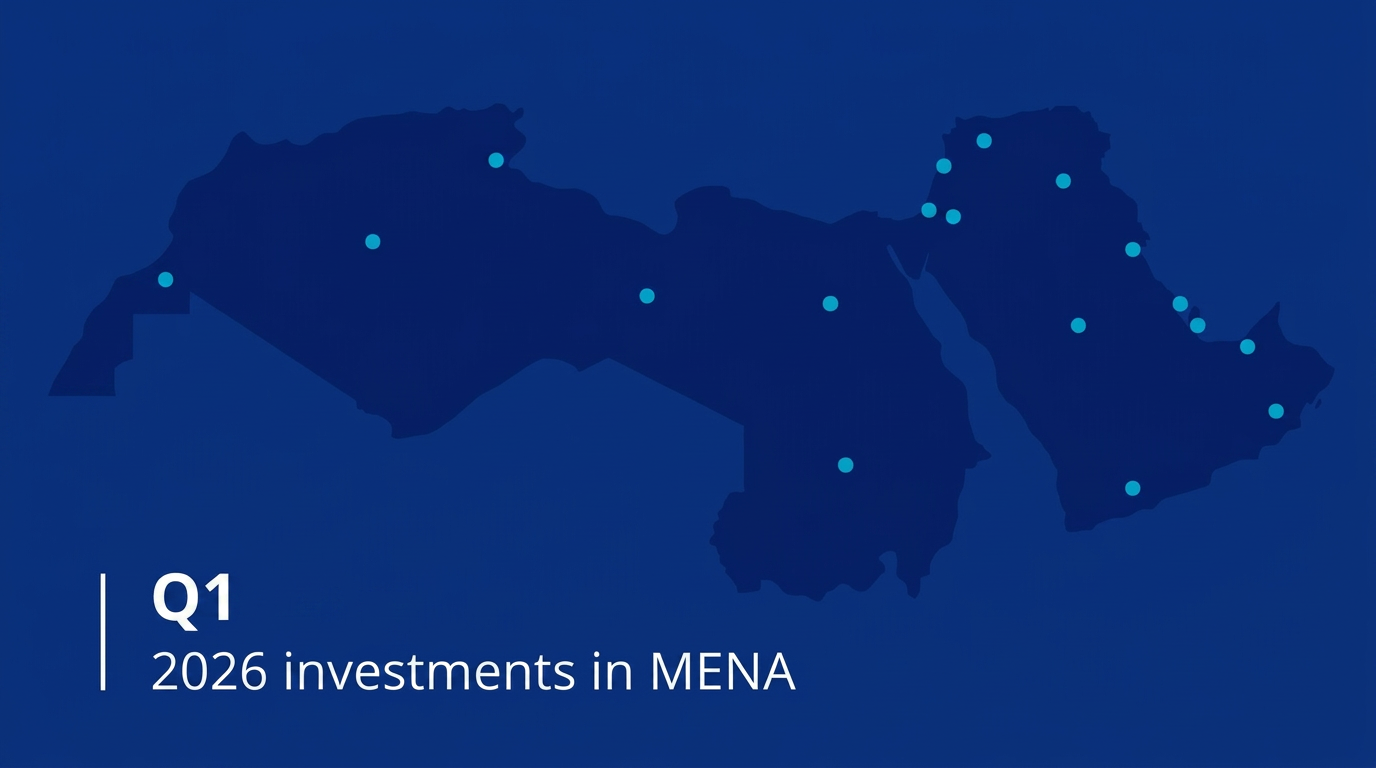
After a strong start to 2026, funding activity slowed sharply as geopolitical tensions intensified and investors pulled back to reassess risk. In the first quarter alone, startups across the region raised roughly $941 million, marking a decline of more than 20% compared to the previous quarter. March, in particular, stood out as one of the weakest months in recent years, with dealmaking activity stalling rather than collapsing. Capital did not disappear; it paused.
For founders, that distinction matters. This is not a market correction driven by valuations or sector fatigue. It is a period defined by delayed decisions, longer timelines, and a fundamental shift in how capital is deployed. Navigating it requires more than caution. It demands a different operating model.
Rewriting the playbook under pressure
For much of the past decade, startup growth across MENA was shaped by expanding capital pools and increasing investor appetite for scale. That model is now under strain. Investors, including sovereign-backed funds, are recalibrating their strategies in response to a more volatile global and regional environment. According to Global SWF, Middle Eastern sovereign wealth funds have played an increasingly central role in global dealmaking, particularly in technology and infrastructure. Yet their deployment pace tends to slow during periods of uncertainty, reinforcing a more cautious investment climate across the ecosystem.