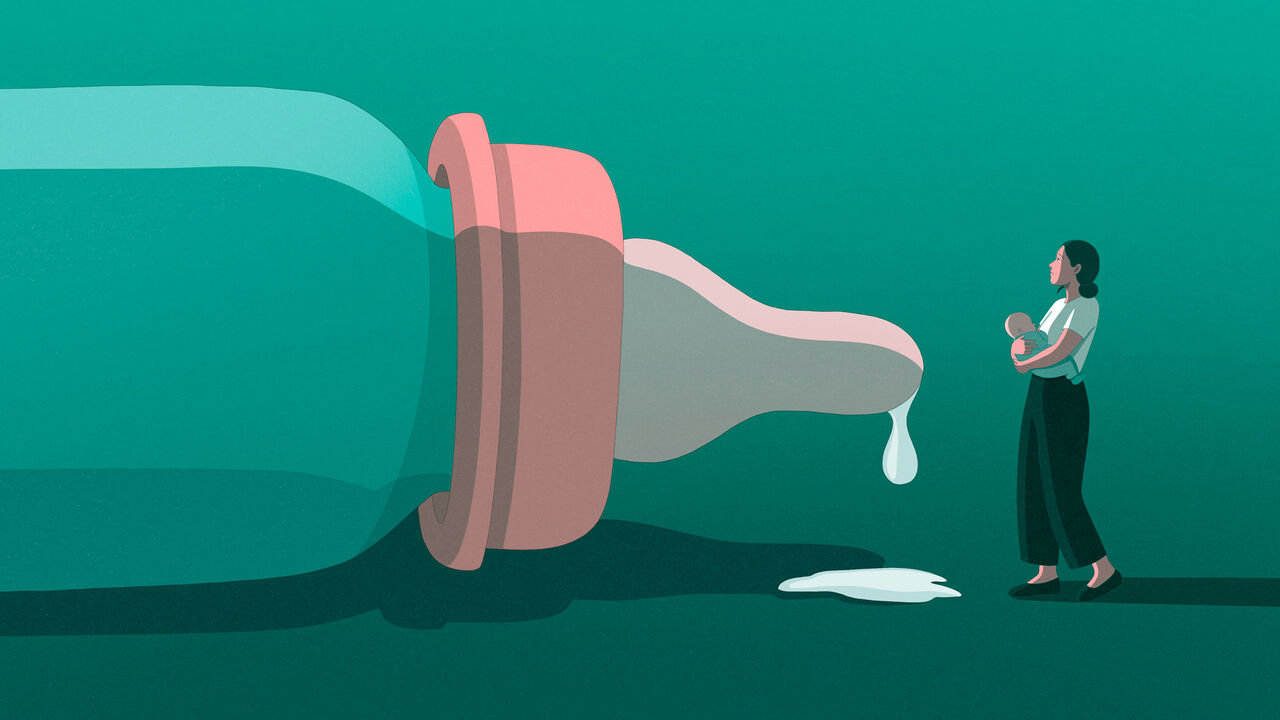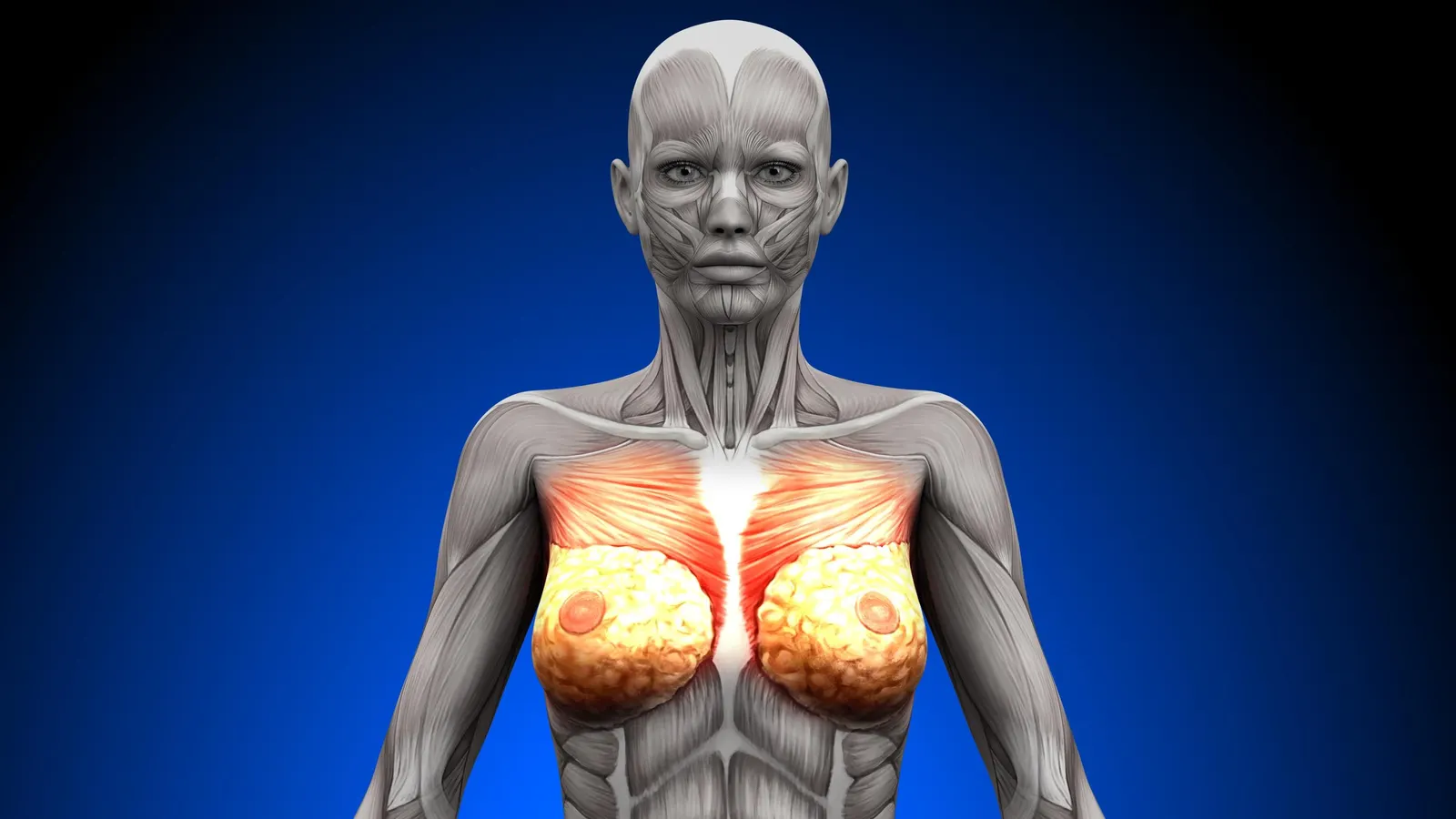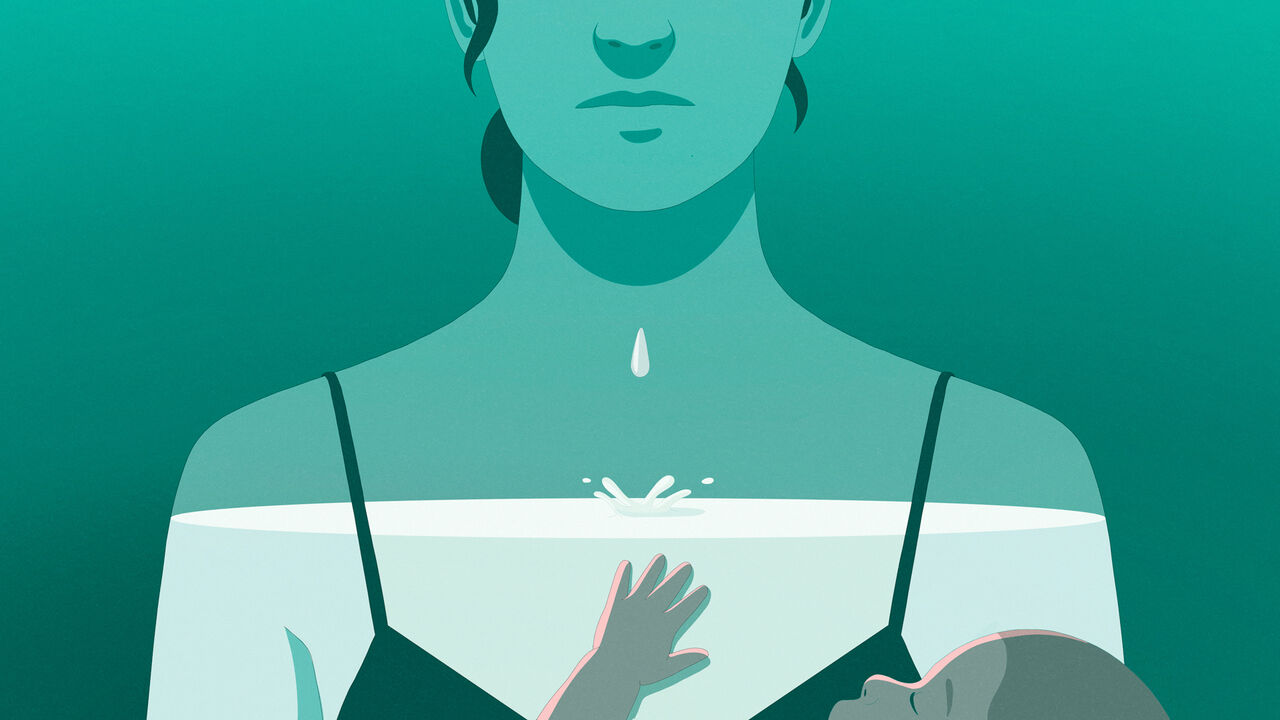
Medicine is a neatly sorted discipline. From head to toe, all major parts of the body have a specialism: cardiology for the heart, urology for (male) genitals, neurology for the brain, even psychiatry for the embodied mind. All, that is, but one. Mammary glands, though possessed by one half of humanity and admired by the other, lack a dedicated field. Science, too, has neglected the body’s milk-making function. This lack of „lactology” is bad for infants and mothers.
More than 130m women give birth each year. Of the nearly 2bn women and girls alive today who have not yet done so, over 90% can expect to have a child at some point. Most mothers try to breastfeed, but two in five of those who do will encounter at least some problems. For some it hurts, like being bitten by a critter you can’t swat away. For others, producing enough milk to feed their baby proves impossible. And often, the advice they receive is both painful and useless. Yet despite the vast unmet demand for better advice and treatment, scandalously little is known about the subject.
De redactie van NRC selecteert de beste artikelen uit The Economist voor een breder perspectief op internationale politiek en economie.
A search for „low milk supply” or „low milk production” returns a meagre 14,000 academic papers on PubMed, a database of 40m medical-research papers. „Erectile dysfunction”, which afflicts perhaps 300m men (mostly minimally), elicits 32,000 studies. This neglect matters. Mothers are free to choose not to breastfeed. But most want to try, because the benefits for their babies, such as helping ward off infections, are large. A study in the Lancet, a medical journal, in 2016 found that if all babies were breastfed, 823,000 deaths of children under five would be averted each year, partly because in poor countries formula is often made with dirty water.