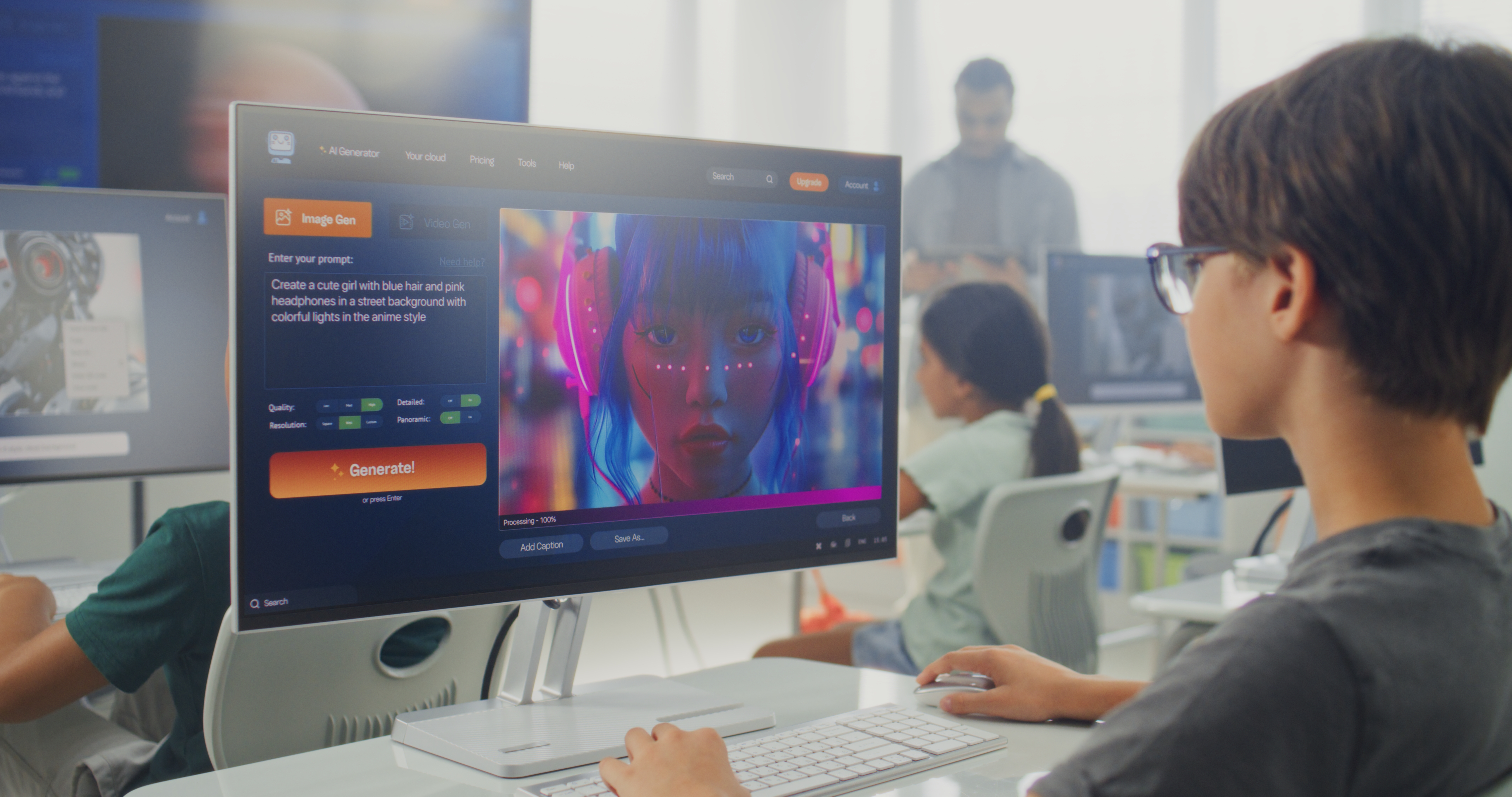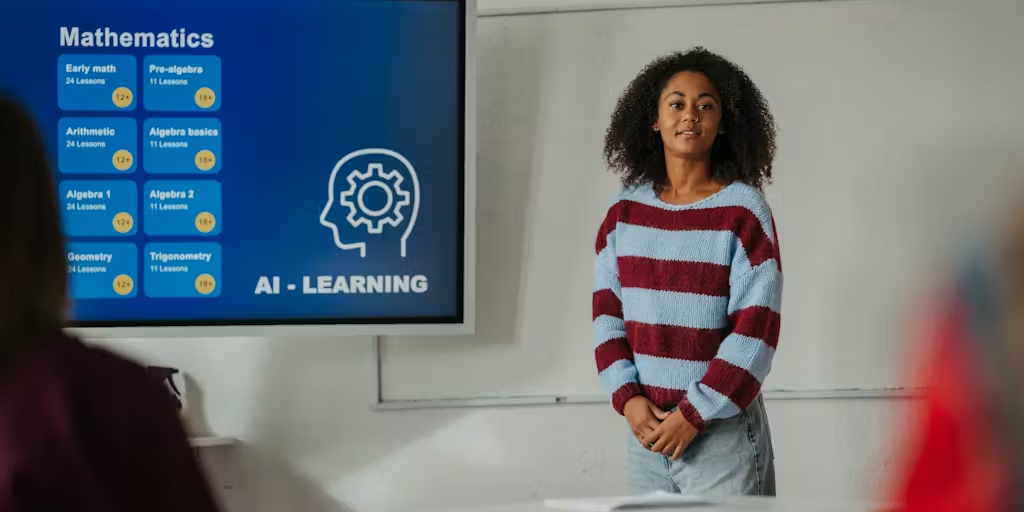
This article is part of the collection: Teaching Tech: Navigating Learning and AI in the Industrial Revolution.A little over a decade ago, schools were swept into what many described as a movement to prepare students for the future of work. That work was coding — “Hello, world!”Districts introduced new courses, nonprofits expanded access to computer science education and a growing ecosystem of programs promised to teach students the skills needed to enter the tech workforce. For many, it felt like a necessary correction to a rapidly digitizing world. But over time, a more complicated picture emerged.While access to computer science education expanded, the relationship between early coding exposure and long-term workforce outcomes became uneven. The “learn to code” movement raised an important question that still lingers today: Which skills actually endure when technologies change? That question has resurfaced in a new form.Today, generative AI is driving a similar wave of urgency. Schools are once again being encouraged to adapt quickly, often with the same underlying rationale that teachers must prepare students for a future shaped by emerging technologies.But if the instructional role of AI remains unclear, and if the tools themselves are likely to evolve rapidly, the more persistent challenge may lie elsewhere.After conducting a two-year research project alongside teachers, who are adapting and are open to integrating AI, we found that uptake is still minimal. Most of our participants, including those who are engineering or computer science teachers, still struggle to identify a clear or universal instructional use case for widespread AI integration.So, what should students learn to help them adapt to whatever comes next?A growing body of research suggests that the answer may lie not in teaching students how to use a particular AI system, but in helping them understand the computational ideas that make those systems possible.The Limits of Teaching the ToolIn recent years, many discussions about AI education have centered on teaching students how to use generative tools effectively. Prompt engineering, for example, has become a common topic in professional development workshops and online tutorials.Yet, focusing heavily on tool-specific skills can create a familiar educational problem, because technology changes faster than curricula. Teaching students how to interact with a specific interface risks becoming the equivalent of teaching to standardized tests, rather than teaching students important lessons that don’t appear on state exams.The history of computing education offers a useful example. In the early 2010s, a wave of coding initiatives encouraged schools to teach programming skills broadly. While many of those programs expanded access to computer science education, subsequent analysis showed that workforce pipelines in technology remained uneven, and many students learned tool-specific skills without developing deeper computational reasoning abilities.That experience offers a cautionary lesson for the current AI moment. If the goal of integrating AI into education is long-term preparation for technological change, focusing narrowly on how to use today’s tools may not be the most durable strategy.The Skill That Outlasts the ToolA growing body of research suggests that computational thinking is a more durable educational objective.Computational thinking refers to a set of problem-solving practices used in computer science and other analytical disciplines. These include:
From “Hello, World!” to AI: What Skills Actually Prepare Students for the Future? - EdSurge News
This article is part of the collection: Teaching Tech: Navigating Learning and AI in the Industrial Revolution.A little over a decade ago, schools were ...
1,117 words~5 min read