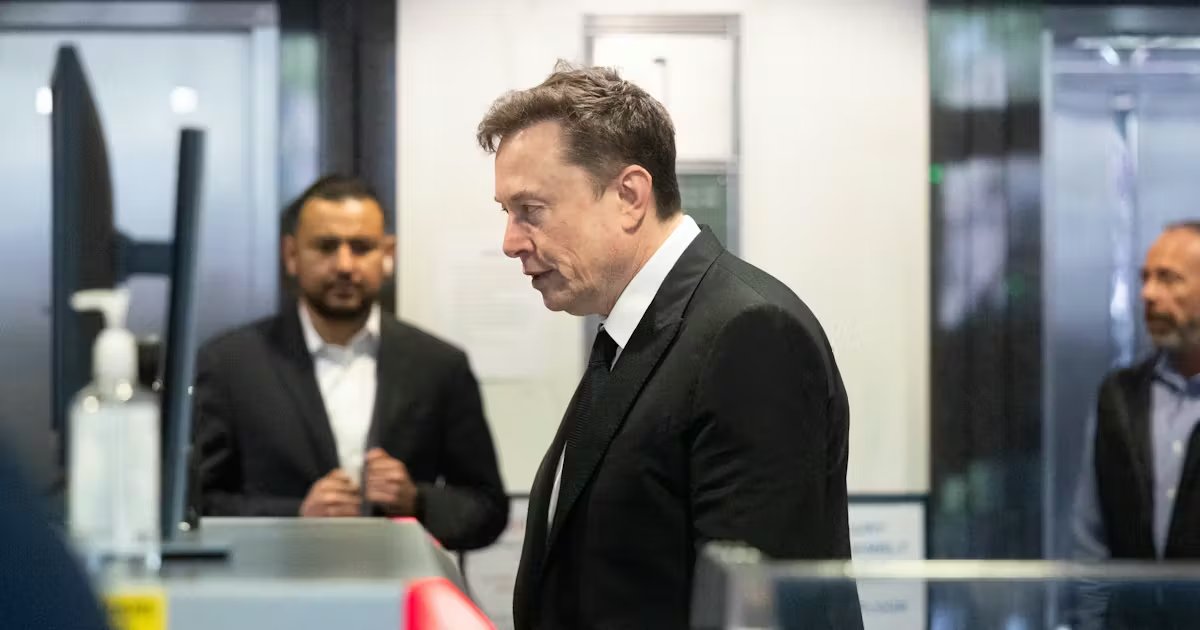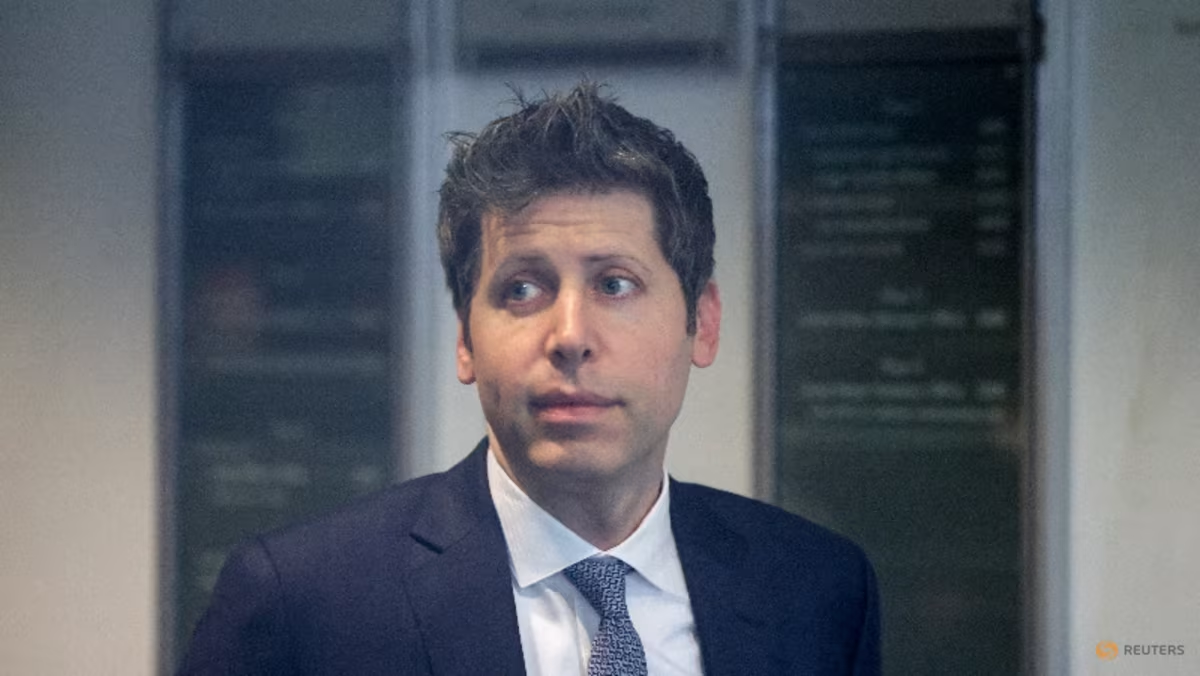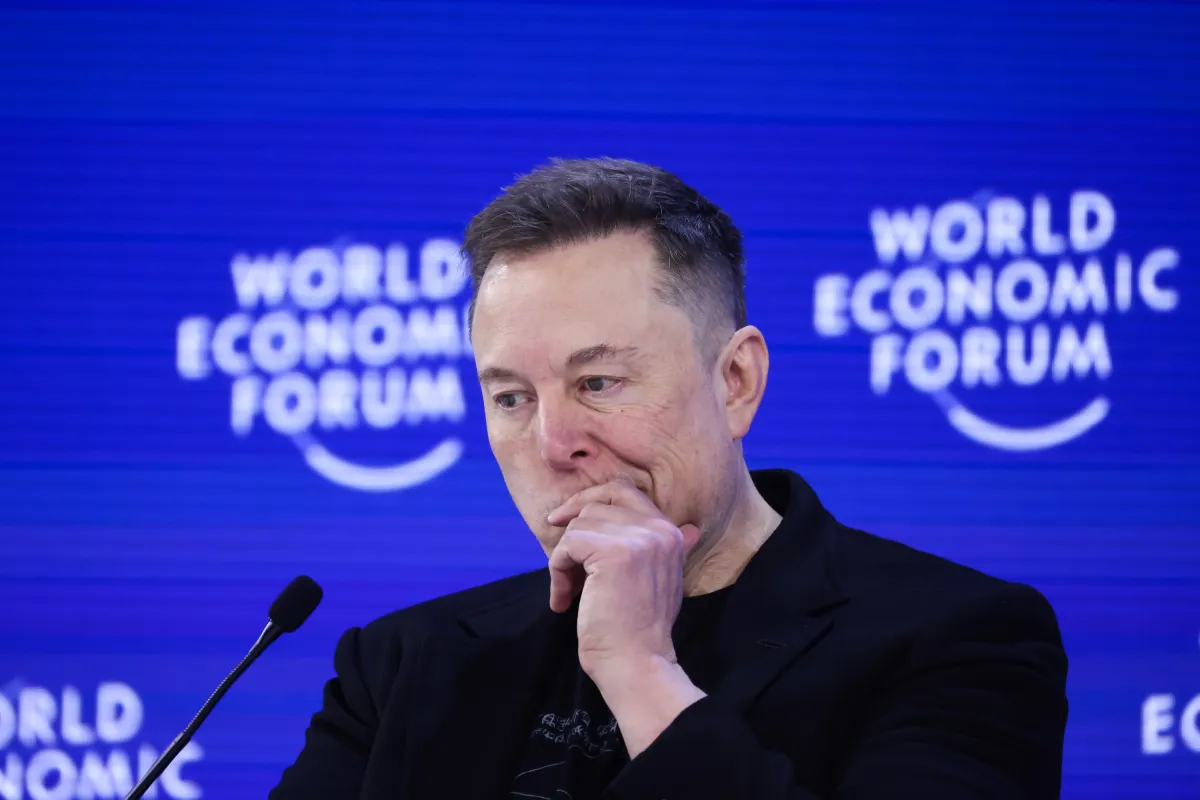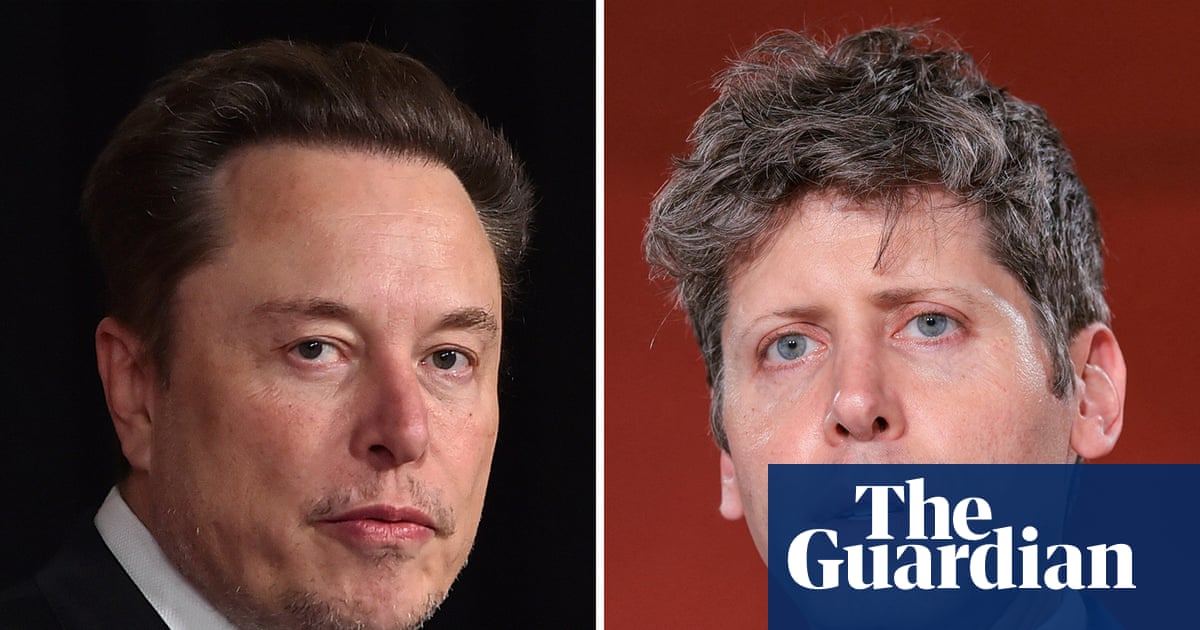
The jury’s speedy decision to reject Elon Musk’s lawsuit against the other founders of OpenAI and Microsoft confirmed what we saw in the courtroom: Musk’s case was a weak one, in part because he waited so long to file it.
Watching the closing arguments last week, OpenAI’s attorneys detailed point-by-point how the law was on their client’s side, while the plaintiffs team focused on Sam Altman’s apparent lack of credibility and expressed disbelief that anyone would disagree with Musk’s accusations.
The final effect was that, after the verdict, some found it hard to believe Musk had lost — including the man himself. In a post he later deleted, Musk called Judge Yvonne Gonzalez Rogers a “terrible activist Oakland judge,” then announced his plans to appeal, declaring “there is no question to anyone following the case in detail that Altman & Brockman did in fact enrich themselves by stealing a charity.”
But Altman and Brockman weren’t the only figures who benefitted from OpenAI’s non-profit investments. As much as Musk and his legal team tried to make the trial about Altman, the proceedings revealed just as much about Musk himself.
One incident that came out in court showed Musk benefiting from OpenAI in an uncomfortably familiar way. Greg Brockman testified that in 2017, Musk asked him to bring a team of OpenAI researchers down to Tesla’s headquarters to help with the autopilot team for a few weeks. “It was pretty clear that was not something we could say no to,” Brockman said.