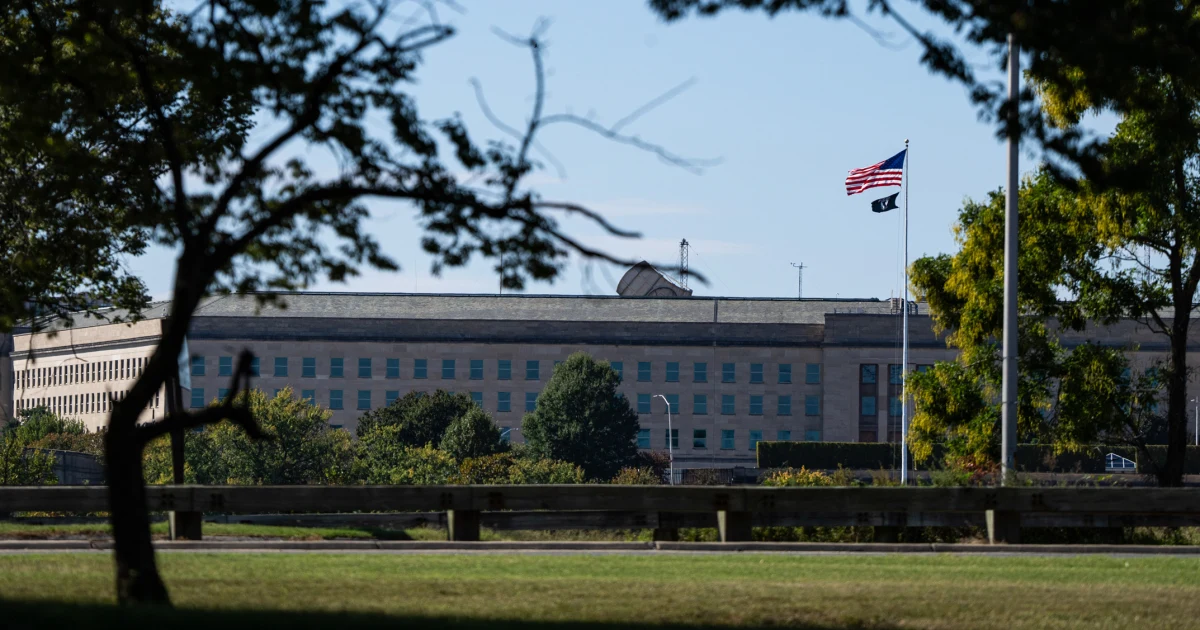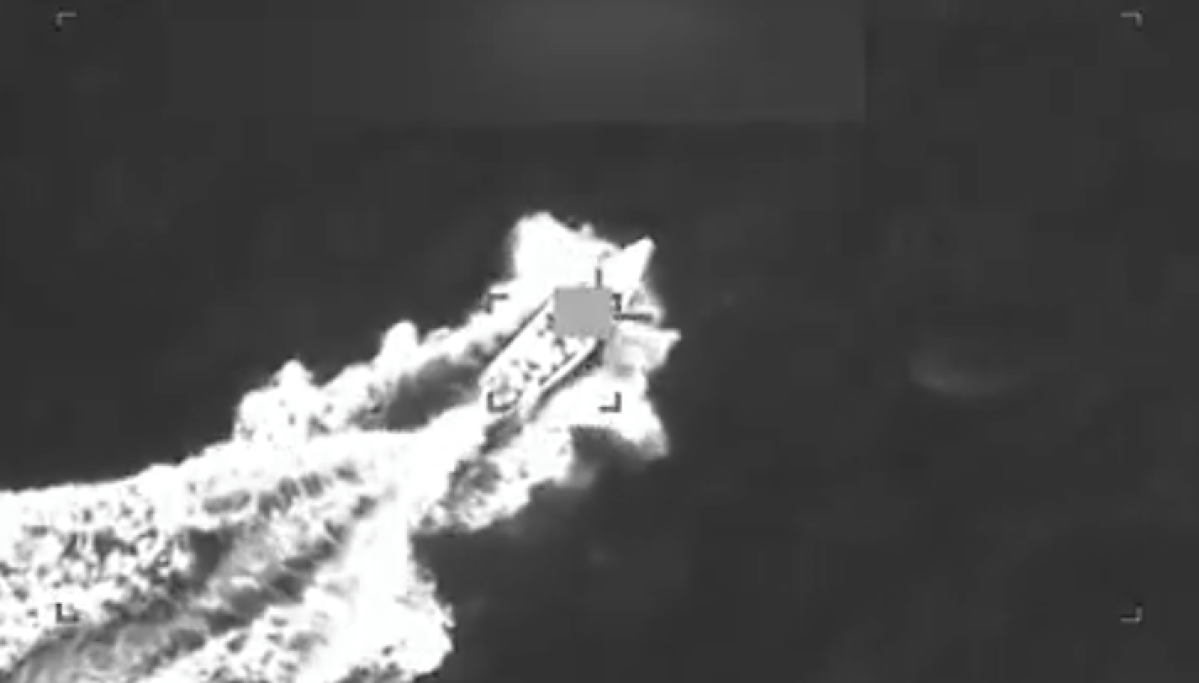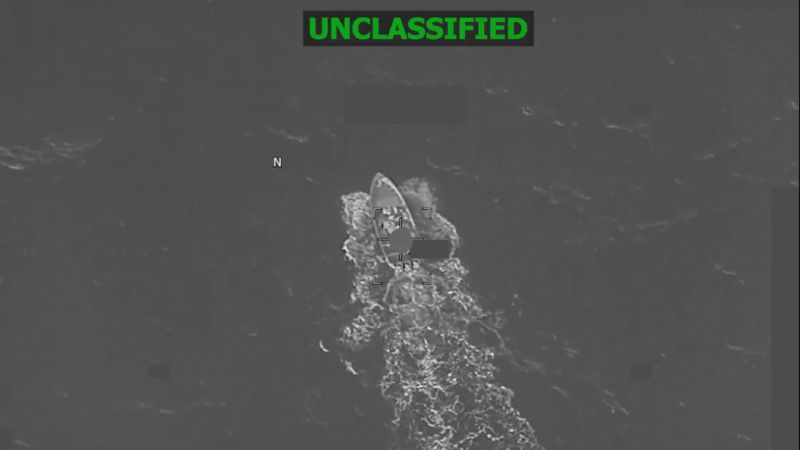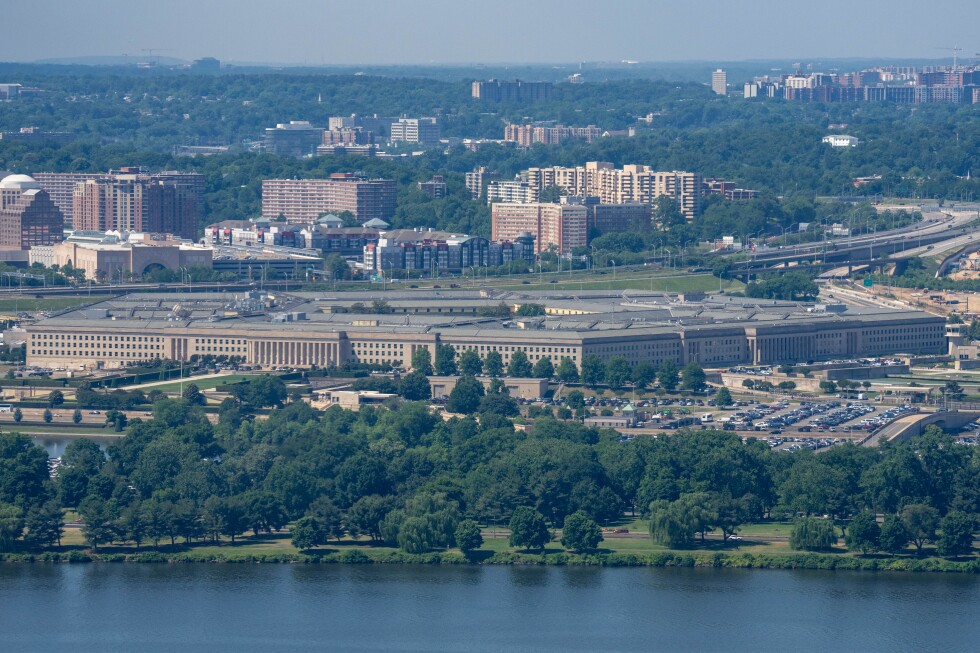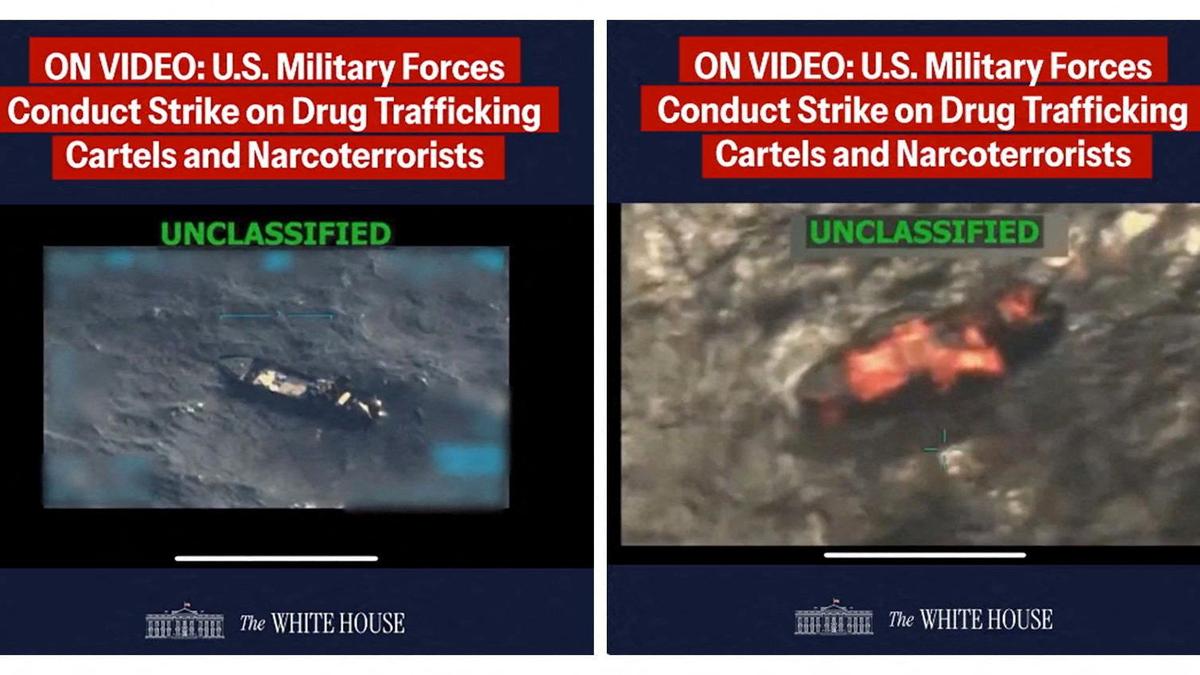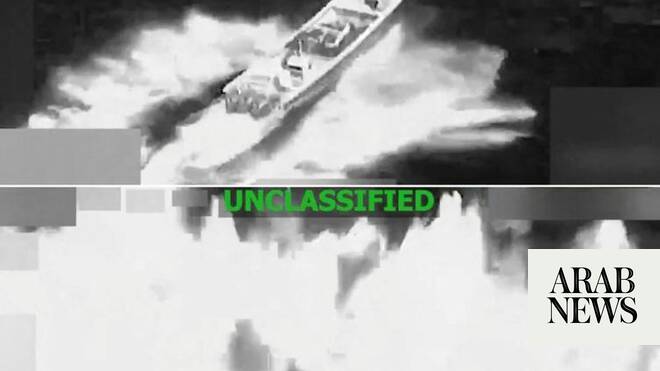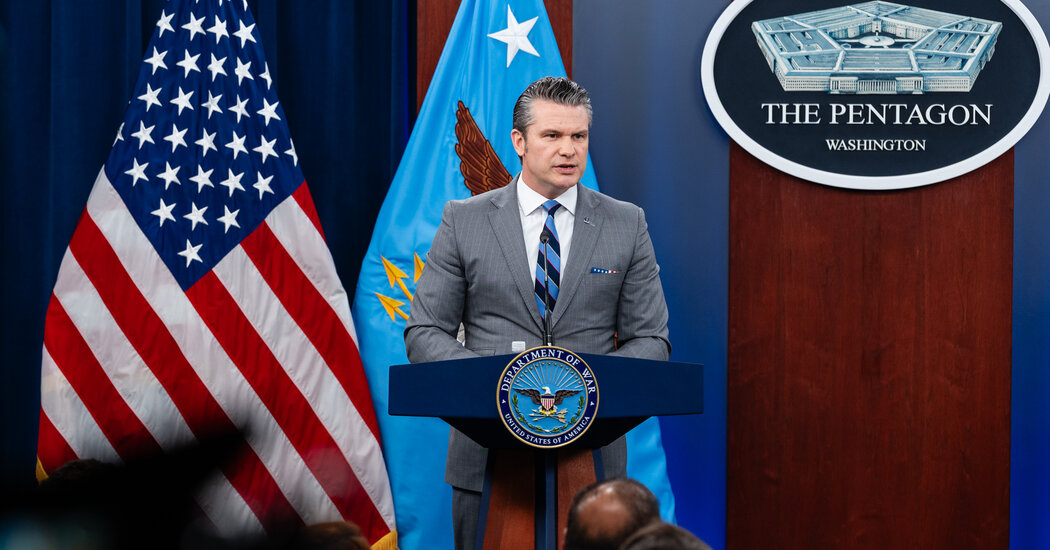
AdvertisementSKIP ADVERTISEMENTThe inspector general’s office said it would evaluate whether U.S. Southern Command followed a six-part process for carrying out airstrikes.Listen · 2:46 min Defense Secretary Pete Hegseth has called those killed in the strikes “narco-terrorists,” but the Trump administration has not provided evidence of drug smuggling.Credit...Eric Lee for The New York TimesMay 19, 2026, 2:54 p.m. ETThe Defense Department’s inspector general will evaluate whether U.S. Southern Command followed the department’s processes for targeting enemy combatants during its campaign against people the Trump administration accuses of smuggling drugs at sea.According to an analysis by The New York Times, Southern Command, which oversees military operations in the Caribbean and Latin America, has carried out 57 separate airstrikes on vessels, killing at least 192 people since September.Mollie Halpern, a spokeswoman for the inspector general’s office, said on Tuesday that the office initiated the evaluation on its own as part of a broad assessment of Defense Department programs and operations.The inspector general’s office will not offer a timeline for the evaluation in order to preserve the integrity of its work, she added.Defense Secretary Pete Hegseth has called those killed “narco-terrorists,” and the U.S. military has used a variety of warplanes and drones, including some painted to look like civilian aircraft, to drop bombs and launch missiles at motorboats in the Caribbean and the Eastern Pacific.Experts on the use of lethal force have said that the strikes are illegal, because the military cannot deliberately target civilians who do not pose an imminent threat of violence, even if they are suspected of engaging in criminal acts. The Trump administration has not provided evidence of drug smuggling.In a letter dated May 11, the inspector general’s office said it would look into whether the Defense Department “followed the established framework” of a six-part process for targeting enemy combatants.That process begins by establishing a clear set of goals that military force can accomplish.It continues with an assessment and vetting of potential targets, a determination as to whether U.S. forces have the ability and appropriate weapons to attack those targets, assigning forces to carry out those attacks, and planning and launching offensive operations. That is followed by a determination of whether the objectives were achieved.The inspector general’s work will not comment on the air campaign’s legality, but rather will assess whether procedures were properly followed.In testimony on Capitol Hill on March 19, Gen. Francis L. Donovan, the leader of Southern Command, told the Senate Armed Services Committee that the air campaign against suspected drug smugglers was not a long-term solution for reducing the flow of illegal narcotics into the United States.John Ismay is a reporter covering the Pentagon for The Times. He served as an explosive ordnance disposal officer in the U.S. Navy.AdvertisementSKIP ADVERTISEMENT
Pentagon Inspector General to Assess U.S. Boat Strikes
The inspector general’s office said it would evaluate whether U.S. Southern Command followed a six-part process for carrying out airstrikes.
455 words~2 min read