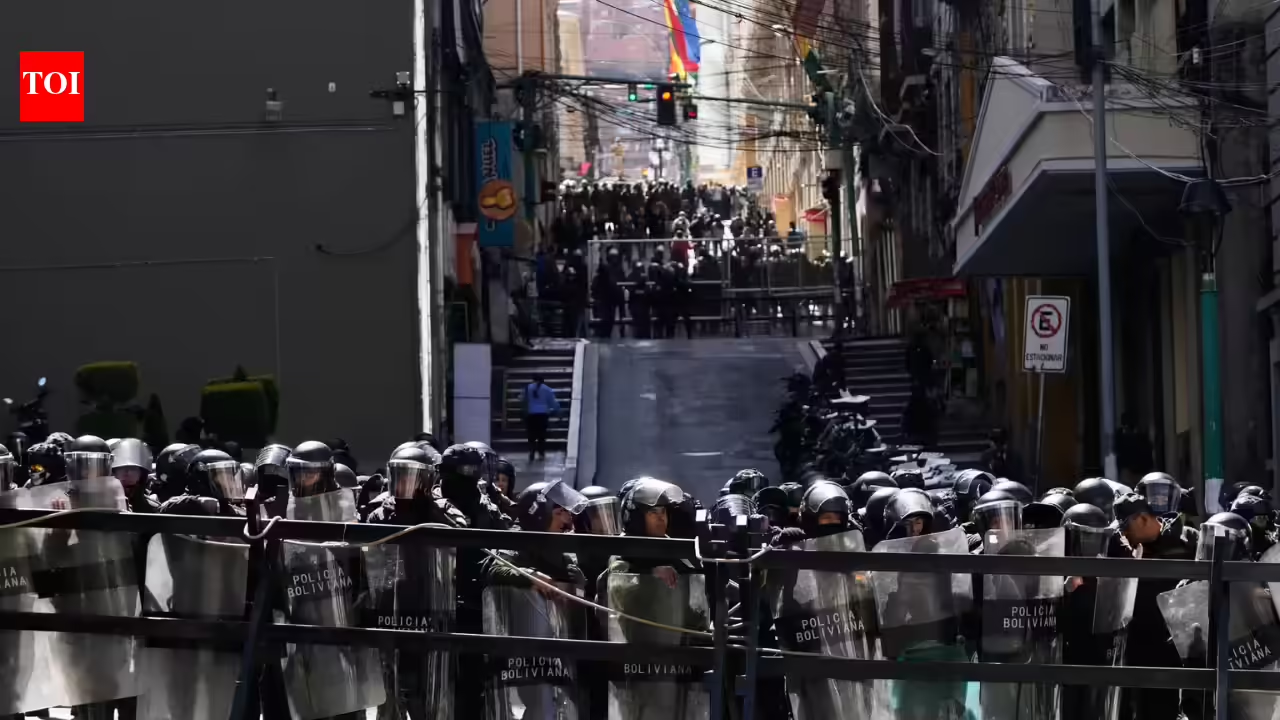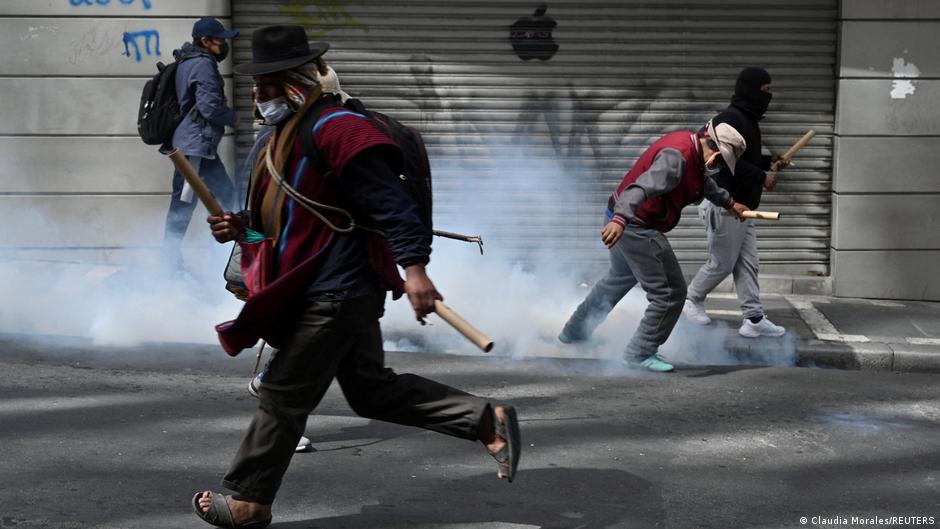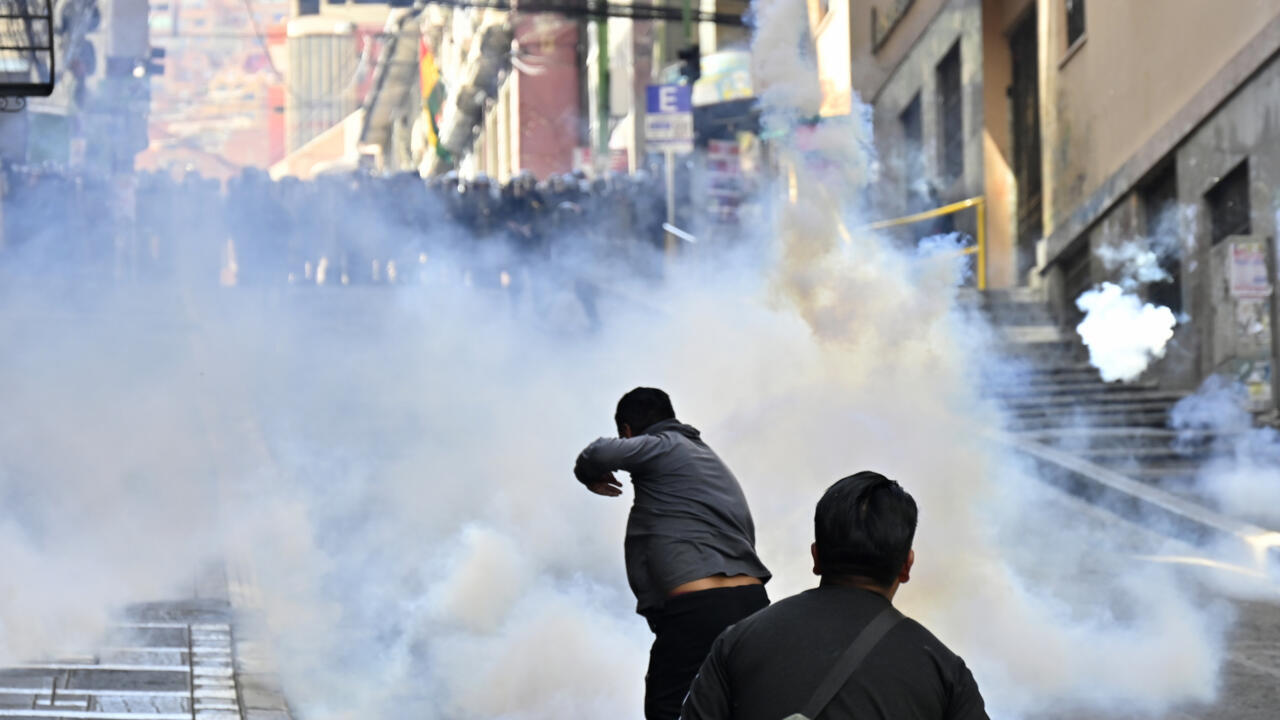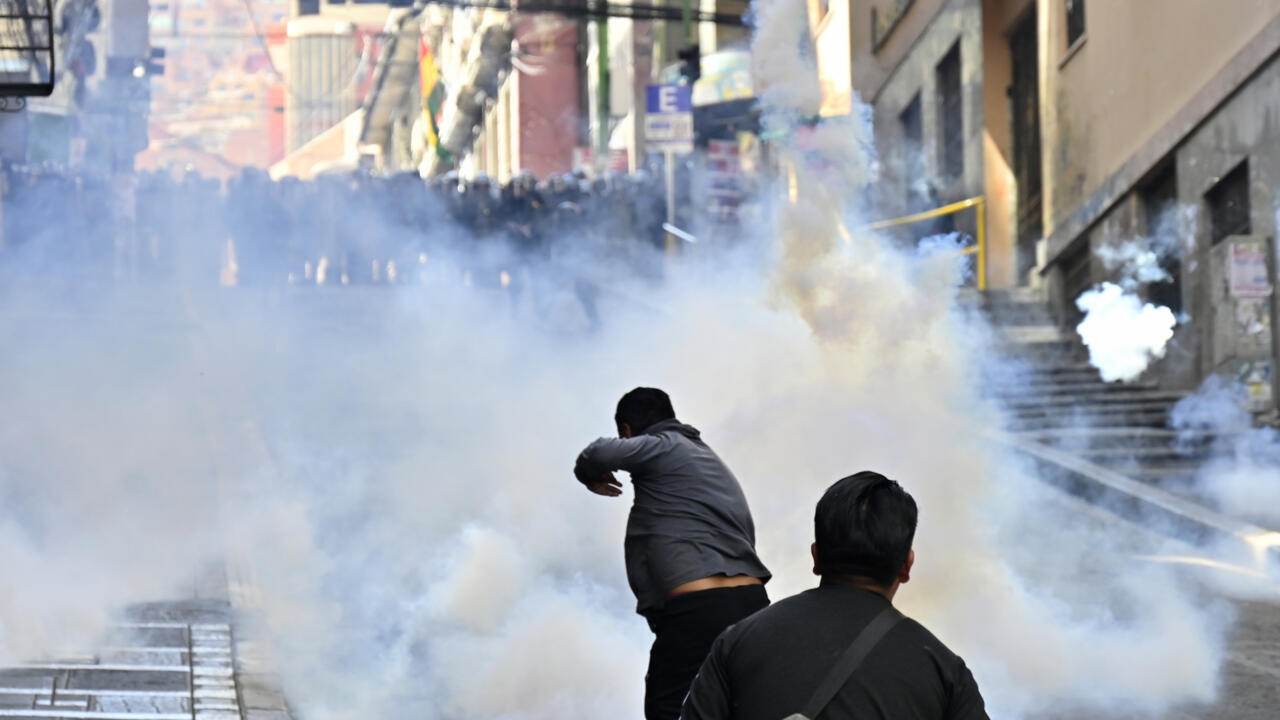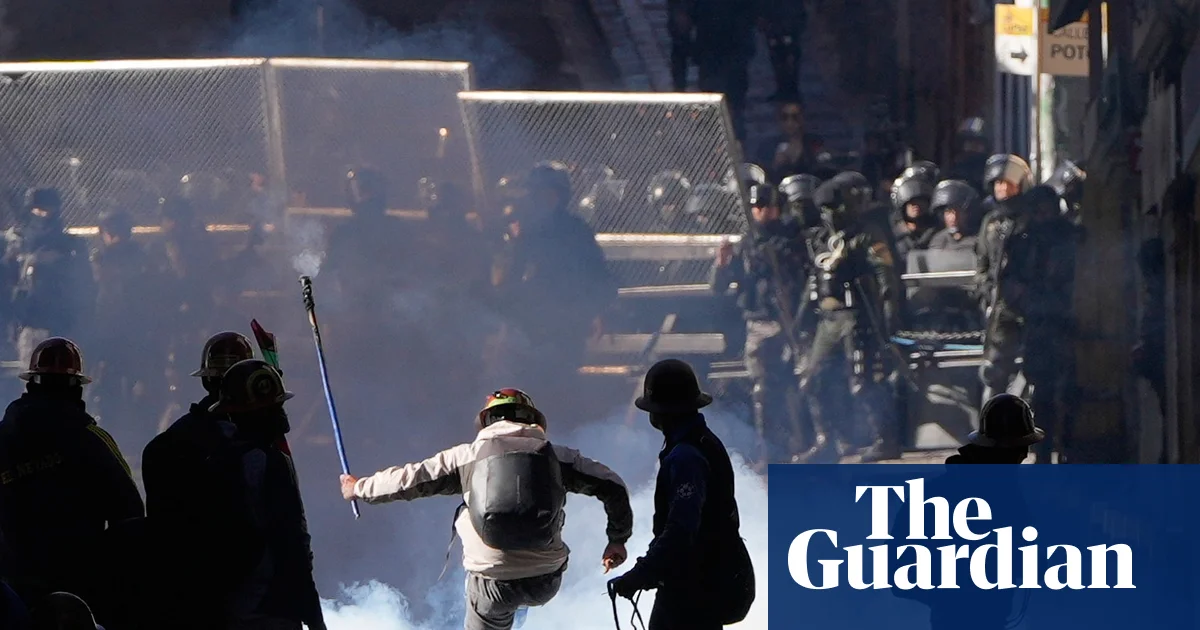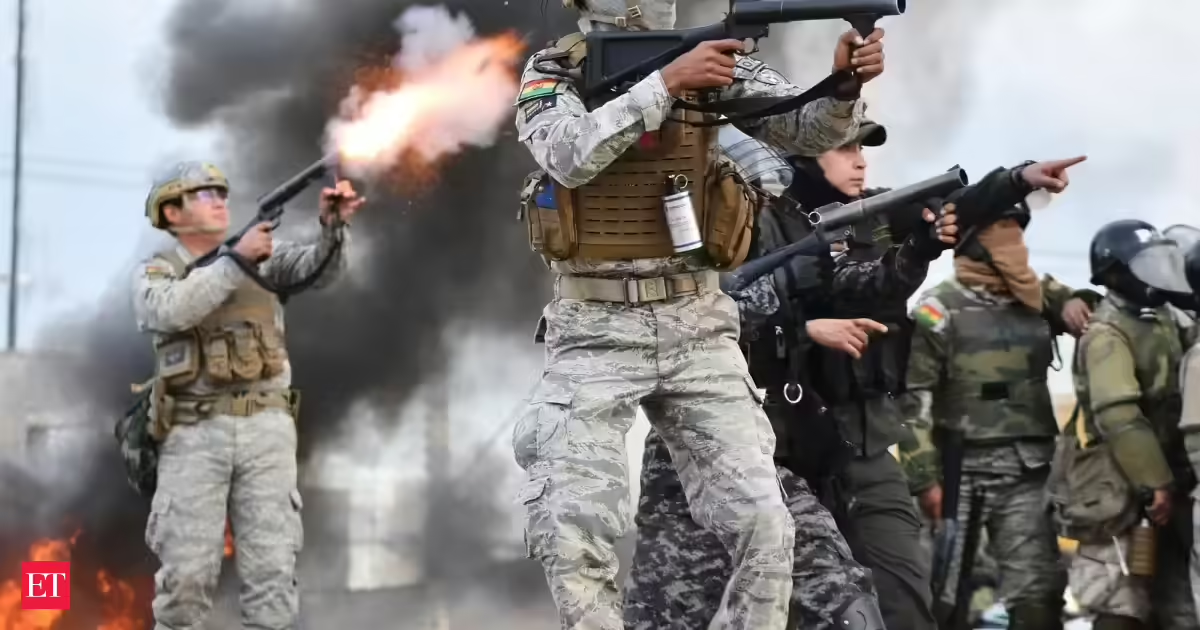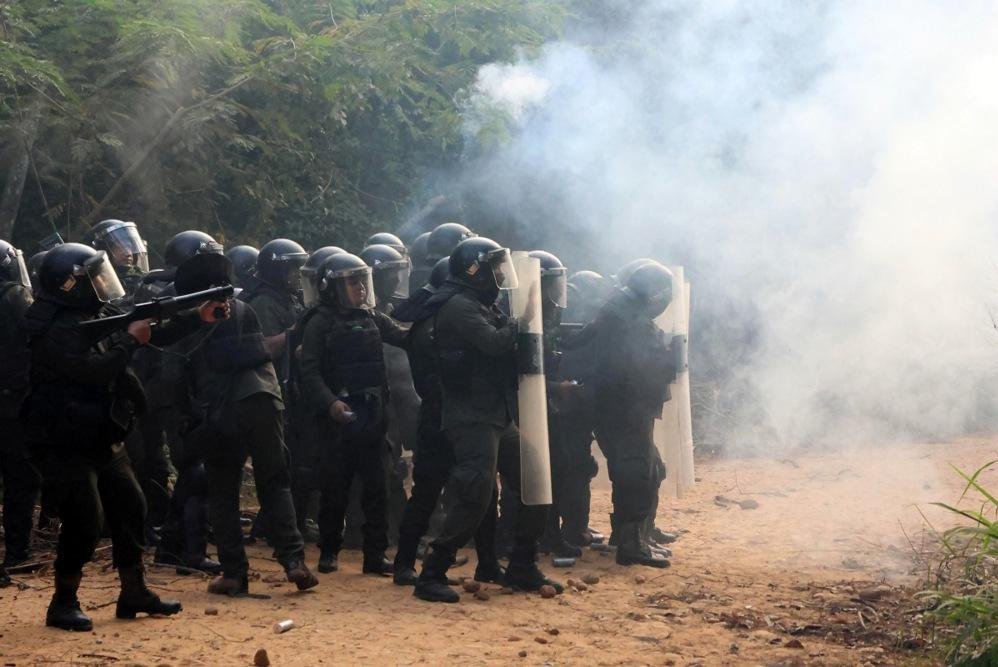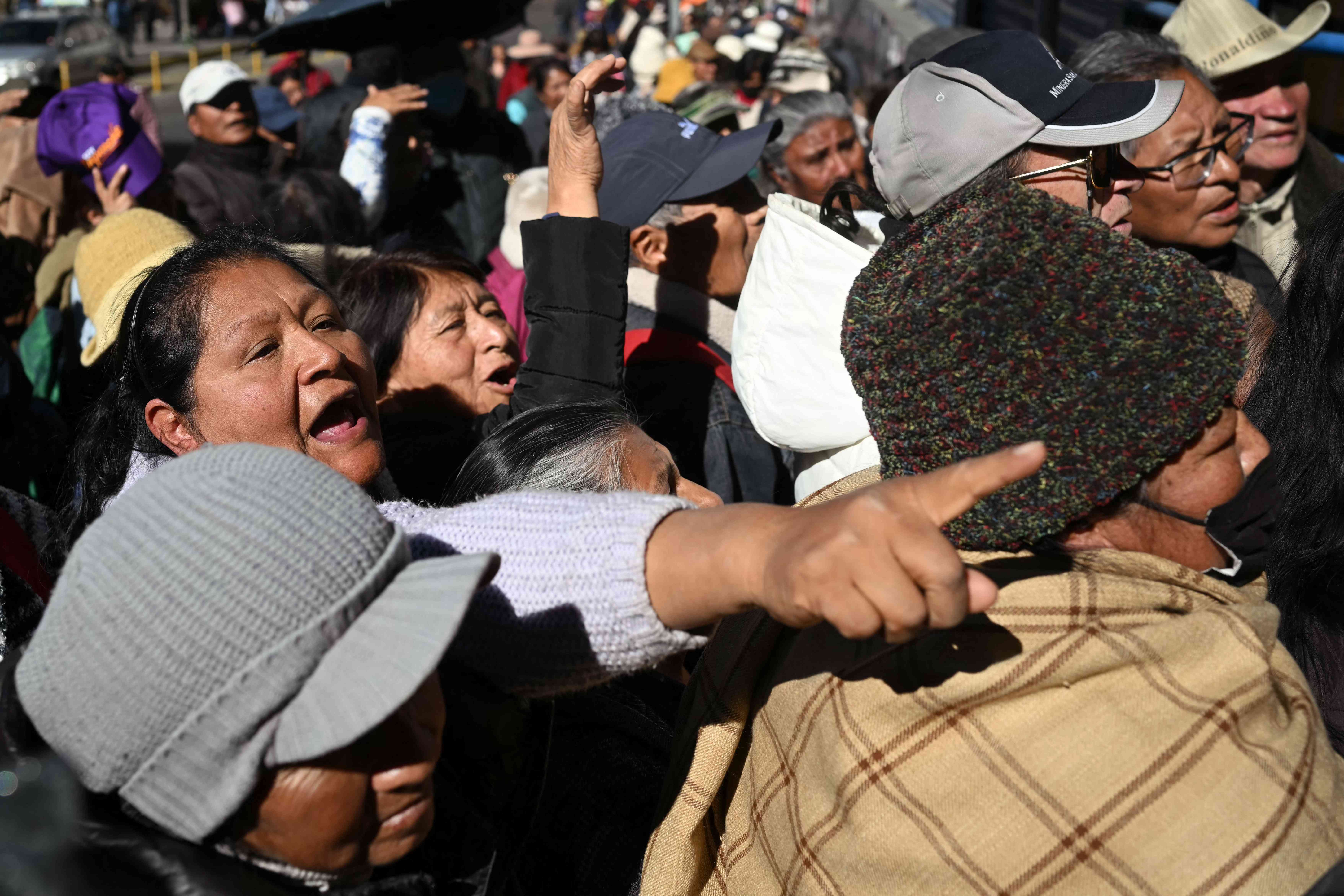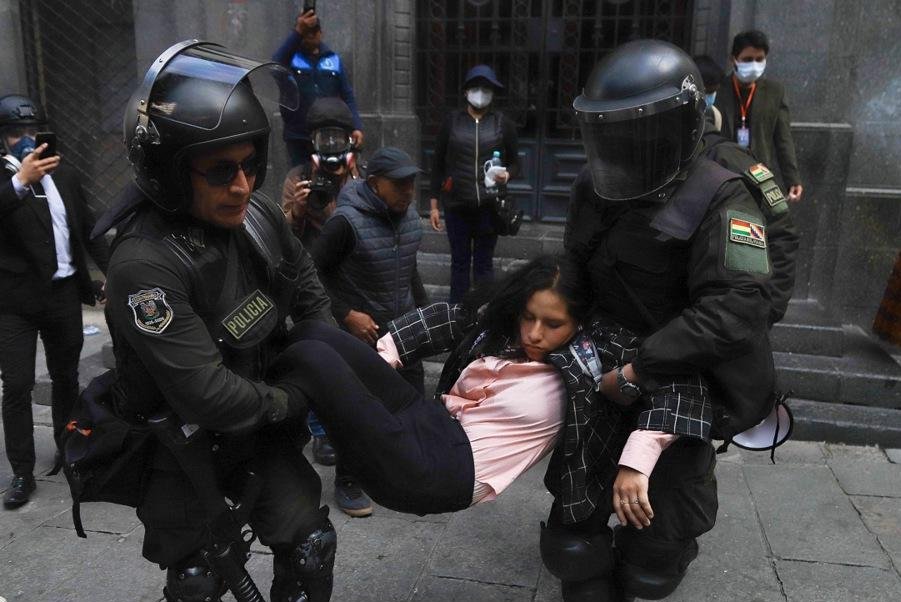
Police officers remove a woman during a protest demanding the resignation of President Rodrigo Paz in La Paz, Bolivia, on Monday. The protests converged on Plaza Murillo, the site of the Presidential Palace and Parliament, guarded by police and military forces. Riot police deployed tear gas to suppress the the advance of protesters, who countered with firecrackers and dynamite. Photo by Gabriel Marquez/EPA
May 19 (UPI) -- Bolivia's government has ruled out declaring a state of emergency, despite escalating violence linked to nationwide protests that have left dozens injured and detained while causing multimillion-dollar losses through road blockades across the country.
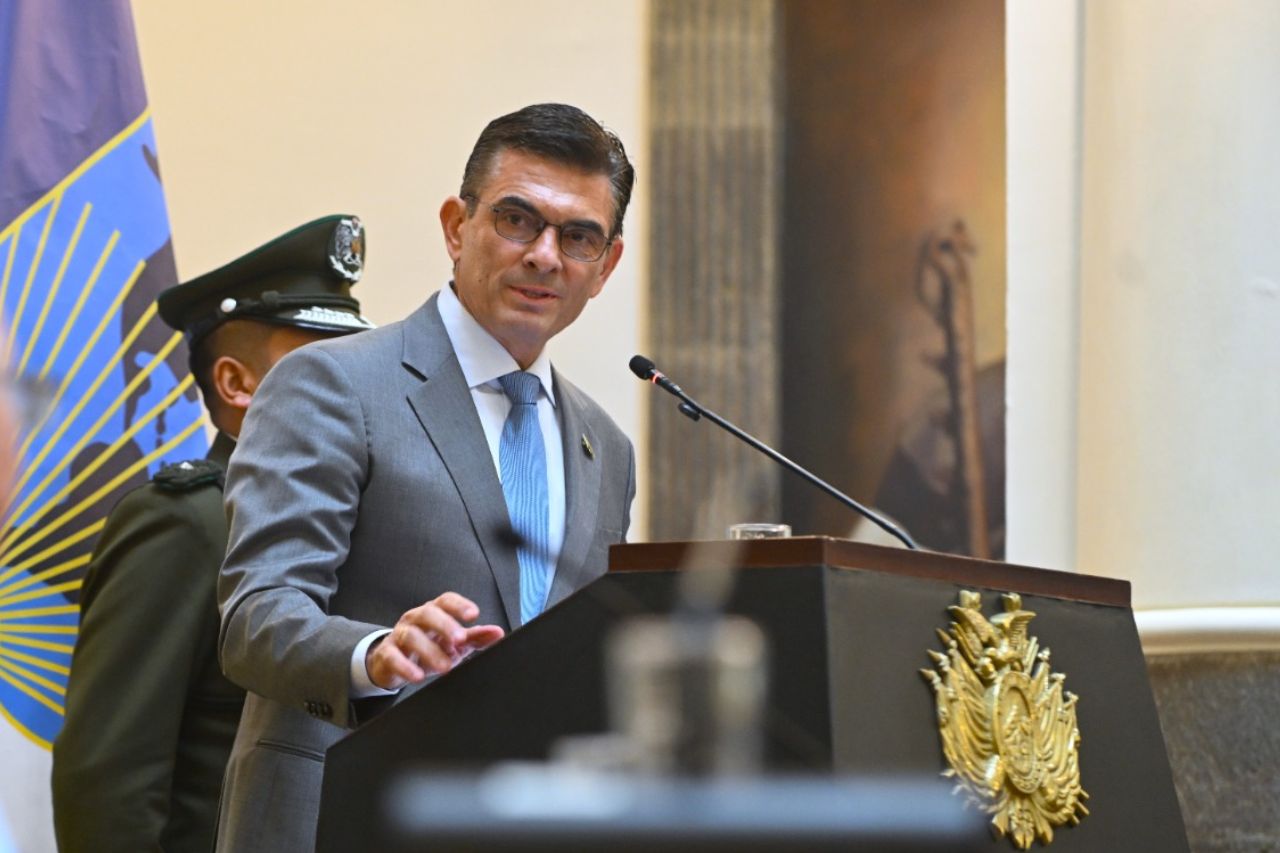
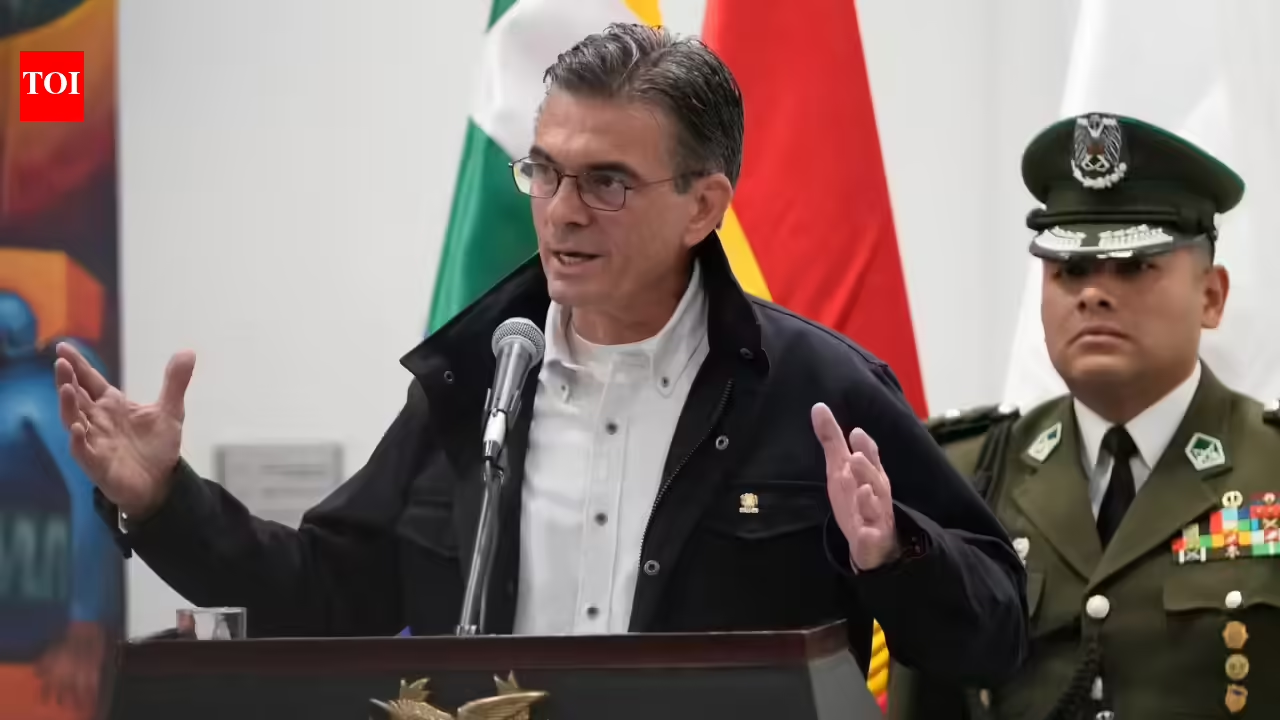
Presidential spokesman José Luis Gálvez and Government Minister Marco Antonio Oviedo said Tuesday imposing the constitutional measure would deepen social polarization.
According to authorities, a state of emergency could allow protest groups to portray themselves as political victims and gain sympathy through domestic and international public opinion.
"There is no possibility of a state of emergency. We are not going to do it because this problem is concentrated here in La Paz," Oviedo told a local radio station. "Therefore, we are going to take tough and strict measures. We will increase the presence of police and armed forces in the city and in parts of El Alto."