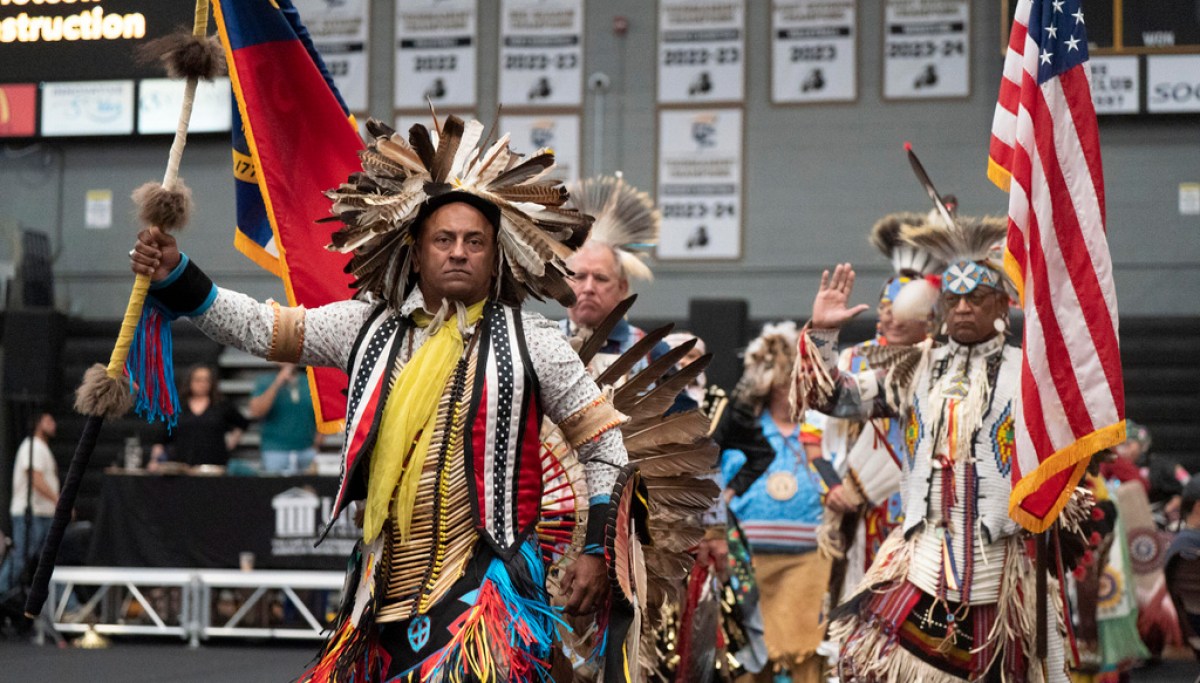
TALEQUAH, Okla. (AP) — Culture is vital for recovery. That’s a lesson Juli Skinner, a citizen of the Ponca Tribe of Oklahoma, learned during her time in foster care, years later working in child welfare and now, as the senior director of the Cherokee Nation’s behavioral health center. Tribal traditions have given her a healthy way to self-regulate and strengthen her connection with Spirit.“Culture is such a protective factor,” Skinner said. “Historical trauma has hit a lot of people — Native Americans, tribes — hard. Lost language, lost traditional ways, and we’ll never get all of that back.”Despite seeing the benefits, culture has never been baked into the inpatient treatment options available to citizens of the Cherokee Nation in Oklahoma, a tribe Skinner has worked with for more than a decade. That is changing next year.Cherokee Nation plans to open a residential and intensive outpatient treatment center in Tahlequah, where the tribe is headquartered. It will incorporate centuries-old traditions into recovery, including the game of stickball and an on-campus garden to grow selu, or corn. Money for the facility comes from the roughly $150 million the tribe recovered through settlements with opioid manufacturers. The 45,000-square-foot (4,180-square-meter) campus will have 100 inpatient beds and an outpatient hub with follow-up support.
Cherokee Nation integrates culture into new treatment center built with opioid settlement funds
The Cherokee Nation in Oklahoma is using opioid settlement funds to build a culturally competent healthcare system.
1,079 words~5 min read