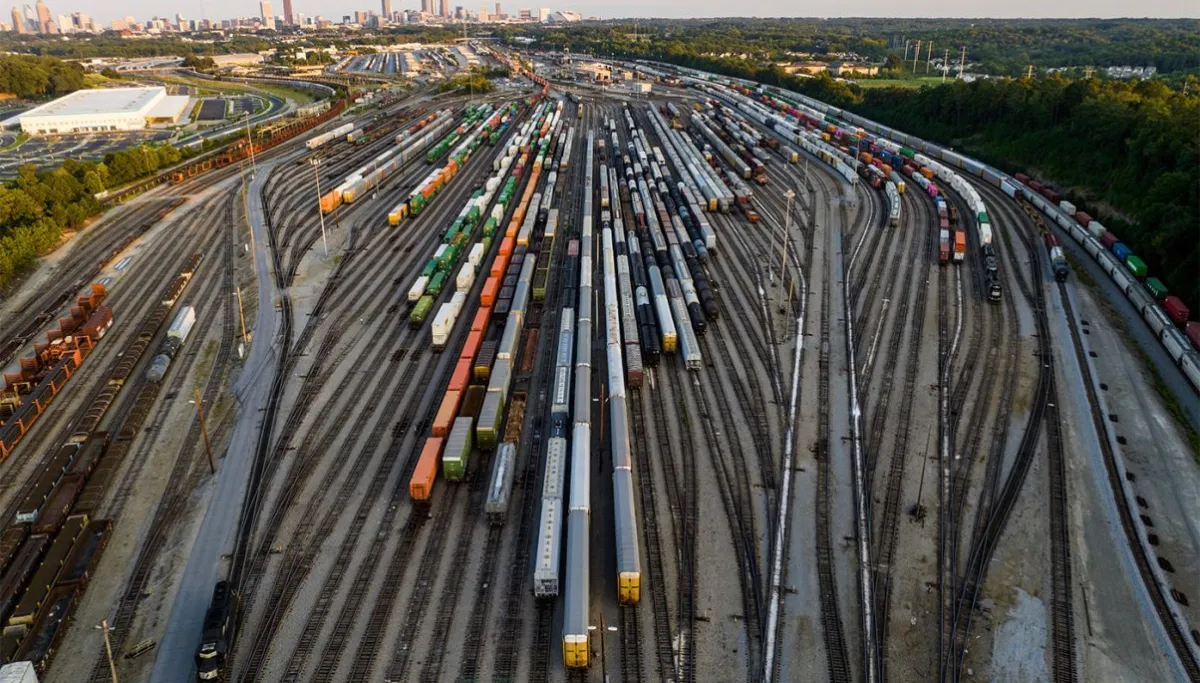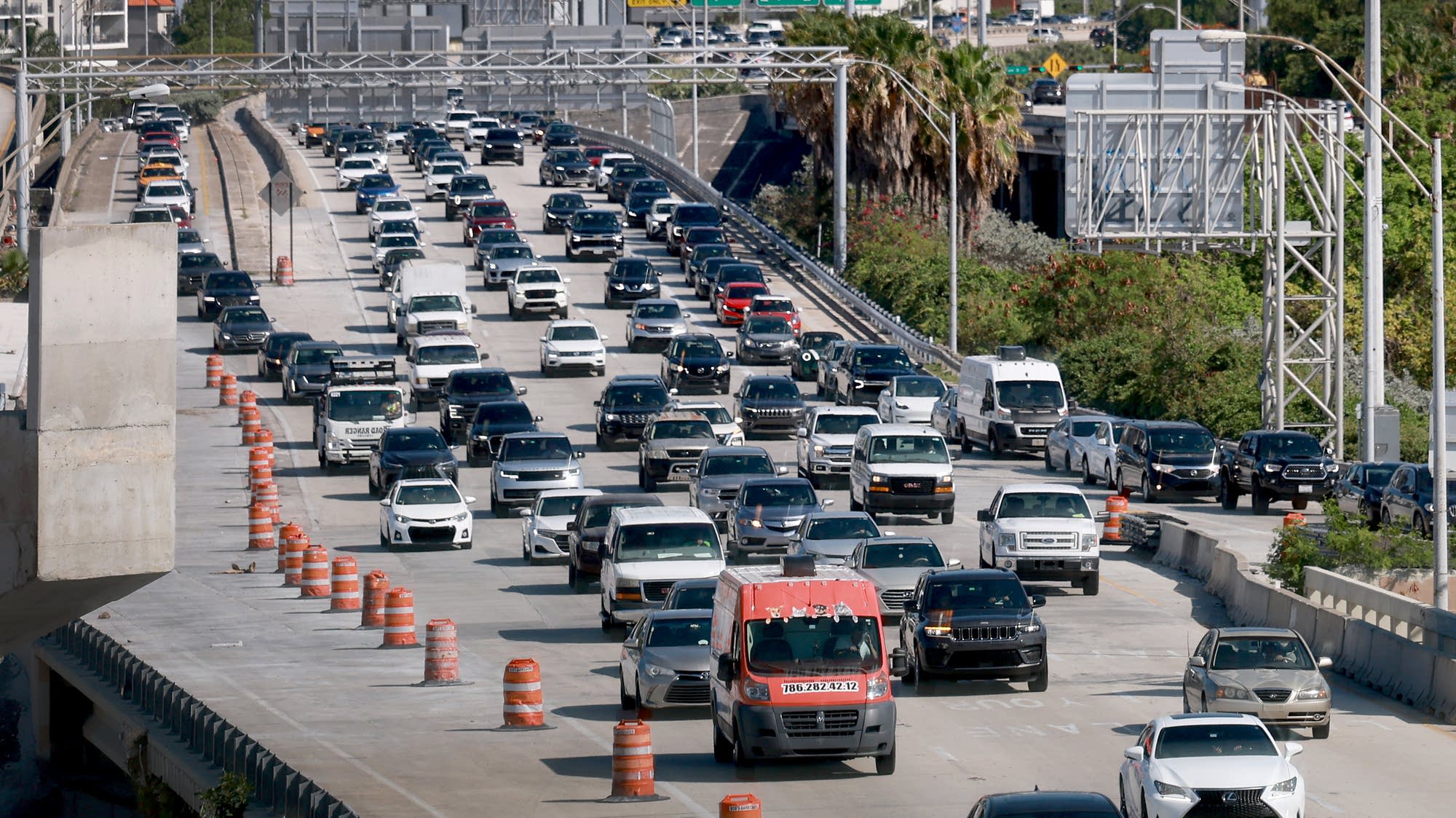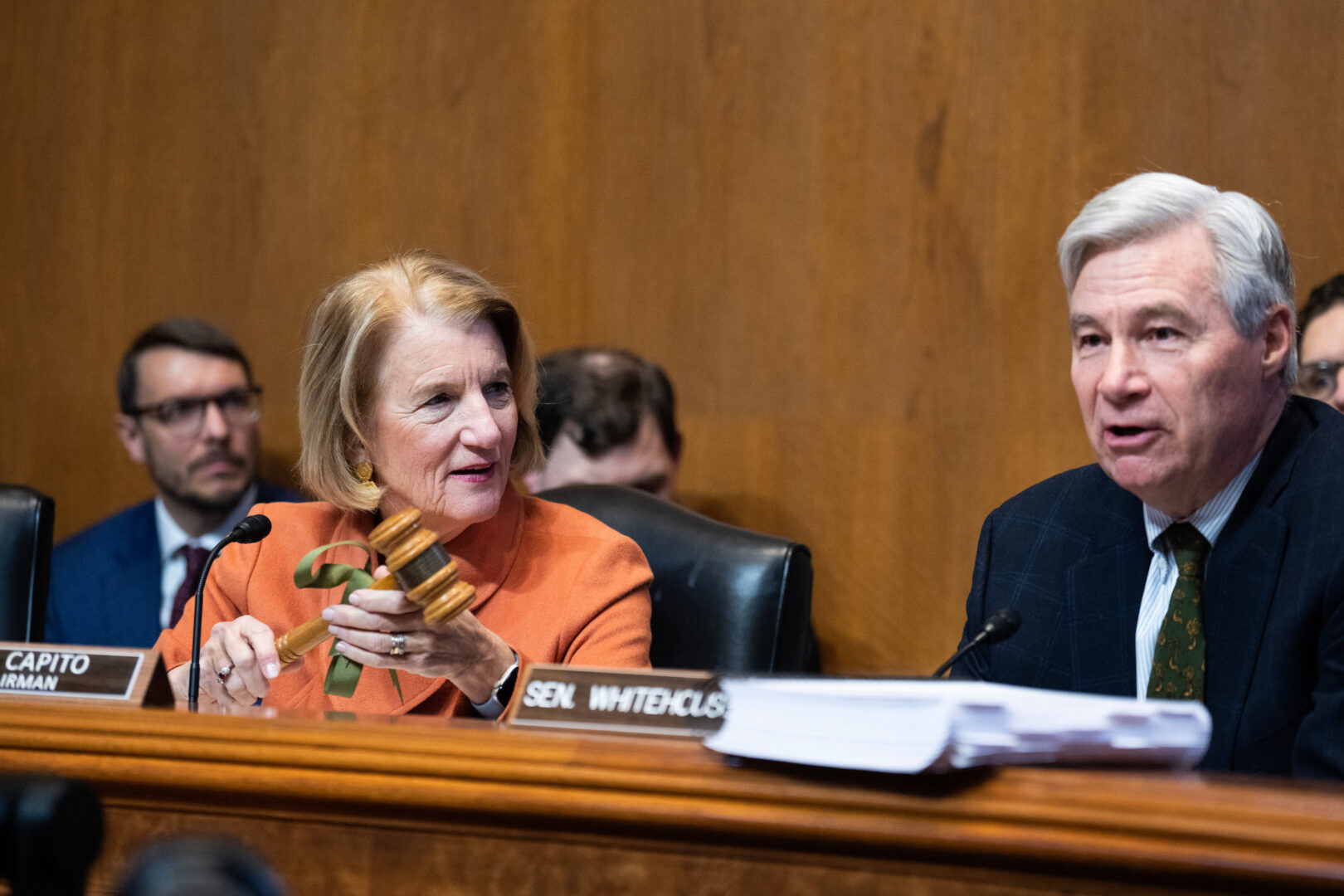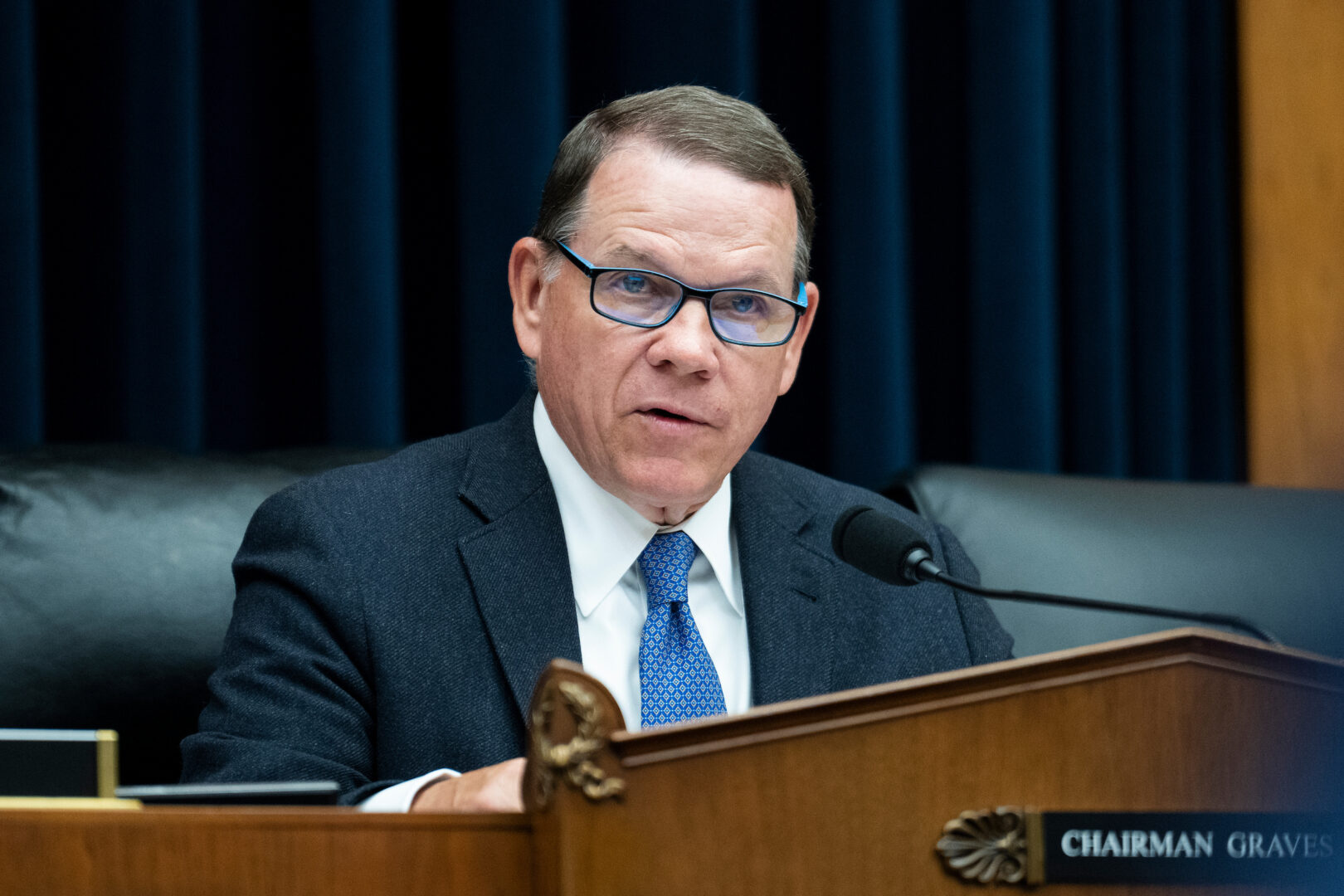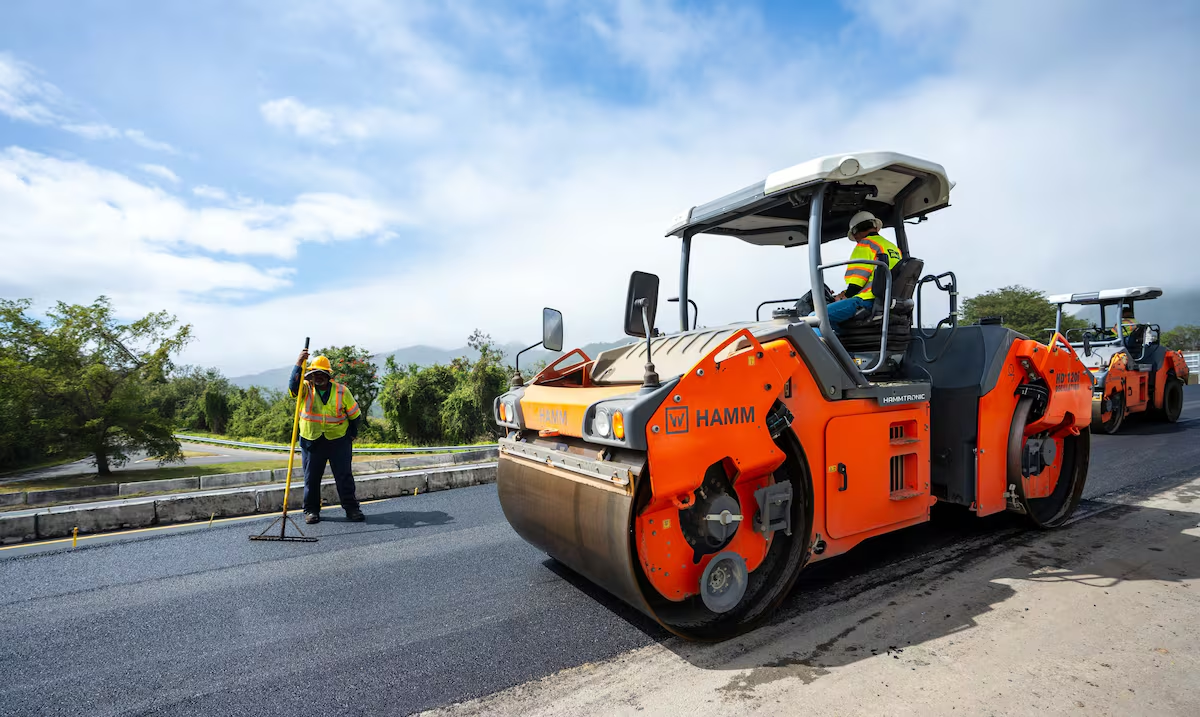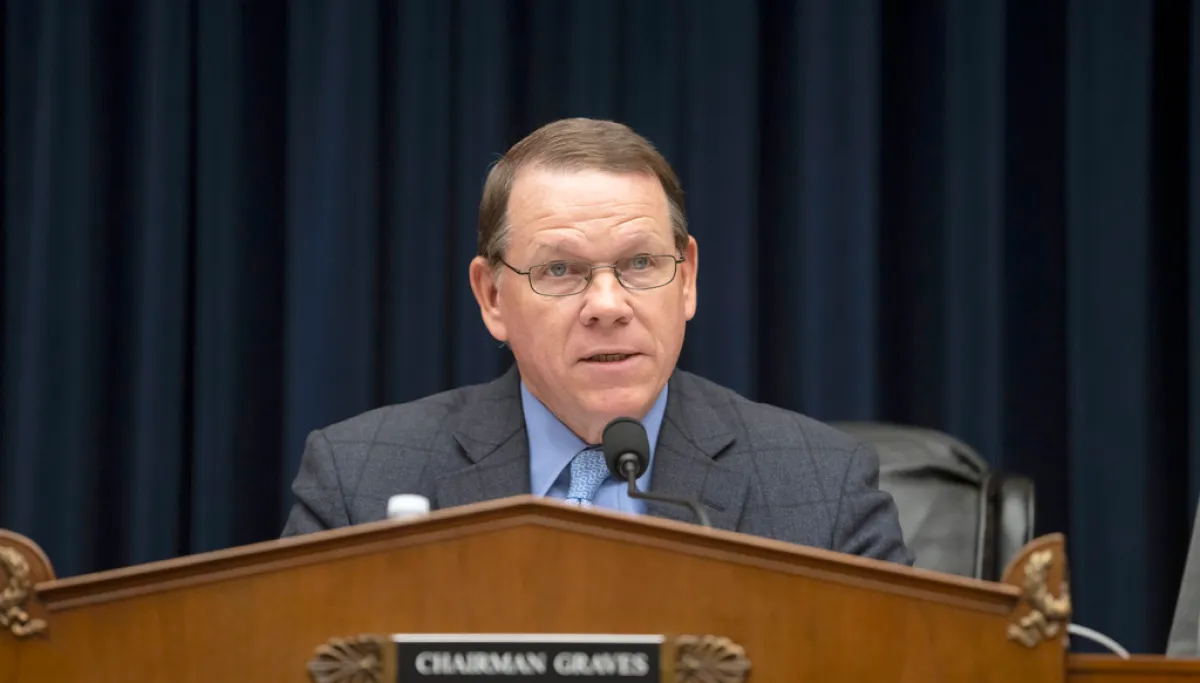
America’s transportation system is the backbone of our economy, and the decisions Congress makes in the coming months will determine whether goods and services can continue to move on time, safely, and efficiently. Critical infrastructure funding is set to expire in September, and while House and Senate committees are moving toward early action, history tells us that delays are likely. In 2021, the Infrastructure Investment and Jobs Act provided a once-in-a-generation investment in the nation’s infrastructure. Equipment manufacturers across the country applauded the passage of this monumental legislation, and we continue to see the great results it has brought our industry. Its scope and funding levels were unprecedented, and its impact is still being felt across the country as long-overdue projects move from planning to pavement. But as lawmakers begin shaping the next surface transportation bill, there are clear signals that the debate will look different this time. House Transportation and Infrastructure Committee Chairman Sam Graves (R-MO) has signaled a return to a more traditional framework, albeit with robust funding. At the same time, there are indications that President Donald Trump may push for continued strong investment. Reconciling these approaches in a narrowly divided House — particularly as lawmakers assess how IIJA dollars are being deployed — will not be easy.
Pass an infrastructure bill that builds on what works
The question is not whether Congress can act — it is whether it will. It is time to finish the job, build on what works, and keep America moving.
585 words~3 min read