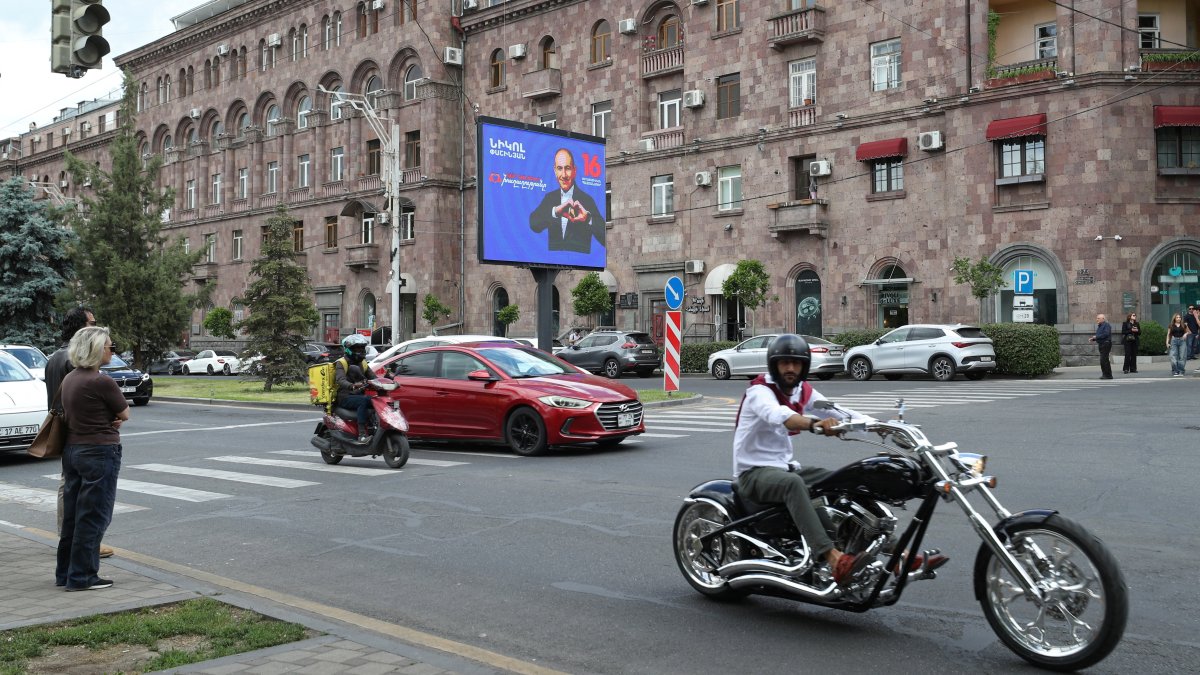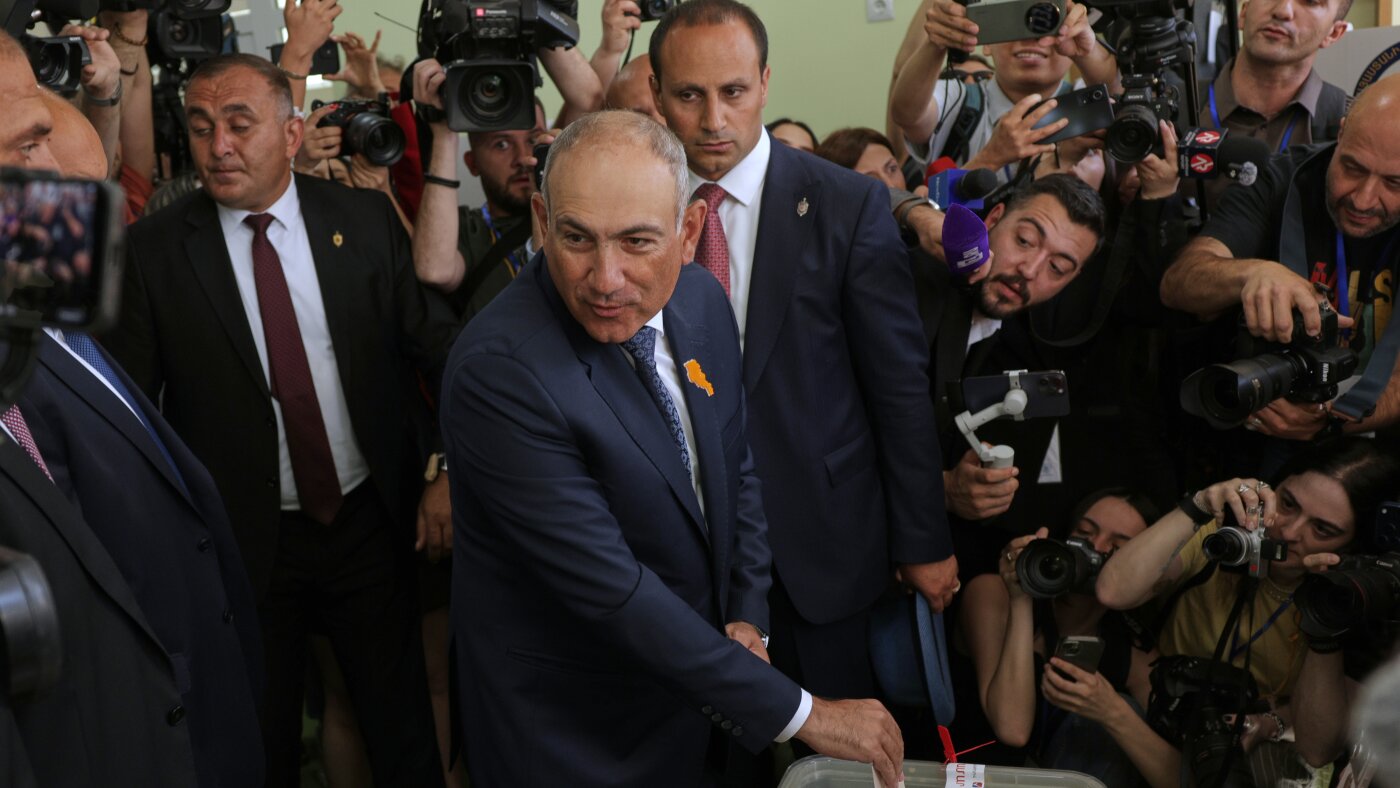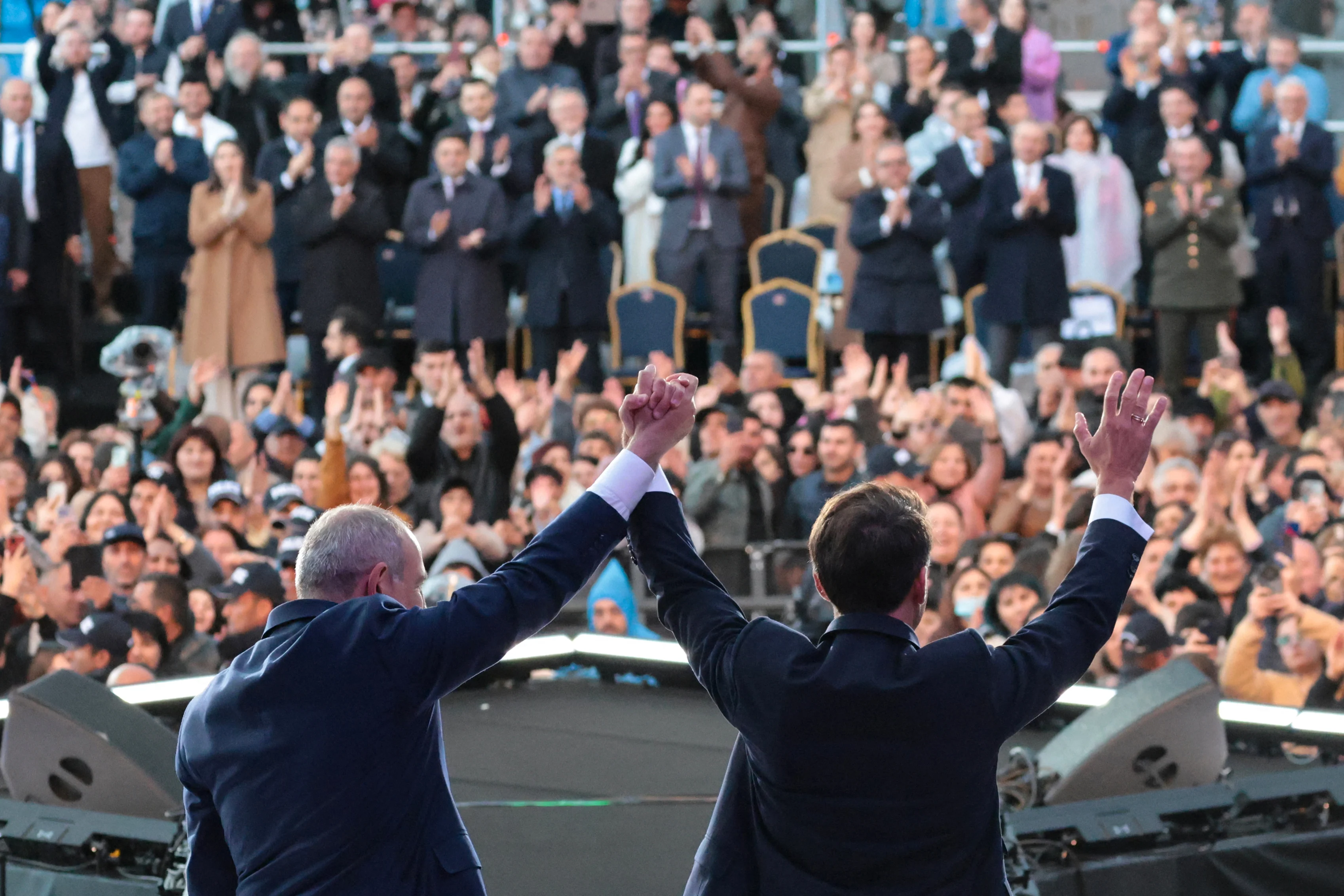
After last month’s victory for democracy in Hungary, where voters ousted longtime Prime Minister Viktor Orban, Armenia appears to be the next battleground in the global contest between autocracy and democracy—though the contours of that conflict look a little different in Yerevan.
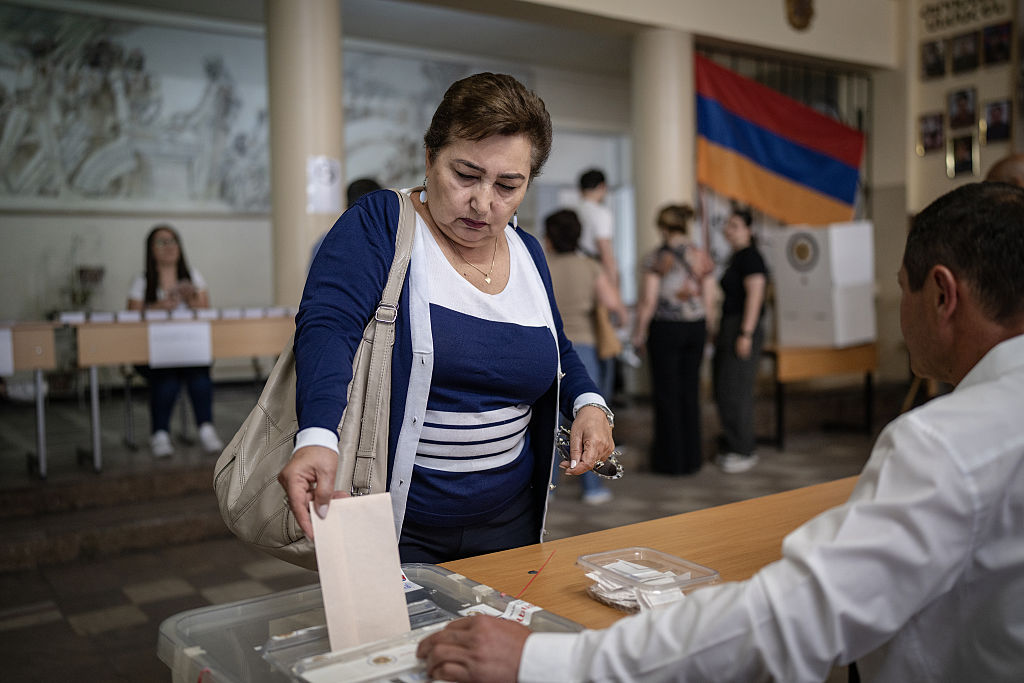
Armenia’s parliamentary elections are scheduled for June 7, presenting a test for whether the post-Soviet state’s current leadership will allow the country to remain on a democratic path.
It is hardly surprising that U.S. President Donald Trump is taking the wrong approach to the battle. Rather than pressing for free and fair elections, he is unconditionally backing the incumbent prime minister, who has increasingly sought to tilt the electoral playing field in his favor. However, it is deeply disappointing that European governments are following suit, abandoning the democratic process in the name of countering Russian influence efforts.
Armenian Prime Minister Nikol Pashinyan rose to power in 2018 on the promise of democratic renewal after the country’s self-styled Velvet Revolution, and he has deepened Armenia’s ties with the West. Yet today he faces uncertain prospects: A February poll predicted Pashinyan and his Civil Contract party would take between 20 and 30 percent of the vote. Seventeen parties and two electoral alliances are competing in the June elections.