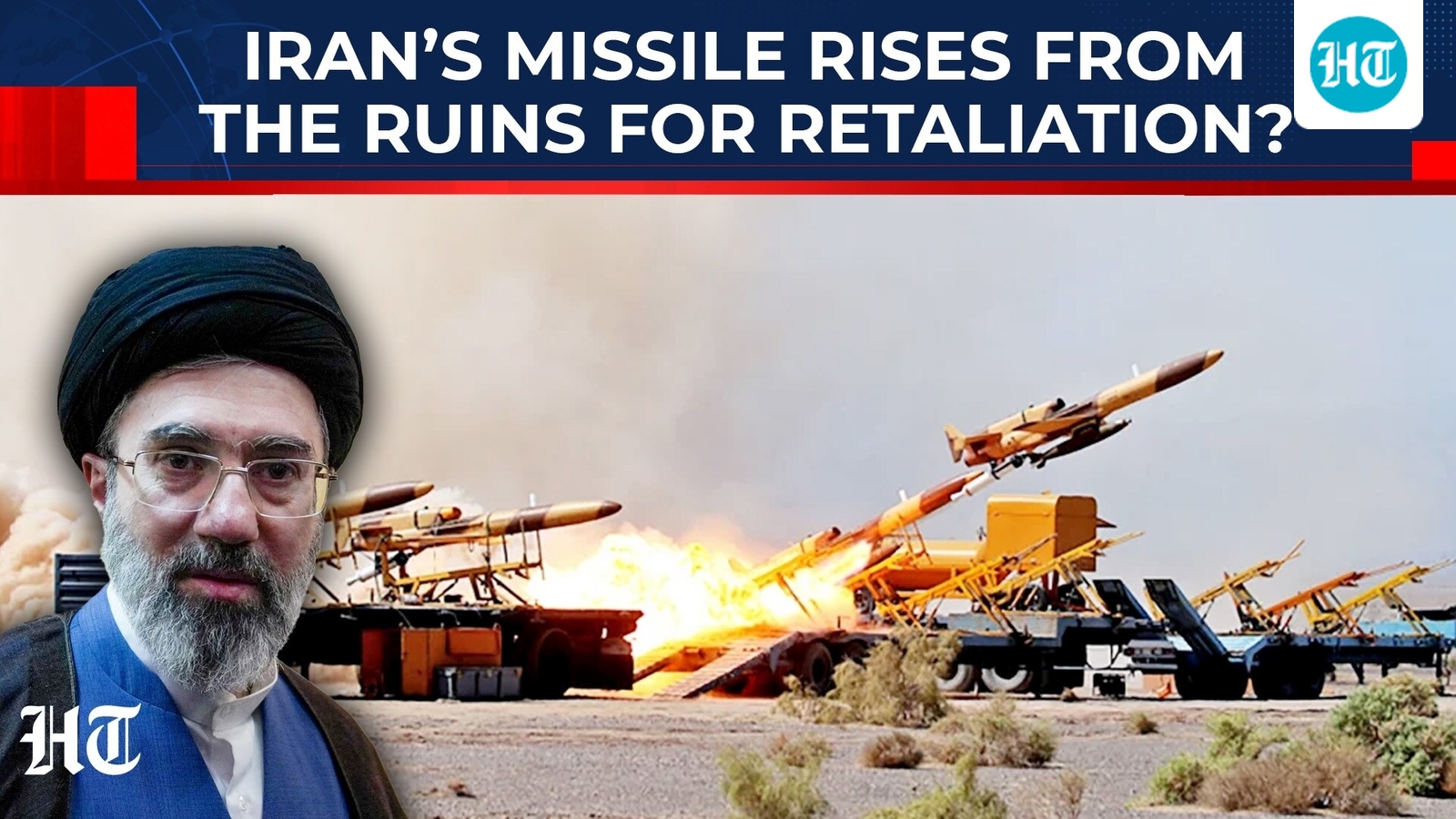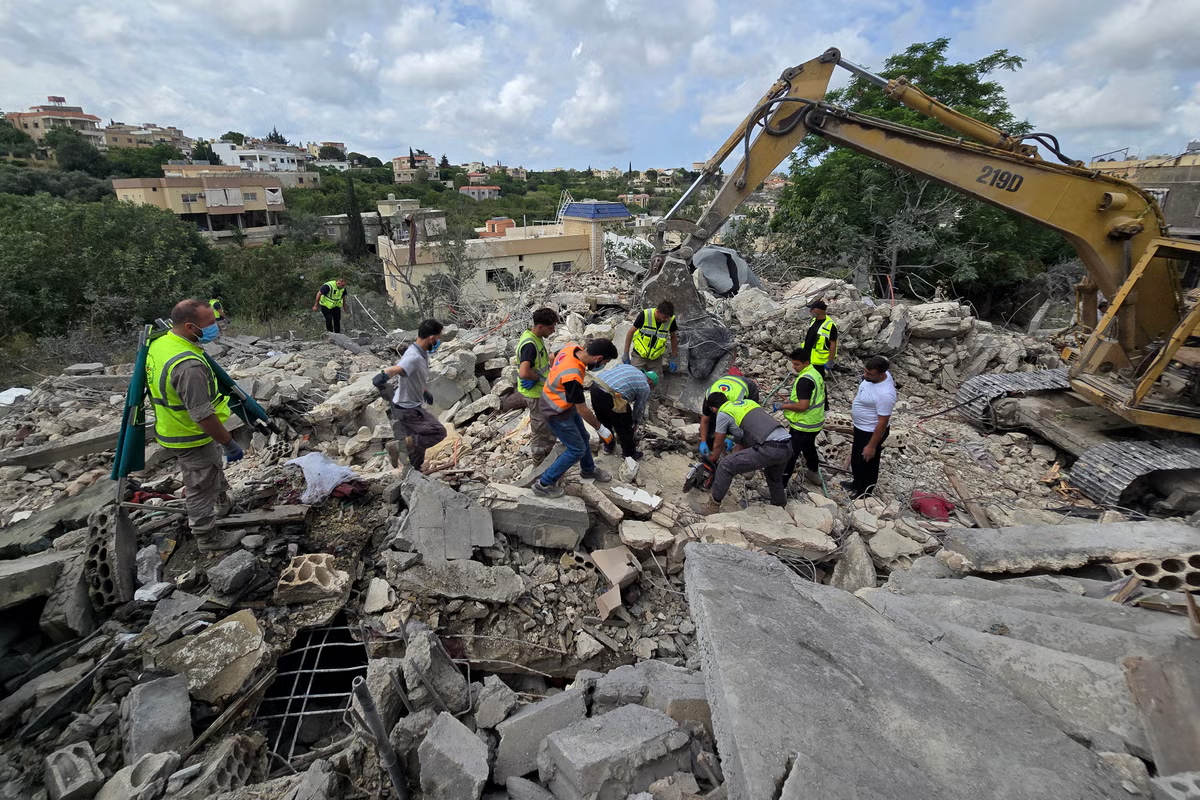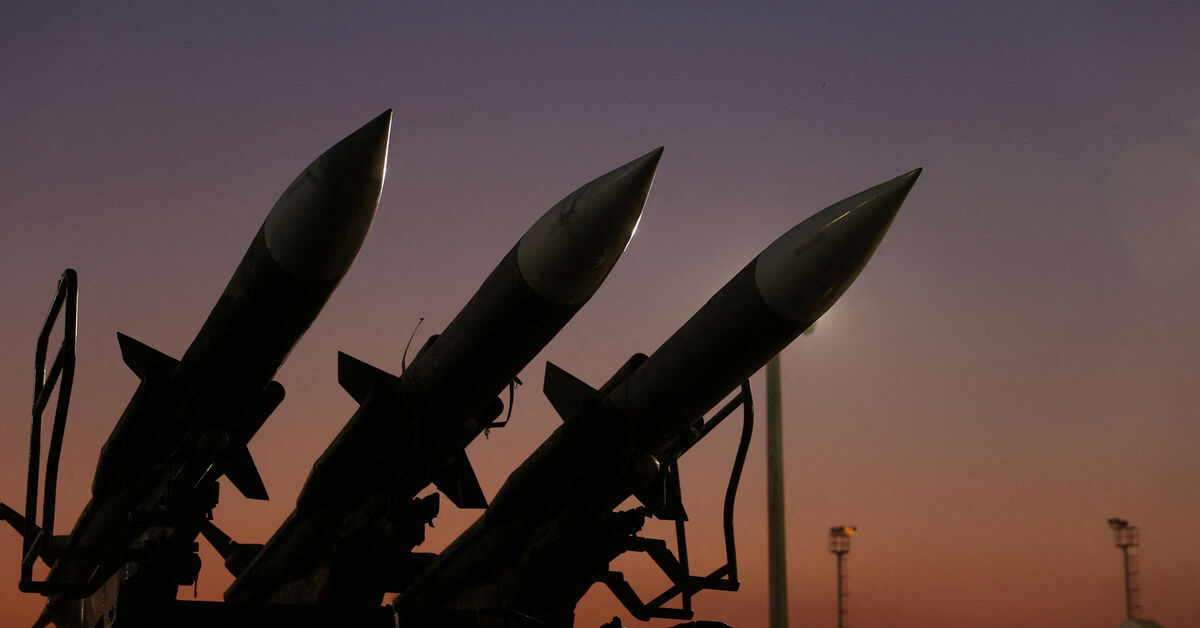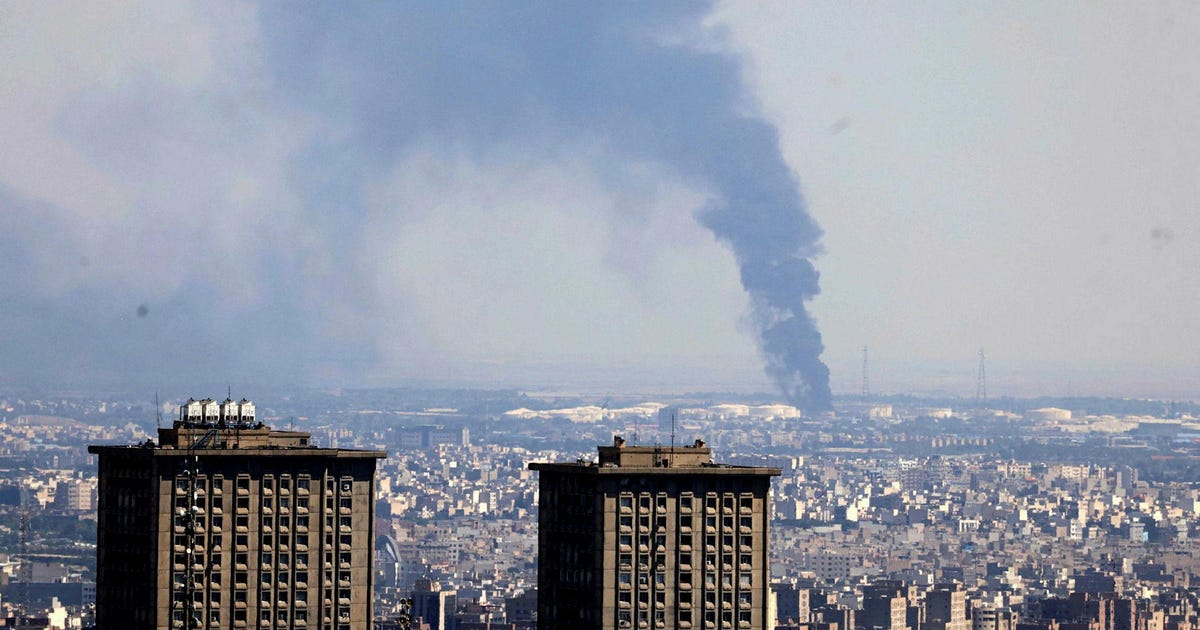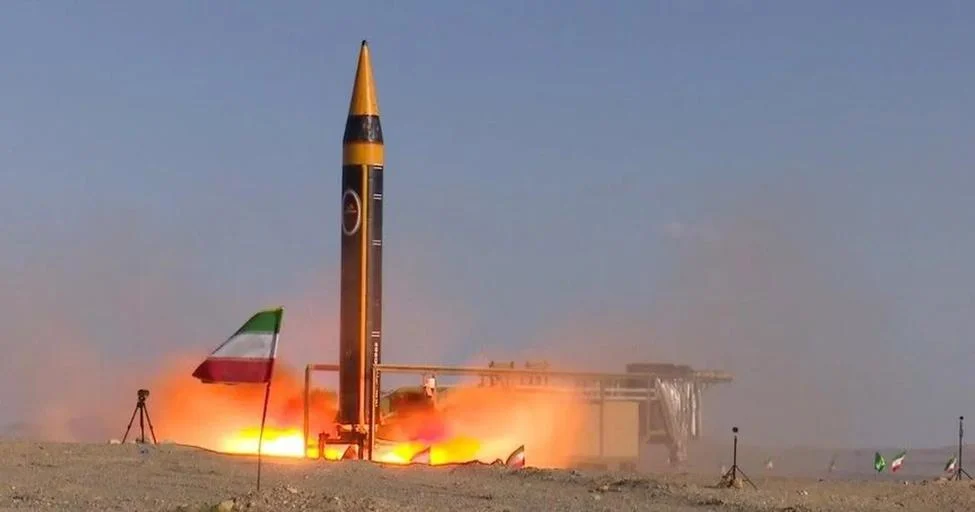
The New York Times released a report revealing that during the temporary ceasefire, the Islamic Republic of Iran took steps to reconstruct parts of its damaged missile infrastructure and restore dozens of ballistic missile deployment sites.
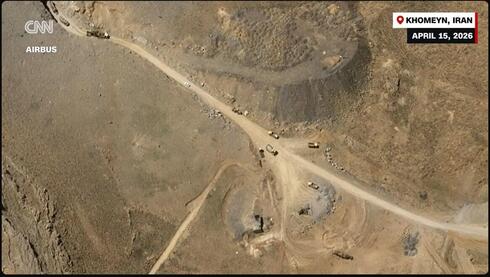
According to the report, Iran utilized this timeframe to clear and reactivate sites that had been targeted in previous waves of strikes. Other actions taken by Tehran reportedly included the relocation of mobile launchers and the recalibration of operational tactics in preparation for a potential resumption of hostilities.
Speaking to The New York Times, a U.S. military official stated that the bulk of Iran’s ballistic missiles were stationed within deep underground facilities and mountainous regions. According to him, U.S. strikes primarily targeted the entrances to these sites, temporarily taking some facilities offline by sealing their portals, though the underlying infrastructure itself was not destroyed.
The official added that Iran has now successfully reactivated a significant portion of these sites while simultaneously transferring a segment of its remaining arsenal and launchers to new areas. He further claimed that these developments have bolstered Tehran’s assessment of its own deterrent capabilities, placing options such as threatening regional energy infrastructure or shutting down the Strait of Hormuz back at the forefront of its military calculations.