May 12, 2026
1 min watch
Add topic to email alerts
Receive an email when new articles are posted on
Please provide your email address to receive an email when new articles are posted on .
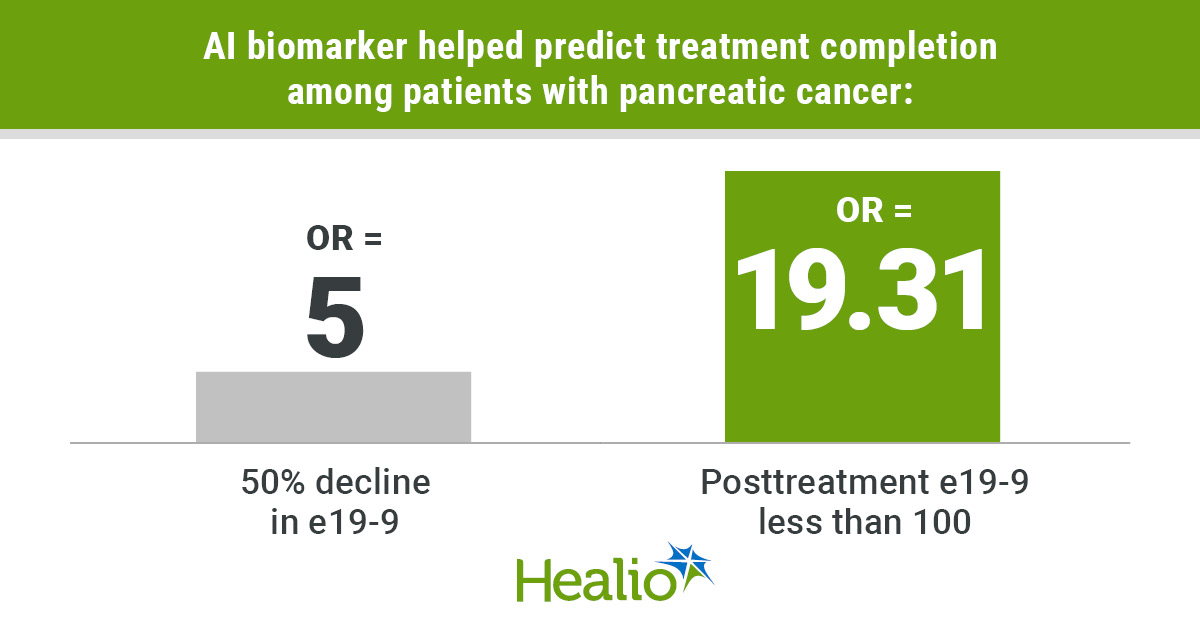
Approximately a third of patients with pancreatic ductal adenocarcinoma do not have elevated or detectable levels of a biomarker commonly used to measure response to therapy.An AI tumor marker derived from routinely collected data could provide prognostic information on treatment completion and survival similar to that seen in patients who have measurable cancer antigen 19-9 (CA19-9).
May 12, 2026
1 min watch
Add topic to email alerts
Receive an email when new articles are posted on
Please provide your email address to receive an email when new articles are posted on .
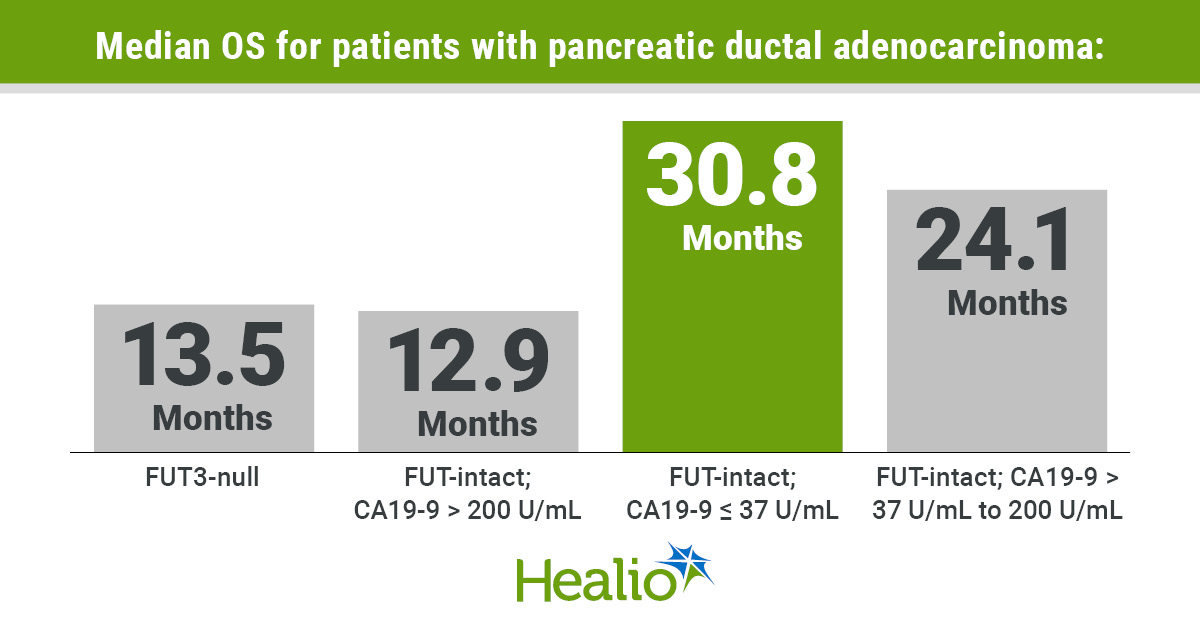
Patients with pancreatic cancer who have “ultra-low baseline values” of a biomarker used for prognosis have similar survival as…
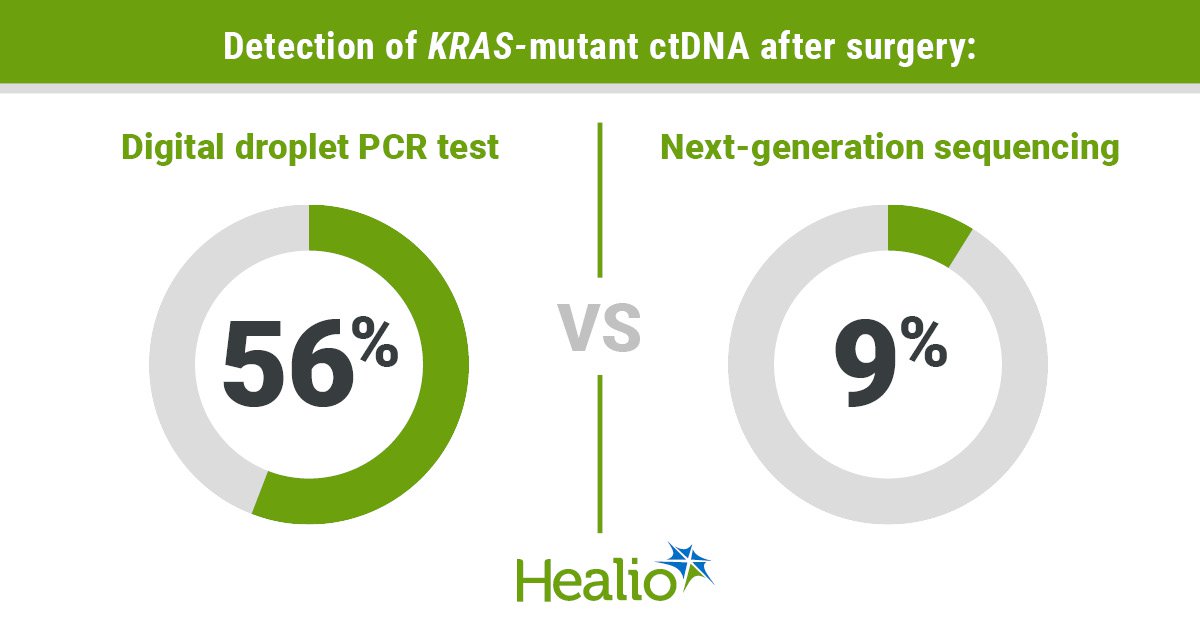
A highly sensitive blood test can detect signs of pancreatic cancer that standard methods often miss, according to results of a…

CHICAGO — Patient-facing resources about AI in cancer care are scarce, according to study results presented at ASCO Annual…

Researchers at Mayo Clinic have developed an artificial intelligence (AI) system that could transform how pancreatic cancer is…

CHICAGO — In this video, Mitchell Singstock, MD, discusses results of a retrospective study that evaluated genomic testing rates…

Mayo Clinic and Stanford Health's discoveries could shift future clinical decision-making, as advances in artificial intelligence…