AP, OAKLAND, California
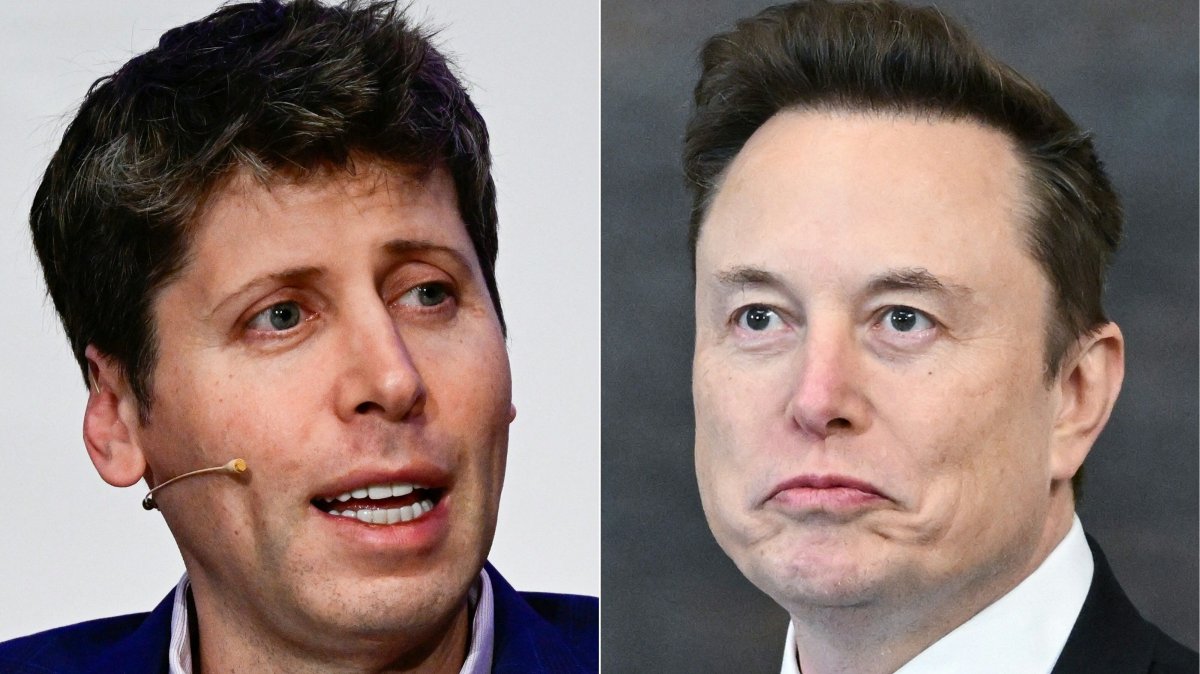
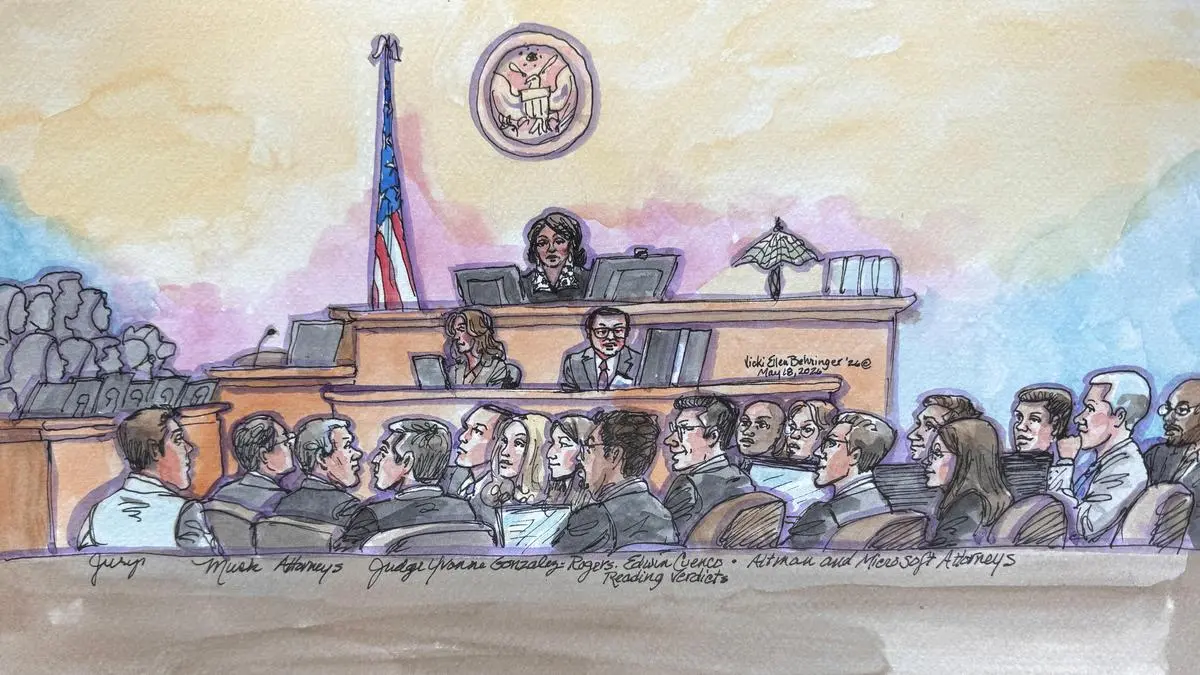
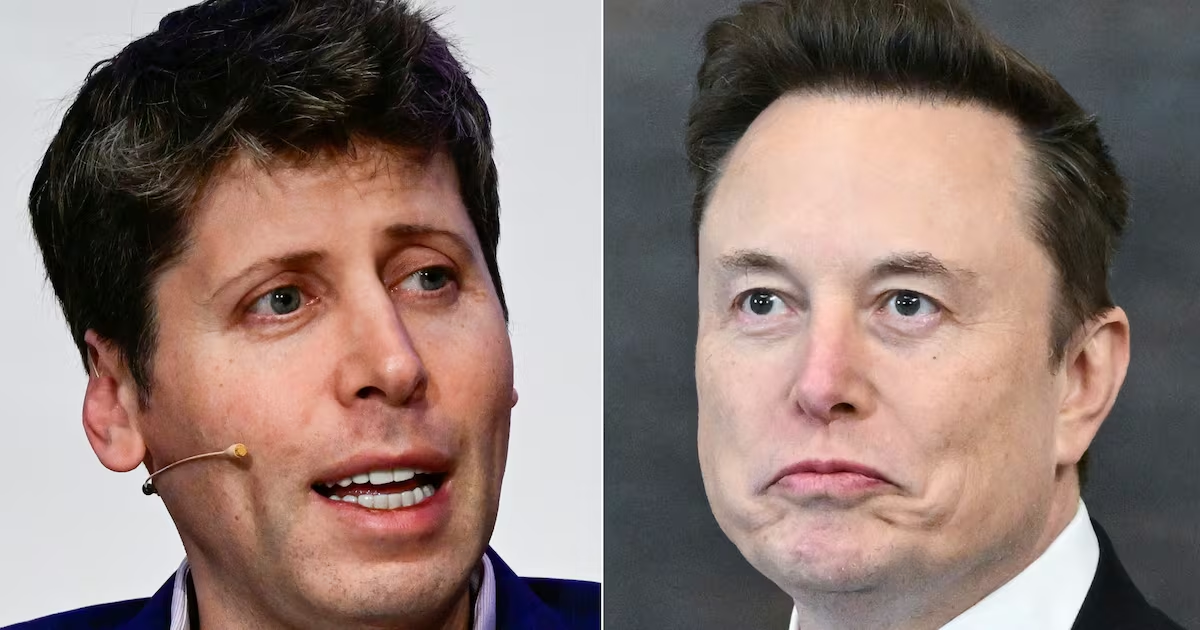
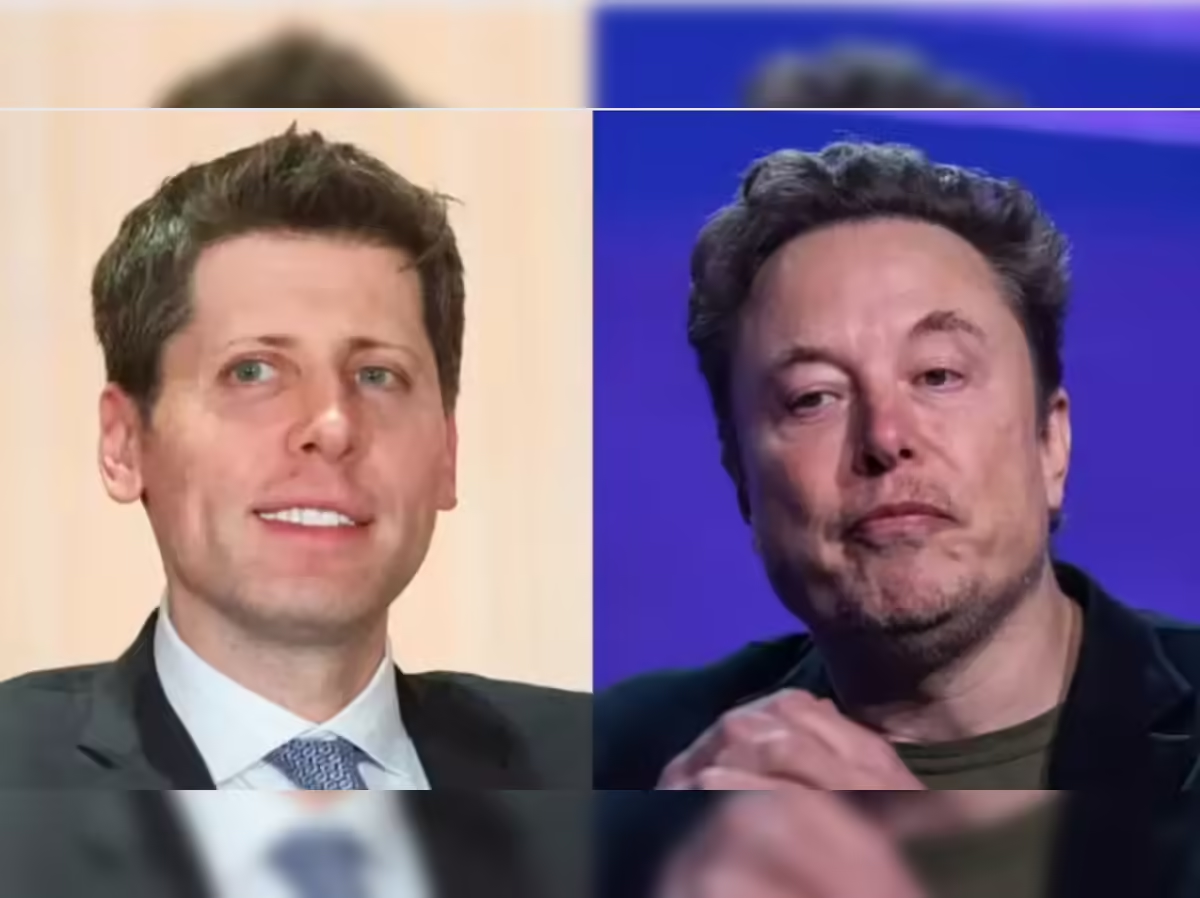
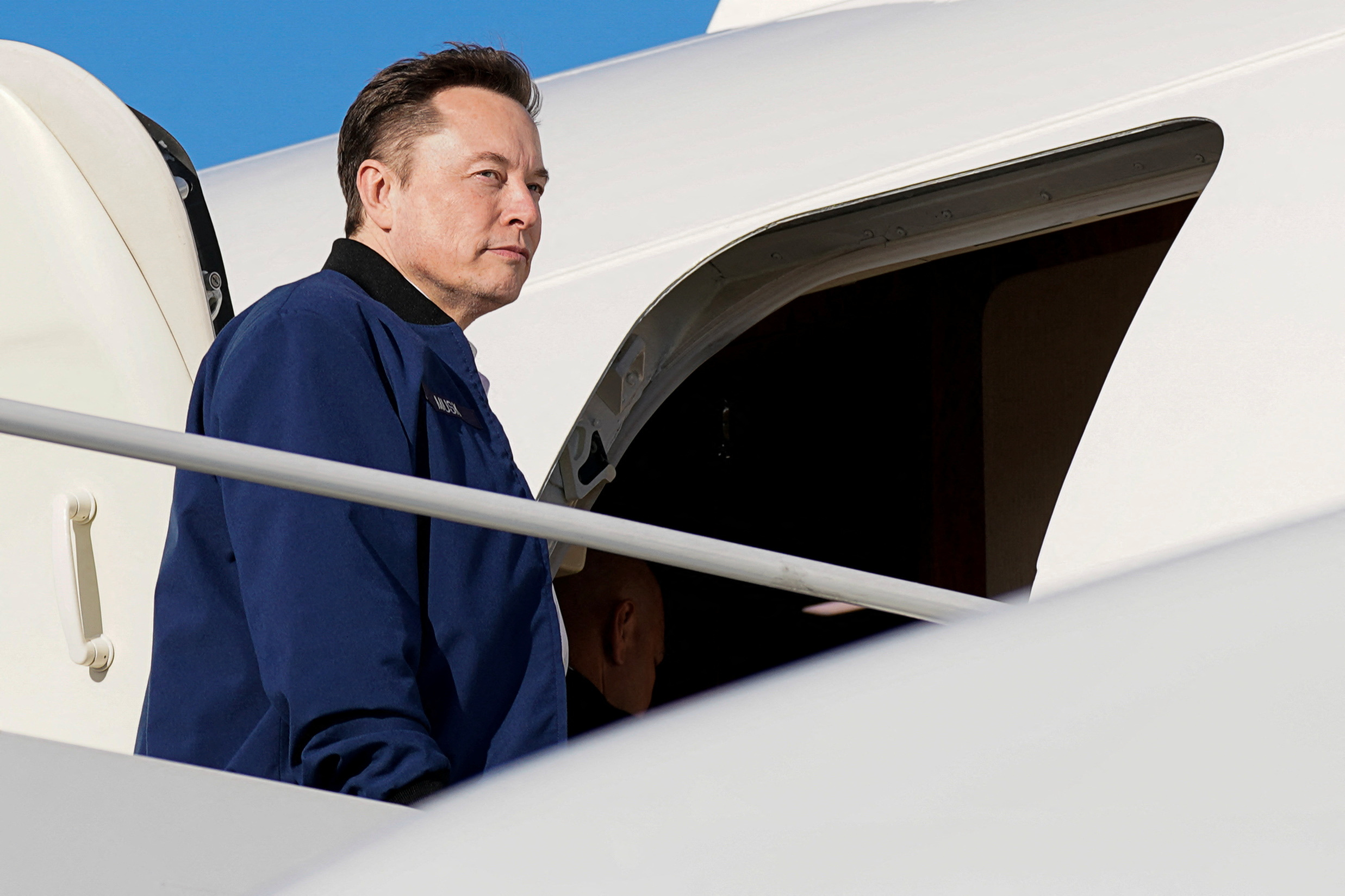
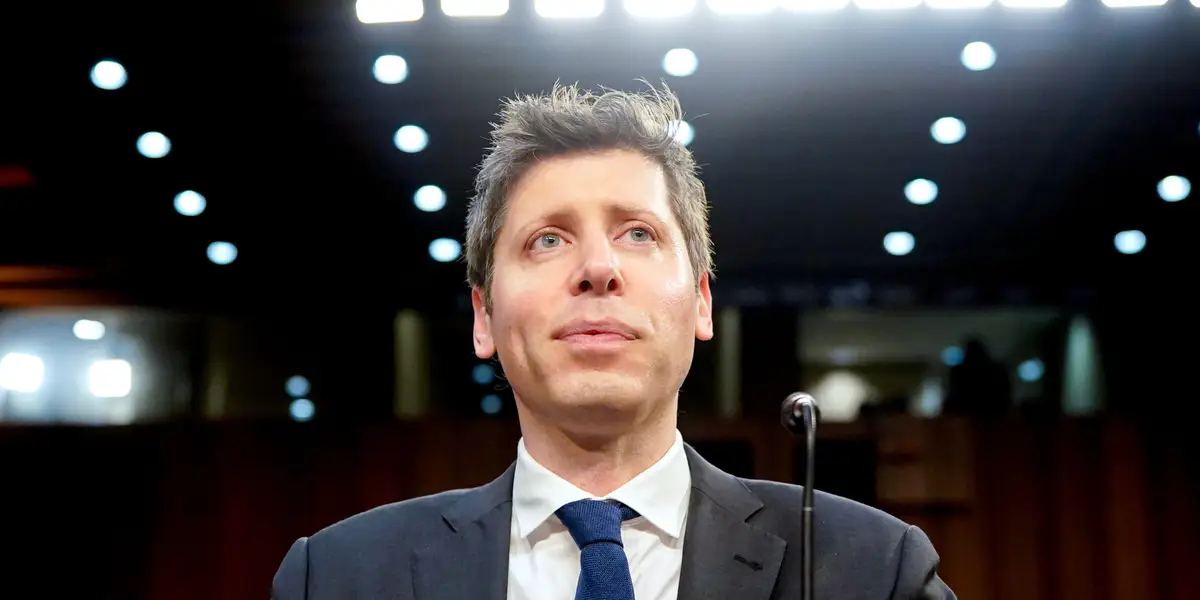
After prevailing in its court fight with Elon Musk, OpenAI — the ChatGPT maker valued at US$852 billion — remains on track for what could be one of the largest initial public offerings in history.Musk had been seeking the ouster of his fellow OpenAI co-founder, CEO Sam Altman, among other changes to the company. But with testimony from witnesses who called Altman dishonest, he’s hardly emerged unscathed.At a time of growing concern about artificial intelligence's (AI) impacts, the landmark trial also shed new light on the flaws and outsize ambitions of the small number of billionaires steering the development of the breakthrough technology.
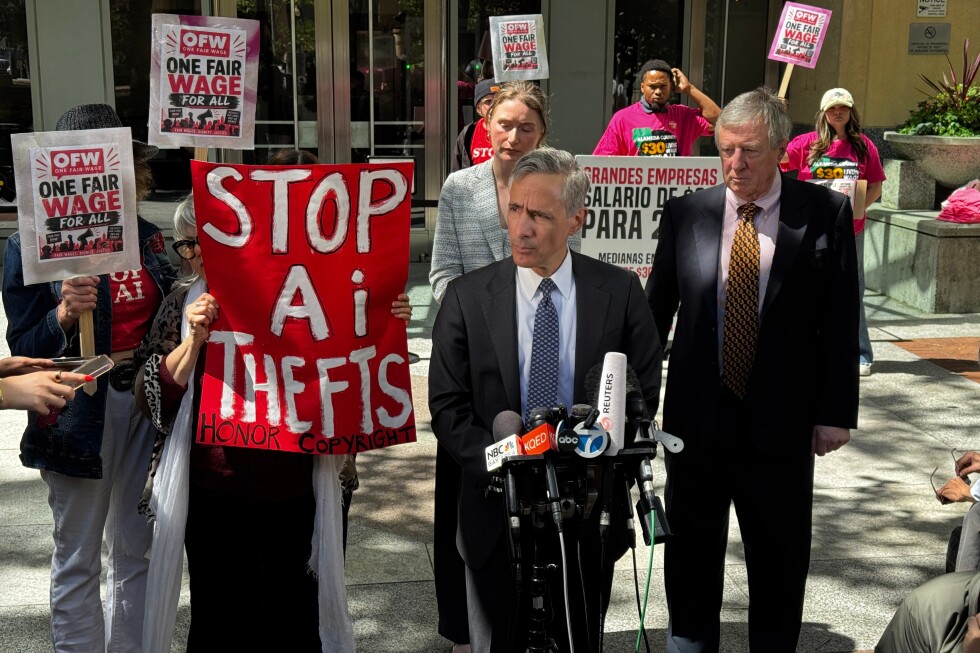
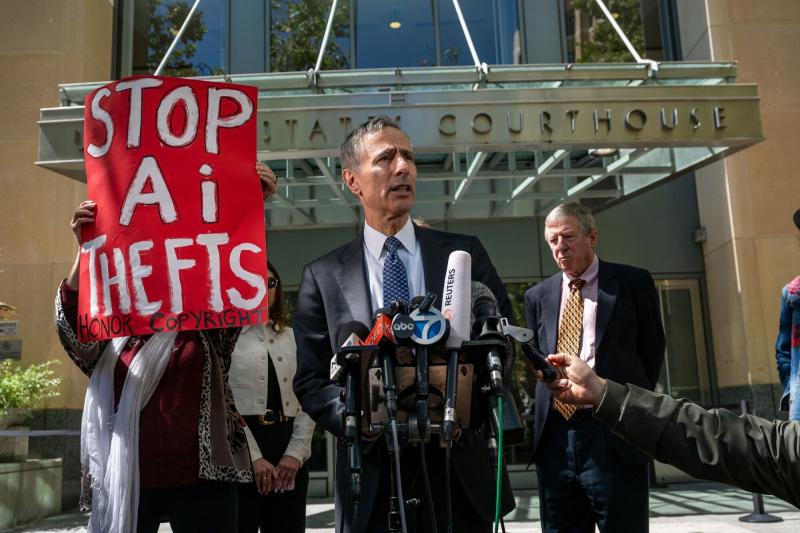
Attorney William Savitt, representing OpenAI, speaks to the press as demonstrators hold placards outside federal court after a jury ruled in the company's favor in a trial in Oakland, California, on Monday.
The trial was a reminder “of how much the future of AI still depends on a remarkably small group of powerful tech figures and their personal rivalries,” Cornell University’s Tech Policy Institute director Sarah Kreps said.“The trial highlighted not just a dispute between Musk and Altman, but a broader disconnect between the people building these systems and many of the people increasingly expected to live and work alongside them," Kreps said.