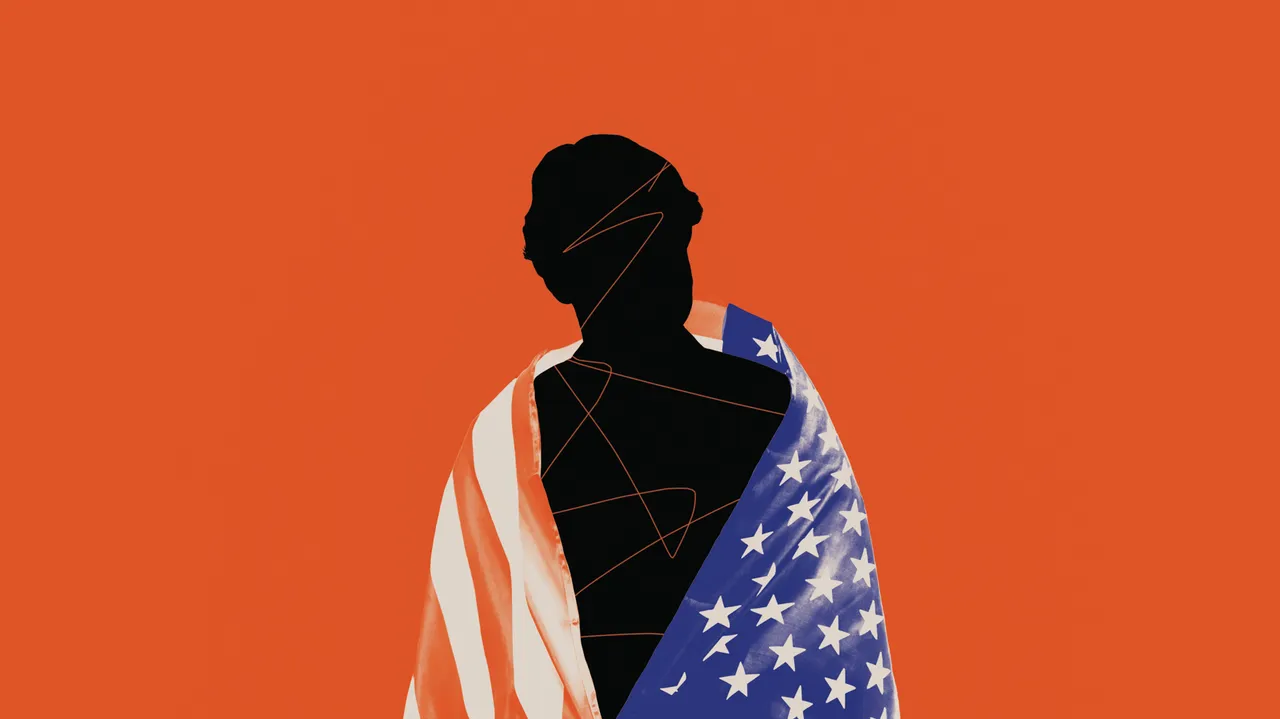
When I was a kid, I believed in the American Dream. In elementary school classrooms and on the streets of working-class Queens, New York, in the 1980s and ‘90s, the American Dream was our north star. “Upward mobility,” my teachers and elders said. “Each generation does better than the next.”
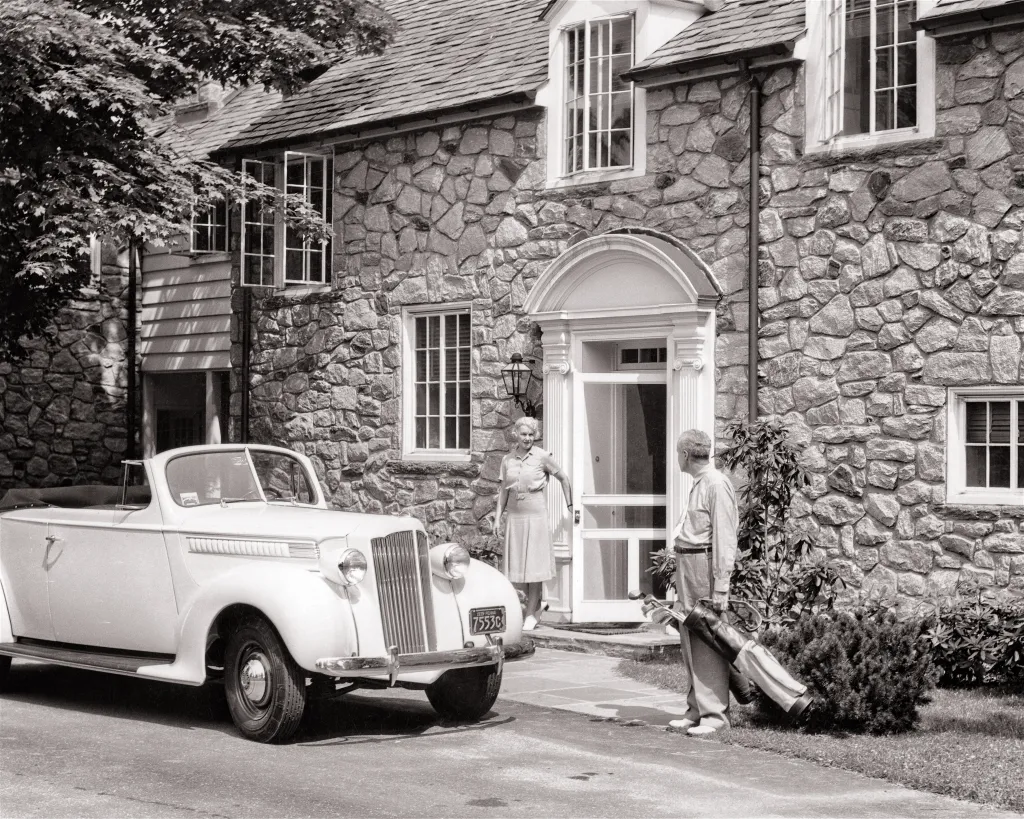
I dutifully followed the blueprint. I studied hard, juggled a part-time job with schoolwork the minute I turned sixteen, and applied for colleges while praying for financial aid. I was so far removed from wealth and privilege, I had no idea another way of life existed—one where college admissions were based on legacy, not grades. Where kids whiled away summers abroad, or at Ivy League enrichment programs—not serving coffee and sweeping floors for minimum wage. Where any career was within reach because your parents knew people—and would support you financially, well into adulthood, funding your apartment, clothing, and lifestyle.
Now, thirty years later, everyone knows the American Dream is a lie. The wealth gap is the widest it’s been since the Federal Reserve started tracking it in 1989; now, the richest one percent hold as much wealth as the bottom 90 percent of Americans combined. With social safety nets fraying and institutions increasingly catering to the rich, we’re all painfully aware of what money can buy: comfort. Safety. Peace of mind.