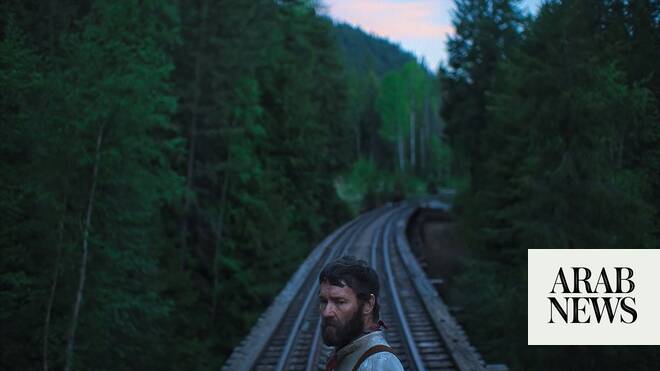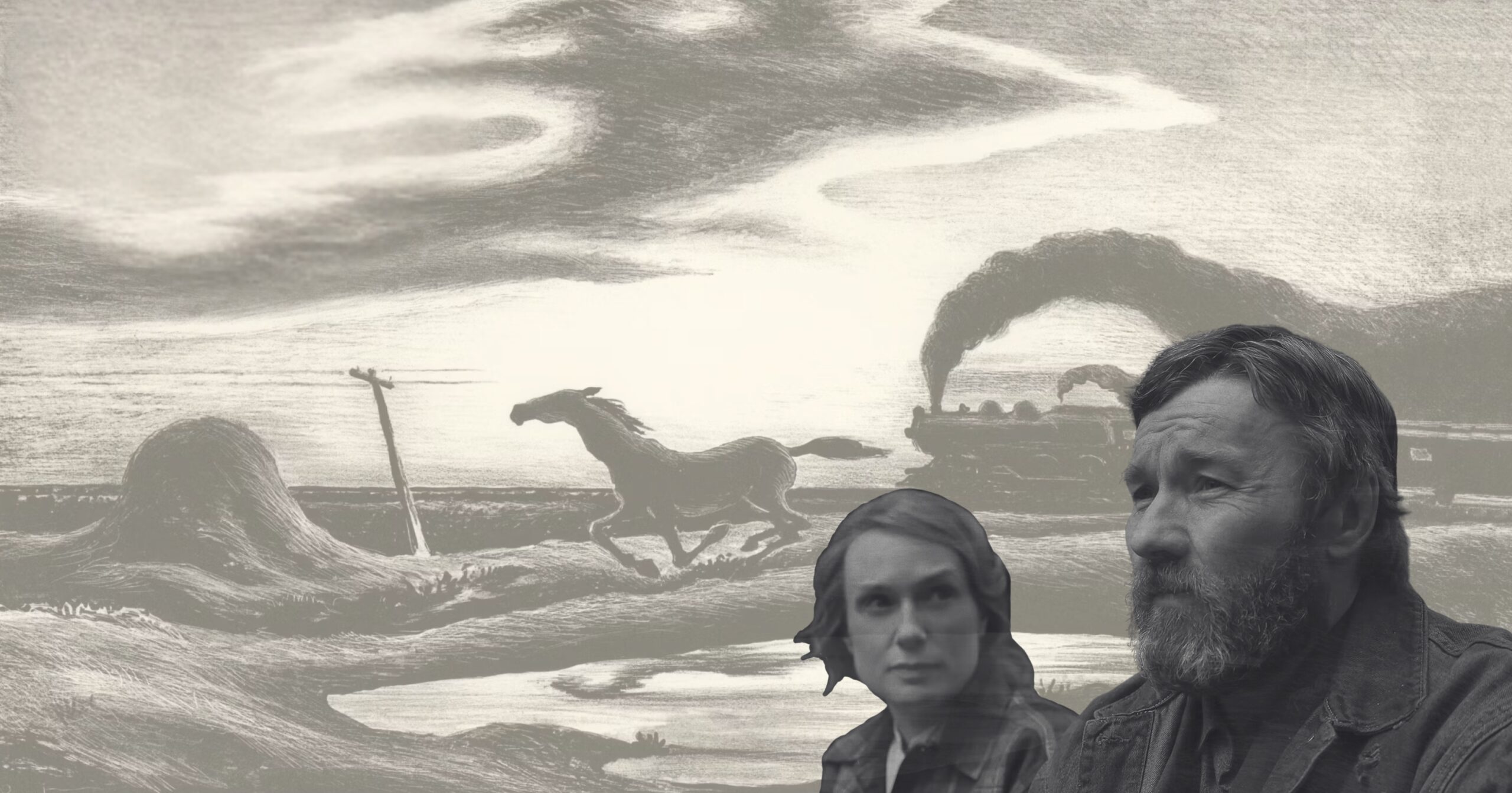
When Clarke Speicher (spike-er) asked how I liked the screen adaptation of Train Dreams, Denis Johnson’s novella following the solitary logger Robert Granier in the early 20th-century American West, he was actually asking whether it measured up to its source material. That is, after all, the question about adaptations. Still, it felt loaded. If it had been anyone else, I would’ve felt at liberty to prattle without worrying whether I’d arrived at any kind of thesis. That I love the book was beside the point. I felt caught out because it was Clarke doing the asking. But he isn’t an author, screenwriter, director, producer, critic, agent, or editor. He isn’t a journalist or influencer.
Clarke is something much more specific and much rarer: a professional book reader who evaluates literature specifically for screen adaptation. So after a few seconds of mealy-mouthed equivocation about Train Dreams, I came to my senses and flipped the question back on him. A few drinks later, we were talking about his profession, how it works, and what adaptation really means.
In his mid-40s and unassuming, Clarke is the rare interlocutor who seems to listen without waiting to speak, a far cry from people in the biz whose stock-in-trade is summed up by the very word: production. He has glasses, a solid build, a short gray beard. His thoughts tend to outpace his ability to articulate them in a first pass. He smiles a lot. There is something gentle and teddy-bear-ish about him, but it’s tempered by a New Yorker’s world-weariness. I’ve known him a long time, spent many nights talking (and drinking) with him into the small hours about books, movies, love, dreams, life. “The best adaptations take the basic idea and transform it into cinematic terms,” he says. “Which I’m realizing does sound very dumb saying it out loud,” he chuckles at himself.