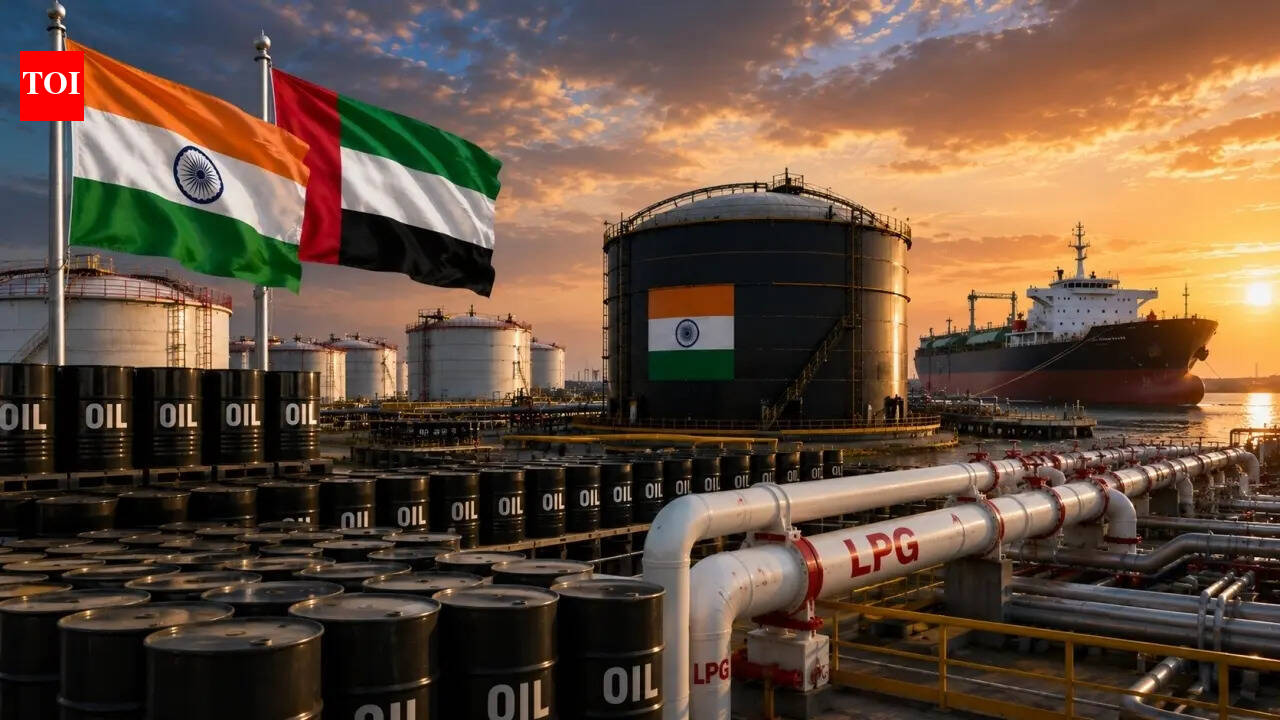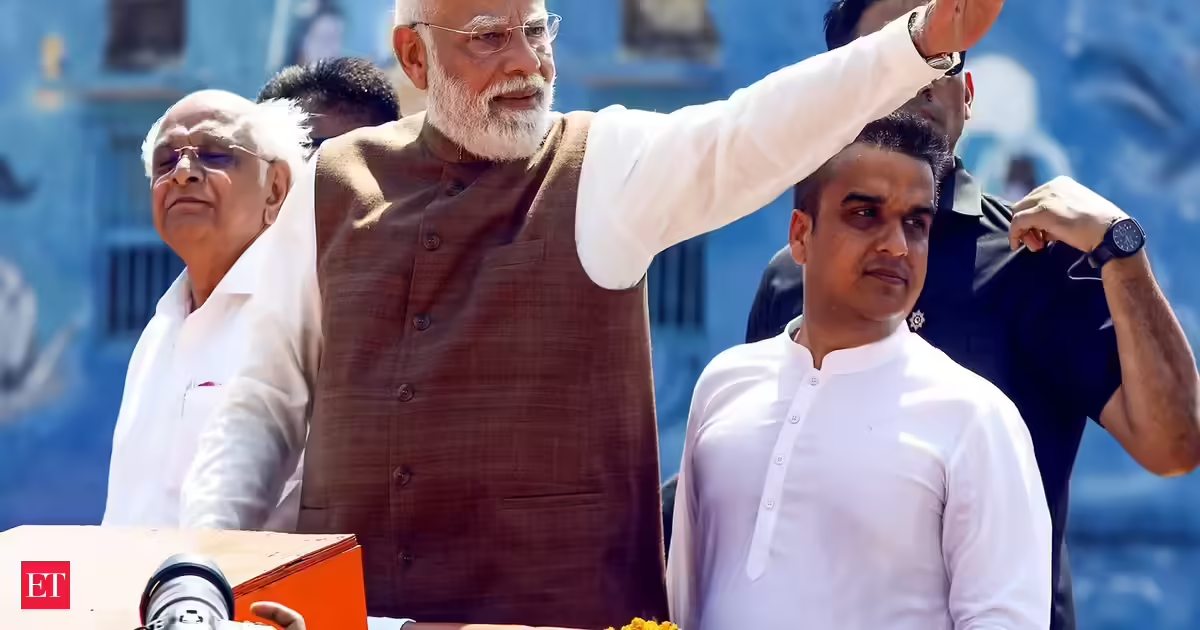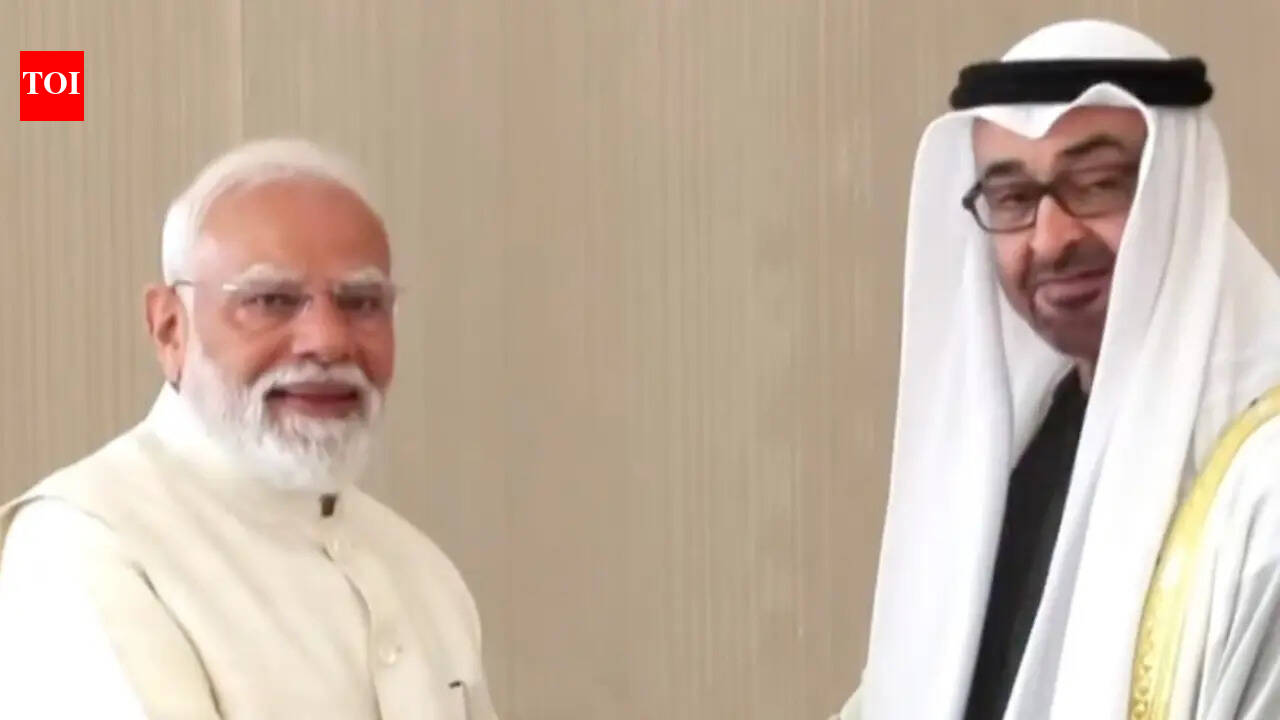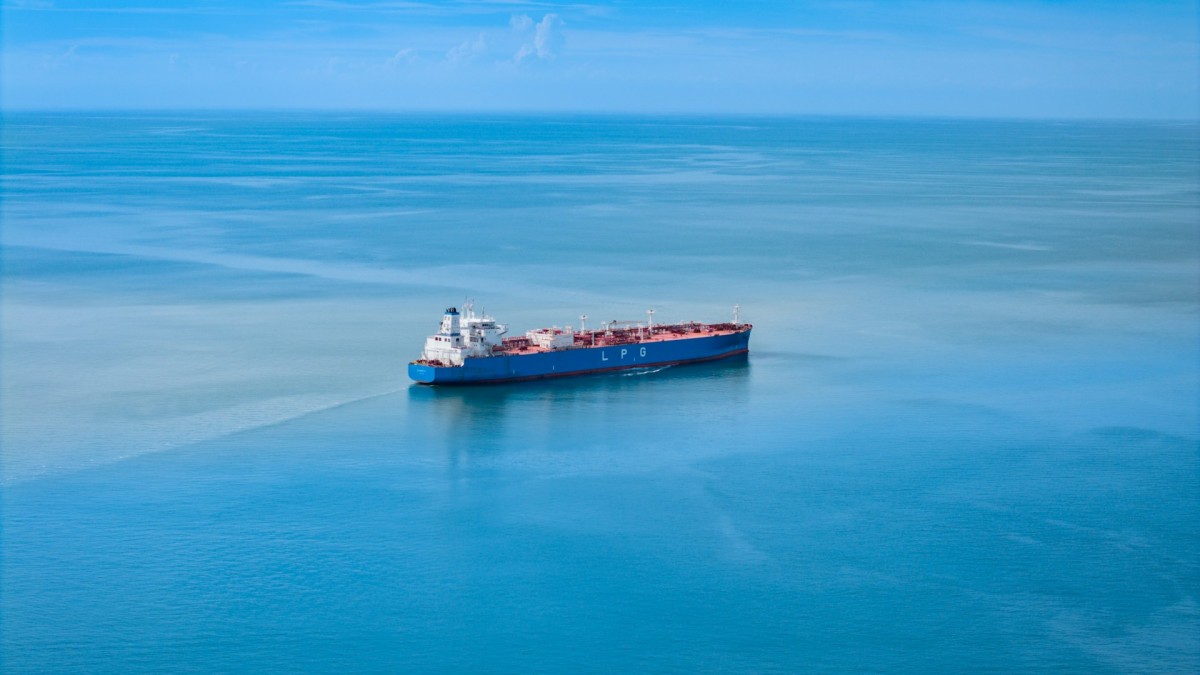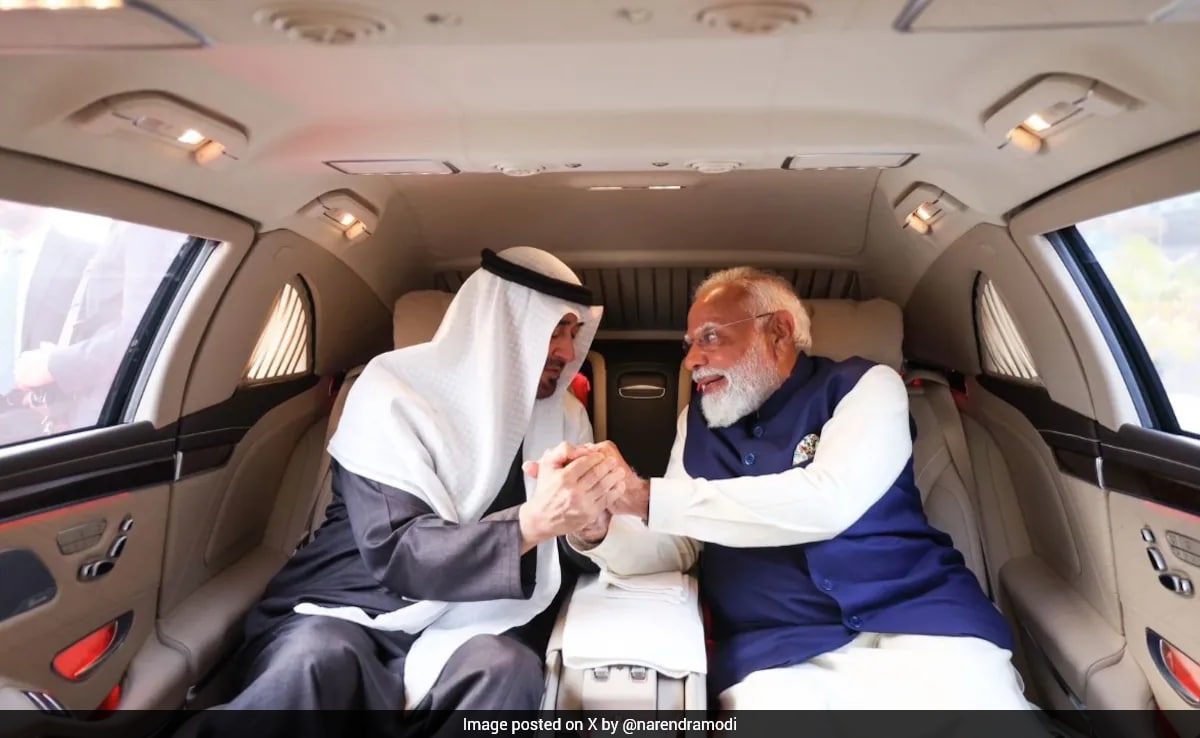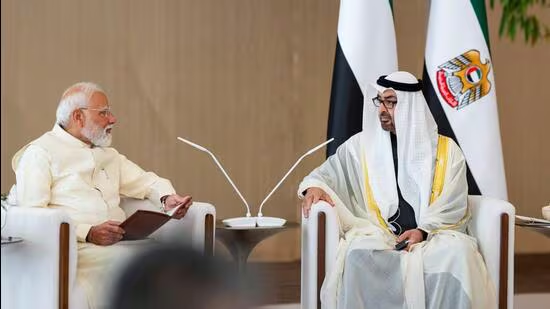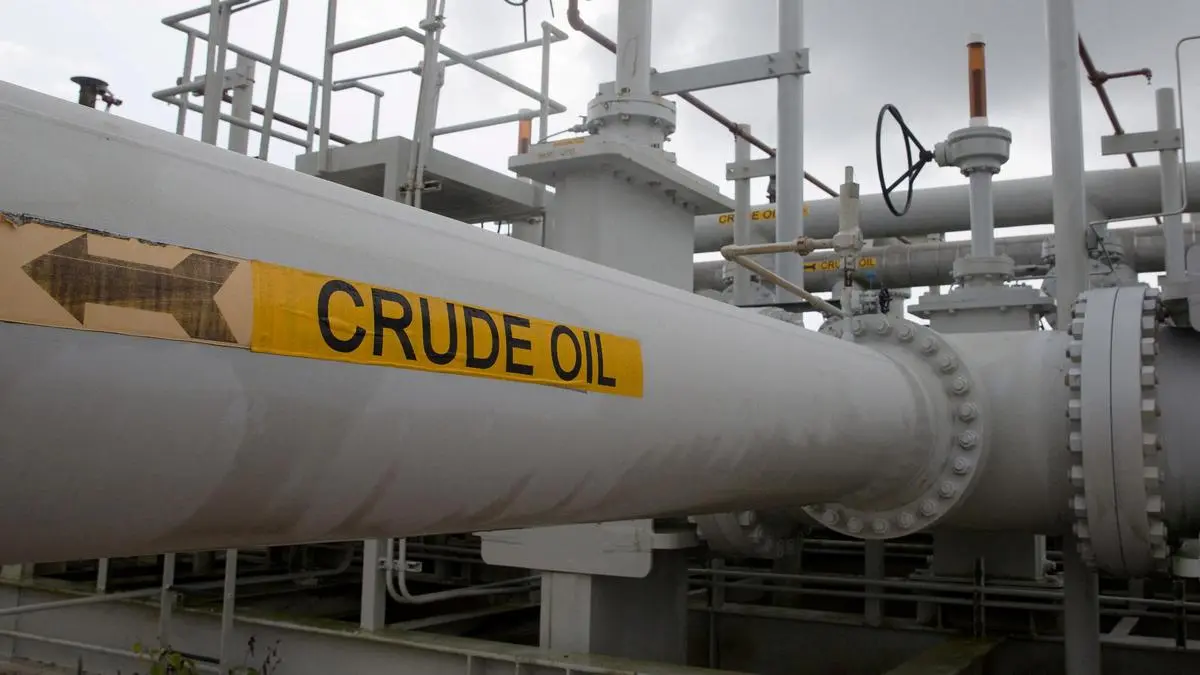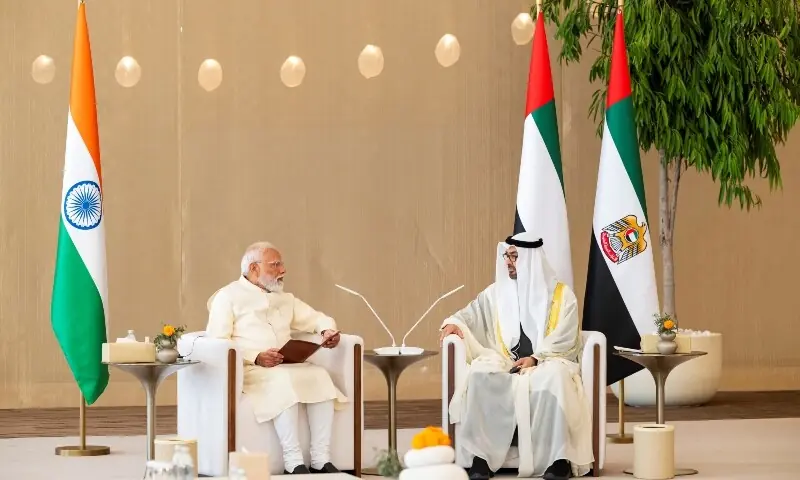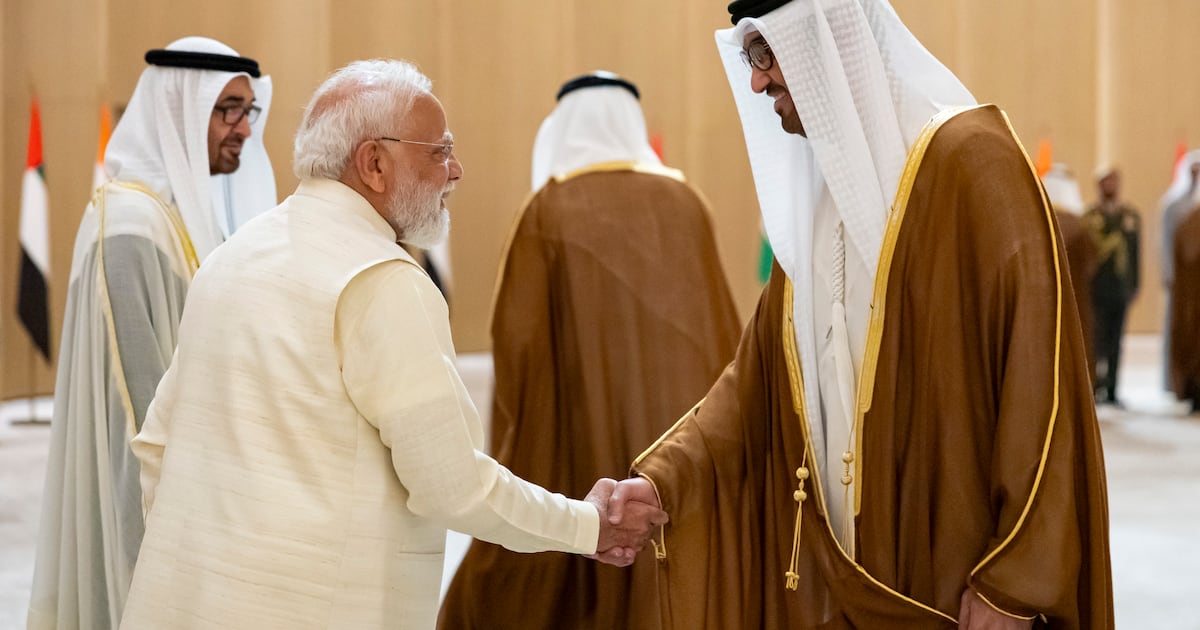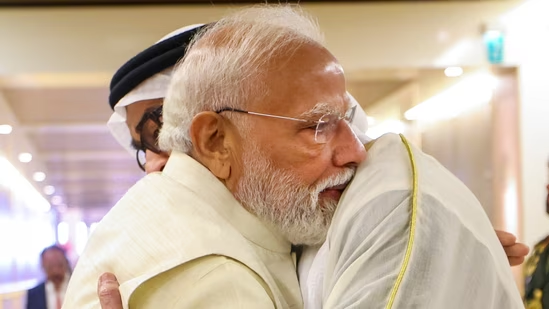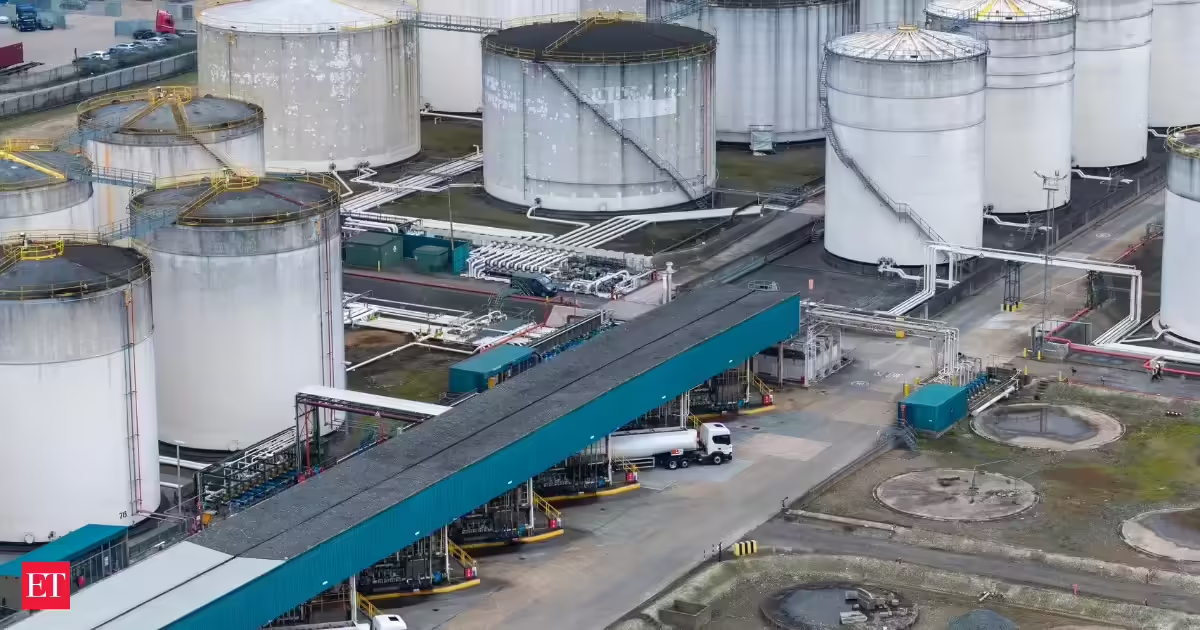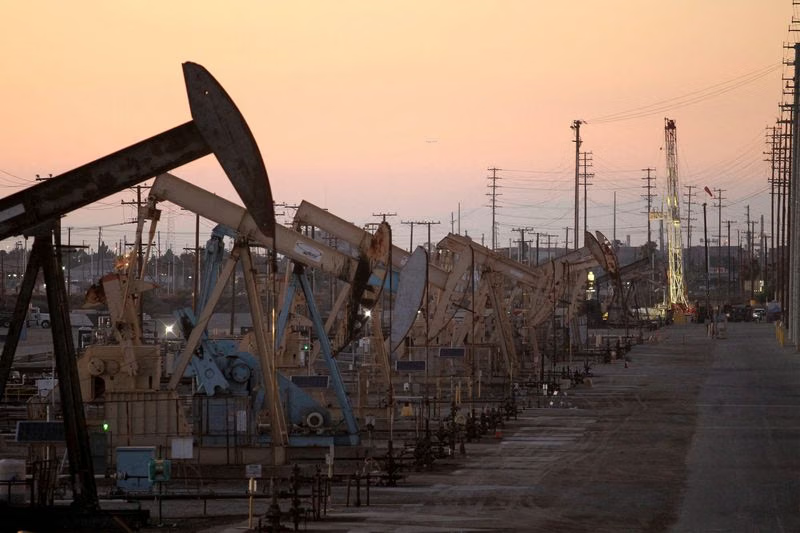
New Delhi: India and the United Arab Emirates (UAE) signed a set of energy memoranda of understanding last week during Prime Minister Narendra Modi’s visit to Abu Dhabi, covering strategic petroleum reserves (SPR), long-term LPG supply arrangements and broader hydrocarbon cooperation. Analysts say the agreements are less about immediate trade volumes than about building structural resilience into India’s energy architecture at a moment of sustained global uncertainty.
The timing of these MoUs carries weight. Global energy markets have been disrupted by the US-Israel war with Iran and the UAE is itself in the process of exiting the Organisation of Petroleum Exporting Countries (OPEC), recalibrating its role as an independent supplier as it does so.“The MoUs signed during Prime Minister Modi’s visit to the UAE represent an important step in strengthening the long-term energy partnership between India and the UAE, particularly at a time when global energy markets remain highly sensitive to geopolitical disruptions, freight risks, and supply security concerns,” Sumit Ritolia, manager (oil markets and modelling refinery) at trade analysis firm Kpler, told ThePrint Monday.
An MoU signals the intent of reaching an agreement. How and when a deal is signed and implemented can vary.