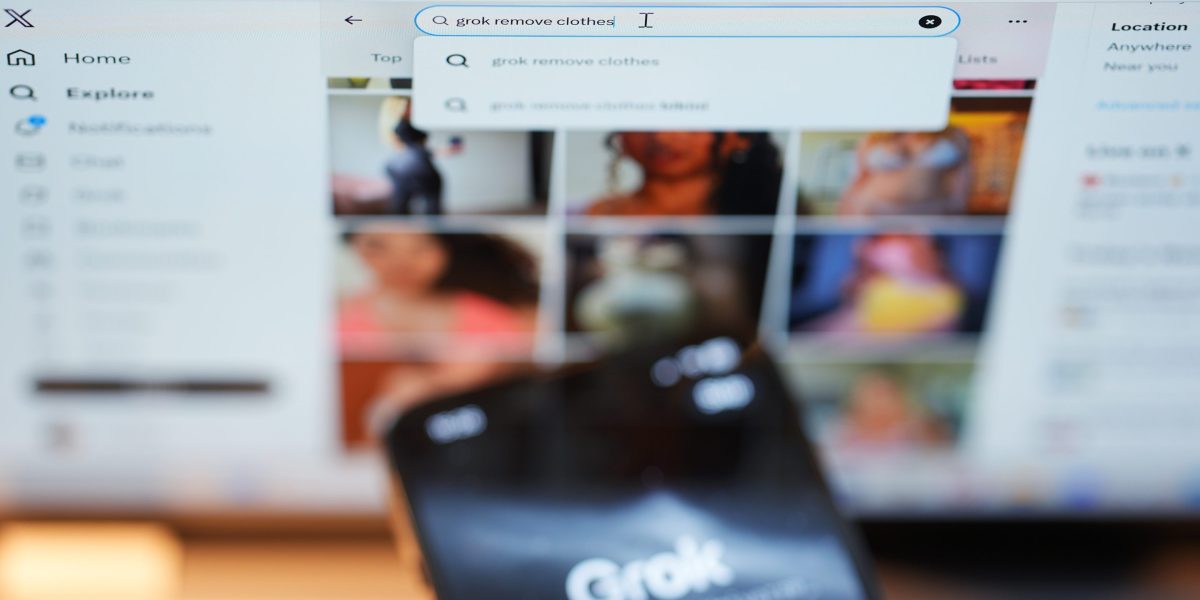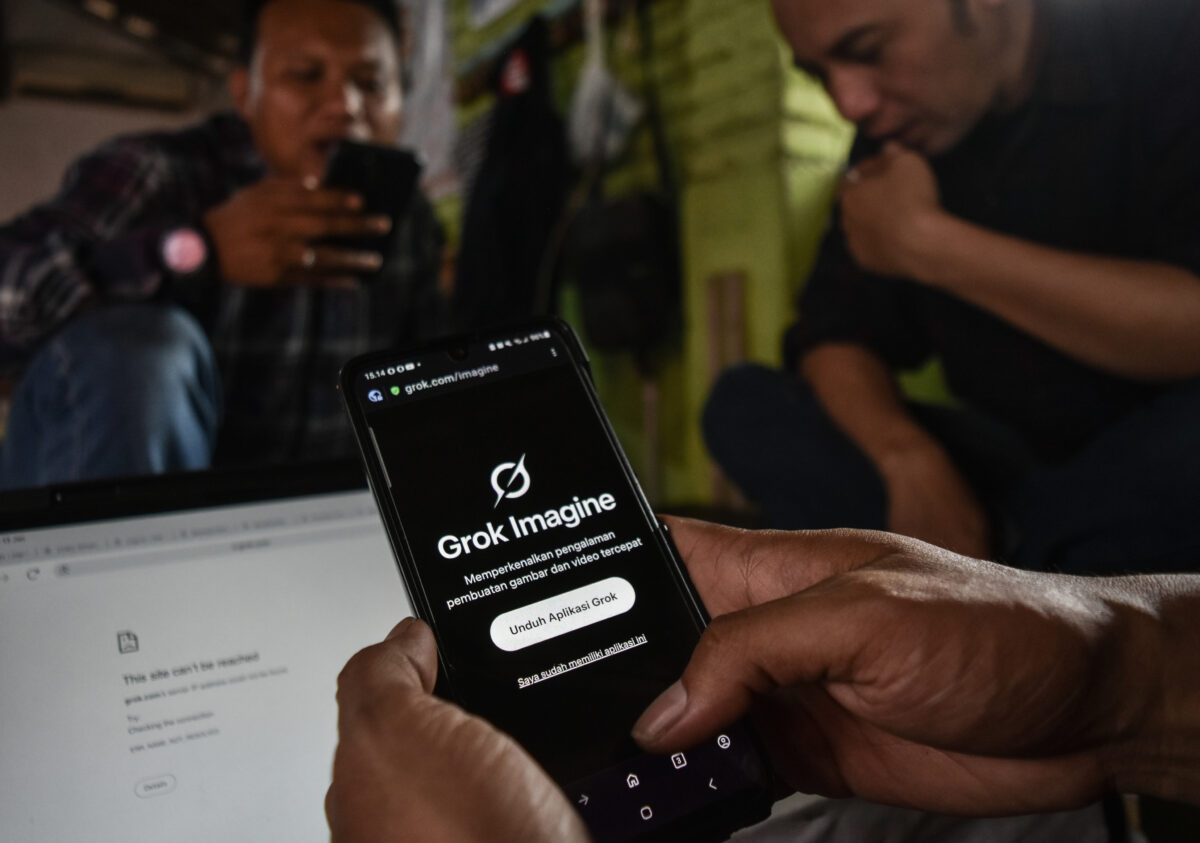
In mid-January 2026, Indonesia and Malaysia blocked Elon Musk’s generative artificial intelligence (AI) chatbot Grok after regulators documented its role in generating sexually explicit deepfakes, including those of minors. The Philippines followed within days. Every sexualised image xAI’s chatbot has produced required a human to type a prompt. As AI systems become increasingly agentic — capable of planning, acting and executing tasks with minimal to no human input — Southeast Asian regulators will be outpaced in their ability to respond to AI harms with the instruments at their disposal.
All three bans were lifted within weeks after xAI — acquired by Musk’s SpaceX in February 2026 — submitted unverified written assurances of corrective measures. Grok remained accessible despite the restrictions — posts from Grok’s own account on Musk’s social media service X told Malaysian users that the block was easy to bypass with a virtual private network.
The Grok bans reveal a three-layer structure of AI-mediated harm. First is the production layer, where harmful content is generated. Next is the amplification layer, where it is circulated and distributed. The final layer is the network, where users access the system itself. In Grok’s case, users were replying to women’s and children’s photographs on X with prompts asking the chatbot to undress or sexualise them. The official Grok account then generated and posted the images publicly in reply threads.