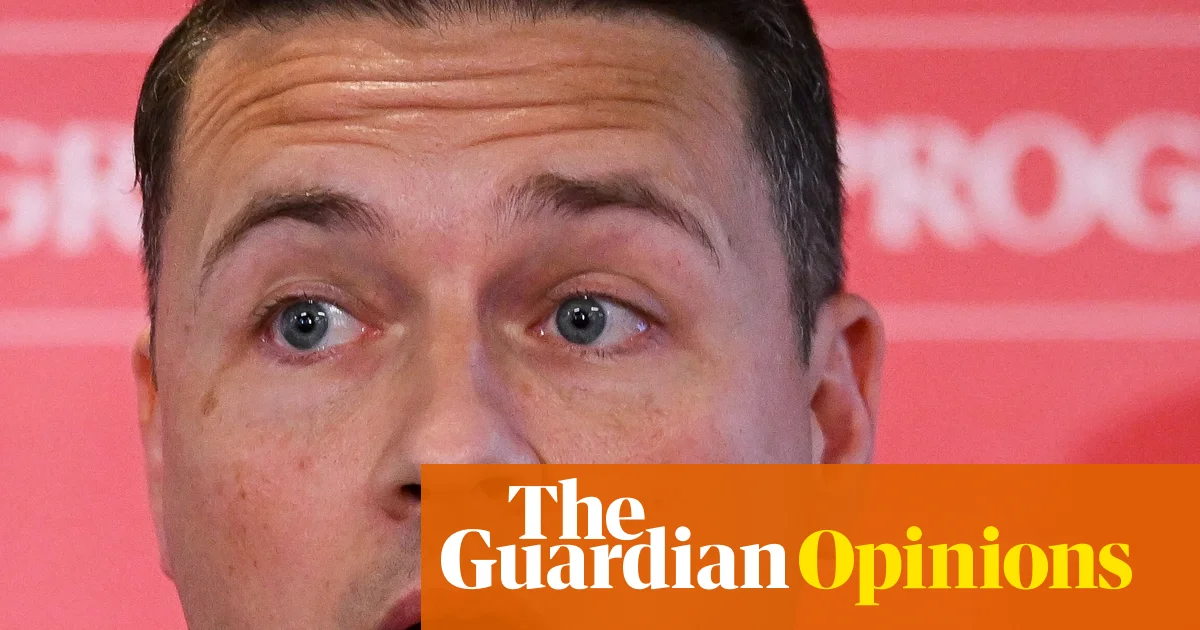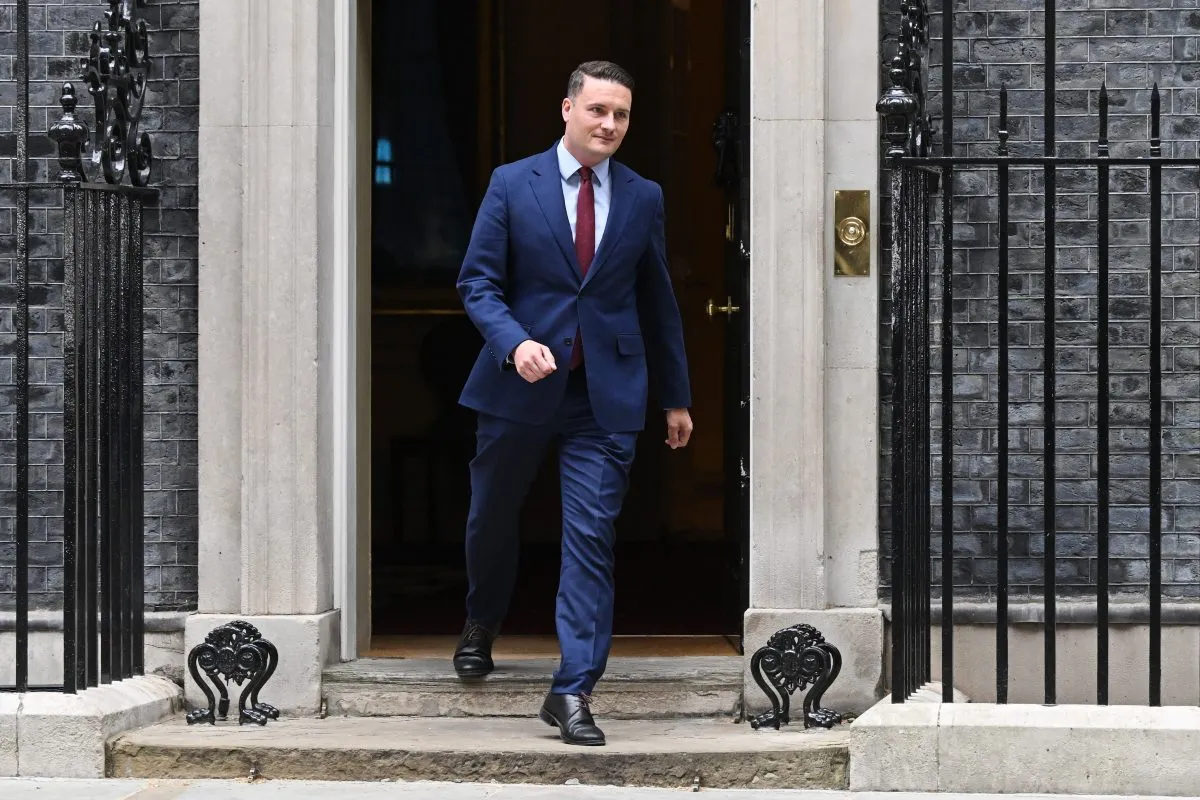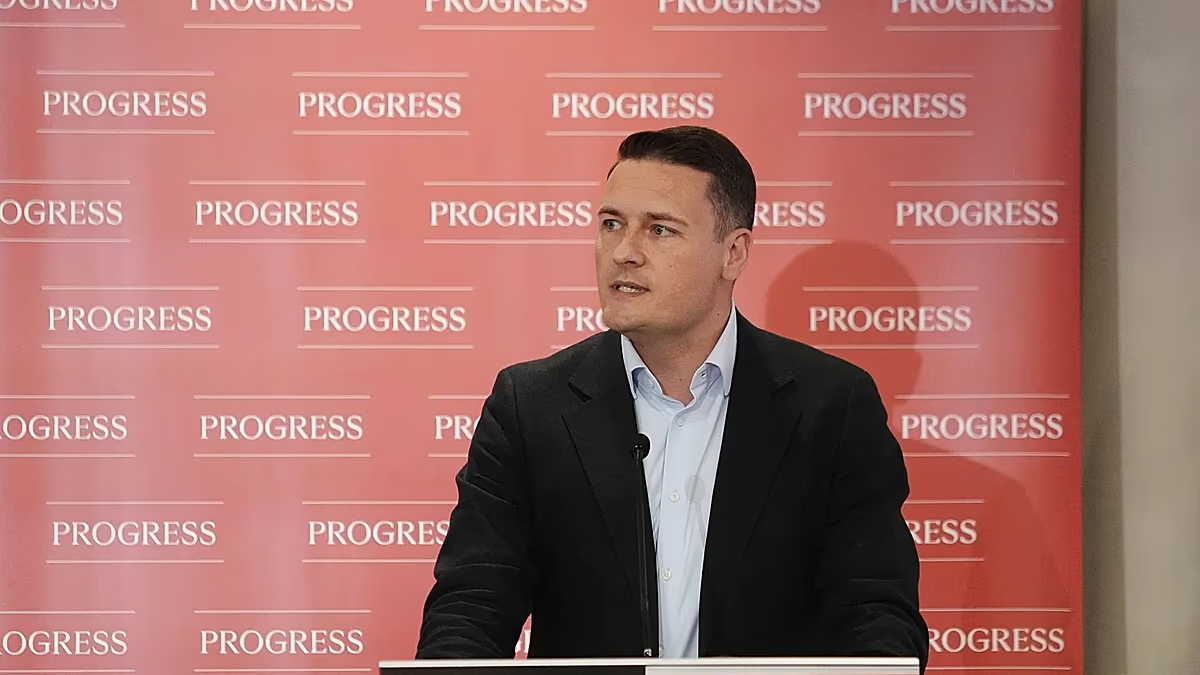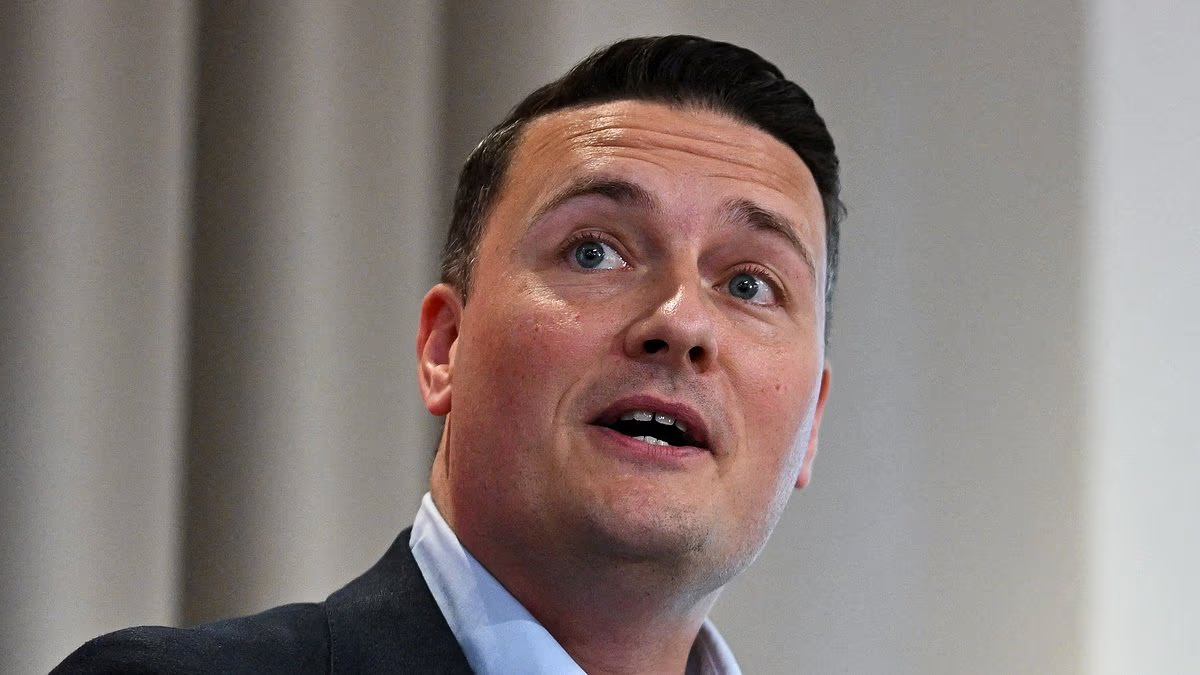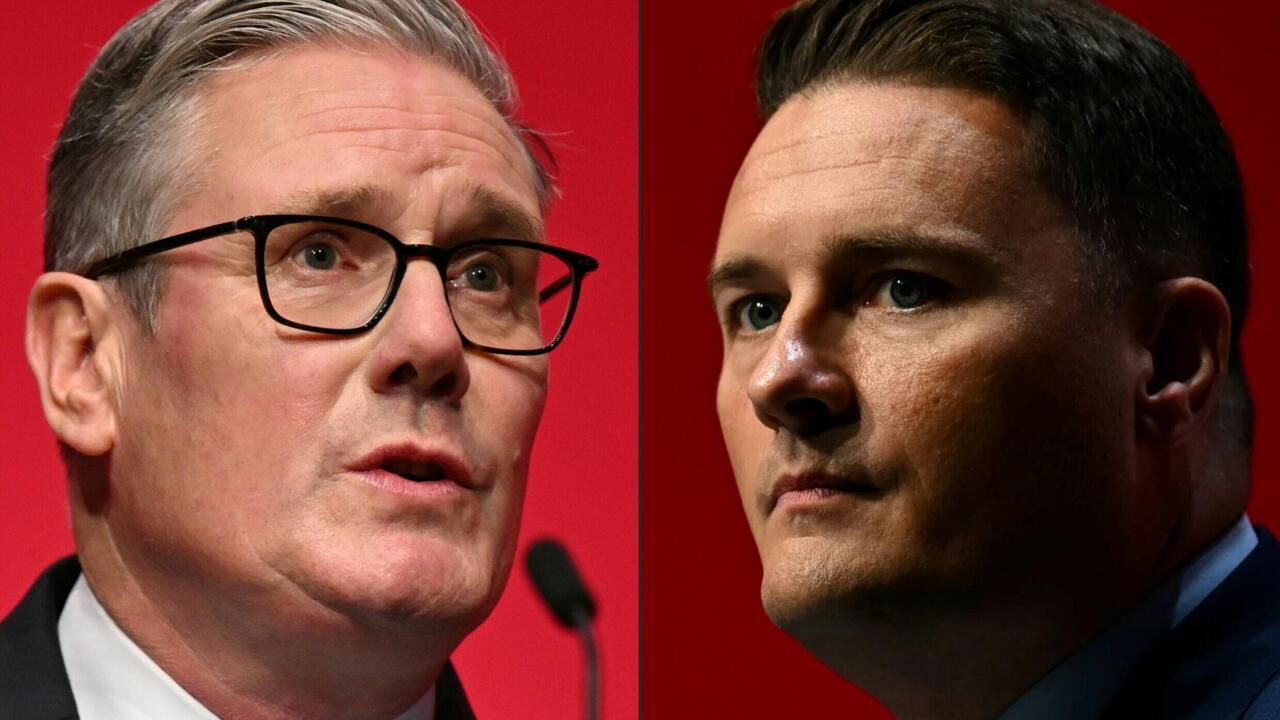
Wes Streeting wants to take Britain back towards the European Union. Or at least closer to it – close enough to feel the warmth without quite committing. Brussels, naturally, is delighted. Here, at last, is a senior British minister who speaks the language of regulatory alignment and single-market adjacency. The grown-ups, they believe, are back. Finally an antidote to Nigel Farage and Rupert Lowe, they must be thinking.
The current chaos in Britain should serve as a warning for Germany
But Streeting’s charm offensive rests on a assumption so fragile it barely survives contact with reality: that parties like Reform UK can be defeated through economic growth and better public services. Make people richer, the theory goes, and they will stop voting for Nigel Farage. Prosperity as political sedative. It is a comforting thought. It is also profoundly wrong.
The political revolt sweeping the West is not, at its core, an economic one. It is a revolt of identity, sovereignty and belonging – a collision between the cosmopolitan and national self-assertion that no amount of GDP growth will resolve. Brexit was never really about trade or the shape of bananas. For millions of voters, it was about who governs Britain and in whose interest. The economists who insisted on quantifying everything in terms of market access missed the point entirely. They are still missing it.