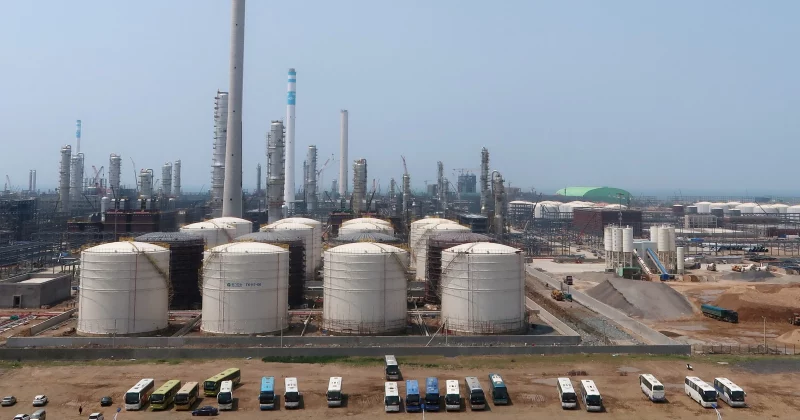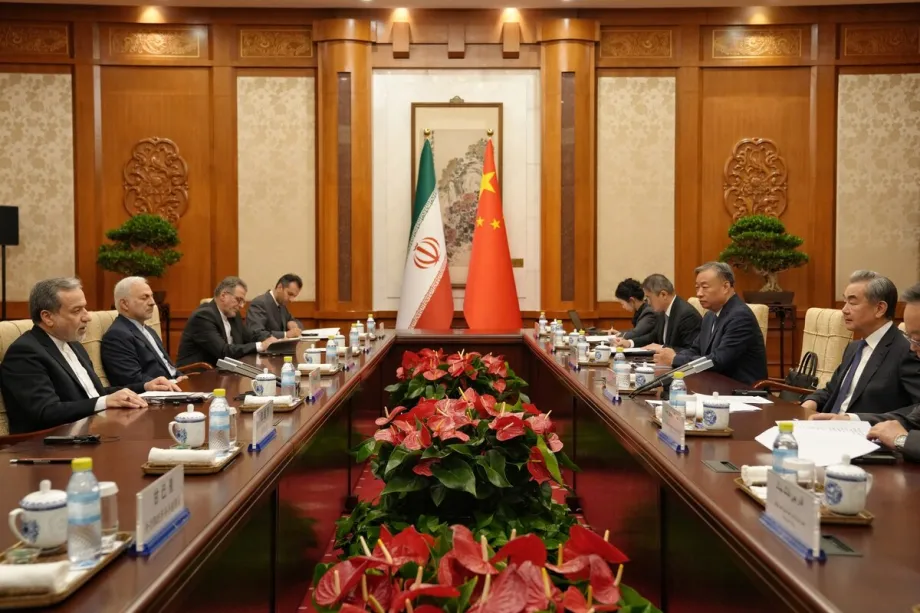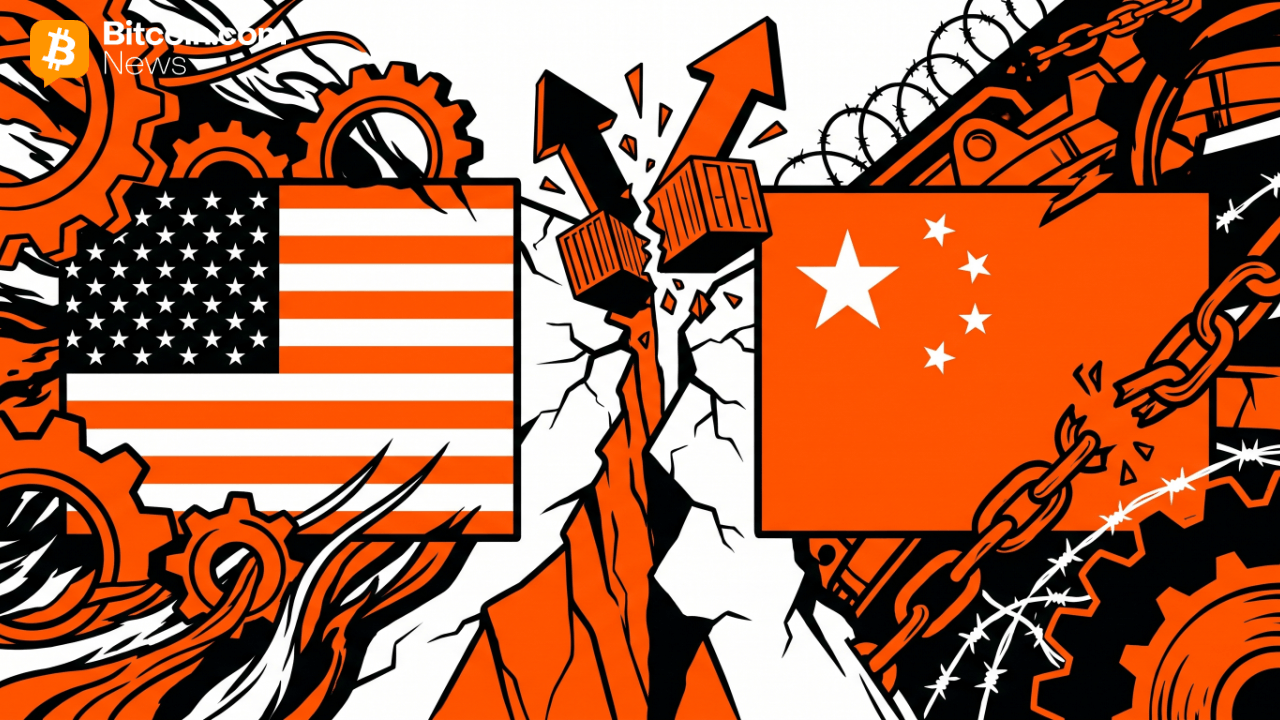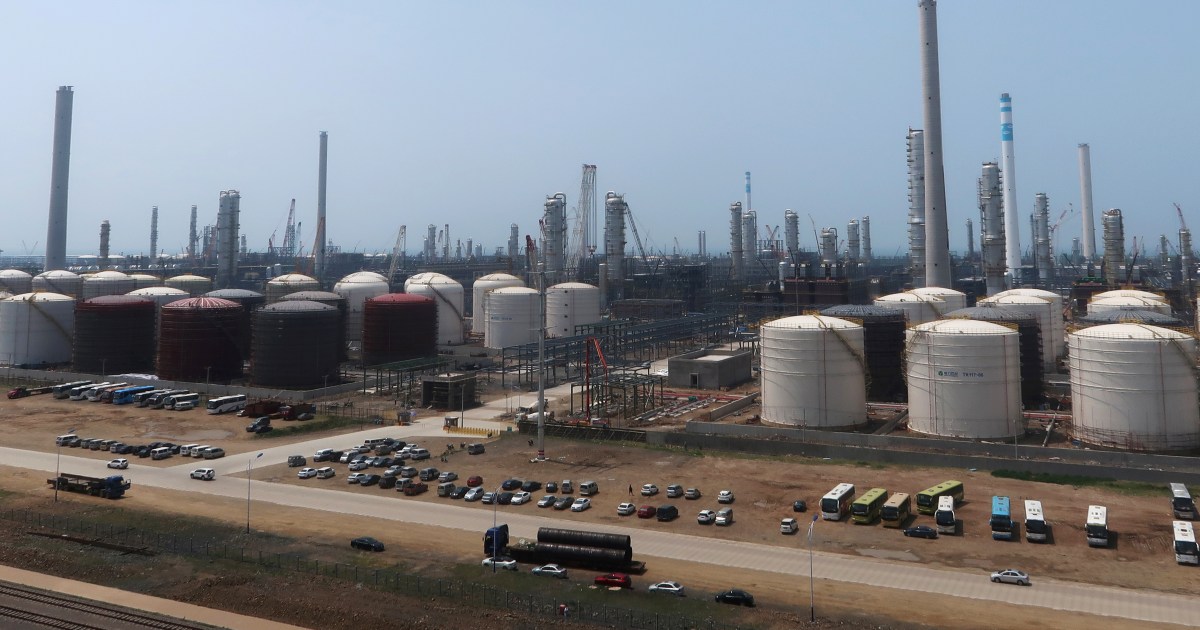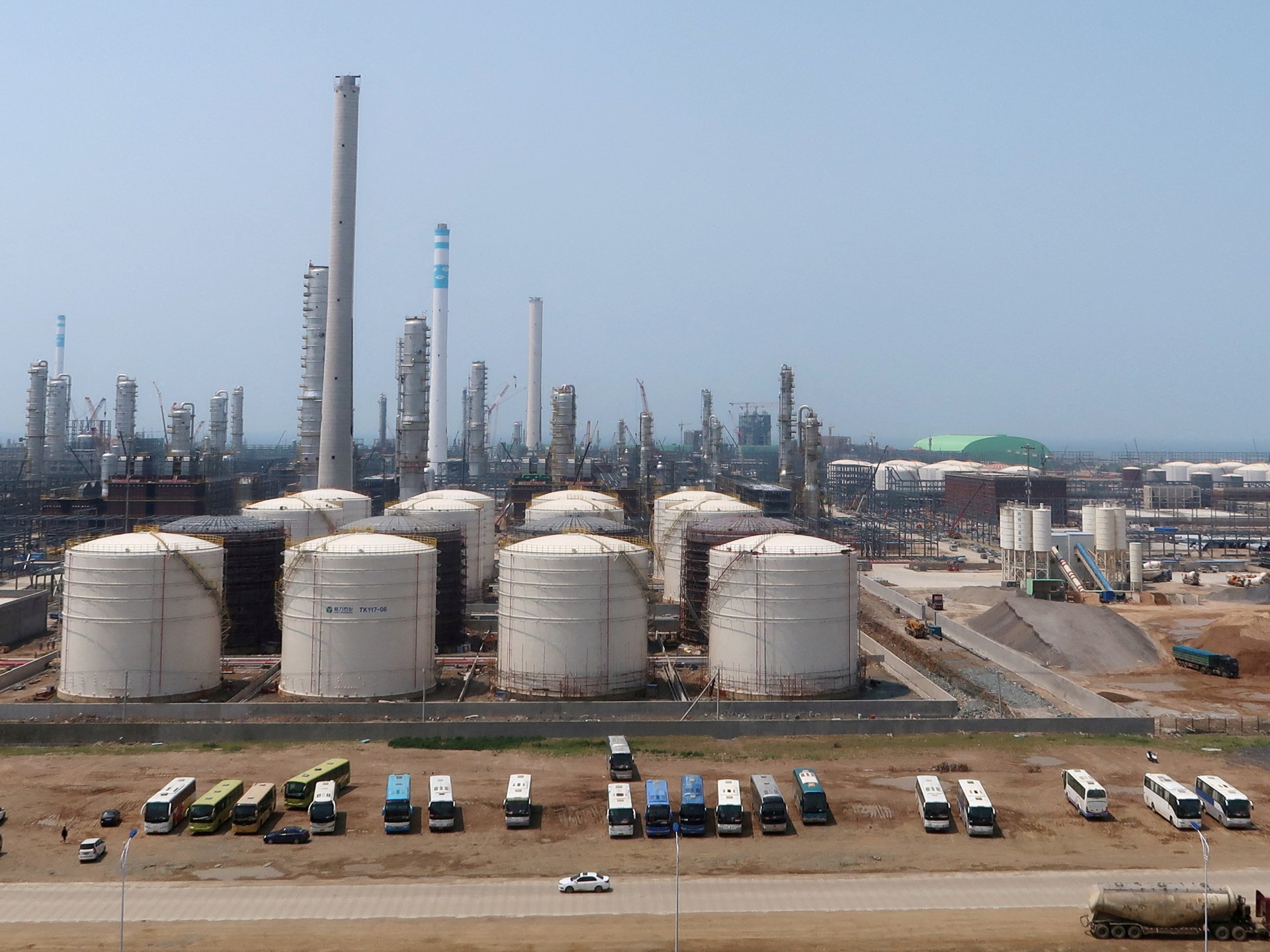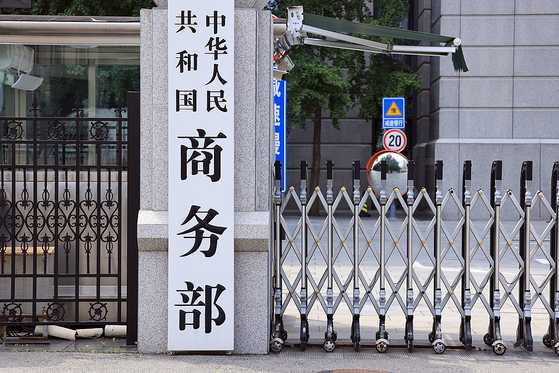
1. On May 2, 2026, China’s Ministry of Commerce (MOFCOM) issued Announcement No. 21, invoking the 2021 Blocking Rules to release a prohibition order protecting five Chinese petrochemical companies placed on the U.S. SDN list for alleged Iranian petroleum transactions. [para. 1][para. 2] The ban states these sanctions are “not to recognize, enforce, and comply with,” marking the first formal application of the Blocking Rules since their enactment and signaling China’s anti-sanctions legal toolkit’s transition from institutional reserve to combat application. [para. 3][para. 4]2. The U.S. sanctions rely on Executive Orders 13902 and 13846, which authorize secondary sanctions on Iran’s petroleum sector, forcing third-country companies to choose between American will and normal international trade. [para. 6][para. 7] The standard SDN triple threat—blacklisting, freezing assets, and prohibiting transactions—effectively paralyzes targeted companies within the U.S. dollar system. [para. 8] In response, China has built a core anti-sanctions legal framework comprising the Anti-Foreign Sanctions Law, the 2021 Blocking Rules, and the Regulations on Counteracting Unjustified Extraterritorial Jurisdiction, forming a “troika” that moves from fragmented laws to systemic integration. [para. 5][para. 14][para. 15]3. The 2021 Blocking Rules (MOFCOM Order No. 1) construct a complete response mechanism: Article 2 sets the standard for identifying improper extraterritorial application; Article 5 mandates a 30-day reporting obligation for Chinese entities; Article 6 provides the direct legal basis for prohibition orders; Articles 7-8 outline exemption applications; and Article 9 vests Chinese entities with a private right of action to file compensation lawsuits. [para. 13] These rules operate alongside the Anti-Foreign Sanctions Law (June 2021) and the April 2026 Regulations on Counteracting Unjustified Extraterritorial Jurisdiction, which sits higher in the legal hierarchy. [para. 14][para. 15]4. In 2024, China logged its first successful lawsuit under Article 12 of the Anti-Foreign Sanctions Law, where a Chinese marine engineering firm used “live arrest” of a foreign vessel and framed the dispute as a tort liability dispute to bypass arbitration clauses, securing approximately 86 million yuan in settlement within 39 days. [para. 16][para. 17][para. 18][para. 19] This precedent demonstrated that “complying with foreign sanctions” constitutes tortious conduct in China and that the private right of action is a usable legal weapon. [para. 19][para. 20]5. Compliance dilemmas arise from the structural clash between U.S. sanctions (tethered to dollar dominance) and Chinese Blocking Rules (tethered to domestic assets). Four categories face severe predicaments: Chinese companies needing U.S. financing (offshore capital stability threatened); domestic suppliers and financial institutions (caught between OFAC compliance and MOFCOM violations); foreign-invested enterprises in China (headquarters’ global policies vs. Chinese law); and private enterprises deeply integrated into international markets (proxy attacks from foreign partners). [para. 21][para. 22][para. 23][para. 24][para. 25][para. 26][para. 27]6. Practical coping strategies include three approaches. Strategy 1: Structural adjustments and firewall design—using separate entities for domestic and offshore operations to avoid cross-border rule conflicts. [para. 29][para. 30][para. 31][para. 32] Strategy 2: Exemption applications under Articles 7-8 of the Blocking Rules, allowing Chinese entities to petition MOFCOM for limited compliance with foreign sanctions under special circumstances. [para. 33][para. 34][para. 35] Strategy 3: Contract risk management and judicial relief—incorporating governing law isolation clauses, sanctions conflict exemptions, and prohibition notice clauses, while using pre-litigation asset preservation and tort liability claims to force settlements. [para. 36][para. 37][para. 38][para. 39]7. Unresolved issues include the opacity of the exemption framework’s “special circumstances” criteria; the systemic purgatory for financial institutions caught between U.S. secondary sanctions and Chinese law; legal fog surrounding offshore subsidiaries; and the virgin territory of the 2026 Regulations on Counteracting Unjustified Extraterritorial Jurisdiction. [para. 40] Despite these growing pains, MOFCOM’s ban signals that unilateral sanctions have mutated from an external shock into an actionable legal battleground, and China’s anti-sanctions matrix is the vanguard of a global trend requiring corporate adoption of institutional armor. [para. 41][para. 42][para. 43][para. 44][para. 45]AI generated, for reference only
Commentary: Inside China’s Evolving Anti-Sanctions Playbook
By officially shielding five petrochemical companies from American blacklists, Beijing signals the maturation of an institutional framework designed to combat unwarranted extraterritorial jurisdiction
629 words~3 min read