By ADAM POGRUND, REPORTER Published: 01:53 BST, 19 May 2026 | Updated: 02:53 BST, 19 May 2026
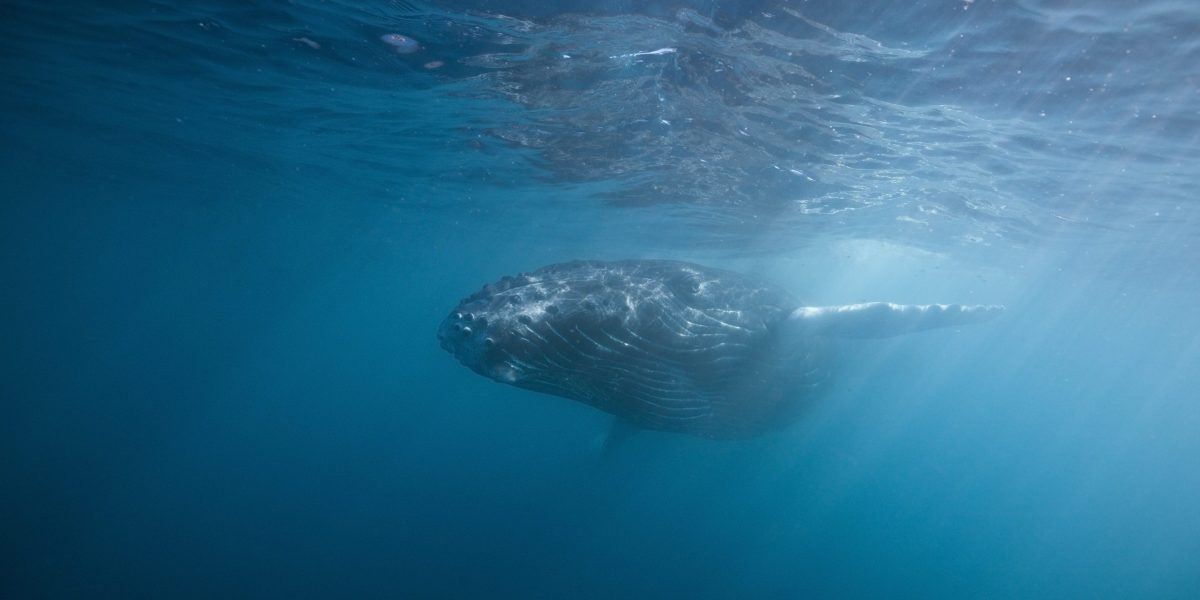
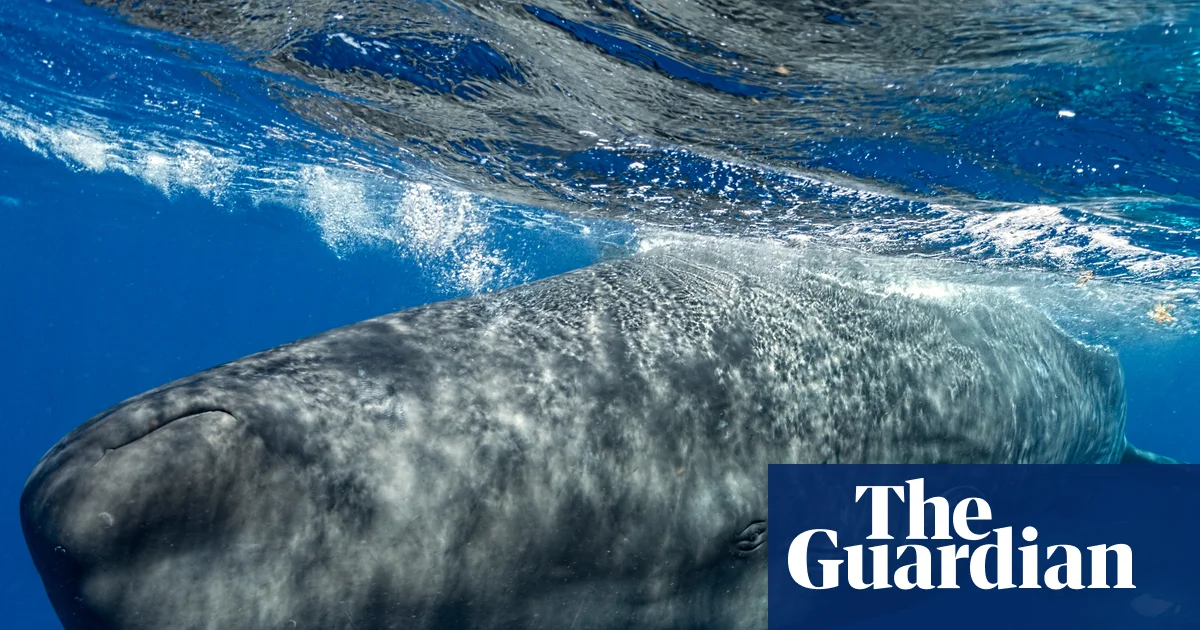
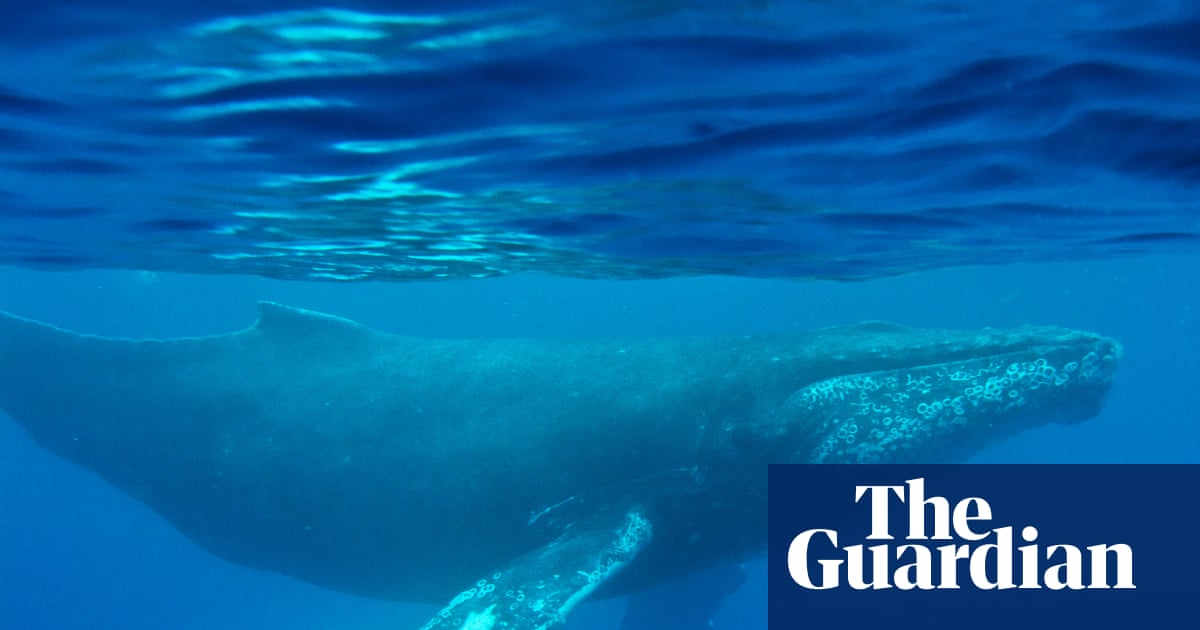
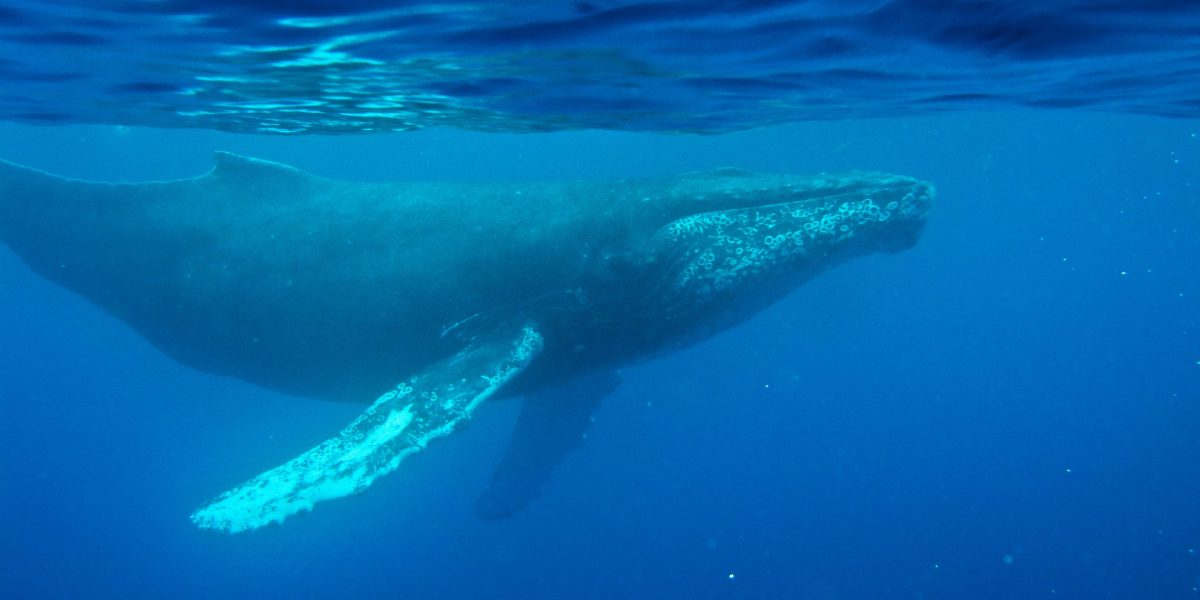
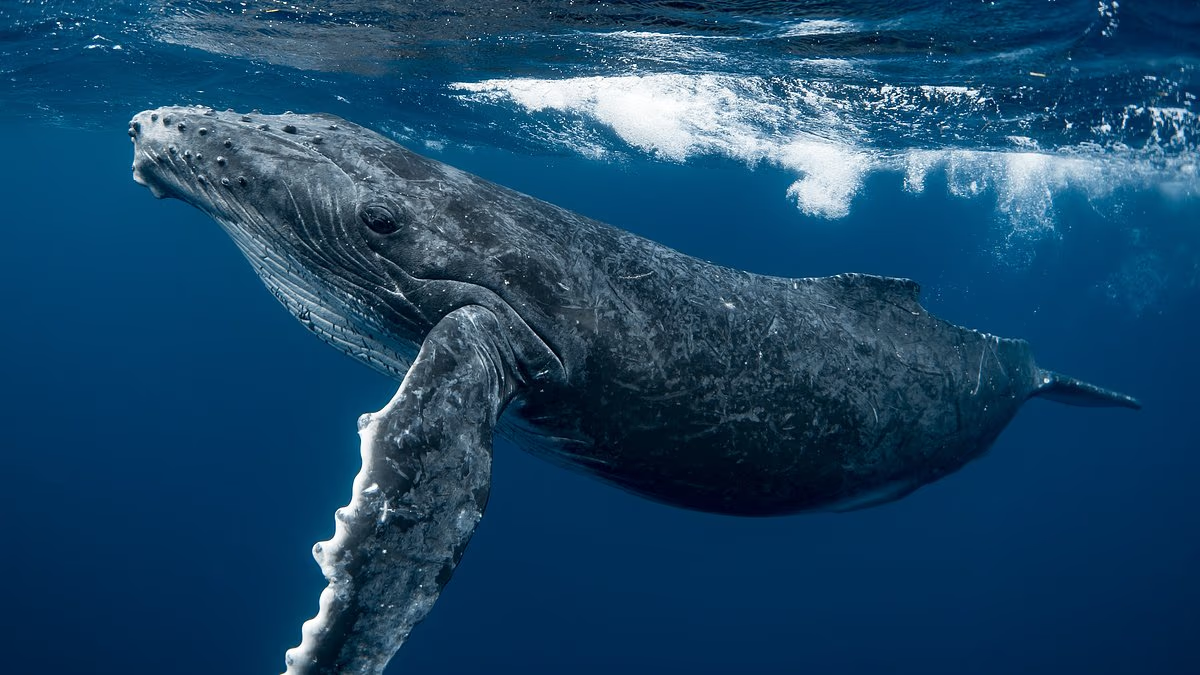
Mysterious noises which have plagued lighthouse keepers for generations could be humpback whales sneezing, according to new research.The low, eerie rumbles have travelled up to five miles, been felt through the structures of buildings for decades and have confused fisherman.But now scientists working in Alaska have traced them back to the region's humpback whales.The humming sounds have never been described in academic literature and why the whales make the noise remains a mystery.Fred Sharpe, a biologist with the Search for Extraterrestrial Intelligence Institute (SETI), led the research which centred on the Five Finger lighthouse in Frederick Sound, southeast Alaska.He said the noise, which could be a self-soothing sigh or a sneeze, can be described as sounding like distant thunder, an elephant rumble or machinery. The biologist said the sounds coming from the whales, which are between 30 and 300 hertz and audible to human hearing, are 'more mechanical' from further away. The discovery of the sound could be used to track the creatures and prevent collisions with ships. Mysterious noises which have plagued lighthouse keepers for generations could be humpback whales sneezing, according to new research Fred Sharpe, a biologist with the Search for Extraterrestrial Intelligence Institute (SETI), led the research which centred on the Five Finger lighthouse (pictured) in Frederick Sound, southeast AlaskaThe failure, until now, to recognise the sound also suggests there could be extraterrestrial life attempting to communicate with unaware humans, according to Mr Sharpe.'If conspicuous sounds from our beloved whales are falling on deaf ears, goodness knows what cosmic signals might fall under the radar,' he told The Times.The biologist was previously part of a research team which held a conversation with a whale.A 38-year-old humpback whale named Twain 'spoke' with the researchers from the SETI Institute and UC Davis for 20 minutes by responding to a pre-recorded 'contact call'. It marked the first communication between humans and whales in their own language, according to the team.The researchers said the conversation could pave the way for interactions with aliens in the future.In the study, researchers from SETI studied how whales communicate in the hopes of developing 'intelligence filters' as part of the search for alien life.The scientists broadcast a type of greeting call called a 'whup/throp' through underwater speakers.When the call was played through the water, Twain approached the boat and responded with a greeting call of her own.Importantly, the scientists found that Twain was changing the frequency of her own calls in response to the researchers' broadcast.According to lead author, Dr Brenda McCowan of UC Davis, this mirroring behaviour shows that the whale was engaging in a type of interactive conversation with the recorded call.