One of the world’s most contentious AI companies just took its first outside investment. The check came from the Chinese government.
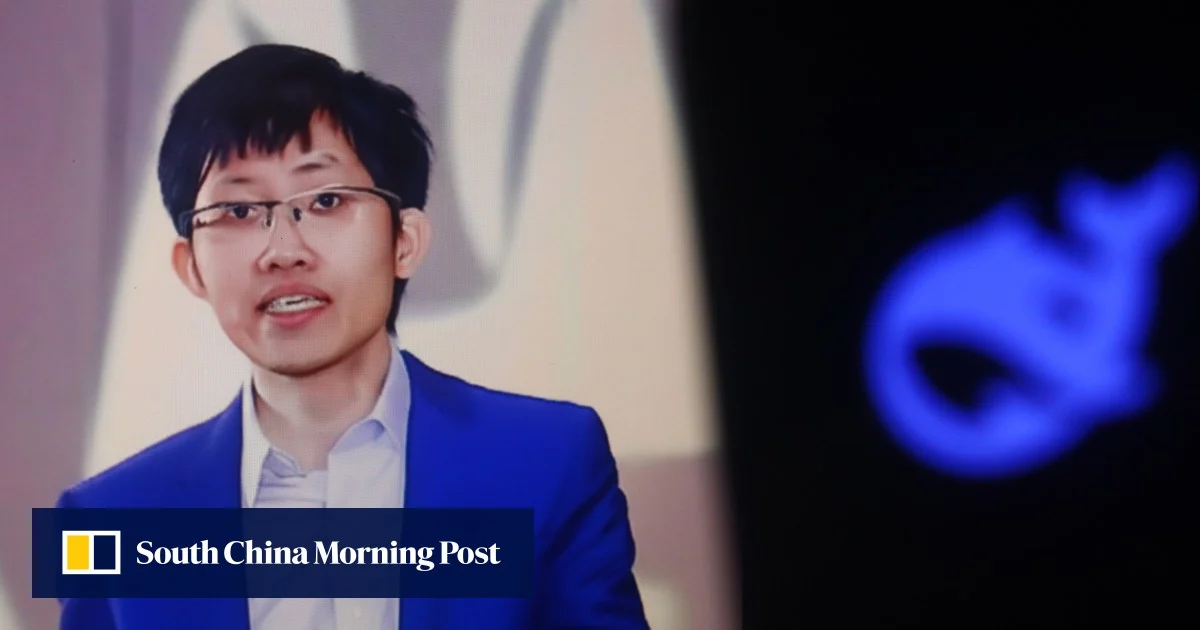
DeepSeek founder Liang Wenfeng—a hedge fund billionaire who controls nearly the entire company—has spent years refusing outside money. Then, in mid-April, reports emerged that DeepSeek was raising at a $10 billion valuation. Within three weeks, that number hit $20 billion. By May 6, reports alleged that number had climbed to $45 billion–50 billion, with a target raise of up to $7.35 billion. The lead investor: The China Integrated Circuit Industry Investment Fund (a.k.a. the Big Fund)—the same government vehicle that bankrolls the country’s biggest chipmakers.
The infusion of state capital into DeepSeek isn’t a one-off occurrence.
According to a recent PitchBook analyst note on China’s AI market, the move is the logical endpoint of a decade-long structural shift in government policy. Government-linked investors in China went from fewer than 10 AI deals per year before 2018 to more than 140 deals in 2025—roughly a 15x increase in participation. In semiconductors, which is what both DeepSeek and the Big Fund care most about, the state’s footprint is even more disproportionate.