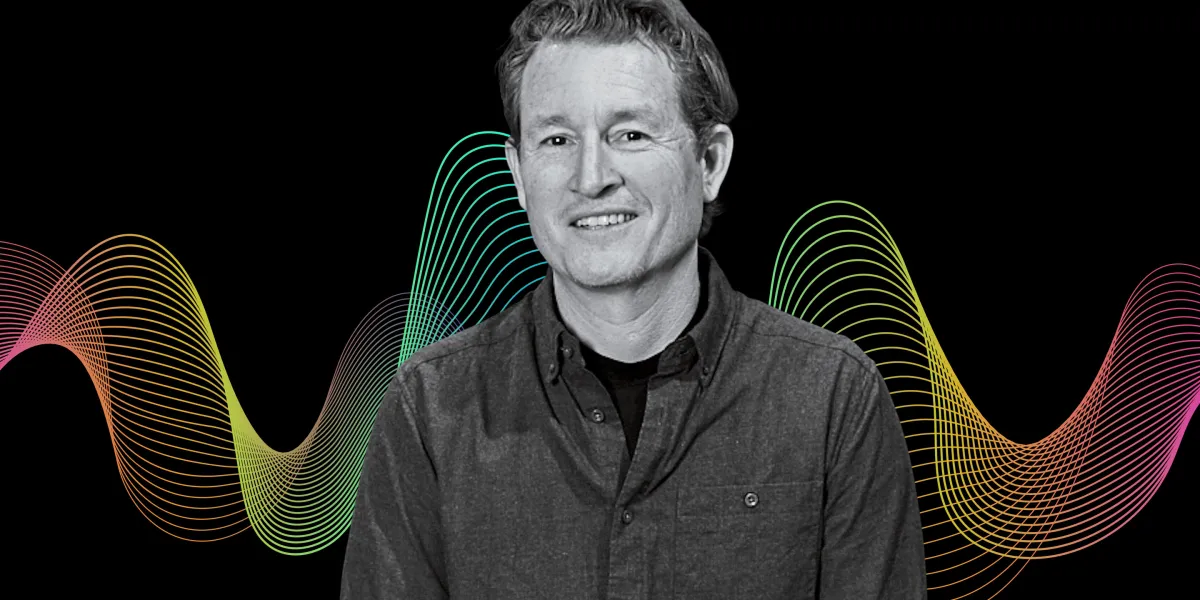
Good morning. I first met Dov Seidman in 2007 when he published a book called HOW: Why HOW We Do Anything Means Everything. In it, he built the case for creating a culture of moral leadership, based on his philosophy and experience in building LRN, an ethics and compliance training company. As Seidman put it: “How we do anything means everything.” The message resonated with leaders, especially as attention surged around “stakeholder capitalism.” (Seidman addressed CEOs on the topic at the 2016 Fortune-Time Global Forum.)
While interest in stakeholder capitalism ebbed amid an ESG backlash and other issues, moral leadership has become increasingly important in an atmosphere of growing distrust, dishonesty, and divisiveness. Seidman founded and chairs the How Institute for Society, which convened a group of leaders in business, academia, philanthropy and media yesterday to talk about the state of How in advance of Seidman being honored by 92NY. Because the conversation took place under the Chatham House Rule, I’ll share some top-line takeaways:
Model behaviors, not values. One business leader pointed out what Seidman has long talked about with me: Generic values are meaningless in most contexts. Talk about the behaviors that you want to see modeled in interactions—in short, how people treat each other—and reward that.